
Selecting the right cheerleading pompoms for children involves balancing visual appeal, physical comfort, and safety. In school sports programs, where young athletes participate in high-energy routines, the wrong equipment can hinder performance or cause unnecessary physical strain. The ideal pompoms for kids must match their physical development, grip strength, and the specific demands of their routine environment.
For younger children in primary school, lightweight plastic pompoms with short strands and simple baton handles are generally the most appropriate choice. As children grow and transition to intermediate squads, they can safely handle slightly heavier materials, such as metallic foils, with more advanced grip styles. By understanding how size, material, and handle design interact, parents and coaches can ensure that young cheerleaders perform confidently while protecting their developing joints.
Matching Pompon Size and Weight to Your Child's Age and Skill
Selecting the correct pompom size is not merely an aesthetic choice; it directly impacts a child’s ability to execute sharp, synchronized movements. Sizing is primarily determined by strand length, which typically ranges from 4 to 10 inches for school-aged children. For preschool and early elementary students (ages 4 to 7), a strand length of 4 to 6 inches is highly recommended. These compact dimensions prevent the pompoms from dragging on the floor during low motions or tangling in the child’s hair and clothing during dynamic transitions.
Products mentioned in this guide
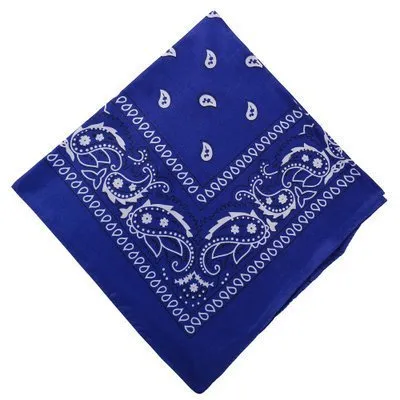
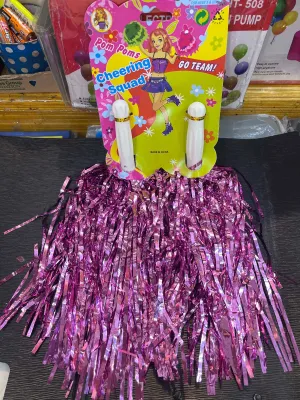
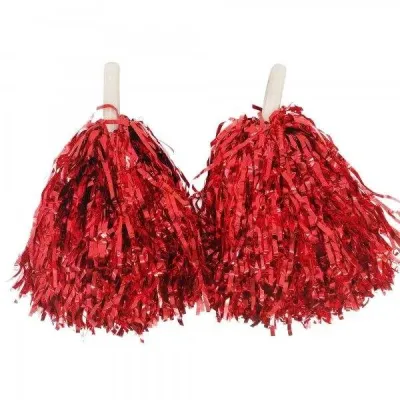
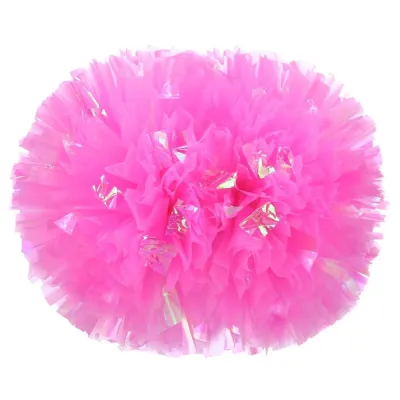
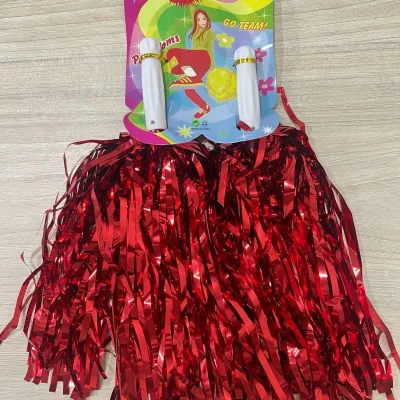
Prices are valid at publication and may change. Please refer to the product page for the latest price.
As children progress to upper elementary and intermediate levels (ages 8 to 12), they can transition to strand lengths of 6 to 8 inches. This size provides the classic, full visual impact required for competitive school routines without overwhelming the athlete’s frame. It is crucial to avoid adult-sized pompoms (10 inches or longer) for children in this age bracket, as the excess volume can obscure their faces, block their line of sight during complex choreography, and interfere with spatial awareness on a crowded performance floor.
Weight is another critical factor that directly influences physical safety and endurance. Young muscles and joints are still developing, making them highly susceptible to fatigue and repetitive strain. A standard child-sized pompom should ideally weigh between 50 and 100 grams. During a typical two-to-three-minute routine, cheerleaders must keep their arms elevated and perform rapid, high-velocity movements like high-Vs, T-motions, and clasps. Excessively heavy equipment forces the muscles of the shoulders and wrists to overcompensate, leading to drooping arms, poor form, and an increased risk of joint strain.
Choreography complexity should also guide your sizing decisions. Beginners who are still mastering basic arm placements benefit from smaller, highly manageable pompoms that allow them to focus entirely on their form. Conversely, advanced youth squads performing basic stunts, jumps, and tumbling transitions require compact, tightly secured pompoms. Oversized or loose strands can easily catch on a teammate’s hands during a lift or cause a child to slip during a tumbling pass, making precise sizing a fundamental safety consideration.
Comparing Materials for Visual Impact and Durability
Cheerleading pompoms are available in several distinct materials, each offering a different balance of visual performance, weight, and resistance to wear. Understanding these differences allows parents to select the most practical option for their child’s specific training and performance schedule.

Solid plastic, typically made from polyethylene or vinyl, is the standard choice for daily practice and outdoor performances. Plastic strands are highly durable, waterproof, and resistant to creasing. They maintain their shape exceptionally well, even when stuffed repeatedly into school bags. For schools that conduct practices on outdoor concrete courts or open-air fields, plastic pompoms are highly resilient against dust, dirt, and occasional moisture, making them a practical, long-lasting investment.
Metallic foil, often made from Mylar, offers a high-gloss, reflective finish that catches the light beautifully under indoor gymnasium spotlights or bright outdoor sunshine. This material provides maximum visual impact and a professional look during competitions and halftime shows. However, metallic foil is significantly more delicate than solid plastic. The strands are prone to permanent creasing if stepped on or crushed, and low-quality foil can shed reflective flecks over time, which can create a slipping hazard on polished wooden gym floors.
Wet-look and holographic materials represent a middle ground, combining plastic and metallic elements to create a textured, multi-dimensional appearance. These hybrid materials offer excellent color depth and shine while retaining much of the durability associated with standard plastic. They are ideal for squads looking for a premium appearance without sacrificing the longevity required for a full season of practices and games.
When selecting materials, environmental factors must be carefully considered. In tropical climates characterized by high humidity and intense heat, cheap plastic materials can sometimes become sticky or cling together, reducing the pompom’s fullness. It is essential to check manufacturer descriptions for UV-resistant and moisture-resistant ratings to ensure the strands remain separated and vibrant throughout the school year. Always verify the material composition on product labels to ensure they are non-toxic and safe for children who may touch their faces during active routines.
Handle Types and Grip Ergonomics for Small Hands
The handle of a pompom determines how securely and comfortably a child can hold the equipment throughout a routine. Because children’s hands have limited grip strength and smaller palm spans, selecting an ergonomic handle design is vital for preventing dropped equipment and hand fatigue.
- Baton Handles: This design features a solid plastic bar running directly through the center of the pompom. It is the most common and intuitive handle type for young beginners. The exposed bar is easy to grasp quickly, allows for clean hand transitions, and enables the classic spinning motions used in many traditional routines.
- Hidden Hand Grips (D-Ring or Strap Handles): These handles feature a plastic loop or strap hidden entirely within the strands. When held, the pompom appears to float on the cheerleader's hand, creating a seamless visual effect. While aesthetically pleasing, hidden grips require more finger strength and coordination to hold securely, making them better suited for older, more experienced children.
- Elastic Wrist Loops: Some youth pompoms include elastic bands or finger loops. These are particularly useful for very young children or dance-heavy routines where cheerleaders must open their hands fully without dropping the equipment. However, they can limit the ability to perform quick equipment transitions or hand changes.
Ergonomic sizing is critical when evaluating baton handles. For children under eight years old, the handle diameter should not exceed 1.5 to 2 centimeters. A handle that is too thick prevents the child from wrapping their fingers completely around the bar, leading to a weak grip and hand cramping. For older children, a slightly thicker handle may be appropriate, but it should always allow for a comfortable, closed-fist grip.
Safety checks should be performed on the handles before every practice. Inspect the plastic bar for any sharp edges, flashing from the manufacturing mold, or cracks that could scratch or pinch a child’s palm. If the pompom utilizes wrist straps or elastic loops, verify that they are secure but not tight enough to restrict blood circulation during vigorous arm movements.
Pre-Purchase Checklist: Verifying Quality and School Compliance
Before purchasing pompoms for a school squad, parents and coaches should perform a series of quality and compliance checks to ensure the equipment is safe, durable, and permitted by the school’s athletic department.
First, conduct a physical quality inspection on a sample pompom if possible. Gently tug on a small clump of strands near the center of the handle to test for shedding. High-quality pompoms are bound tightly at the core with heavy-duty staples, wire, or molded plastic anchors. If strands pull out easily during a gentle tug, the pompoms will likely lose their fullness quickly during active use, leaving plastic debris on the performance floor. Check the thickness of the individual strands; thicker strands are more tear-resistant and provide a fuller look with fewer materials.
Second, ensure strict compliance with school uniform guidelines. School athletic boards usually have precise color requirements to maintain squad uniformity. A color described simply as “blue” can range from light sky blue to deep navy depending on the manufacturer. To avoid mismatched equipment, coordinate with the team coach to obtain the exact color names or color codes. Many schools prefer to place a single bulk order from a single manufacturer to guarantee that every child’s pompoms match perfectly in shade, strand width, and handle style.
Finally, consider the logistics of the purchase. When ordering custom-colored pompoms or bulk quantities for an entire squad, factor in manufacturing and shipping lead times, especially if ordering through online marketplaces. Review the seller’s return and exchange policies to ensure that any defective items or incorrect color shipments can be replaced well before the first game or competition of the season. Investing in durable, high-quality pompoms from reputable sports suppliers may require a slightly higher initial budget, but it prevents the need for frequent replacements throughout the school year.
Season-Long Care and Storage for Squad Equipment
Proper maintenance and storage are essential for preserving the shape, color, and cleanliness of cheerleading pompoms over a long school sports season. Because these items are subjected to sweat, dust, and frequent handling, establishing a regular care routine prevents premature wear.
Cleaning methods should always be gentle and dictated by the specific material care labels. For both plastic and metallic pompoms, avoid harsh chemical detergents, bleach, or alcohol-based sanitizers, as these substances can strip the reflective coating from metallic foil or make plastic strands brittle. Instead, wipe the strands and handles with a soft microfiber cloth slightly dampened with water and a mild, diluted dish soap. Never submerge the pompoms completely in water, and never place them in a washing machine or tumble dryer, as the mechanical agitation will destroy the strand alignment and melt the materials.
Storage techniques play a major role in maintaining the pompom’s fullness. A common mistake among young athletes is stuffing their pompoms into the bottom of a heavy school backpack, which permanently crushes and creases the strands. Instruct children to carry their pompoms at the very top of their sports bags, or hang them from the outside of the bag using a carabiner clip attached to the handle. At home, store the pompoms in a cool, dry place away from direct sunlight. Continuous exposure to UV rays can fade vibrant school colors and cause plastic materials to degrade and become brittle over time.
Regular inspection protocols help identify minor damage before it becomes a safety hazard. Before each practice, check the pompoms for loose, bent, or torn strands. If a strand is damaged, use sharp scissors to trim it off cleanly near the handle core. Never pull a damaged strand out by force, as this can loosen the central binding and cause neighboring strands to fall out. If the central handle or binding mechanism becomes loose or cracked, replace the pompom immediately to prevent it from breaking apart during a performance.
Frequently Asked Questions (FAQ)
Can younger kids safely use standard adult-sized pompoms?
No, younger children should not use standard adult-sized pompoms. Adult pompoms are significantly heavier and feature longer strands (typically 10 to 12 inches) that can easily hit a young child in the face, tangle in their hair, or obstruct their vision during fast movements. The additional weight of adult-sized equipment places excessive strain on a child’s developing wrist and shoulder joints, leading to rapid fatigue and poor physical form. Children should only transition to larger, adult-sized pompoms when they have developed sufficient upper-body strength and can execute advanced choreography with complete control, usually around age 12 or 13.
How should metallic pompoms be cleaned without damaging the finish?
To clean metallic pompoms without damaging their reflective finish, avoid using abrasive scrubbing pads, harsh chemicals, or submerging them in water. Instead, lightly mist the strands with a mixture of water and a tiny drop of mild dish soap, then gently shake the pompom to distribute the moisture. Wipe the strands carefully with a soft, dry microfiber cloth to remove surface dust and sweat. Always allow the pompoms to air-dry completely in a well-ventilated indoor area before storing them. Never expose metallic pompoms to high heat sources, such as hair dryers or direct midday sunlight, as extreme heat can warp the delicate foil and cause the shiny finish to peel.
Community discussion
Share your experience or ask a question. Comments are reviewed before publication.