
Setting up an exercise bike at home in a compact condominium or a small bedroom requires a practical approach to space planning. While it is tempting to simply order a popular model online, a successful setup depends on matching the physical footprint of the equipment with the dynamic flow of your daily life. You must account for not only where the bike sits when idle, but also how much space you need to pedal comfortably, climb on and off safely, and move the machine when cleaning. By taking precise measurements and understanding the spatial demands of different bike designs, you can establish a highly functional workout zone without compromising the comfort of your living space.
Measure Your Room Dimensions and Clearance Requirements
To begin, clear the area where you plan to place your exercise bike at home and take exact measurements of the floor space. Use a standard measuring tape to record the maximum length and width of the designated spot. Do not forget to measure the ceiling height as well. If you plan to use an indoor cycling bike that allows for standing climbs, your head will rise significantly higher than your normal sitting height. This is particularly important in modern condo units where ceiling heights can be lower, or where overhead fixtures like ceiling fans and light panels present physical hazards.
Next, calculate the dynamic clearance requirements. A bike’s static footprint—the physical dimensions of its base—only tells half the story. You need to maintain a safety buffer of at least 0.5 to 0.6 meters on all sides of the machine. This clearance allows you to mount and dismount without brushing against walls, wardrobes, or sharp furniture corners. Furthermore, in tropical climates like the Philippines, adequate clearance around the bike is essential for ventilation. A cramped corner with poor airflow can quickly lead to overheating and an uncomfortable workout experience, especially during warm, humid afternoons.
Products mentioned in this guide

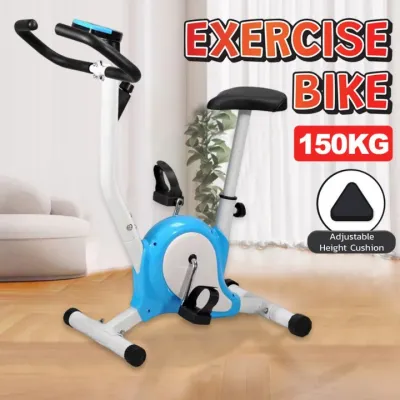
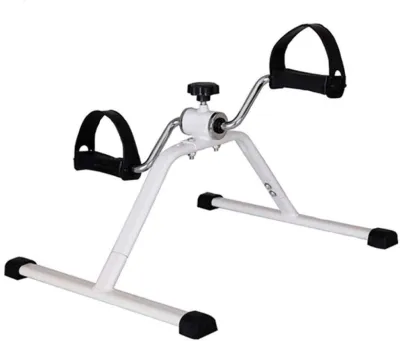
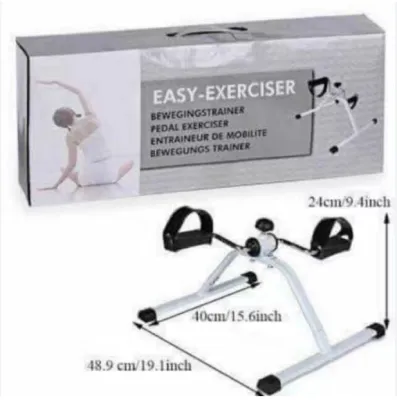
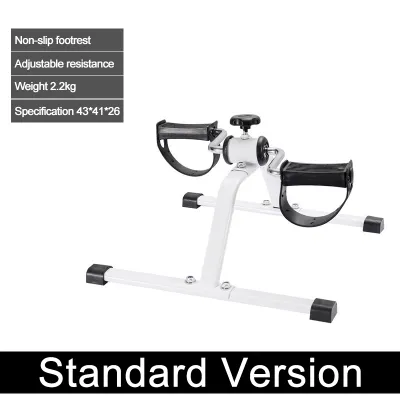
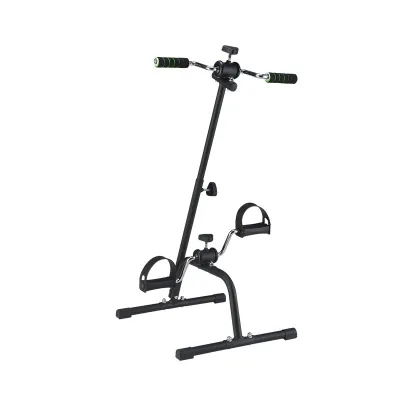
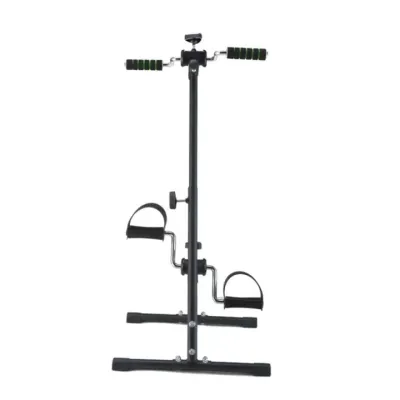
Prices are valid at publication and may change. Please refer to the product page for the latest price.
Finally, plan the logistics of getting the bike into your room. Measure the width of your front door, bedroom doors, hallway turns, and any elevators in your building. Many high-quality exercise bikes feature heavy steel frames and solid flywheels that do not disassemble easily. If your condo building has a small passenger elevator or narrow stairwells, you must verify that the packaged box or the assembled unit can navigate these tight spaces. Checking these dimensions beforehand prevents the frustration of having a delivery rejected or stuck in the lobby.
Compare Exercise Bike Form Factors for Limited Spaces
Different exercise bike designs occupy space in distinct ways, making some form factors much better suited for tight quarters than others. Folding exercise bikes are highly popular for small apartments because they can be collapsed and rolled into a closet or placed behind a door when not in use. However, these models often trade off frame rigidity and maximum weight capacity for portability. If you plan to perform high-intensity workouts or require a highly stable platform, you must verify the frame specifications to ensure the folding mechanism can support your training style without wobbling.

Upright bikes and indoor cycling spin bikes offer a highly compact floor footprint, making them excellent choices for a permanent workout corner. These models keep your body in a vertical alignment, which minimizes the horizontal floor space required. While they take up less floor area, they do require more vertical clearance, especially when adjusting the seat and handlebars to match your height. If you choose an indoor cycle, look for models with a heavy flywheel, as they provide a smoother ride but are also more challenging to move around without assistance.
Recumbent bikes, on the other hand, feature a reclined seat with back support and pedals positioned in front of the rider. While highly comfortable and excellent for low-impact recovery, recumbent bikes have a significantly larger horizontal footprint. They are both longer and wider than upright models, meaning they may not fit comfortably in a standard condo bedroom without blocking primary walkways. If you require a recumbent bike for ergonomic reasons, you must carefully map out its footprint to ensure it does not turn your room into a cramped obstacle course.
Regardless of the bike type you choose, look for integrated transport wheels on the front stabilizer bar. These wheels allow you to tilt the bike forward and roll it out of the way when cleaning or rearranging the room. Additionally, adjustable leveling feet are crucial for condo living. Many high-rise units feature tiled or slightly uneven concrete floors; adjustable feet allow you to level the bike manually, preventing rocking and ensuring a safe, stable ride.
Match Product Specifications to Your Room Layout
Before finalizing any purchase, cross-reference the manufacturer’s official product specifications with your measured room layout. Always look for the “assembled dimensions” rather than the packaging dimensions, as the fully built bike will occupy more space. Pay close attention to the maximum user weight capacity and the overall weight of the machine. If you live in an older building or have concerns about floor load limits, verifying the weight of the bike—especially heavy-duty commercial models—is a necessary step to ensure structural safety.
When planning the layout, ensure the bike does not obstruct essential household features. Avoid placing the machine directly in front of closet doors, sliding balcony doors, or windows that you need to open regularly. It is also vital to keep the bike clear of air conditioning vents and wall-mounted fans. Blocking the direct path of cool air can make your indoor workouts unnecessarily hot, while placing the bike too close to a split-type air conditioner might interfere with routine filter maintenance and cleaning.
Additionally, factor in the space required for a high-density equipment mat. A mat is not an optional luxury; it is a critical component of an exercise bike at home setup. The mat defines your dedicated workout zone, protects your tiles or wooden flooring from scratches, and catches sweat before it can damage your floors. In a shared condo building, a thick rubber mat also serves as an effective sound barrier, dampening the vibration and hum of the flywheel so you do not disturb neighbors living directly below you.
Avoid Common Space-Planning and Setup Mistakes
One of the most frequent mistakes when setting up an exercise bike at home is relying solely on the product’s static footprint. Many buyers measure their floor, see that the bike technically fits, and forget that their own body adds width and height during a workout. When you pedal, your knees and elbows extend outward, and you need extra space to lean forward or stretch. Always plan your layout around this dynamic footprint to avoid hitting your elbows on nearby shelves or walls during an intense sprint.
Another common oversight is ignoring ceiling clearance, particularly in rooms with low ceilings or decorative drop ceilings. If you plan to use an indoor cycling bike for standing climbs, your head will rise several inches above the handlebar height. Before buying, calculate your standing height on the pedals and compare it to your ceiling height. This simple check prevents painful head collisions with low ceilings, light fixtures, or rotating ceiling fans.
Lastly, avoid purchasing heavy, non-folding commercial-grade bikes if you live alone in a high-rise condo with tight corridors. While these machines offer excellent durability, their sheer weight and lack of maneuverability make them incredibly difficult to relocate, clean around, or service. Opting for a model that matches your physical ability to move and maintain it ensures that your home gym remains a source of health rather than a source of domestic frustration.
Frequently Asked Questions (FAQ)
Can I keep an exercise bike in a bedroom with carpeted floors?
Yes, you can place an exercise bike on a carpeted floor, but you should always use a high-density equipment mat underneath the machine. Without a mat, the heavy weight of the bike can leave permanent indentations in the carpet fibers and cause the machine to wobble during use. A mat also provides a stable, level surface for the bike’s leveling feet and protects your carpet from sweat, dust, and mechanical grease. Check the manufacturer’s instructions to ensure the leveling feet are adjusted correctly to compensate for any softness in the carpet padding.
Is a folding exercise bike durable enough for daily workouts?
A folding exercise bike can be durable enough for daily moderate workouts, provided you verify its specifications before purchasing. Look closely at the manufacturer’s stated weight capacity and the materials used in the frame construction, opting for steel frames over light plastics. Before every workout, inspect the locking pins, hinge joints, and safety latches to ensure they are fully engaged and secure. While folding models are not designed for intense standing sprints or heavy commercial use, they offer reliable service for daily cardiovascular exercise when maintained properly.
Community discussion
Share your experience or ask a question. Comments are reviewed before publication.