
Finding the right fitness equipment for a compact condominium in the Philippines requires a careful balance between your health goals and your available floor area. In high-density urban areas where studio and one-bedroom units are the norm, every square meter of your bedroom must be utilized efficiently. If you are looking to integrate cardiovascular exercise into your daily routine without crowding your living space, choosing the correct size of steppers for exercise is essential.
The ideal stepper size for a small condo bedroom depends on balancing the machine’s static footprint with your dynamic movement zone. For most tight condo spaces, a compact mini stepper is the most practical choice, typically occupying about 1.5 to 2 square feet of floor space. However, if you have a dedicated corner or a larger layout, folding or vertical steppers can offer a more intense workout, provided you verify your ceiling height and safety clearances beforehand.
Understanding Stepper Footprints and Dynamic Space Needs
When planning your home gym setup, it is easy to make the mistake of only measuring the physical dimensions of the machine when it is turned off. This is known as the static footprint. For a mini stepper, this footprint is remarkably small, often measuring around 30 to 40 centimeters in width and 40 to 50 centimeters in length. Standard vertical stair climbers and elliptical-stepper hybrids, however, require a much larger static footprint, often extending up to 1 meter in length and 70 centimeters in width.
Products mentioned in this guide
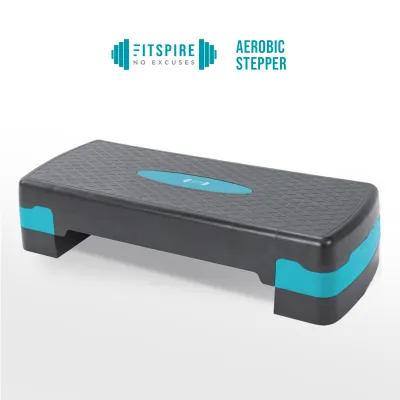
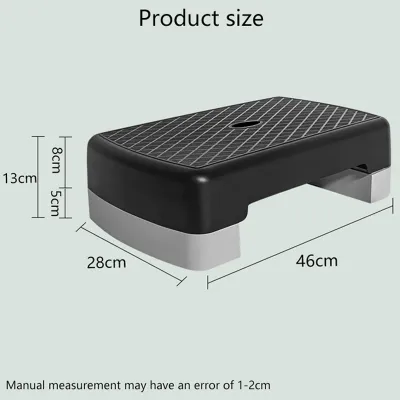
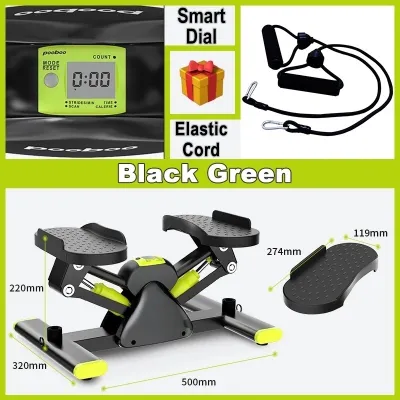
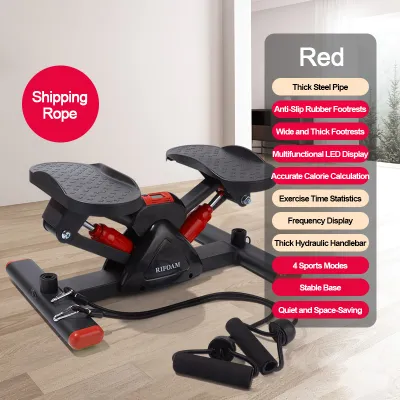
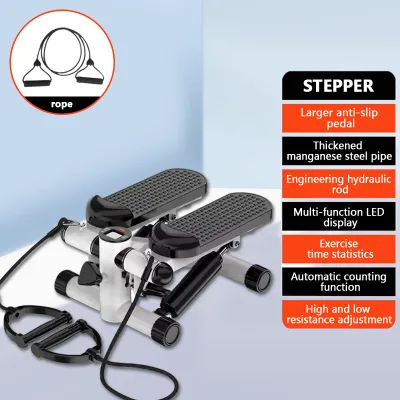
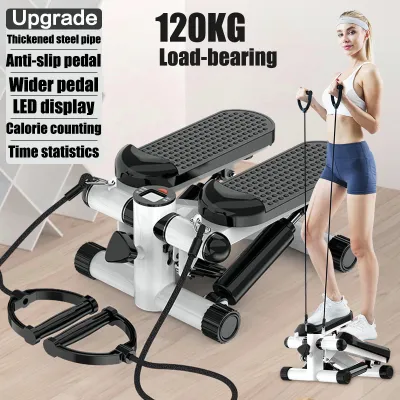
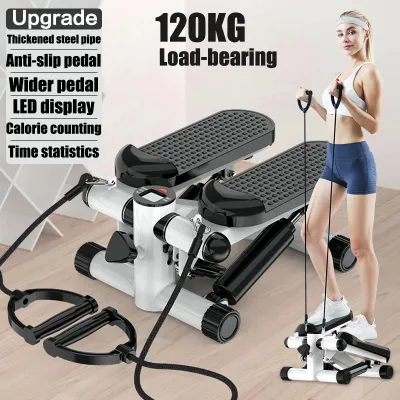
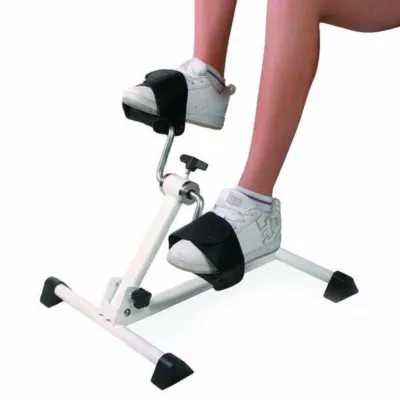
Prices are valid at publication and may change. Please refer to the product page for the latest price.
The dynamic footprint is the actual space you need while actively using the machine. As you exercise, your body shifts, your arms swing, and the pedals move up and down or slightly outward. For safety, you must maintain a clearance zone of at least 0.5 meters of open space on all sides of a mini stepper. This prevents you from accidentally bumping into your bed frame, wardrobe, or walls if you lose your balance during a high-intensity interval.
For larger vertical steppers or elliptical-stepper combinations, the dynamic space requirements are even more demanding. These machines often feature moving handlebars that swing outward, requiring additional lateral clearance. Before purchasing, check the manufacturer’s specifications for the maximum pedal and handle extension to ensure you do not scrape your knuckles against a concrete condo wall or a glass window.
Ceiling height is another critical factor that condo dwellers frequently overlook. When you stand on a stepper, your body is elevated by the height of the pedals at their peak. To calculate your required ceiling clearance, add your height to the maximum pedal height of the stepper, then add an extra 20 to 30 centimeters of safety margin. This calculation is especially vital in Philippine condos, where ceiling heights can vary, and low-hanging ceiling fans or light fixtures pose a real safety hazard. If your stepper includes overhead resistance bands, ensure your arm span during full extension will not contact any ceiling fixtures.
Evaluating Storage and Portability Options for Limited Rooms
In a small condo bedroom, multi-functional space is key, meaning your exercise equipment may need to be tucked away when guests visit or when you need floor space for other activities. Lightweight mini steppers are highly portable, often weighing under 10 kilograms, allowing you to easily lift them and slide them under a standard bed frame or place them on a closet shelf.

If you prefer a larger vertical stepper, look for models designed with a folding frame. These units typically fold relatively flat, allowing them to stand upright in a corner or slide into a narrow wardrobe. When evaluating folding designs, pay close attention to the folded dimensions and compare them directly with your planned storage space.
Transport wheels are a non-negotiable feature for any stepper weighing over 15 kilograms. These wheels allow you to tilt the machine and roll it effortlessly from your bedroom closet to your active workout spot. Before rolling heavy equipment across your floor, verify that the wheels are made of a soft, non-marking material like polyurethane to prevent scratching delicate vinyl, laminate, or hardwood flooring.
There is always a trade-off between portability and structural stability. Extremely lightweight steppers are easy to move, but they may have lower user weight capacities and can feel unstable or wobble when you step quickly. Conversely, a heavier frame with a wider base offers a much more secure and stable workout experience but will require more effort to move and store.
Before ordering any fitness equipment, create a delivery checklist. Measure the width of your condo unit’s entrance door, bedroom door, and any narrow hallways. In high-rise buildings, you must also verify the dimensions of the passenger elevator and common corridors to ensure the delivery box can safely reach your floor and bedroom without getting stuck.
Matching Stepper Types to Condo Bedroom Layouts
Mini steppers are the undisputed champions of space efficiency, making them ideal for studio apartments or bedrooms where the bed occupies most of the floor area. Because they lack tall frames or handlebars, they can even be used under a standing desk, allowing you to stay active while working from home. The main limitation of a mini stepper is its shorter range of motion, which provides a less intense workout compared to larger machines.
Compact stair climbers offer a fuller, more vigorous cardiovascular workout by simulating actual stair climbing. However, because they cannot be easily disassembled or folded, they require a dedicated, permanent corner in your bedroom. If you choose this route, verify the floor load limits of your condominium, especially if you live on an upper floor, though most residential-grade climbers are well within standard structural capacities.
Folding or multi-function steppers balance the high-intensity workout of a stair climber with the space-saving benefits of a portable machine. These models often feature adjustable resistance levels and built-in exercise bands to engage your upper body. When choosing a folding model, carefully inspect the durability of the hinges, locking pins, and adjustment mechanisms, as these moving parts bear the brunt of your weight and must remain secure during use.
Safety, Floor Protection, and Noise Considerations
Operating fitness equipment on an upper floor of a condominium requires careful consideration of your neighbors. The repetitive downward force of stepping can create low-frequency vibrations that travel through the concrete floor slab, potentially disturbing the residents living directly below you. To maintain good neighborly relations, always place your stepper on a high-density, shock-absorbing equipment mat.
In the tropical climate of the Philippines, high humidity levels mean you will likely sweat heavily during your workouts. Sweat dripping onto laminate or wood flooring can cause warping, staining, or mold growth over time. A waterproof, easy-to-clean rubber or PVC mat not only dampens noise and vibration but also acts as a protective barrier that catches sweat and prevents the stepper from slipping on slick tiles.
Stability is paramount when exercising in a confined space. Before starting your workout, verify that the stepper’s base is wide enough to prevent lateral tipping. Check that the machine is equipped with heavy-duty, non-slip rubber feet that grip your floor mat securely. If you feel the machine shifting or sliding during use, stop immediately and adjust the positioning or clean the rubber feet to restore grip.
Finally, establish a routine maintenance check for your stepper. Hydraulic cylinders on mini steppers can become hot during extended use, which is normal, but they should be checked periodically for fluid leaks. Regularly inspect all bolts, cables, and resistance adjusters to ensure they are tight and functioning correctly, ensuring your home workouts remain safe, quiet, and effective.
Frequently Asked Questions (FAQ)
Can I use a stepper on a carpeted condo bedroom floor?
While you can place a stepper on a carpeted floor, it is highly recommended to use a rigid equipment mat underneath the machine. Soft carpet fibers can compress unevenly under your weight, causing the stepper to wobble and compromising your balance. A wobbling machine can also lead to inaccurate readings on the digital step counter. Furthermore, a heavy-duty mat protects your carpet from permanent indentations, friction wear, and sweat stains.
How do I measure my bedroom to ensure a stepper will fit?
To ensure a proper fit, measure the length and width of your designated workout area, keeping a clear path to your bed, closet, and doors. Next, measure your ceiling height. Subtract your own height from the ceiling height to determine the maximum allowable pedal height, leaving at least 20 centimeters of safety clearance. Remember to account for baseboards, low-hanging light fixtures, air conditioning units, and ceiling fans. If your stepper uses resistance bands, measure your full arm span to ensure you will not hit nearby walls or furniture during upper-body exercises.
Are mini steppers effective enough to replace a full-size stair climber?
Mini steppers are highly effective for cardiovascular conditioning, burning calories, and toning your lower body, making them an excellent space-saving alternative for small condos. However, they have a shorter stride length and lower maximum resistance compared to full-size stair climbers. If your goal is intense athletic training or preparing for outdoor mountain climbing, a full-size climber is superior. For daily active movement, weight management, and maintaining fitness within a limited space, a mini stepper offers the best balance of utility and space efficiency.
Community discussion
Share your experience or ask a question. Comments are reviewed before publication.