
Finding the right spinal stretching hook requires matching the equipment’s exact structure to your body type and flexibility goals. Because the term “spinal stretching hook” can refer to several distinct tools—ranging from multi-loop stretching straps to overhead traction devices—your first step is to verify the specific design before purchase. Selecting the wrong type or ignoring structural load limits can lead to ineffective stretching or equipment failure. By evaluating key specifications such as material durability, weight capacity, and adjustability, you can safely integrate this tool into your home wellness routine.
Identify the Exact Equipment Type
Before purchasing, clarify what type of spinal stretching hook you need, as different designs serve entirely different functions. For instance, some products are flexible fabric straps equipped with D-rings or metal hooks designed to help you hold deep yoga or Pilates stretches. Other devices feature overhead traction hooks meant to be suspended from a doorframe or ceiling anchor to decompress the spine. Additionally, some users search for hooks to use alongside Pilates spine correctors or arc barrels. Merging these categories can lead to setup mistakes, so you must always verify the exact category of the product before buying.
To ensure compatibility with your home environment, check the manufacturer’s packaging for the intended use. A tool designed for general flexibility training should not be used for heavy suspension or traction unless the documentation explicitly states it is safe. Furthermore, evaluate your physical space and structural setup. If you are considering an overhead or door-mounted hook system, verify whether your home’s doorframes or walls can support the lateral or vertical forces. In many homes in the Philippines, concrete walls or solid wood frames provide reliable anchor points, whereas lightweight drywall or hollow-core doors may fail under load.
Products mentioned in this guide
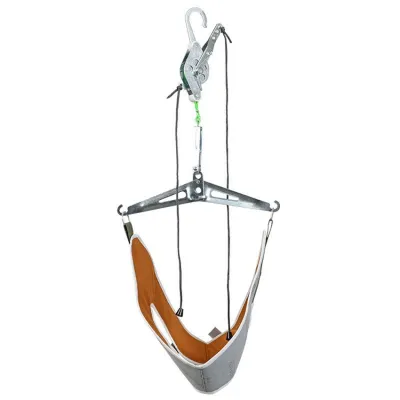
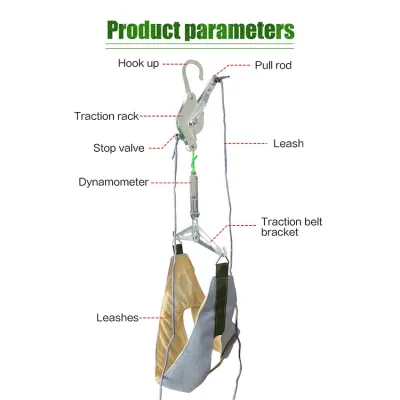
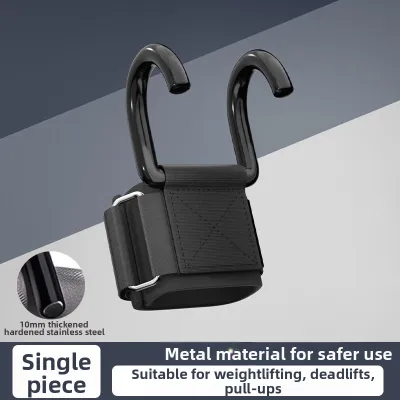
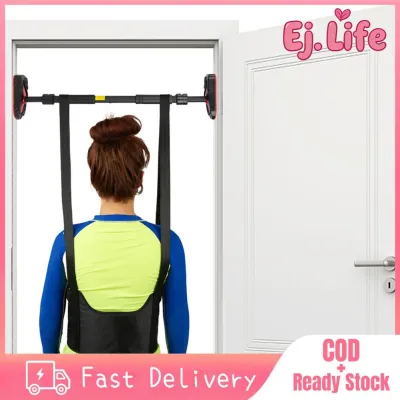
Prices are valid at publication and may change. Please refer to the product page for the latest price.
Decode Key Specifications and Labels
Understanding the technical specifications on product labels is your best defense against equipment failure. Start by examining the materials used in both the hook and the strap. High-quality metal hooks should feature rust-resistant coatings, such as powder coating or stainless steel, which are particularly important in warm, humid tropical climates where moisture can quickly degrade exposed iron or cheap steel. For the strap portion, look for tightly woven nylon or polyester webbing. While nylon offers excellent tensile strength, polyester is highly resistant to stretching under tension and handles sweat and humidity well without losing its shape.

Next, locate the rated load limit, which is typically printed on a sewn-in tag or detailed in the user manual. Never assume a stretching hook can support your full body weight simply because it looks sturdy. If the manufacturer does not explicitly state a maximum weight capacity, treat the item as a light-resistance stretching aid rather than a suspension tool. Exceeding these rated limits compromises the structural integrity of the stitching and metal components, increasing the risk of sudden snaps.
Finally, evaluate the adjustability and overall length of the strap or hook system. Multi-loop straps allow you to incrementally change your grip or foot placement as your flexibility improves. Ensure the spacing between the hooks or loops matches your current range of motion. If a strap is too short, you may find yourself straining to reach the loops, which defeats the purpose of a relaxed, controlled spinal stretch.
Match Features to Your Body and Routine
A spinal stretching hook must fit your unique physical proportions to be both comfortable and effective. Pay close attention to the grip size and handle diameter of the tool. Handles that are too thick or lack adequate padding can cause hand fatigue, preventing you from relaxing into the stretch. If you plan to hook the device around your feet or ankles, verify that the loops or hooks feature soft neoprene padding or wide fabric bands to distribute pressure evenly and prevent chafing against the skin.
Your height and limb length also dictate the ideal dimensions of the equipment. Taller individuals generally require longer straps to maintain proper alignment during lying or seated spinal twists. If you are using the tool for passive stretching, the length should allow your shoulders and neck to remain relaxed on the floor or mat. Choosing a tool that forces your body into awkward angles can strain your lower back or neck, reversing the benefits of the stretch.
Portability and storage are additional practical factors to consider, especially if you commute to a local Pilates studio or gym. Lightweight fabric straps with integrated hooks are easy to roll up and pack into a gym bag. If you choose a heavier metal traction hook, consider how you will store it away from moisture when not in use. In humid environments, storing your gear in a well-ventilated area—rather than leaving it damp inside a closed gym bag—prevents the growth of mold and mildew on the fabric elements.
Establish Safety Checks and Usage Boundaries
Safety must always come first when using any equipment designed to stretch or decompress the spine. Establish a habit of performing a quick visual inspection before every single session. Check the metal hooks for any signs of bending, hairline cracks, or rust, and inspect the fabric webbing for frayed edges, loose stitching, or worn-out loops. If you notice any structural wear, discontinue use immediately and replace the equipment.
It is also vital to distinguish between gentle, self-limiting muscle stretching and medical spinal traction. Standard stretching hooks are consumer fitness tools meant to assist with flexibility; they are not medical devices. Avoid any products that make unverified therapeutic claims, such as promising to cure herniated discs or scoliosis.
Always listen to your body and know when to stop. If you experience sharp pain, tingling, numbness, or dizziness during a stretch, gently release the tension immediately. If you have pre-existing spinal conditions, such as osteoporosis, spondylolisthesis, or a history of back surgery, do not use a spinal stretching hook without first consulting a qualified physical therapist or doctor to verify which movements are safe for your specific spine.
Frequently Asked Questions (FAQ)
Can I use a spinal stretching hook for inversion therapy?
Standard spinal stretching hooks and straps are generally not designed or rated to support your full body weight in an inverted position. Attempting to hang upside down using equipment that lacks explicit, certified load ratings for inversion can lead to severe falls and head injuries. Always check the manufacturer’s specifications to see if the product is certified for full suspension. If you are interested in inversion therapy, consult a medical professional and use dedicated, certified inversion tables or aerial hammocks designed specifically for that purpose.
How do I clean and maintain the hooks and straps?
To keep your stretching hook in safe working condition, wipe down metal hooks with a dry or slightly damp microfiber cloth after each use to remove sweat, which can cause corrosion. For fabric straps, check the care label for specific washing instructions. Most nylon or polyester straps can be hand-washed with mild soap and cool water. Avoid using harsh chemical bleach or fabric softeners, as these can degrade the synthetic fibers over time. Always hang the straps to air-dry completely in a shaded, well-ventilated space before storing them to prevent mold growth.
Community discussion
Share your experience or ask a question. Comments are reviewed before publication.