
Finding the perfect stationary bike for a compact condominium requires balancing your fitness goals with the realities of limited floor space. In a tight urban layout, every square meter matters, making the physical footprint of your exercise equipment just as important as its resistance levels. While a foldable bike offers unmatched storage convenience for casual riders, high-intensity trainers will find that a compact spin bike provides the necessary stability within a fixed, modest footprint. Understanding how each design interacts with your living space is the first step toward building an effective, clutter-free home gym.
Measuring Your Condo Space for a Stationary Bike
Before browsing online marketplaces or visiting showrooms, establish the exact physical boundaries of your workout area. Relying solely on listed base dimensions can lead to a cramped exercise experience, as the space required during a workout is always larger than the static footprint of the machine.
To get an accurate measurement, map out the length and width of the dedicated floor area. Account for user clearance, including space for full leg extension, handlebar reach, and safe mounting. Add at least fifty centimeters of clear space on all sides to prevent limbs or clothing from brushing against walls or furniture.
Products mentioned in this guide
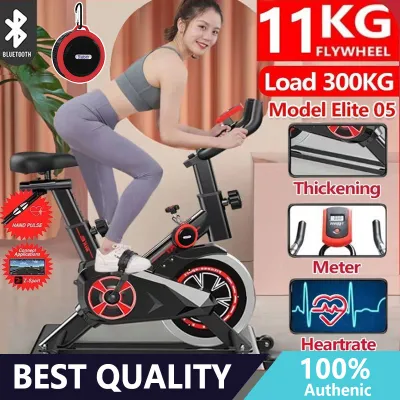
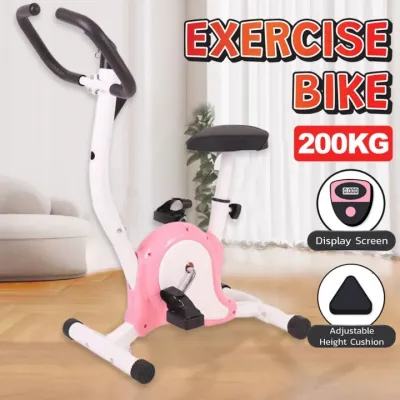
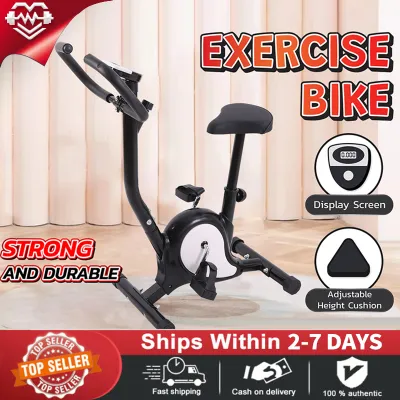
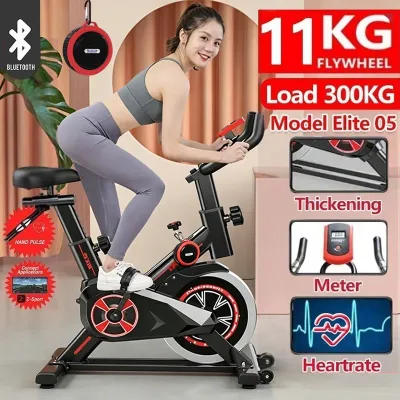
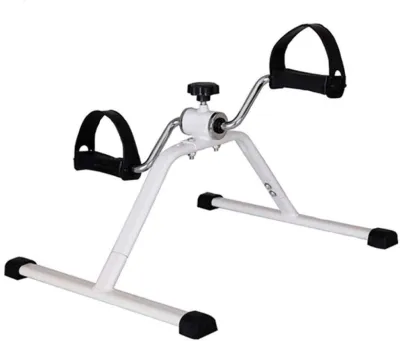
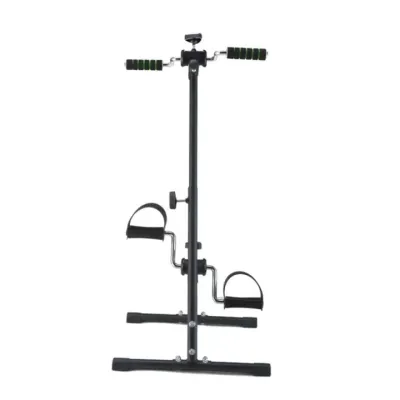
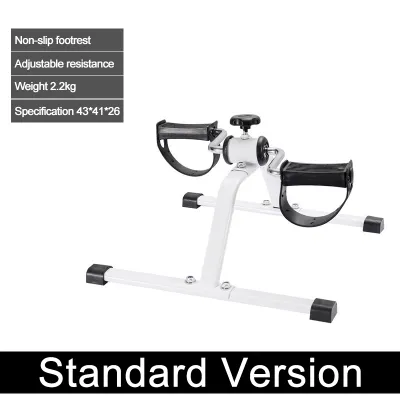
Prices are valid at publication and may change. Please refer to the product page for the latest price.
Measure the logistical pathway into your unit. A stationary bike must travel through your building’s service elevator, down narrow hallways, and through your front door frame. Verify these entryways before ordering to ensure the delivery team can transport the equipment without damaging walls.
Watch out for vertical and environmental factors. Tall users riding upright or spin bikes will stand up during intense climbs, requiring you to check ceiling height against your height on the pedals. Be mindful of low-hanging light fixtures or ceiling fans. Ensure there is a sufficient ventilation gap around the resistance unit to prevent overheating in enclosed condo layouts.
Comparing Stationary Bike Form Factors for Small Spaces
Selecting the right stationary bike requires comparing physical footprint, storage flexibility, and primary use cases. Each form factor has specific trade-offs, meaning that gains in space-saving design often come at the expense of structural weight and high-speed stability.

For condo dwellers, the decision usually comes down to whether you can dedicate a permanent spot for your fitness routine or if you need the floor space for daily living activities when you are not exercising. Balancing these priorities ensures you do not end up with an unused, bulky obstacle.
Foldable and Compact Upright Bikes
Foldable and compact upright bikes are designed specifically for highly restricted living spaces. These models feature an X-frame design that allows the machine to fold inward, reducing its floor footprint by up to half when stored. Integrated transport wheels make it easy to roll the unit into a closet or behind a sofa after your session.
However, this extreme portability comes with structural compromises. To remain lightweight and foldable, these bikes use thinner steel tubing and smaller stabilizer feet, which limits their maximum weight capacity and overall stability. Attempting high-speed sprints or standing up on the pedals will likely cause noticeable frame wobble.
This makes foldable models ideal for casual riders, seniors, or those focusing on low-intensity, steady-state cardio. If your primary goal is to maintain joint mobility or burn moderate calories while watching television, a foldable upright bike provides an excellent, unobtrusive solution.
Spin Bikes and Indoor Cycles
Spin bikes, or indoor cycles, mimic the feel of a road bicycle, featuring a heavy flywheel and a rigid, non-folding frame. Because they do not fold, they require a permanent or semi-permanent dedicated spot in your condo. Despite this fixed nature, their actual footprint is relatively compact, often requiring no more space than a standard yoga mat.
The primary advantage of a spin bike is its exceptional stability and durability. The heavy steel frame and weighted flywheel allow you to perform high-intensity interval training (HIIT), out-of-saddle climbs, and aggressive sprints without any structural flexing or tipping hazards. This robust build quality also translates to a longer lifespan.
The trade-off is the physical weight of the equipment. Spin bikes are heavy and can be difficult to move frequently, even with transport wheels. They are best suited for dedicated fitness enthusiasts in the Philippines who are willing to sacrifice a small, permanent corner of their living room in exchange for a studio-quality workout.
Recumbent Bikes
Recumbent bikes feature a semi-reclined seating position with a bucket seat and backrest, placing the pedals forward rather than directly underneath the rider. While this design offers superior ergonomic support, reduces lower back strain, and provides a highly comfortable, low-impact workout, it is generally the least suitable option for small condos.
The extended frame required to accommodate the forward pedal position results in a significantly larger footprint than upright or spin bikes. A recumbent bike can easily take up twice the floor space of a compact indoor cycle, making it difficult to integrate into a studio or one-bedroom unit without severely disrupting the room’s traffic flow.
If you require a recumbent bike for physical rehabilitation or specific medical comfort, you must carefully plan your layout. Ensure you have a clear room length of at least two meters to accommodate the bike and the necessary mounting clearance. Placing the bike parallel to a wall is often necessary to make this form factor viable.
Balancing Footprint with Workout Quality and Stability
When choosing between a compact, lightweight model and a heavier, fixed machine, you must weigh physical space savings against safety and workout quality. A bike that wobbles or slides across the floor during a workout is not only distracting but can also lead to joint strain or accidental falls.
Before making a purchase, carefully review the manufacturer’s specifications. Pay close attention to the maximum user weight limit and the total weight of the machine. A heavier overall weight and a heavier flywheel generally indicate a more stable ride. Frame materials also matter; powder-coated steel frames offer the best combination of durability and resistance to sweat-induced corrosion.
Additionally, consider the resistance mechanism. Magnetic resistance systems are virtually silent and require less maintenance, making them ideal for close-quarters condo living. Friction resistance systems, while often more affordable, can produce a soft hissing noise and require periodic pad replacement, which might disturb others in a quiet apartment.
In a shared condo building, noise and vibration transfer to your downstairs neighbors is a critical consideration. High-cadence pedaling can send low-frequency vibrations through the floorboards. To mitigate this, always place your stationary bike on a high-density equipment mat. The mat levels out minor floor imperfections, dampens sound, and protects your condo’s flooring from sweat and scratches.
Practical Setup and Storage Solutions for Condo Gyms
Integrating a stationary bike into a multi-purpose condo living area requires some creative spatial planning. To make your workouts more enjoyable, position the bike near a window to take advantage of natural light and cross-ventilation. In the tropical climate of the Philippines, proper airflow is essential to prevent overheating during intense indoor cardio sessions.
If you prefer to keep your fitness equipment out of sight when entertaining guests, use visual zoning techniques. Lightweight room dividers, folding screens, or strategic furniture placement—such as positioning the bike behind a high-backed sofa—can effectively hide the machine without blocking natural light. This keeps your living space feeling relaxed and residential.
Maintaining your equipment is also vital for safety and longevity in a compact space. Establish a simple routine to check the folding hinges, locking pins, and transport wheels weekly. Sweat contains salt, which can quickly corrode metal parts and seize up folding mechanisms in humid environments. Wipe down the frame after every ride and ensure all adjustable knobs are securely tightened.
To protect your indoor air quality, avoid using harsh chemical cleaners in small, unventilated rooms. A simple mixture of mild dish soap and water, or specialized fitness equipment wipes, is sufficient to keep the bike clean and hygienic without releasing strong fumes into your living area.
Frequently Asked Questions (FAQ)
Can I keep a stationary bike on a condo balcony?
Storing or using a stationary bike on an open condo balcony is highly discouraged due to environmental risks. The high humidity, intense tropical sun, and seasonal rains in the Philippines will rapidly degrade electronic consoles, rust steel frames, and ruin magnetic resistance systems. Additionally, you must consult your condominium association’s guidelines, as many properties have strict rules against storing large items on balconies due to safety hazards during high winds and aesthetic uniformity policies.
Do foldable bikes compromise workout intensity?
Yes, foldable bikes generally limit the maximum intensity of your workouts. The central folding joint and lightweight frame are not engineered to withstand the lateral forces generated during standing climbs or high-speed sprints. While they are excellent for moderate cardiovascular exercise and active recovery, users looking for intense interval training or heavy resistance should opt for a non-folding spin bike with a solid, welded frame.
Community discussion
Share your experience or ask a question. Comments are reviewed before publication.