
The Quick Answer: Choosing Wax for Tropical Waters
Surfing in tropical destinations like Siargao requires a specialized tropical surf wax formulated for water temperatures above 24°C (75°F), though some general warm-water formulas can cover temperatures starting from 19°C (65°F). In the Philippines, where coastal waters regularly hover between 27°C and 30°C, standard cool or cold-water waxes will quickly melt into a slick, greasy smear, rendering your board dangerously slippery.
To ensure your traction lasts through long sessions in the lineup, you must use a dual-wax system. This process involves applying a hard, high-melting-point basecoat directly to the clean deck of your board, followed by a dedicated tropical topcoat. Using the wrong formulation carries immediate consequences: cold-water wax liquefies under the tropical sun, while attempting to use tropical wax in cold climates causes the formula to harden excessively, turn brittle, and flake off without providing any grip.
Matching Wax Formulations to Tropical Water Temperatures
Surf wax is not a one-size-fits-all accessory. Manufacturers carefully engineer different formulas by blending paraffin, microcrystalline waxes, natural beeswax, and various tackifying oils. The ratio of these ingredients determines the wax’s melting point and overall hardness, which are categorized into distinct temperature bands on the packaging.
Products mentioned in this guide
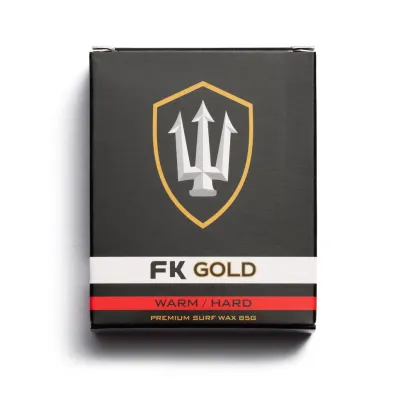
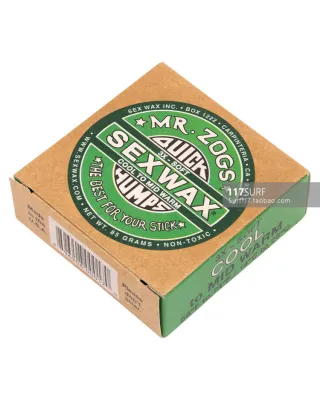
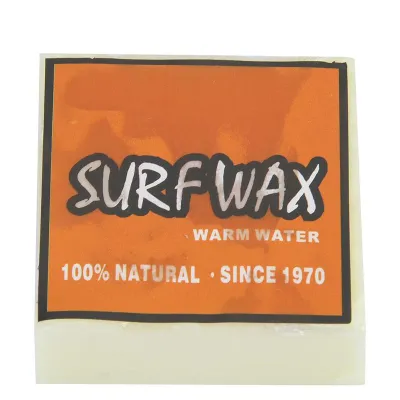
![[COD]ZMONH Surfboard Wax Water Wax for Skimboard Longboard Non Slip Grip Skateboard Wax for Extreme Sports 85g Bar](https://img.lazcdn.com/g/p/2dfcbc665aec48820047c1d27373e1a8.jpg_400x400q80.jpg_.webp)
![[COD] SHPYHT SPORTS Surf Wax 85g for Water Sports Non Slip Surfboard Wax Skateboard Wax Skimboard Protection](https://img.lazcdn.com/g/p/7a9d2f67518423bd1e3b450df68cdc42.jpg_400x400q80.jpg_.webp)
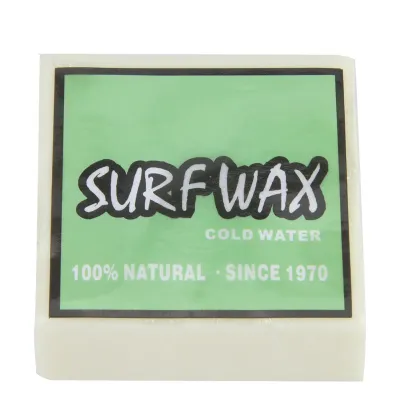
Prices are valid at publication and may change. Please refer to the product page for the latest price.

Understanding these standard temperature ranges is essential for matching your wax to your destination:
- Cold Water Wax: Formulated for water temperatures below 15°C (60°F). It remains soft and sticky in near-freezing water but liquefies almost instantly in warm climates.
- Cool Water Wax: Optimized for water temperatures between 14°C and 20°C (58°F to 68°F).
- Warm Water Wax: Designed for water temperatures between 18°C and 22°C (64°F to 72°F).
- Tropical Water Wax: Specifically engineered for water temperatures above 24°C (75°F), with some heavy-duty formulations rated for water up to 29°C (85°F) and higher.
When surfing in the Philippines, the water temperature dictates that you must look exclusively for labels marked “Tropical” or “Warm/Tropical.” If you apply a cool or cold formulation in a 28°C Siargao lineup, the physical structure of the wax collapses. The excessive heat breaks down the binding agents, causing the wax to migrate across the deck, clog your rash guard, and leave you with zero traction when popping up on a wave.
Before waxing your board, verify the current sea surface temperature of your surf spot. Local marine forecasts and surf reports provide daily water temperature updates. Always cross-reference these real-time measurements with the exact temperature ratings printed on your wax bar to ensure your selected formula can withstand the local conditions.
The Two-Step Waxing System for Maximum Grip
Achieving a long-lasting, high-traction wax job in humid, tropical environments requires a systematic approach. Simply rubbing a single bar of tropical wax onto a bare board will not suffice; the wax will slide off under the shear force of your feet. A reliable grip relies on a two-step application process that pairs a hard foundation with a tacky top layer.
Laying Down the Basecoat
The basecoat serves as the structural anchor for your entire traction setup. Because tropical topcoats are inherently softer to provide stickiness in warm water, they require a highly stable, hard foundation to bond with. A dedicated basecoat wax has an exceptionally high melting point, ensuring it remains rigid and does not slide or smear on the smooth fiberglass or epoxy surface of your surfboard.
To apply the basecoat effectively, start with a completely clean, wax-free deck:
- Draw diagonal lines across the deck from rail to rail, spacing them about two to three centimeters apart.
- Repeat the process in the opposite direction to create a diagonal crosshatch pattern across the entire standing area.
- Using light to medium pressure, rub the basecoat bar in small, tight circular motions over the intersections of your crosshatch lines.
- Continue this motion until distinct, hard, elevated bumps begin to form across the deck.
These hard bumps provide the physical texture that catches the softer topcoat. Because the basecoat is temperature-resistant, it preserves this textured surface even when the board is exposed to warm tropical waters and intense ambient humidity.
Applying the Warm Water Topcoat
Once you have established a uniform grid of hard basecoat bumps, you can apply your warm or tropical water topcoat. The topcoat is formulated to be slightly softer and stickier than the basecoat, providing the actual adhesion between your feet and the board.
To apply the topcoat without ruining your foundation, follow these steps:
- Hold the tropical wax bar lightly and rub it gently over the established basecoat bumps.
- Use broad, circular motions with minimal downward pressure, allowing the topcoat to naturally transfer onto the raised tips of the basecoat.
- Avoid pushing down hard or rubbing back and forth aggressively, as excessive friction generates heat that can flatten your carefully constructed bumps into a slick, uniform sheet.
- Continue until the bumps are covered in a fresh, tacky layer of tropical wax, creating a highly textured, high-grip surface.
Protecting Your Wax from High Heat and Direct Sunlight
In tropical climates like the Philippines, ambient air temperatures and solar radiation present a constant threat to your wax job. Even if the ocean water is a comfortable 28°C, a surfboard left exposed to direct sunlight on the beach can easily reach surface temperatures exceeding 50°C. At these elevated temperatures, even the hardest tropical wax will melt, run, and ruin your traction.
Protecting your wax job requires active preventative habits:
- Seek Shade: Always store your surfboard out of direct sunlight when you are not in the water. Look for shade under palm trees, surf shack roofs, or umbrellas.
- Use Reflective Bags: When transporting your board, use a high-quality day bag featuring a reflective, silver tarpee lining. This material reflects solar radiation and helps keep the internal temperature stable. If a bag is unavailable, cover the waxed deck with a light-colored, damp towel.
- Avoid Hot Vehicles: Never leave your surfboard inside a parked car, van, or tricycle under the sun. The interior temperature of a sealed vehicle in the tropical heat can rise rapidly, completely melting your wax and potentially causing the foam core of your board to delaminate.
Over time, tropical surf wax will inevitably collect sand, dirt, and skin oils, which clogs the textured bumps and reduces grip. When your wax becomes grey, dirty, or flattened, it is time for a complete strip and re-wax.
To clean your board safely:
- Place the board in the sun for two to three minutes to slightly soften the old wax, being careful not to leave it long enough to overheat the board itself.
- Use the straight edge of a plastic wax comb to scrape off the bulk of the softened wax. Avoid metal scrapers or sharp tools, which can easily scratch the fiberglass or puncture the epoxy resin.
- Check your surfboard manufacturer's care instructions before applying any chemical solvents. For a safe finish, wipe down the remaining residue using a specialized, board-safe citrus wax remover or a microfiber cloth.
Choosing Reef-Safe Wax for Tropical Ecosystems
Siargao is home to delicate coral reefs, diverse marine life, and sensitive coastal ecosystems. As surfers, our equipment directly interacts with these environments. Traditional surf waxes are primarily manufactured from paraffin, a petroleum byproduct that does not biodegrade. As you surf, tiny particles of this petroleum-based wax shed from your board, contributing to microplastic pollution and introducing synthetic chemicals into the marine food chain.
To minimize your environmental footprint, consider switching to reef-safe, biodegradable surf waxes. These eco-friendly formulations replace petroleum bases with natural, renewable ingredients:
- Beeswax: Provides a natural, durable structure with an inherently high melting point, making it an excellent base for warm-water waxes.
- Tree Resin and Sap: Act as natural tackifiers, giving the wax its essential stickiness without the need for synthetic chemicals.
- Soy and Coconut Oils: Used to adjust the hardness and consistency of the wax across different temperature ranges.
When shopping for sustainable alternatives, look for certifications or clear ingredient lists indicating that the product is 100% biodegradable and petroleum-free. Keep in mind that natural waxes can sometimes feel slightly different during application; they may require a bit more patience to build up distinct bumps compared to synthetic formulas. Always verify that the natural wax you select is explicitly rated for tropical water temperatures, as organic oils can melt quickly if the formula does not contain a sufficient concentration of natural hardeners like beeswax.
Frequently Asked Questions (FAQ)
Can I use cold water wax if I just apply a thinner layer?
No, applying a thinner layer of cold-water wax will not prevent it from melting in tropical waters. The melting point of surf wax is determined by its chemical composition and oil content, not its thickness. In warm water, any amount of cold-water wax will rapidly liquefy into a slick, greasy film that offers absolutely no traction.
How often should I re-wax my board in warm water?
You should inspect your board’s traction before every session. In warm, sandy environments, wax tends to degrade faster as sand, salt, and sun exposure break down the texture. Plan to perform a complete strip and re-wax every four to six weeks of regular use, or sooner if the bumps flatten out, lose their tackiness, or become heavily contaminated with sand.
Do I need to use a wax comb in tropical conditions?
Yes, a wax comb is a highly useful tool for maintaining grip between full re-waxing sessions. If your tropical wax has flattened slightly or lost its stickiness after a long session, lightly scratching the surface with the serrated edge of a plastic wax comb will rough up the wax, exposing fresh, tacky layers and restoring temporary grip.
Community discussion
Share your experience or ask a question. Comments are reviewed before publication.