
Surfing the world-class waves of Siargao, from the legendary reef breaks of Cloud 9 to the forgiving rollers of Jacking Horse, requires preparation that matches the intense tropical environment. To ensure your wax board setup provides maximum traction, you must use a dedicated tropical surfboard wax. Standard or cool-water waxes formulated for colder climates will liquefy almost instantly under the Philippine sun, leaving you with a dangerously slick surface.
Selecting the correct formula is not just about convenience; it is a fundamental safety measure. A secure grip allows you to commit to drop-ins and maneuvers with confidence, while a melting deck can lead to sudden slips, wiped sessions, or preventable injuries on shallow reefs. However, equipment alone cannot replace ocean safety skills, physical preparation, and respect for local reef-break etiquette. Before paddling out, always assess your ability level against the day’s swell conditions and consult local guides if you are unfamiliar with the break.
Understanding Water Temperature and Wax Ratings
Siargao experiences year-round warm water temperatures, typically hovering between 27°C and 30°C (80°F to 86°F). Combined with high ambient air temperatures that frequently exceed 32°C, the environment places extreme thermal stress on any wax applied to your deck. If your wax cannot withstand these temperatures, it will lose its structural integrity before you even paddle out.
Products mentioned in this guide
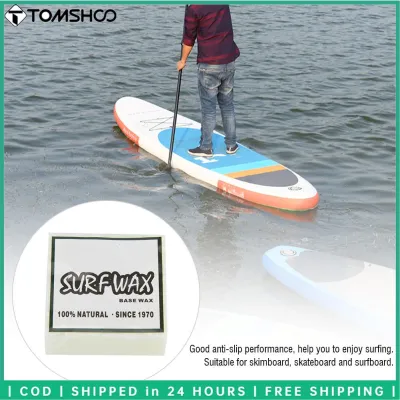

Prices are valid at publication and may change. Please refer to the product page for the latest price.
Surfboard wax manufacturers use specific chemical formulations to create distinct temperature ratings. These categories generally include Cold (below 15°C), Cool (15°C to 20°C), Warm (20°C to 24°C), and Tropical (above 24°C). The primary difference lies in the hardness of the wax; colder formulas are softer to remain sticky in freezing waters, while tropical formulas are highly refined and hardened to resist melting in warm seas.
Using a cool or warm-water wax in Siargao’s tropical climate results in immediate failure. Within minutes of exposure to the sun or the warm ocean water, the soft wax will smear, turn into a greasy film, and rub off onto your rash guard, skin, or board shorts. This not only ruins your traction but also creates a messy cleanup job on your board’s fiberglass or epoxy surface.
In Siargao, many of the premier breaks break over shallow, sharp coral reefs. A sudden slip during your take-off or while navigating a critical section of the wave can result in a severe fall directly onto the reef. Melted wax acts like a lubricant rather than a gripping agent, significantly increasing the likelihood of a wipeout. Ensuring your board is properly waxed with a hard, tropical formula is therefore a critical safety measure that protects both you and your equipment from reef contact.
When shopping for wax, always verify the temperature range printed on the label. For Siargao, look exclusively for formulas explicitly marked “Tropical” or “Extreme Tropic.” These hard waxes maintain their firm, bumpy texture even when exposed to the intense heat of the Philippine sun, ensuring your feet stay locked in place during critical turns.
Basecoat vs. Topcoat: Building a Wax Board Setup That Lasts
To achieve a durable grip that resists the tropical heat, you must employ a two-step waxing system consisting of a basecoat and a topcoat. Applying a single layer of tropical topcoat directly to a bare board is a common mistake that leads to premature peeling. The basecoat acts as an anchor, bonding directly to the slick board surface and providing a stable foundation.

The basecoat is made from the hardest wax formula available, often rated for temperatures well above standard tropical wax. Its sole purpose is to create permanent, hard bumps on the deck of your board. Because of its high melting point, the basecoat will not slide or smear under the pressure of your feet, even during long, hot sessions in the midday sun.
The topcoat is a slightly softer, stickier wax designed to adhere to the hard bumps created by the basecoat. While still a tropical formula, it provides the necessary tackiness that grips your skin, booties, or wax-comb patterns. Without the underlying basecoat bumps, the topcoat has nothing to hold onto and will quickly rub away down to the bare fiberglass.
The physical bond between surfboard wax and the board’s surface depends heavily on temperature stability. When you apply a hard basecoat, the friction of application warms the wax just enough to adhere to the microscopic texture of the fiberglass or epoxy resin. Once it cools, it solidifies into a rigid structure that resists lateral forces. If you attempt to apply a softer topcoat directly to the bare board, the lateral pressure of your feet during a turn will easily shear the soft wax off the slick resin, exposing the bare deck underneath.
When purchasing your supplies, check the product labels to ensure you are buying a dedicated hard basecoat alongside your tropical topcoat. Many brands sell these as distinct products, while others recommend using their hardest tropical formula as a basecoat under a slightly softer warm-water topcoat. A bar of high-quality tropical wax or basecoat in local Siargao surf shops typically costs around ₱150 to ₱300, making it a highly affordable investment in your safety and performance. Always follow the manufacturer’s specific pairing recommendations for the best results.
Step-by-Step Guide to Waxing Your Board in the Heat
Proper application in a hot environment requires patience and a systematic approach to prevent the wax from softening during the process.
Preparation
Before applying any new wax, you must completely strip the old layer to expose the clean deck. Let your board sit in the sun for no more than three to five minutes to soften the old wax, then immediately move it to the shade. Use a plastic wax scraper to peel away the softened wax, taking care not to scratch the board’s finish. Wipe down the deck with a safe, manufacturer-approved wax remover or a microfiber cloth to remove any remaining oily residue. Always consult your board manufacturer’s care instructions before applying chemical solvents, as some epoxy resins can be sensitive to harsh chemicals.
When preparing your board, inspect the deck for any minor cracks or dings that may have been hidden under the old wax. Applying wax over an open ding can trap water inside the foam core, leading to delamination and severe water damage over time. If you discover any damage, ensure it is professionally repaired or sealed with a watertight ding repair kit before applying your new basecoat.
Environment Selection
Never attempt to wax your surfboard in direct sunlight or on hot sand. The radiant heat will melt the wax as you try to apply it, preventing the formation of distinct bumps. Instead, find a cool, shaded area, an air-conditioned room, or perform the task during the cooler hours of the early morning or late evening. Ensure the board’s surface is completely dry and cool to the touch before starting.
Basecoat Application
Hold the basecoat block at an angle and apply it to the deck using firm, consistent pressure. Start by drawing diagonal lines across the board from rail to rail, creating a cross-hatch or diamond pattern. Once the grid is established, rub the wax in small, tight circular motions over the intersections. This technique will naturally build up firm, distinct bumps across your standing area. Continue until you have a uniform field of hard, white bumps.
Topcoat Application
Once your basecoat foundation is secure, lightly apply your tropical topcoat over the bumps. Use very light pressure and long, sweeping strokes across the deck. Pressing too hard will crush and flatten the hard basecoat bumps you just created, ruining the texture. The goal is to deposit a thin, sticky layer of topcoat on top of each individual bump, maximizing both grip and durability.
Maintaining Your Wax Job in a Tropical Climate
The intense heat and humidity of the Philippines require proactive maintenance to keep your wax job functional throughout your trip.
Sun Protection
Leaving your waxed board exposed to direct sunlight on the beach or inside a parked vehicle is the fastest way to ruin your hard work. Within minutes, the wax will melt into a flat puddle, requiring a complete strip and re-wax. Always store your board in a high-quality, reflective day bag or board sock when not in water. If a bag is unavailable, place the board deck-side down in deep shade, ensuring the wax does not contact hot sand or debris.
Routine Upkeep
Between surf sessions, your topcoat will gradually flatten and lose its stickiness due to pressure and contact with your body. Use the serrated edge of a plastic wax comb to lightly scratch diagonal lines across the existing wax. This process, known as cross-hatching, roughs up the flattened surface and exposes fresh, sticky wax underneath. Before paddling out for your next session, apply a very light dusting of fresh tropical topcoat to restore maximum grip.
End-of-Trip Care
If you plan to store your board in the Philippines for an extended period or pack it for a flight, it is best practice to completely strip the wax. Leaving wax on a board during long-term storage in humid conditions can trap moisture, attract dirt, and make it difficult to inspect the fiberglass for structural damage or micro-cracks. Clean the board thoroughly, dry it completely, and store it in a cool, dry place out of direct sunlight.
Frequently Asked Questions (FAQ)
Can I use cold or cool water wax in Siargao if I apply a thinner layer?
No, adjusting the thickness of the layer will not prevent cold or cool water wax from melting. Wax temperature ratings are determined by the chemical melting point of the formula, not the volume applied. A thin layer of cool wax will still liquefy instantly in Siargao’s warm waters, turning into a slippery, greasy film that offers zero traction and ruins your session.
How often should I re-wax my board when surfing daily in the Philippines?
If you are surfing daily, you do not need to perform a full strip-and-reapply every day. A solid basecoat can last several weeks if protected from direct heat. Instead, simply use a wax comb to roughen the surface before each session and add a light topcoat refresh every two to three days to maintain optimal stickiness. Perform a full strip only when the wax becomes dirty, grey, or excessively flattened.
Are eco-friendly or organic surfboard waxes effective in warm water?
Yes, many modern eco-friendly waxes made from natural ingredients like beeswax, soy, and coconut oil perform exceptionally well in tropical conditions. However, natural formulas can have slightly different melting behaviors than traditional paraffin-based waxes. Always check the packaging to verify that the organic wax is specifically rated for tropical water temperatures (above 24°C) before applying it to your board.
Community discussion
Share your experience or ask a question. Comments are reviewed before publication.