
Selecting the right swimming ear plugs is essential for protecting your ears from water entry, especially when swimming in warm, humid tropical environments where trapped moisture can quickly lead to discomfort or irritation. For most adult swimmers, the choice comes down to three primary categories: silicone, foam, and custom-molded ear plugs. Each material offers distinct advantages in terms of fit, water exclusion, and durability, meaning the right choice depends heavily on your ear anatomy and how often you hit the water.
To find the perfect pair, you must balance comfort, ease of use, and the reliability of the seal. While some swimmers only need basic protection for occasional pool dips, others require a highly secure, watertight barrier for intense training or open-water swimming. Understanding how these materials behave in aquatic environments will help you make an informed decision that keeps your ears dry and comfortable.
Identify Your Swimming Needs and Ear Anatomy
Before comparing materials, assess your typical swimming environment and frequency. If you primarily swim in chlorinated local pools, fitness center lap lanes, or the warm coastal waters of the Philippines, your ears are exposed to different levels of moisture, salt, and organic matter. Frequent swimmers who train multiple times a week need highly durable, reusable plugs that can withstand constant exposure to water treatment chemicals or saltwater without degrading.
Products mentioned in this guide
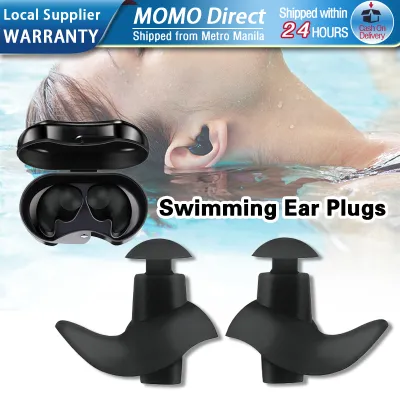
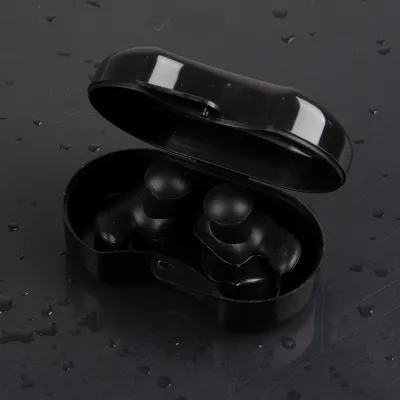
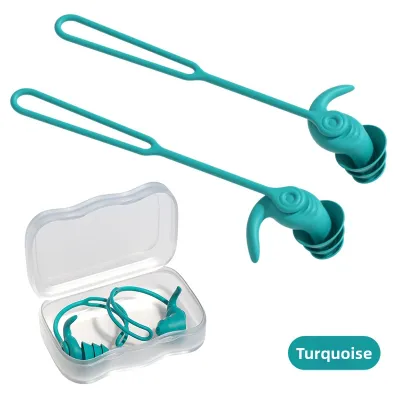
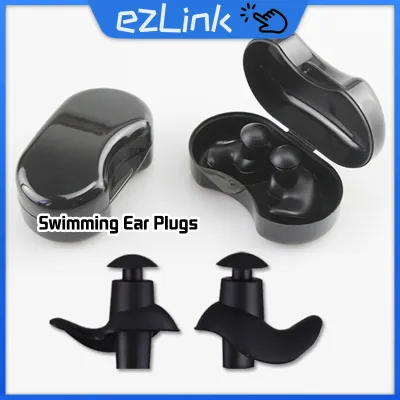
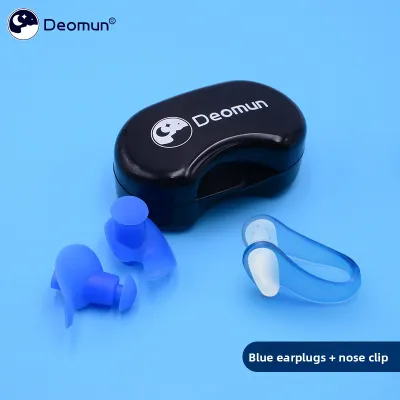
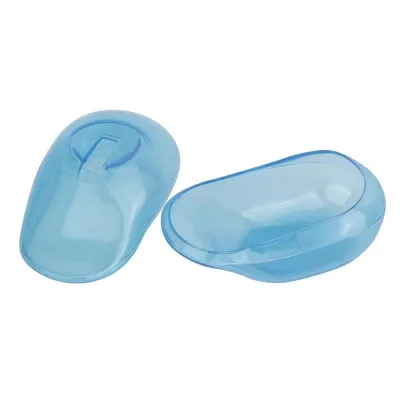
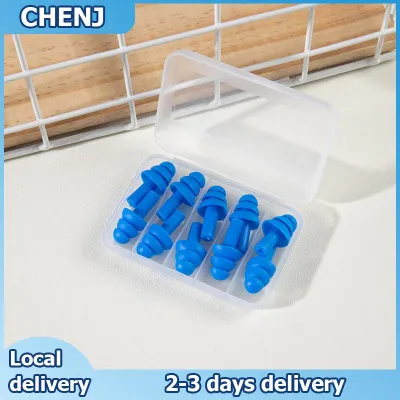
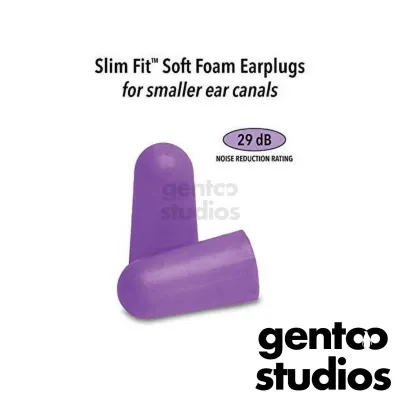
Prices are valid at publication and may change. Please refer to the product page for the latest price.
Personal ear sensitivity and medical history also play a major role in your selection. Individuals who are highly susceptible to outer ear infections, commonly known as swimmer’s ear, must prioritize a highly reliable, watertight seal to prevent even minor water droplets from entering the canal. In humid climates, moisture trapped in the ear canal evaporates slowly, creating an ideal environment for bacterial growth, which makes effective water exclusion even more critical.
Finally, consider the unique shape and size of your ear canals. Ear anatomy varies significantly among adults; some people have narrow, highly curved canals, while others have wider openings. A plug that feels comfortable and secure for one swimmer might cause pressure points or slip out constantly for another. Identifying whether you prefer a plug that sits entirely outside the canal opening or one that inserts directly into it is the first step in narrowing down your options.
Silicone Ear Plugs: Versatility and Comfort
Silicone is the most popular and widely available material for swimming ear plugs, offering an excellent balance of comfort, water resistance, and affordability. These plugs generally fall into two design categories: pre-molded flanged plugs and moldable silicone putty. Pre-molded flanged plugs feature a central stem surrounded by multiple flexible, nested ridges that insert into the ear canal, creating a series of physical barriers against water entry.

Moldable silicone putty, by contrast, consists of soft, pliable silicone pieces that you roll into a ball and flatten over the external opening of the ear canal. This design seals the entrance of the ear without entering the canal itself, making it an exceptional choice for swimmers who find in-canal plugs uncomfortable or irritating. When shopping for silicone options, always check the manufacturer’s packaging to verify they are explicitly rated for swimming and water sports, as some silicone plugs are designed solely for noise reduction.
Silicone is highly durable, resists chemical degradation from pool chlorine, and is easy to clean with mild soap and water. Because moldable putty sits flush against the outer ear, it rarely interferes with tight-fitting swim caps or goggle straps. Flanged silicone plugs, however, have protruding stems that can sometimes be pressed painfully into the ear canal if a tight swim cap is pulled down over them, so active swimmers should test how their plugs interact with their overall gear setup.
Foam Ear Plugs: Assessing Water Resistance Limitations
Standard foam ear plugs, which are widely available in local pharmacies and online marketplaces, are generally designed for sleeping, studying, or hearing protection in noisy environments. These plugs are typically made from open-cell polyurethane or PVC foam, which is highly porous. This open-cell structure is excellent for absorbing sound waves, but it acts exactly like a sponge when it comes into contact with water.
Using untreated foam ear plugs for swimming carries a high risk of water absorption. Once the foam absorbs water, it expands inside the ear canal and traps that warm moisture directly against the delicate skin of the inner ear. In warm, humid tropical climates, this trapped moisture can rapidly lead to skin maceration and create a breeding ground for bacteria. Consequently, standard sleeping foam plugs should never be used for swimming or water activities.
While there are specialized foam ear plugs on the market that feature a waterproof coating or are constructed from closed-cell foam designed to repel water, these are highly specific products. Before purchasing any foam plug for aquatic use, you must verify that the label explicitly states it is rated and treated for water exposure. If the packaging does not clearly certify water resistance, assume the product is unsuitable for the pool.
Custom-Molded Ear Plugs: The Professional Choice
For dedicated swimmers, competitive athletes, or individuals with specific medical recommendations to keep their ears completely dry, custom-molded ear plugs represent the premium tier of protection. Obtaining these plugs requires a professional fitting process, typically starting with a visit to an audiologist or hearing care specialist. The professional injects a quick-curing, medical-grade silicone impression material into your outer ear and canal to capture your exact anatomical shape.
These physical impressions are then sent to a specialized laboratory where the final ear plugs are fabricated. Swimmers can often choose between soft, flexible medical-grade silicone or hard, durable acrylic materials depending on their comfort preferences. Because they are crafted to match the precise contours of your individual ear anatomy, custom-molded plugs provide an exceptionally secure, watertight seal that remains stable even during vigorous swimming, flip turns, or diving.
Although custom-molded plugs require a higher upfront investment in ₱ compared to over-the-counter options, they offer outstanding long-term value. With proper care, a single pair of custom silicone plugs can last for several years, making them highly cost-effective for daily lap swimmers. They eliminate the trial-and-error process of finding a comfortable fit and provide peace of mind for those who must avoid water entry due to past ear surgeries or chronic infections.
Decision Framework: Which Type Should You Choose?
To select the right ear plugs for your swimming routine, apply a structured decision framework based on your swim frequency, budget, and comfort preferences. If you are a casual swimmer or swim a few times a week, high-quality silicone plugs are usually the most practical and cost-effective choice. If you swim daily or have unique ear shapes that standard plugs cannot seal, investing in custom-molded plugs is highly recommended.
| Plug Type | Fit Mechanism | Water Seal Level | Maintenance Level | Ideal User Profile |
|---|---|---|---|---|
| Moldable Silicone Putty | Flattens over the outer ear opening | Moderate to High | Low (Replace frequently) | Casual swimmers, sensitive ear canals |
| Pre-Molded Flanged Silicone | Inserts into the canal with flexible ridges | High | Medium (Wash after use) | Regular lap swimmers, fitness enthusiasts |
| Custom-Molded Silicone | Exact anatomical replica of your ear | Maximum | Medium (Wash and dry thoroughly) | Daily swimmers, competitive athletes, medical needs |
| Water-Rated Foam | Expands in canal (must have waterproof coating) | Moderate | Low (Usually single-use) | Occasional swimmers preferring foam texture |
Always prioritize safety and comfort when selecting your gear. If you experience persistent ear pain, fluid drainage, itching, or have a history of a perforated eardrum, stop using over-the-counter ear plugs immediately. In these situations, you should consult an ear, nose, and throat (ENT) specialist or an audiologist to obtain professional guidance and a customized protection plan before returning to the water.
Fitting, Care, and Replacement Guidelines
Proper insertion is critical to achieving a watertight seal and preventing ear canal irritation. For pre-molded flanged silicone plugs, reach over your head with your opposite hand and gently pull the top of your ear upward and backward to straighten the ear canal, then insert the plug gently until you feel a secure seal. For moldable silicone putty, ensure your hands and outer ear are completely dry, roll the putty into a ball, place it over the ear opening, and press firmly to create a flat seal; never push the putty directly into the ear canal itself as it can become difficult to remove.
Maintaining proper hygiene is essential for preventing bacterial growth, especially in humid tropical climates. Wash reusable silicone and custom-molded plugs after every swim using mild, unscented soap and clean, fresh water to remove chlorine, salt, sand, and body oils. Allow them to dry completely in a well-ventilated area before storing them in their protective case; storing damp plugs in a sealed plastic container can encourage mold and mildew to develop on the material.
Regularly inspect your ear plugs for visible signs of wear and tear to ensure they remain safe to use. Replace moldable silicone putty as soon as it loses its tackiness, becomes dirty, or begins to crumble or break apart. For flanged silicone and custom-molded plugs, look for physical degradation such as cracking, stiffness, discoloration, or a loss of elasticity, which indicates that the material can no longer form a reliable, watertight seal.
Frequently Asked Questions (FAQ)
Can I use regular sleeping ear plugs for swimming?
No, you should not use standard sleeping ear plugs for swimming. Most sleeping plugs are made from open-cell foam designed to absorb sound, which means they will absorb water like a sponge, expand inside your ear canal, and trap moisture against your eardrum. This trapped water can irritate the skin and increase the risk of outer ear infections. Only use ear plugs that are explicitly rated and designed for swimming and water sports.
Do swimming ear plugs completely prevent swimmer's ear?
While high-quality swimming ear plugs significantly reduce the risk of swimmer’s ear by blocking the bulk of water entry, they do not offer a absolute guarantee of prevention. Micro-droplets of water can still occasionally bypass the seal during vigorous movement. To maximize protection, always dry your outer ears gently with a clean towel after swimming, and consider using specialty drying drops if recommended by your doctor.
How do I know if my ear plugs are sealing properly?
You can verify the seal of your ear plugs through a simple physical check before entering the water. Once inserted correctly, ambient sounds should become noticeably muffled, and your own voice will sound deeper or hollower when you speak. Additionally, a properly sealed plug should feel secure and comfortable; if you gently tug on the stem or outer edge, you should feel a slight resistance or suction effect, indicating a watertight barrier has been established.
Community discussion
Share your experience or ask a question. Comments are reviewed before publication.