
Selecting the right tent for business operations requires balancing portability, structural integrity, and professional presentation. Unlike recreational camping, commercial use demands structures that can withstand frequent handling, provide clear access for customers, and remain stable under varying weather conditions. The ideal choice depends on your specific business model: high-mobility retail operations thrive with rapid-setup pop-up canopies, semi-permanent field offices require heavy-duty frame structures, and large-scale corporate events demand modular commercial frame tents.
Quick Guide: Matching Tent Types to Business Needs
To help you quickly identify the correct structure for your business, consider how often you will move the tent, how long it will remain standing, and the typical weather conditions of your location. In tropical climates like the Philippines, sudden downpours and high humidity make fabric durability and water resistance critical factors.
| Tent Type | Ideal Business Scenario | Setup Frequency | Weather Exposure Limit |
|---|---|---|---|
| Pop-Up Canopy | Weekend markets, food stalls, temporary retail | High (daily or weekly) | Light rain and mild winds |
| Commercial Frame | Large outdoor exhibitions, semi-permanent dining | Low (seasonal or monthly) | Moderate to heavy rain, moderate winds |
| Dome / Specialty | Experiential marketing, glamping offices, brand activations | Medium (event-based) | Moderate winds, light to moderate rain |
Key decision triggers center on your operational timeline. If your business setup changes locations daily, a lightweight pop-up canopy is essential. However, if your structure must remain in place for several weeks as a mobile office or information kiosk, a heavy-duty commercial frame tent provides the necessary structural security.
Products mentioned in this guide
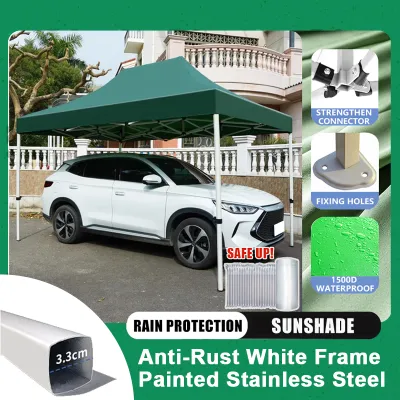
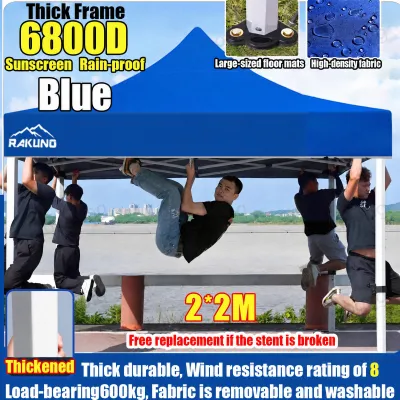
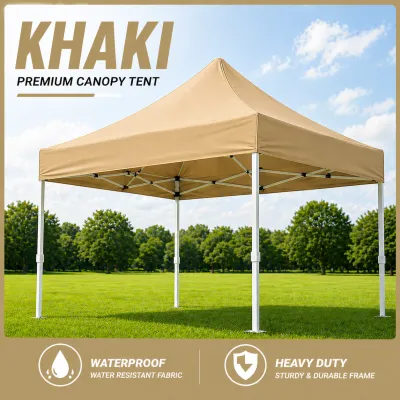
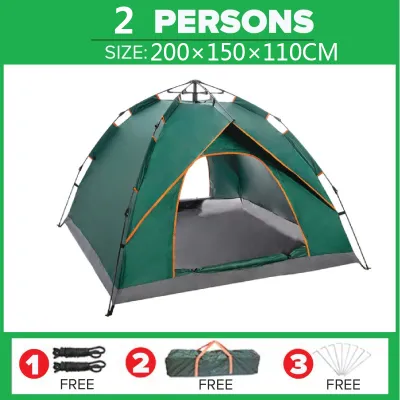
Prices are valid at publication and may change. Please refer to the product page for the latest price.
Understanding Commercial Tent Structures and Features
Commercial tents are engineered with distinct structural designs to serve different operational goals. Understanding these differences allows you to evaluate which frame and fabric specifications align with your business requirements.

Popup and Canopy Tents Pop-up canopies feature an integrated, accordion-style frame that expands outward without requiring individual pole assembly. This design allows one or two people to complete the setup within minutes. These tents are highly portable and fit easily into standard vehicle trunks, making them the standard choice for mobile vendors. However, their lightweight frames and multiple moving joints mean they are less suited for long-term, unattended installation or severe weather.
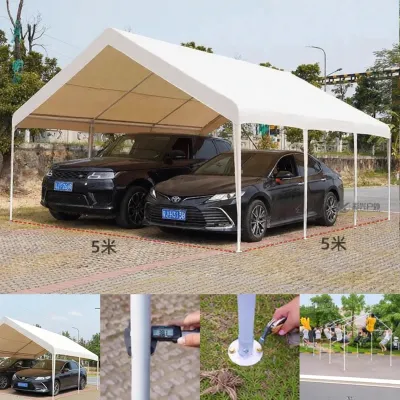
Commercial Frame Tents Commercial frame tents utilize heavy-duty, rigid poles—typically made of thick-walled aluminum or galvanized steel—connected by heavy corner fittings. They do not have a center pole, leaving the interior space completely unobstructed for displays, seating, or equipment. These structures are modular, allowing businesses to connect multiple units to expand the footprint. Because they require manual assembly of the frame and tensioning of the fabric, they are best suited for multi-day events or semi-permanent installations.
Dome and Specialty Tents Dome and geodesic specialty tents offer an aerodynamic profile that naturally sheds wind and rain. Their unique visual appeal makes them popular for experiential marketing, VIP lounges, or high-end outdoor exhibitions. While they provide excellent interior headroom and structural stability, their curved walls can limit vertical merchandising space along the perimeter compared to straight-legged square canopies.
Verification Checklist for Commercial Quality Before purchasing, verify the following specifications on the manufacturer’s product label:
- Frame Material: Look for anodized aluminum (lightweight and rust-resistant) or powder-coated steel (heavy and highly durable).
- Joint Reinforcements: Ensure the bracket connections are made of high-strength nylon or cast metal rather than thin plastic.
- Fabric Denier: Check the denier rating of the canopy fabric; commercial-grade tents typically feature polyester or vinyl fabrics rated at 500D or higher to resist tearing and water penetration.
Selecting the Right Tent for Specific Business Scenarios
Every business application introduces unique operational challenges, from space constraints in crowded markets to climate control needs in field offices.
Vendor Stalls and Pop-Up Retail
For retail vendors, the tent serves as both shelter and a visual storefront. In busy public markets or street festivals, space is highly regulated, often restricted to a standard 3×3 meter footprint. Your tent must deploy rapidly to meet strict event setup schedules and pack down compactly to fit alongside your inventory.
- Weight Limits and Transport: Verify that the packed tent can be carried by your staff or rolled on a heavy-duty cart.
- Anchoring on Paved Surfaces: Ensure the tent frame is compatible with leg weights or sandbags, as many urban market sites prohibit driving stakes into the ground.
- Visual Merchandising: Look for models that support half-wall attachments, which allow you to display products at the front while keeping inventory secure and shaded at the back.
Mobile Offices and Field Operations
When a tent serves as a mobile office, information center, or construction field headquarters, the focus shifts to occupant comfort and equipment protection over multi-day periods.
- Climate Control Compatibility: In hot, humid tropical climates, look for tents with fully closable sidewalls and dedicated ports for air conditioning ducts or ventilation fans.
- Power and Connectivity: Verify the presence of zippered power cord pass-through ports to safely run electricity for laptops, printers, and lighting without leaving doors open to insects or rain.
- Structural Stability: Choose heavy-duty frame structures that can remain anchored safely for weeks at a time, reducing the need for daily teardowns.
Outdoor Events and Exhibitions
Large-scale corporate events, product launches, and outdoor exhibitions require structures that prioritize high guest capacity, safety, and polished aesthetics.
- Crowd Flow and Layout: Ensure the tent design allows for wide entryways and high clearance to prevent bottlenecks as guests enter and exit.
- Lighting and Rigging: Verify the load-bearing capacity of the overhead frame if you plan to hang professional lighting, banners, or sound equipment.
- Modular Connectivity: Select tents designed with gutter systems that allow multiple units to be joined seamlessly, preventing rainwater from dripping between connected structures.
Operational and Site Requirements to Verify Before Purchase
A tent’s performance depends heavily on how well it integrates with the physical installation site and local environmental conditions.
Site Surface Analysis Before deploying any commercial tent, analyze the ground surface of your venue. Grass or soil allows for the use of heavy-duty steel stakes, which provide the most secure anchoring against wind uplift. Concrete, asphalt, or delicate wooden decking require non-destructive anchoring methods. For these hard surfaces, you must use weighted ballasts, such as specialized concrete blocks, water jugs, or sandbags, secured tightly to each leg of the frame.
Weather Preparedness Tropical weather can transition rapidly from intense sun to sudden downpours. Review the manufacturer’s specifications for water column ratings to ensure the fabric can withstand heavy rain without leaking. While high-end commercial tents are engineered to resist moderate wind gusts, no temporary fabric structure is designed to withstand typhoons or extreme weather. Always establish a clear operational protocol to dismantle and store your tent safely if local weather advisories warn of severe storms.
Regulatory Compliance Operating a business structure in public or commercial spaces often requires official approval. In the Philippines, you should consult your local barangay office or city hall regarding permits for temporary commercial structures. Some venues or local government units require proof of fire-retardant fabric certification or structural safety compliance before allowing a tent to be erected for public events. Budgeting for potential permit fees required by the local government unit should be part of your operational planning.
Logistics and Storage Consider the physical logistics of moving your equipment. Measure your transport vehicle’s cargo area to confirm the folded tent frame fits without blocking visibility. Additionally, evaluate the crew size required for safe deployment; while a small pop-up can be managed by two people, large commercial frame tents often require a team of several trained individuals to lift and secure the heavy components safely.
Cross-Scenario Compatibility and Long-Term Maintenance
Maximizing the return on your tent investment involves selecting versatile equipment and maintaining it diligently to prevent premature wear.
Evaluating Modular Add-Ons A single high-quality tent frame can adapt to various business needs through modular accessories. Removable sidewalls can transform an open-air vendor stall into a fully enclosed, secure overnight storage space or a private mobile office. Adding heavy-duty flooring tiles protects guests from muddy ground, while integrated gutter systems allow you to link multiple tents together as your business footprint grows.
Routine Inspection Checklist To ensure operational safety, perform a regular inspection of your tent components:
- Frame Joints: Check for bent metal, loose bolts, or cracked plastic connectors.
- Fabric Tension: Inspect the canopy for sagging areas where water could pool during rain.
- UV Degradation: Look for fading, thinning, or brittle spots in the fabric caused by prolonged exposure to intense tropical sunlight.
Cleaning, Drying, and Storage Protocols Never pack away a wet or damp tent. In humid environments, storing damp fabric leads to rapid mold and mildew growth, which degrades the water-resistant coatings and ruins the professional appearance of your brand. After use in wet conditions, set up the tent in a dry, shaded area until the fabric is completely dry. Clean dirt and stains using a soft brush, mild soap, and lukewarm water; avoid harsh chemical detergents or high-pressure washers that can strip away protective fabric coatings.
Frequently Asked Questions (FAQ)
Can I use a standard camping dome tent for a small business vendor stall?
Standard camping dome tents are not recommended for commercial vendor stalls. They lack the vertical clearance and open-front design required for professional product displays and comfortable customer interactions. Additionally, their low entryways force customers to bend down, creating an uninviting retail experience, whereas commercial canopy tents provide high, open head clearance and a professional, inviting storefront.
How do I secure a commercial tent on a concrete surface where stakes cannot be used?
To secure a commercial tent on concrete, you must use heavy, non-destructive ballasts attached directly to the frame legs. Common options include manufacturer-approved rubber weight plates, sandbags, or water-filled barrels. Always consult the tent manufacturer’s guidelines to determine the exact weight required per leg to keep the specific frame model stable under local wind conditions.
What maintenance steps are required after using a commercial tent in heavy rain?
After exposure to heavy rain, immediately inspect the canopy for any water pooling and gently push it off to prevent fabric stretching. Once the event is over, set up the tent in a well-ventilated area to dry completely before folding it. Wipe down the metal frame joints with a dry cloth to prevent rust, and store the dry fabric in a cool, dry place away from direct sunlight to prevent mold.
Community discussion
Share your experience or ask a question. Comments are reviewed before publication.