
Camping in the Philippines presents a unique environmental paradox: you must shield yourself from sudden, torrential downpours while simultaneously facilitating maximum airflow to combat stifling tropical humidity. A tent designed for dry, temperate climates will quickly turn into a suffocating sauna or a waterlogged trap under local conditions. To stay comfortable and safe on your outdoor adventures, you need to look beyond generic gear reviews and focus on specific design elements—such as high-clearance rainflies, extensive mesh paneling, and robust waterproofing specifications—tailored to the demands of a tropical climate.
Understanding the Tropical Camping Environment
The Philippine climate is characterized by high temperatures, high humidity, and distinct wet and dry seasons, though sudden rain can occur at any time of year. During the dry season, coastal campsites and mountain ridges can experience intense heat during the day, requiring tents that maximize shade and cross-ventilation. Conversely, the wet season brings prolonged monsoon rains and severe tropical storms that test the structural limits of any shelter.
High ambient humidity significantly impacts how your gear performs. When the air is already saturated with moisture, sweat and breath condensation inside the tent cannot evaporate easily, leading to damp sleeping bags and a clammy interior. Furthermore, persistent moisture accelerates the degradation of tent fabrics and coatings if the gear is not managed correctly.
Products mentioned in this guide
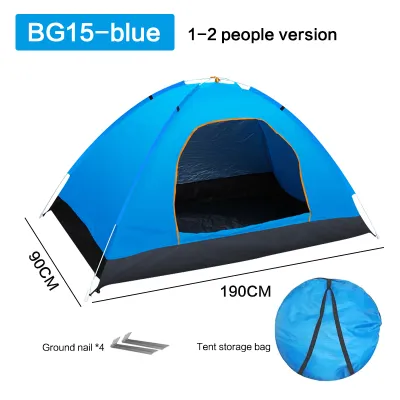

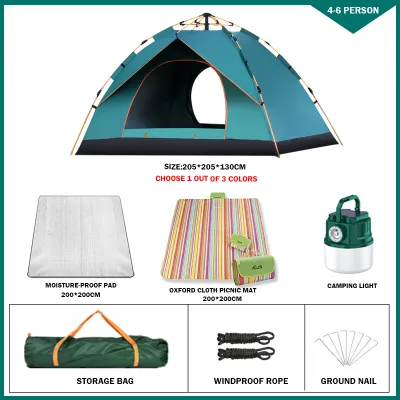
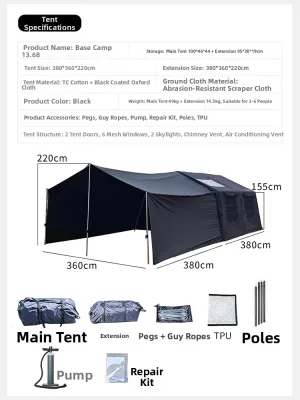
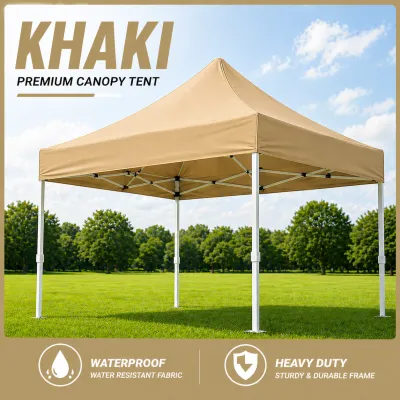
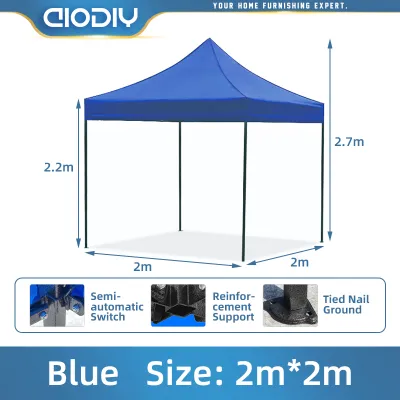
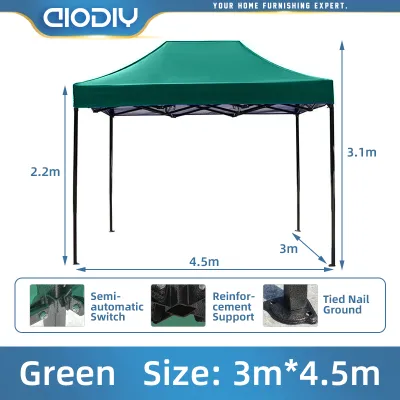
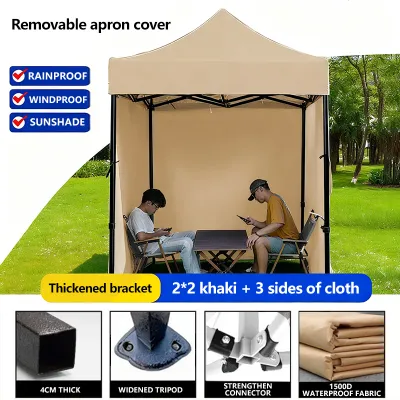
Prices are valid at publication and may change. Please refer to the product page for the latest price.
Terrain and elevation also dictate your gear requirements. Pitching a tent on a sandy beach in Anawangin Cove requires different stakes and wind resistance than setting up camp on the chilly, wind-swept ridges of Mount Pulag. Understanding your specific destination’s elevation, typical wind patterns, and ground composition is the first step in selecting a compatible shelter.
Essential Tent Features for High Humidity and Heat
Standard three-season tents designed for temperate climates often prioritize warmth retention, featuring solid fabric walls with minimal mesh. In tropical environments, this design traps body heat and exhaled moisture, creating an uncomfortable sleeping space. Selecting a tent for tropical camping requires a deliberate shift toward structures that balance reliable weather protection with aggressive ventilation.

Ventilation and Airflow Design
The inner tent body should feature a high ratio of breathable mesh to solid fabric. Look for designs where the upper half or even the entirety of the inner canopy is constructed from fine, no-see-um mesh. This lightweight fabric keeps out tiny biting insects, such as sandflies and mosquitoes, while allowing the slightest breeze to pass through the sleeping area.
A dual-door layout is highly advantageous for tropical camping. Having doors on opposite sides of the tent allows for true cross-ventilation, letting air flow directly through the shelter rather than swirling and stagnating inside. Dual-vestibule designs also provide covered exterior storage on both sides, keeping muddy boots and wet packs out of the sleeping area without blocking the doorways.
Roof vents on the rainfly are essential for expelling hot, rising air. As you sleep, your body heat warms the air inside the tent, which naturally rises. If the rainfly lacks high vents, this warm, moist air becomes trapped at the ceiling, where it condenses against the cold fabric. Look for rainflies with stiffened, prop-open vents that can remain open even during a downpour.
Moisture Management and Condensation Control
Managing condensation in a humid environment relies heavily on the physical separation between the inner tent and the outer rainfly. A generous air gap—typically at least several inches—must be maintained between these two layers. If the rainfly sags and touches the inner mesh or fabric, condensation will transfer directly into your living space, dampening your gear.
Adjustable guy-out points are critical for maintaining this tension and clearance. When pitching your tent, use the guylines to pull the rainfly tautly away from the inner tent body. This tensioning not only stabilizes the structure against wind but also creates a chimney effect, drawing cool air up from the bottom edge of the fly and expelling warm, moist air through the top vents.
Interior organization also plays a role in moisture control. Look for tents equipped with elevated gear lofts, overhead pockets, or wall-mounted sleeves. Keeping your clothing, electronics, and sleeping gear off the tent floor and away from the perimeter walls prevents them from absorbing any moisture that might collect on the fabric surfaces during a humid night.
Rainfly and Waterproofing Standards for Heavy Downpours
Tropical downpours in the Philippines can be incredibly intense, dumping large volumes of water in a matter of minutes. To survive these storms without water ingress, your tent must feature a highly waterproof rainfly and a robust floor construction. Understanding how to read and verify these specifications is key to choosing a reliable shelter.
Evaluating Rainfly Coverage and Materials
A full-coverage rainfly is non-negotiable for tropical camping. The fly should extend almost completely to the ground, shielding the inner tent body from wind-driven, horizontal rain. However, it must do so without completely sealing off the bottom perimeter; look for designs that maintain a slight gap at the bottom to allow fresh air to enter the ventilation system.
When evaluating materials, check the manufacturer’s stated hydrostatic head rating, which is measured in millimeters. This rating indicates the amount of water pressure the fabric can withstand before leaking. For tropical downpours, look for a rainfly with a rating of at least 1,500mm to 2,000mm. Be sure to verify these specifications on the product label or official documentation, as actual performance depends on the quality of the polyurethane or silicone coating.
The exterior of the rainfly should be treated with a Durable Water Repellent (DWR) coating, which causes rainwater to bead up and roll off the fabric. Over time, exposure to intense tropical UV rays, dirt, and friction will degrade this coating. Plan to inspect the water-beading performance before every major trip and reapply a spray-on DWR treatment as part of your regular maintenance cycle.
Seam Construction and Floor Waterproofing
Even the most waterproof fabric will leak if the seams are not properly sealed. Inspect the interior of the rainfly and the tent floor to confirm the presence of factory-taped seams. These seams are sealed with a hot-applied waterproof tape that covers the needle holes made during stitching. Avoid tents with untaped seams unless you plan to seal them manually with a liquid seam sealer.
The tent floor requires a higher level of waterproofing than the rainfly because it must withstand the physical pressure of your body weight pressing down on damp ground. Look for a bathtub-style floor design, where the waterproof floor fabric extends several inches up the sides of the tent before meeting the wall fabric. This design ensures that minor puddles or surface runoff cannot seep through the lower seams.
Verify that the floor material has a hydrostatic head rating of at least 3,000mm to 5,000mm. Because the floor is subjected to constant abrasion from rocks, twigs, and sleeping pads, a thicker, more durable fabric is preferred over ultra-lightweight materials that can easily puncture and compromise the waterproof barrier.
Durability and Structural Integrity in Windy Conditions
Coastal campsites, high-altitude ridges, and seasonal monsoons expose tents to severe wind loads. A tent’s ability to withstand these forces depends on its pole materials, geometry, and anchoring systems.
Compare the pole materials specified by the manufacturer. Aluminum poles are generally preferred for tropical mountain camping due to their high strength-to-weight ratio and flexibility under stress. Unlike fiberglass poles, which can splinter or shatter catastrophically in high winds, aluminum poles are more likely to bend without breaking, allowing for field repairs. Fiberglass poles are acceptable for sheltered, low-altitude campgrounds but require careful handling in windy conditions.
The aerodynamic profile of the tent also influences its stability. Dome and geodesic designs, which feature multiple intersecting poles, distribute wind forces more evenly across the structure than simple tunnel or cabin-style tents. Look for a design with at least two or three pole intersections to ensure structural rigidity when the wind shifts.
A robust anchoring system is your primary defense against strong gusts. Ensure the tent includes multiple reinforced tie-out points along the rainfly and heavy-duty storm guylines. The stakes provided with your tent should match the terrain: standard aluminum V-stakes or Y-stakes work well in firm soil, but you will need specialized wide sand stakes for beach camping, or heavy-duty steel stakes for rocky mountain ground.
Post-Trip Maintenance for Tropical Gear
The combination of high humidity and heat in the Philippines creates an ideal breeding ground for mold, mildew, and fabric rot. Proper post-trip maintenance is essential to preserve the lifespan of your tent and maintain its waterproof coatings.
Never store a damp tent. Even if it did not rain during your trip, morning dew and condensation will have settled on the fabric. As soon as you return home, hang the tent, rainfly, and footprint in a shaded, well-ventilated area out of direct sunlight until they are completely dry. Avoid leaving the tent in direct tropical sun for extended periods, as UV radiation degrades synthetic fibers and waterproof coatings.
To clean your tent, gently wipe away mud, sand, salt spray, and organic debris using a soft sponge and lukewarm water. Avoid harsh household detergents, bleach, or washing machines, which can strip the DWR coating and damage the delicate polyurethane backing. If a soap is necessary, use a specialized tech wash designed specifically for outdoor gear.
Store your dry tent loosely in a breathable storage bag or a large cotton pillowcase rather than compressing it tightly into its original stuff sack. Keep it in a cool, dry, and dark environment. Storing a tent in a hot, humid closet or garage can trigger polyurethane hydrolysis—a chemical reaction where the waterproof coating breaks down, becoming sticky, flaky, and emitting a sour odor, ultimately ruining the tent.
Frequently Asked Questions (FAQ)
Is a double-wall tent always better than a single-wall tent for tropical camping?
For most campers in the Philippines, a double-wall tent is highly recommended. The physical separation between the inner mesh canopy and the outer rainfly provides a critical air gap that manages condensation far more effectively than a single-wall design. Single-wall tents, which combine the canopy and rainfly into one layer, are prone to severe condensation buildup in humid conditions, often leaving the interior damp. They are generally only suitable for high-altitude, fast-and-light mountaineering where weight savings are prioritized over comfort, and even then, they require meticulous ventilation management.
How can I test a tent's waterproofing before taking it to a remote campsite?
Before heading out on a trip, set up your tent completely in your backyard or a spacious outdoor area. Use a garden hose with a spray nozzle to simulate a steady rain shower over the tent for 10 to 15 minutes. Step inside the tent and carefully inspect the interior, paying close attention to the seams along the floor, the corners, and the areas around the zippers. Look for any damp spots, dripping water, or pooling. This controlled test allows you to identify and address any manufacturing defects or worn coatings before you are exposed to real wilderness conditions.
Do I need a footprint for camping in the Philippines?
Yes, using a footprint or groundsheet is highly recommended. The terrain in popular Philippine camping destinations can vary from abrasive volcanic ash and sharp rocks on mountains like Mount Pinatubo to damp, muddy soil in tropical forests. A footprint acts as a sacrificial barrier, protecting your tent’s waterproof floor from punctures, tears, and excessive wear. When using a footprint, ensure it is tucked completely underneath the tent floor; if any part of the footprint extends beyond the tent’s perimeter, it will collect rainwater and channel it directly underneath your tent, causing water to pool.
Community discussion
Share your experience or ask a question. Comments are reviewed before publication.