
Selecting the right diving suit for men full body requires balancing thermal protection with physical mobility. A full-body suit protects your skin from abrasions, stings, and sunburn while keeping your core temperature stable. To find the ideal match, you must evaluate the water temperature of your dive sites, your planned depth, and the physical properties of different neoprene materials.
Quick Guide to Diving Suit Specifications
A full-body diving suit serves as your primary defense against heat loss and environmental hazards underwater. The thickness of the suit directly determines its insulating capacity, while the material composition dictates how easily you can move. Generally, colder waters and deeper dives demand thicker neoprene, whereas warmer tropical environments allow for thinner, highly flexible options.
Beyond thickness, the inner lining and seam construction play critical roles in water retention and overall comfort. A suit with sealed seams and a thermal lining will retain heat far better than a basic flatlock-stitched suit, even if both share the same nominal thickness. Balancing these specifications ensures you stay comfortable throughout your dive without carrying unnecessary bulk.
Products mentioned in this guide
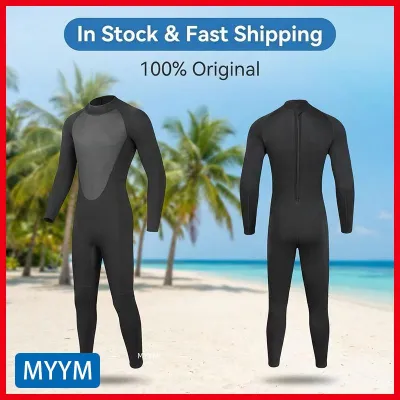
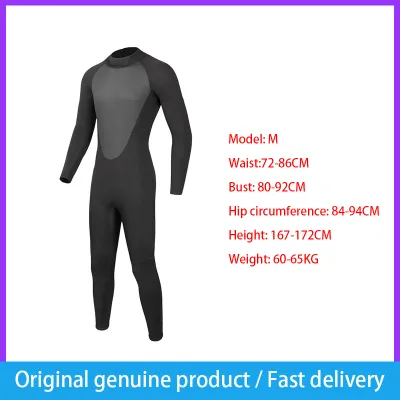
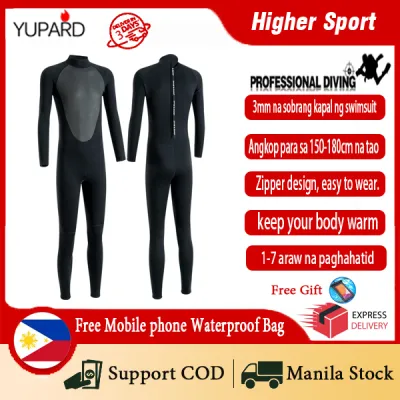
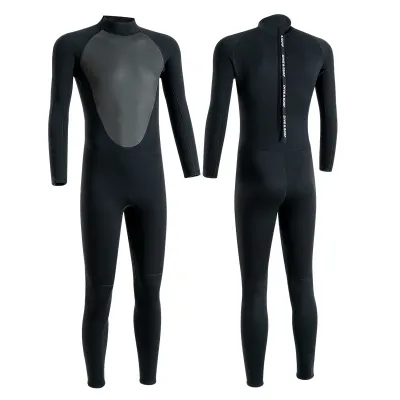
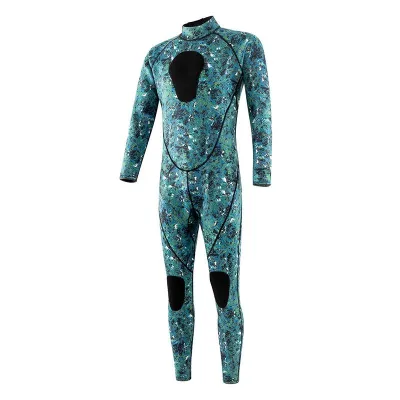
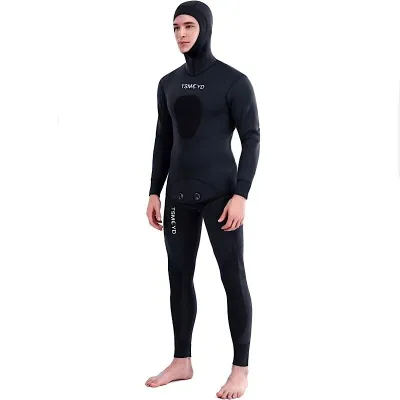
Prices are valid at publication and may change. Please refer to the product page for the latest price.
Decoding Wetsuit Thickness for Different Water Conditions
Neoprene works by trapping a thin layer of water between your skin and the suit. Your body heat warms this trapped water, creating a thermal barrier against the colder surrounding ocean. Because water conducts heat away from the body quickly, maintaining this warm boundary layer is essential for comfort.

For warm tropical waters, such as those in the Philippines ranging from 26°C to 30°C, a 2mm or 3mm full-body suit is typically sufficient to prevent shivering during long exposures. In cooler subtropical or temperate waters, a 5mm suit becomes necessary to preserve core warmth. Always verify these general categories against the specific manufacturer’s temperature recommendations, as individual cold tolerance varies.
It is also vital to consider how dive depth affects your suit’s performance. As you descend, hydrostatic pressure increases, compressing the tiny nitrogen bubbles embedded within the neoprene. This compression thins the suit, which simultaneously reduces its insulating capability and decreases your overall buoyancy. If you plan to conduct deep scuba dives, you may need a slightly thicker suit or a higher-density neoprene to compensate for this deep-water compression.
Material Types: Balancing Warmth, Flexibility, and Durability
Modern full-body suits are constructed from different grades of neoprene, primarily categorized by their base ingredients. Standard petroleum-based neoprene is common and durable, but it tends to be heavier and less stretchy than modern alternatives. Limestone-based neoprene, derived from calcium carbonate, features a different cell structure that often results in a lighter, more flexible suit with excellent heat retention, making it a popular choice for divers seeking maximum mobility.
The outer and inner linings of the suit further modify its performance characteristics. Outer linings often utilize woven nylon to protect the delicate neoprene core from abrasions caused by dive gear, boat decks, or accidental contact with rough surfaces. Some suits feature smoothskin panels on the chest and back, which shed water quickly to reduce wind chill when you are back on the boat. Inside the suit, advanced models may incorporate quick-dry fabrics or high-pile thermal fleece linings that feel soft against the skin and accelerate drying times between dives.
While high-stretch materials improve your range of motion, they often require more delicate handling. Super-stretch neoprene is more susceptible to snagging and compression wear over time compared to denser, more rigid utility neoprene. Divers must weigh the need for effortless shoulder flexibility against the long-term durability required for frequent, demanding dives.
Essential Fit and Design Features for Full-Body Suits
The way a wetsuit is stitched together determines how much water can seep through the seams. Flatlock stitching, where the panels overlap and are stitched through, is highly durable and flexible but leaves tiny needle holes that allow water to flush through the suit. This is ideal for warm-water diving where water exchange helps prevent overheating. For cooler waters, look for glued and blind-stitched (GBS) seams, where the panels are glued together and stitched only halfway through the material to create a watertight seal.
Zipper placement is another critical design choice that affects both convenience and comfort. Back-zipper suits feature a long zipper down the spine, making them relatively easy to slip on and off, though they can slightly restrict backward bending and may allow more water entry along the zipper line. Chest-zipper suits offer an uninterrupted back panel for superior flexibility and a tighter neck seal, but they require a bit more effort to squeeze into.
Regardless of the design features you choose, a snug fit is the single most important factor in wetsuit performance. If the suit is too loose, water will constantly flush through the torso and limbs, carrying away your body heat and rendering the neoprene useless. Because sizing standards vary wildly between brands, never rely on your standard casual clothing size; always measure your chest, waist, height, and weight, and compare them directly to the manufacturer’s specific sizing chart.
Your Pre-Purchase Selection Checklist
Before finalizing your purchase of a diving suit for men full body, run through a structured checklist to ensure the suit matches your specific diving profile:
- Identify Your Primary Environment: Determine the average water temperatures and depths of your planned dive sites.
- Assess Your Activity Level: Consider whether you will be highly active (like snorkeling or swimming) or relatively stationary (like deep scuba diving or underwater photography).
- Verify the Seam and Zipper Style: Choose GBS seams and chest zips for maximum warmth, or flatlock seams and back zips for easier entry in warm water.
- Review Return Policies: Ensure your local retailer or online specialty store allows returns or exchanges, as you must try the suit on at home to verify the fit.
- Inspect for Fit Safely: When trying on a new suit, pull it up gently using the pads of your fingers rather than your fingernails to avoid tearing the soft neoprene.
- Plan for Post-Dive Care: Confirm you have a cool, shaded area to hang the suit on a thick, padded hanger, as direct tropical sunlight and thin wire hangers will rapidly degrade the material.
Frequently Asked Questions (FAQ)
Can I use a 3mm full-body suit for both snorkeling and scuba diving?
Yes, a 3mm full-body suit is highly versatile, but its performance will differ between these activities. When snorkeling at the surface, you are exposed to wind and sun, where a 3mm suit provides excellent UV protection and wind resistance without compressing. When scuba diving at depth, the water pressure compresses the neoprene, reducing its warmth. If you plan to dive deep or remain stationary for long periods, you must monitor your comfort and verify if the suit’s thermal rating matches the temperature at your maximum depth.
How should a men's full-body diving suit fit around the neck and wrists?
The seals at your neck, wrists, and ankles must be snug enough to prevent water from flushing in, but they should never restrict your circulation or breathing. A proper seal should lay flat against your skin without bunching or leaving visible gaps. If you experience difficulty swallowing, dizziness, or tingling in your hands, the seals are too tight and pose a safety hazard; conversely, if water flows freely through the sleeves when you move your arms, the suit is too large.
Community discussion
Share your experience or ask a question. Comments are reviewed before publication.