
The best tingga (sinker) shape for fishing in the Philippines depends entirely on where you cast your line, the strength of the water current, and the structure of the bottom. For sandy beaches and high-energy surf, a pyramid or storm sinker anchors your bait firmly in place. In calm lakes or slow-moving rivers, egg and split shot sinkers allow for a natural presentation that does not spook fish. When navigating snag-prone areas like rocky riverbeds or coral reefs, streamlined bullet or slim pencil sinkers slide through cover with minimal resistance. Matching your sinker shape to these specific environments is the key to maintaining bottom contact, avoiding frustrating snags, and ultimately landing more fish.
Understanding Common Tingga Shapes and Water Dynamics
Before tying any rig, it is essential to understand how different tingga shapes interact with water currents and underwater terrain. The physical profile of a sinker determines how quickly it cuts through the water column, how easily it snags on debris, and how firmly it holds its position on the bottom. By learning the hydrodynamic properties of each shape, you can make informed decisions at the tackle shop and on the water.
The bullet sinker is a highly streamlined, cone-shaped weight with a hollow center. Its narrow nose is designed to deflect off obstacles, making it the premier choice for fishing through thick vegetation, submerged branches, and rocky crevices. Because of its low surface area, it sinks rapidly and offers minimal resistance when you retrieve your line, allowing for a highly sensitive feel of the bottom.
Products mentioned in this guide
Prices are valid at publication and may change. Please refer to the product page for the latest price.
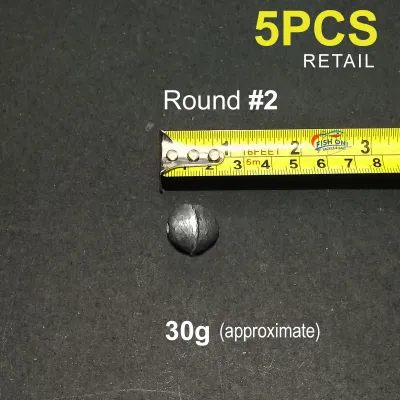
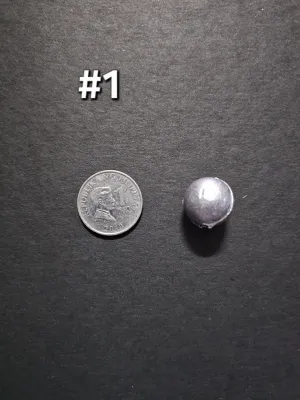
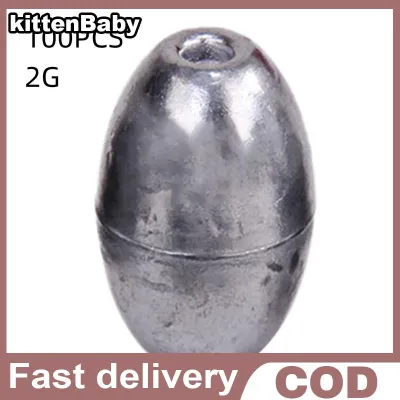
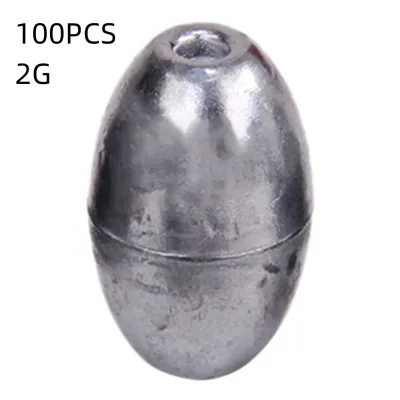
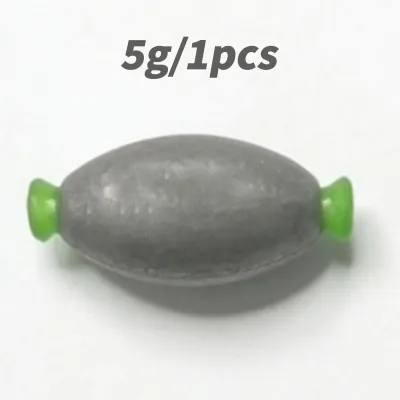
Egg sinkers are oval-shaped weights with a hole running lengthwise through the middle. This inline design allows your fishing line to slide freely through the weight. When a fish takes your bait, it can swim away without feeling the immediate resistance of the heavy lead, which is incredibly useful when targeting easily spooked species. However, because of their rounded profile, egg sinkers tend to roll easily when subjected to currents or wave action.
Pyramid sinkers feature an inverted pyramid shape with a flat base and sharp, angular sides. This design is engineered specifically to dig into soft sand or mud, providing exceptional holding power against strong currents and tides. The trade-off is that their wide, angular profile makes them highly prone to snagging in rocks or weeds.
Split shot sinkers are small, round weights with a slit cut halfway through their body. They are designed to be pinched directly onto your fishing line or leader using pliers. Because they are typically very light, they are perfect for fine-tuning your presentation in calm, shallow waters.
Matching Sinker Profiles to Freshwater Rivers and Lakes
Inland fishing in the Philippines spans a wide variety of freshwater environments, from fast-flowing mountain rivers to tranquil lakes and aquaculture ponds. Each of these settings requires a distinct approach to sinker selection to ensure your bait stays where the fish are feeding. Using the wrong shape can result in your rig constantly drifting out of the strike zone or becoming permanently wedged in underwater debris.

When fishing in rivers with moderate to strong currents, maintaining bottom contact is your primary challenge. Standard round or oval weights will continuously roll downstream, dragging your bait into snags or away from target structures. To combat this, you should employ flat-bottomed or pyramid-shaped weights. These profiles settle flat against the riverbed, utilizing the downward pressure of the flowing water to anchor themselves firmly in place.
In contrast, calm lakes, reservoirs, and slow-moving ponds demand a much more delicate presentation. Heavy, anchoring weights are unnecessary here and can splash loudly, scaring away fish in shallow water. For these quiet environments, split shot or small egg sinkers are highly effective. Rigging a light egg sinker inline allows your bait to drift naturally with the subtle lake currents, presenting an enticing and realistic target for local freshwater species.
Many freshwater bodies in the Philippines are rich with submerged vegetation, water hyacinths, and rocky riverbeds. Navigating these areas without snagging requires a highly streamlined setup. Bullet-shaped sinkers are specifically designed to slide through dense weeds and bounce over rocks without getting stuck. By pairing a bullet sinker with a weedless soft plastic lure, you can fish deep inside heavy cover where predatory fish love to ambush their prey.
Selecting the Right Shape for Coastal and Saltwater Environments
Saltwater angling along the coastlines of the Philippines presents a completely different set of challenges, including powerful ocean tides, crashing surf, and abrasive coral reefs. The sheer force of moving saltwater requires specialized sinker shapes that can withstand extreme conditions. Selecting the correct profile ensures your bait remains stationary in the feeding zone rather than washing ashore.
Surf and beach fishing require weights that can anchor your rig in shifting sands and powerful rip currents. Pyramid sinkers are the undisputed standard for this application. Their sharp edges and flat faces dig deep into the sandy bottom as the waves wash over them, keeping your line taut and your bait presented properly. For exceptionally rough surf, storm sinkers featuring small wire prongs can provide additional grip in the sand.
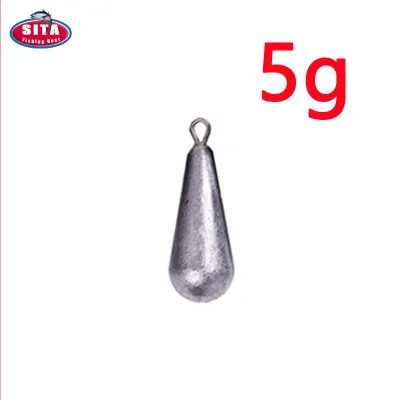
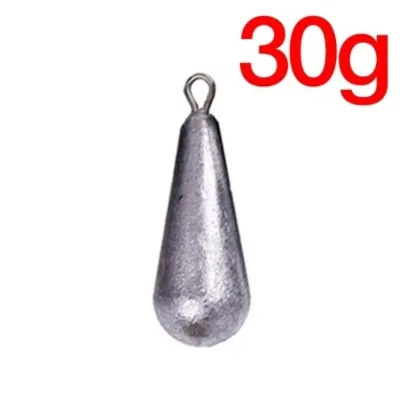
In more sheltered saltwater environments like bays, mangrove estuaries, and deep harbors, tidal currents are still present but less violent. Here, egg sinkers and bank sinkers are highly versatile choices. Bank sinkers feature a teardrop shape with a molded eye at the top for easy attachment. This design sinks rapidly through deep water columns and resists rolling along the bottom better than a standard round ball, making it ideal for vertical fishing from boats or piers.
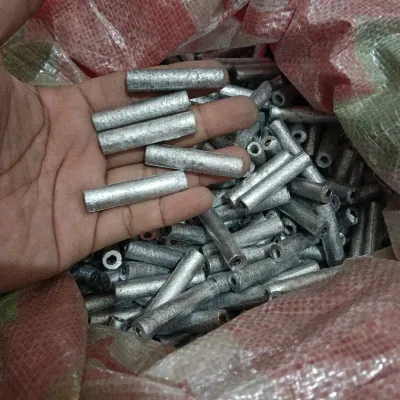
Fishing around rocky reefs and coral drop-offs requires a strategic approach to avoid losing excessive amounts of gear. Coral crevices are notorious for swallowing bulky weights. To minimize snags, you should use slim, cylindrical pencil sinkers or teardrop-shaped weights. Additionally, rigging your sinker on a lighter breakaway line ensures that if the weight does become wedged in the coral, only the sinker is lost, allowing you to retrieve the rest of your rig.
Adjusting Weight and Rigging for Local Conditions
Choosing the right shape is only half the battle; you must also fine-tune the weight and rigging of your tingga to match the immediate fishing conditions. The general rule of thumb is to use the absolute minimum weight required to reach and hold the bottom. Using a weight that is too heavy reduces your ability to feel subtle bites, makes casting difficult, and increases the risk of snagging on underwater structures.
Your chosen sinker shape must also complement your specific rigging style. For example, bullet sinkers are the core component of the Carolina rig, where the weight slides freely on the mainline above a bead and swivel, allowing for a highly sensitive bottom-bouncing presentation. Egg sinkers are perfectly suited for fish-finder rigs, which are widely used in saltwater to allow live bait to swim naturally without dragging the weight behind them.
Seasonal weather patterns in the Philippines, such as the “Habagat” (southwest monsoon) and “Amihan” (northeast monsoon), bring strong winds that create significant surface drift. This wind action pushes against your fishing line, creating a large bow that can easily drag a light sinker off the bottom. During these windy seasons, you will need to increase your sinker weight and switch to highly aerodynamic shapes like the pyramid to cut through the wind and maintain your position.
Safe Handling and Environmental Considerations
Because traditional tingga are made of lead, safe handling practices are essential to protect your health and the environment. Lead is a toxic heavy metal that can accumulate in the body over time. Always wash your hands thoroughly with soap and water after handling lead weights, and never use your teeth to crimp split shot sinkers onto your line. Instead, use a dedicated pair of fishing pliers to secure your weights safely.
Lost fishing tackle has a lasting impact on the pristine waterways and marine sanctuaries of the Philippines. When your rig becomes snagged, avoid pulling violently, which can snap your line far above the water and leave dangerous loops of monofilament behind. Instead, wrap the line around a solid object like a wooden stick, pull steadily straight back, and break the line cleanly at the knot to minimize the amount of material left in the water.
Anglers looking to minimize their environmental footprint can explore non-toxic alternative materials such as tungsten, steel, or brass. Tungsten weights are significantly denser than lead, meaning they can achieve the same weight in a much smaller profile. This smaller size increases sensitivity and reduces the likelihood of getting snagged in tight crevices. While these alternative materials may require a slightly higher investment, they help preserve local aquatic ecosystems for future generations of anglers.
Frequently Asked Questions (FAQ)
Can I use the same tingga shape for both river and ocean fishing?
While some versatile shapes like the egg sinker can transition between calm rivers and quiet saltwater bays, specialized environments require dedicated shapes. A river current pushes water in a single direction, often over rocks and mud, where a bullet or flat sinker works best. The ocean, however, features multi-directional wave action, strong tides, and shifting sands, which demand heavy, anchoring shapes like the pyramid sinker. Using a river-style bullet weight in the ocean surf will result in your rig being washed back onto the beach, while using a heavy pyramid in a rocky river will lead to immediate snags.
How do I stop my sinker from rolling in strong currents?
To prevent your sinker from rolling, switch from rounded shapes like egg or ball sinkers to flat-sided or angular designs like pyramid, bank, or flat-bottomed weights. These shapes present a flat surface to the riverbed or seabed, utilizing the water pressure to hold them flat against the bottom. Additionally, you can reduce water drag on your mainline by using a thinner, braided line, which cuts through the current more efficiently than thick monofilament, reducing the force pulling on your sinker.
Community discussion
Share your experience or ask a question. Comments are reviewed before publication.