
Staying hydrated during an intense workout requires a reliable container that can withstand the demanding environment of a fitness center or an outdoor training ground. The ideal workout tumbler is not just a vessel for water; it is a functional piece of gear that must prevent messy spills on expensive gym equipment, keep your drinks cold despite tropical humidity, and survive accidental drops on hard rubber flooring. Finding the right option involves evaluating how you train, how you carry your gear, and how much capacity you need to sustain your energy levels from warm-up to cool-down.
Rather than searching for a single, universally perfect bottle, the key is matching specific design elements to your personal exercise habits. A runner on a treadmill has vastly different hydration needs than a powerlifter in a strength zone or an athlete training outdoors in the midday heat. By focusing on practical features such as lid security, material durability, and ease of cleaning, you can select a container that seamlessly integrates into your fitness routine without causing distractions or messy accidents.
Essential Features for Gym and Workout Environments
Gym environments present unique challenges that standard household drinkware cannot handle. The most critical feature to look for is a truly leak-proof lid mechanism. When your bottle is tossed into a gym bag alongside clean clothes, straps, and electronic accessories, any failure in the seal can result in a frustrating mess. Screw-on lids generally offer the highest level of security against high-pressure leaks, making them excellent for transport. However, flip-top lids and push-button mechanisms provide rapid access when you only have a few seconds between high-intensity intervals.
Products mentioned in this guide
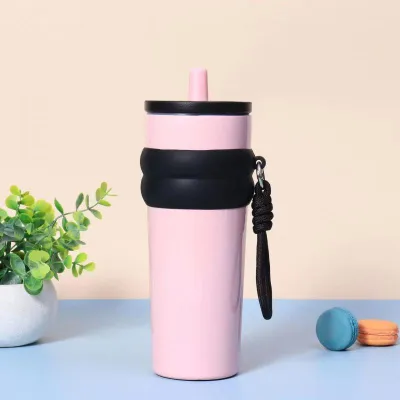
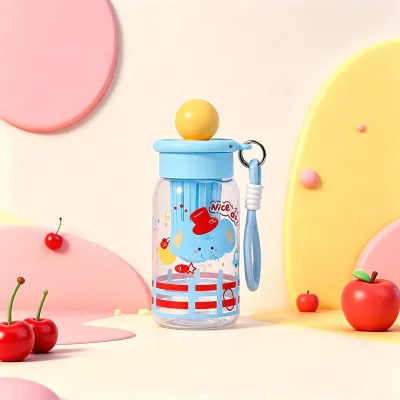
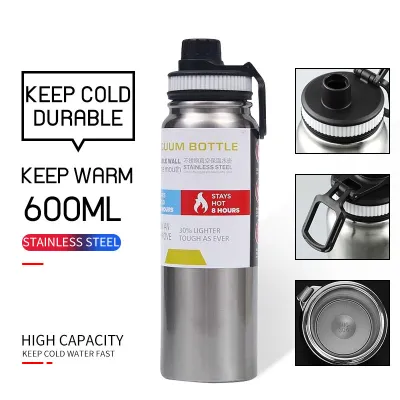
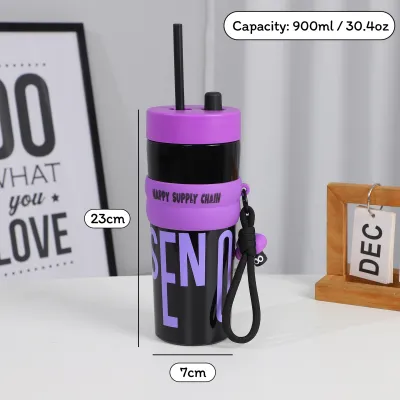
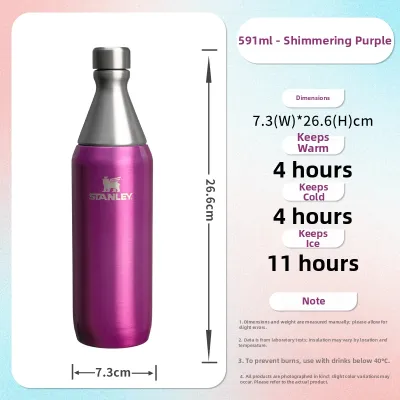
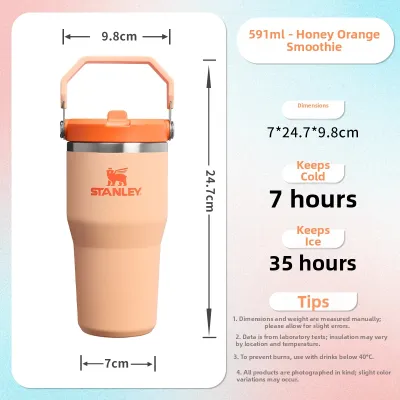
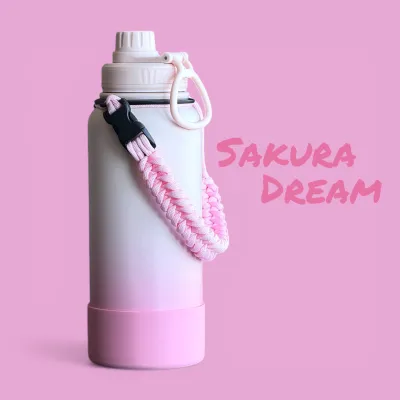
Prices are valid at publication and may change. Please refer to the product page for the latest price.
One-handed operation is another vital consideration for maintaining momentum during a workout. When you are holding a dumbbell, hanging from a pull-up bar, or balancing on a stationary bike, you cannot afford to use both hands to unscrew a cap. Tumblers designed with integrated straw lids, push-button flip caps, or auto-sealing spouts allow you to take a quick sip and return to your set immediately. These designs minimize downtime and help you maintain your focus on form and breathing.
In tropical climates where humidity is consistently high, sweat-proof exteriors are essential. Standard single-wall bottles quickly accumulate condensation on the outside, creating a slippery surface that is difficult to grip with sweaty hands. This moisture can also pool on gym floors, creating a slipping hazard, or drip onto electronic consoles of treadmills and stationary bikes. Look for tumblers with double-wall insulation and textured powder-coated finishes. These features prevent external condensation, ensuring the bottle remains dry and secure in your hand even during the most humid training sessions.
Finally, physical durability is non-negotiable on the gym floor. Accidental drops are inevitable when moving between exercise stations or placing your bottle on elevated equipment racks. A high-quality workout container must feature robust impact resistance to survive impacts with rubber mats, concrete, or metal weight plates. Reinforced bases, thick-walled construction, and protective silicone boots can prevent dents, cracks, and structural failures that might compromise the bottle’s vacuum seal or cause immediate leaks.
Matching Tumbler Designs to Specific Workout Routines
Your choice of tumbler should directly reflect the physical movements of your preferred workout routine. For weightlifting and strength training, the primary concerns are stability, capacity, and safety around heavy iron. In these environments, a wide-mouth tumbler is highly advantageous because it allows you to easily load large ice cubes to keep your water ice-cold. Furthermore, strength athletes should prioritize highly secure, screw-down lids. Knocking over a bottle next to a platform or a rack of expensive dumbbells is a common occurrence; a secure lid ensures that a tipped bottle does not create a slick, dangerous puddle on the lifting platform.

For cardio, running, and high-intensity interval training (HIIT), your movement is continuous, and your heart rate is elevated. Under these conditions, tilting your head back to drink from a wide-mouth bottle can disrupt your stride, block your vision, and lead to choking or splashing. For these active routines, straw lids or specialized narrow spouts are the superior choice. They allow you to sip comfortably while keeping your eyes forward and your head level, ensuring you can hydrate safely while moving at high speeds on a treadmill or during a rapid circuit.
Outdoor and endurance workouts, such as trail running, outdoor boot camps, or long-distance cycling, demand larger fluid capacities and enhanced transport security. When training under the sun, a standard small bottle may not provide enough hydration to prevent cramping and exhaustion. Opt for larger capacities, such as 900 ml to 1.2 liters, to ensure you have sufficient water throughout the session. Because these larger bottles are heavier, look for models with integrated carry loops, heavy-duty handles, or shapes that fit securely into vehicle cup holders and the side pockets of outdoor backpacks.
Evaluating Materials and Insulation Performance
Understanding the materials used in your fitness drinkware allows you to balance temperature retention, weight, and overall longevity. Double-wall vacuum insulation is the gold standard for temperature control. This technology works by creating a virtual vacuum between two walls of stainless steel, preventing heat transfer by conduction or convection. In warm, tropical environments, this insulation is crucial for keeping your water refreshingly cold for hours, which can actually help lower your core body temperature and improve your overall exercise tolerance during long sessions.
When choosing between stainless steel and BPA-free plastics, you must weigh the trade-offs of each material. Food-grade stainless steel, typically labeled as 18/8 or 304 stainless steel, offers unmatched durability, does not retain stubborn odors from sports drinks, and is completely free of harmful chemicals. However, stainless steel bottles are heavier, even when empty. On the other hand, high-quality, BPA-free plastic tumblers are exceptionally lightweight and often more affordable, making them highly portable for quick runs or casual workouts. The trade-off is that plastic lacks insulation properties and can degrade or crack more easily over time if dropped repeatedly.
To ensure you are getting a high-performing product, always verify the manufacturer’s specifications rather than relying on generic marketing claims. Look for clear labels indicating the exact hours of cold retention, which are typically tested under standardized conditions. Additionally, check for certifications regarding material safety, ensuring the product is free from bisphenols (BPA and BPS) and phthalates. If you plan to invest in a premium insulated bottle, verifying these specifications on the packaging or the manufacturer’s official website will help you avoid low-quality counterfeits that lose their insulating properties after a few weeks of use.
Cleaning and Maintenance for Daily Gym Use
A gym tumbler is a breeding ground for bacteria and mold if it is not cleaned properly after every workout. Sweat, saliva, and environmental dust quickly accumulate around the mouthpiece and lid. To maintain proper hygiene, always consult the product manual to identify which parts are dishwasher-safe. While some stainless steel bodies can withstand the high heat of a dishwasher, many powder-coated finishes and vacuum seals can be damaged by intense heat cycles. Lids, straws, and silicone gaskets are often top-rack dishwasher safe, but hand-washing with warm, soapy water is generally the safest method to prolong the life of your bottle.
Deep cleaning requires disassembling all removable parts of the lid assembly. Mold and bacteria thrive in the hidden crevices of silicone gaskets, O-rings, and multi-part straw mechanisms, especially if you use your tumbler for electrolyte powders, pre-workout formulas, or protein shakes. Use a small detail brush or a dedicated straw cleaner to scrub these hard-to-reach areas thoroughly. Neglecting these small components can lead to persistent bad odors and potential health risks over time.
After washing, proper drying is just as important as the wash itself. Never reassemble your tumbler or put the lid back on while the components are still damp. Trapped moisture inside a closed bottle creates a humid environment that encourages rapid bacterial growth and musty smells. Instead, place all disassembled parts upside down on a clean, dry towel or a drying rack in a well-ventilated area. Allow them to air-dry completely before storing them or preparing your next workout drink.
Frequently Asked Questions (FAQ)
Can I put pre-workout or protein shakes in an insulated tumbler?
Yes, you can use an insulated tumbler for fitness supplements, but you must take specific precautions. Stainless steel is highly resistant to absorbing odors, making it a better choice than plastic for strong-smelling pre-workout powders or dairy-based protein shakes. However, you must clean the tumbler immediately after use; allowing protein residue to dry inside the bottle can lead to extremely stubborn odors and difficult-to-clean buildup. Additionally, always check the manufacturer’s guidelines before using a shaker ball inside an insulated bottle, as metal shaker balls can scratch or damage the internal lining of some tumblers. Never use insulated tumblers for hot liquids or carbonated supplements unless the lid is specifically rated to handle pressure buildup.
How do I test if my tumbler is truly leak-proof before taking it to the gym?
To prevent accidental spills in your gym bag, perform a simple, controlled water inversion test at home. Fill your tumbler with water, secure the lid tightly, and hold it over a sink. Slowly turn the bottle completely upside down and gently shake it to simulate the movement of walking or running. Check the main screw threads and the drinking spout for any signs of moisture or slow drips. Ensure that the silicone gaskets are properly aligned and not twisted or cross-threaded, as even a minor misalignment can compromise the seal. For bottles with straw lids or flip caps, apply gentle pressure to the closed mechanism to verify that it remains securely locked under movement.
Community discussion
Share your experience or ask a question. Comments are reviewed before publication.