
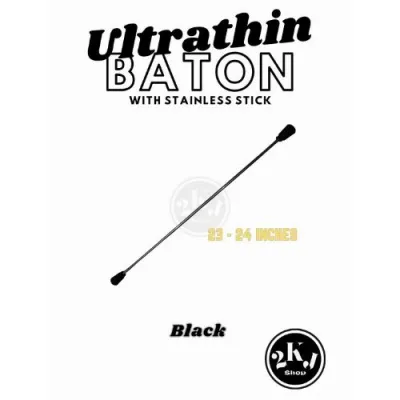
Selecting the ideal ultra thin baton for school competitions in the Philippines requires a careful balance of regulatory compliance, physical specifications, and environmental adaptation. In local campus sports, where routines are performed in both indoor gymnasiums and open-air courts, the equipment must withstand high humidity while offering precise handling. An ultra thin baton, typically featuring a shaft diameter of 3/8 inch (approximately 9.5 millimeters), allows for faster rotations and intricate finger work, but it also demands a higher level of control and regular safety inspections.
Coaches and athletes must evaluate how these specialized dimensions align with regional tournament guidelines, such as those set by local athletic associations or national school sports federations. Because a thinner shaft reduces the overall surface area for gripping, factors like sweat resistance, weight distribution, and material durability become critical to preventing drops and ensuring safety during high-velocity tosses.
Understanding Competition Standards and Baton Regulations
Before purchasing any equipment for a school squad, the first step is to consult the official rulebook of your specific athletic association. In the Philippines, school competitions—ranging from localized district meets to major national events—often follow distinct technical guidelines regarding equipment dimensions. These rules typically specify the allowable range for baton length, overall weight, and shaft diameter to ensure a level playing field and maintain safety standards.
Products mentioned in this guide
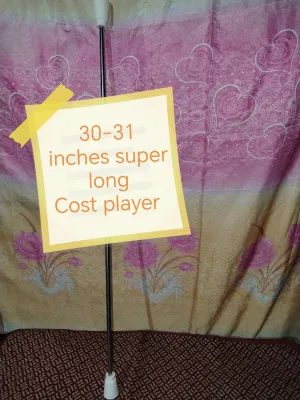
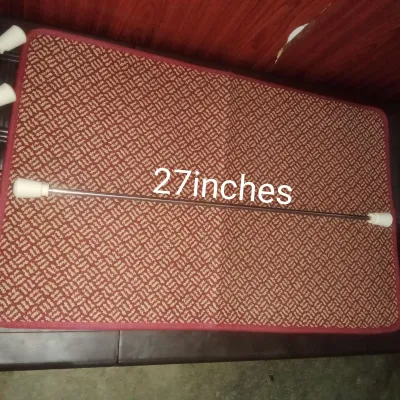
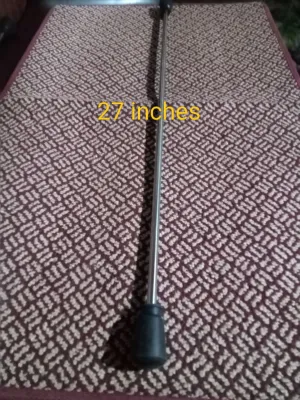
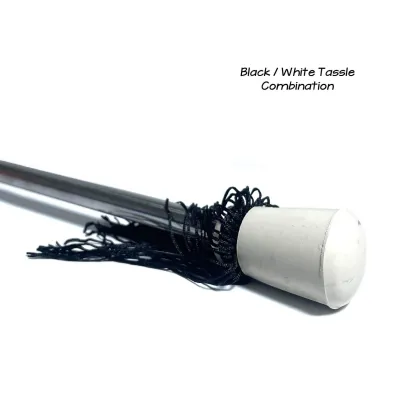
Prices are valid at publication and may change. Please refer to the product page for the latest price.
“Ultra thin” batons generally refer to models with a shaft diameter of 3/8 inch, compared to the standard 7/16 inch or 1/2 inch profiles. While these thinner shafts are highly favored for advanced technical maneuvers, some junior or developmental divisions may enforce minimum thickness rules to prevent injury or ensure age-appropriate grip development. You must verify whether your target competition category permits 3/8-inch shafts or if it mandates a thicker standard profile.
Material composition is another highly regulated aspect of competition batons. Most school sports federations require shafts made of durable, non-splintering materials such as steel or high-grade aluminum, while strictly prohibiting materials that could shatter upon impact with concrete or wooden court floors. Additionally, check the regulations regarding shaft modifications; some rulebooks require specific types of grip tape or prohibit highly reflective coatings that could flash under bright gymnasium lighting and distract judges or other competitors.
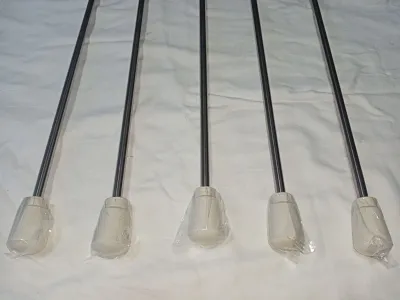
Finally, pay close attention to the specifications for the end-knobs and tips. Competition rules almost universally mandate secure, rubberized, or synthetic ends that completely cover the metal tips of the shaft. These ends must be designed to absorb impact and prevent puncture injuries during drops. Using a baton with exposed metal or cracked plastic tips is a frequent cause for immediate disqualification at the inspection table before a routine even begins.
Key Specifications to Evaluate in an Ultra Thin Baton
When evaluating an ultra thin baton, the shaft diameter is the primary feature that dictates how the instrument behaves in an athlete’s hand. A 3/8-inch shaft offers less wind resistance and allows the fingers to close more tightly around the metal, which can significantly increase rotational speed during rolls and wraps. However, this smaller diameter also means there is less margin for error during high-velocity catches, making precise finger placement absolutely essential.

Weight distribution and balance are equally critical to performance. A well-balanced baton should have its center of gravity exactly in the middle of the shaft, allowing it to spin evenly when tossed into the air. When testing an ultra thin model, verify that the weight of the larger head (the ball) and the smaller tail (the tip) are perfectly calibrated to maintain this central balance point. An unbalanced baton will wobble during aerials, making catches unpredictable and increasing the risk of injury on the court.
The choice of shaft material directly influences the baton’s durability, flex, and tactile feel. Chrome-plated steel is a traditional choice, valued for its weight, rigidity, and classic shine under spotlights. It resists bending when dropped on hard surfaces, though it can feel cold and slippery in air-conditioned venues. Aluminum shafts offer a lighter alternative, which can reduce fatigue during long practice sessions, but they may exhibit more flex and are more susceptible to permanent bending if dropped repeatedly on concrete outdoor courts.
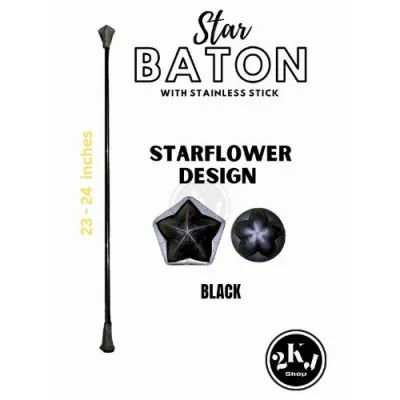
The design of the rubber ends must also be carefully assessed. High-quality batons utilize synthetic rubber compounds that remain pliable without becoming sticky under tropical heat. The head should feature a flanged or star-shaped design to prevent the baton from rolling away when dropped on the floor, while the tail should be streamlined to minimize aerodynamic drag during high tosses. Ensure these ends are snugly fitted to the shaft and do not twist or slip during rapid rotations.
Matching Baton Characteristics to Skill Levels and Routines
Selecting the right baton profile is not a one-size-fits-all decision; it must align with the athlete’s physical development and the specific demands of their choreography. For beginners and younger athletes in elementary school divisions, starting with a standard 7/16-inch or 1/2-inch shaft is generally recommended. These thicker profiles help novice twirlers develop fundamental hand strength, spatial awareness, and basic catch coordination without straining the smaller muscles of the hand.
As athletes transition to intermediate and advanced levels, their routines often incorporate complex finger rolls, vertical wraps, and multi-spin tosses that require rapid, fluid transitions. This is where the ultra thin 3/8-inch baton becomes highly advantageous. The reduced diameter allows the baton to slip easily between the fingers, facilitating intricate contact material that would be cumbersome with a thicker shaft. However, coaches should monitor this transition closely, ensuring the athlete has developed the necessary grip control to handle the faster rotation speeds safely.
The style of the routine also dictates the ideal baton characteristics. For routines heavily focused on high-toss aerials and gymnastics integration, a slightly heavier steel shaft provides the momentum needed to cut through outdoor wind currents, which is a common challenge during regional meets held in open-air stadiums. Conversely, for fast-paced, dance-heavy routines performed entirely indoors, a lighter aluminum or thin-walled steel baton allows for quick direction changes and minimizes physical fatigue over a two-to-three-minute performance.
Where to Source and Verify Cheerleading Equipment in the Philippines
Acquiring authentic, competition-grade batons in the Philippines requires navigating a market where counterfeit or low-quality recreational toys are common. To ensure safety and compliance, school athletic departments should prioritize specialized sports equipment distributors and authorized retailers who specialize in gymnastics, dance, or marching band gear. These suppliers can provide manufacturer specification sheets that verify the exact materials, weight, and dimensions of the batons.
When sourcing equipment through online marketplaces, extreme caution is necessary. Avoid generic listings that do not specify the exact shaft diameter or material composition. Look for sellers with verified credentials, high ratings from local school bands or cheer squads, and clear return policies that allow you to inspect the batons upon delivery. Always check the customer review section for photos of the actual product to verify that the rubber ends are securely molded and the shaft is perfectly straight.
For bulk team orders, it is highly recommended to request a single physical sample before committing to a large purchase. This allows the coaching staff and lead twirlers to physically inspect the baton’s balance, grip texture, and overall build quality. A physical inspection is the only reliable way to confirm that the batons will withstand the rigors of daily practice on local school courts.
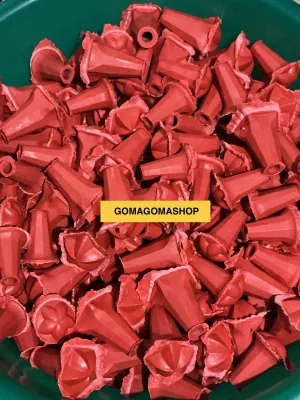
Additionally, inquire about the availability of replacement parts and local support. Because the rubber heads and tips of batons wear out much faster than the metal shafts, sourcing from a supplier that also stocks compatible replacement ends will save your program significant money over the school year. Verify if the retailer offers any warranty against manufacturing defects, such as loose shafts or improperly cured rubber components.
Maintenance and Safety Checks for Thin Batons
Maintaining the structural integrity of an ultra thin baton is vital for both performance consistency and athlete safety. Because these shafts have thinner walls, they are more vulnerable to micro-dents and subtle bends than standard models. Athletes should perform a quick visual and tactile inspection before every practice session. Run your fingers along the length of the shaft to feel for any warping, dents, or rough spots, and roll the baton slowly across a flat table to verify that it remains perfectly straight.
The tropical climate of the Philippines presents unique maintenance challenges. High humidity and sweat can cause steel shafts to develop rust over time, while also making the surface incredibly slippery. After every practice, wipe down the metal shaft with a clean, dry microfiber cloth to remove moisture and skin oils. Avoid using harsh chemical cleaners or abrasive pads that can strip away the protective chrome plating; instead, use a mild, highly diluted soapy water solution on a damp cloth if deep cleaning is necessary, ensuring the metal is dried completely afterward.
The rubber ends also require regular attention. Sweat, dirt, and exposure to sunlight can cause the rubber to dry out, crack, or lose its grip on the metal shaft. Inspect the ends weekly to ensure they are tightly secured and show no signs of splitting. If an end-cap becomes loose, do not attempt to secure it with temporary adhesives like standard tape, which can fail mid-routine; instead, replace the worn cap with an authentic, properly sized replacement part.
Knowing when to retire a baton is a critical safety decision. If a baton develops a noticeable bend, a deep dent, or a crack in the metal shaft, it must be retired immediately. A compromised shaft can snap under the high stress of a catch or fly off in an unpredictable direction during a toss, posing a severe injury risk to the performer, teammates, and spectators. Equipment should never replace proper training and safety judgment, and performing with damaged gear is a risk no school program should take.
Frequently Asked Questions (FAQ)
Can I modify a standard baton to make it ultra thin?
No, you should never attempt to modify a standard baton shaft to reduce its thickness. Sanding, shaving, or grinding down a metal shaft compromises its structural integrity, making it highly susceptible to snapping or bending under stress. Such modifications also void any manufacturer warranties and will likely violate competition safety standards, which mandate factory-standard equipment to prevent injuries on the court.
Does an ultra thin baton require a different grip technique?
Yes, transitioning to an ultra thin baton requires subtle adjustments to your grip and hand technique. Because the shaft is thinner, athletes must develop more refined finger placement and precise tension control to prevent the baton from slipping. It is common to experience initial hand fatigue during the transition, which can be managed by incorporating specific finger-strengthening exercises and gradually increasing practice time with the new equipment.

Community discussion
Share your experience or ask a question. Comments are reviewed before publication.