
Selecting the right ball organizer storage solution in the Philippines requires balancing capacity, transport routines, and the challenges of a tropical climate. Whether managing a school team in Manila, organizing a barangay league, or keeping personal gear tidy at home, the right organizer protects your investment. Volleyballs are sensitive to heat and moisture; storing them improperly can ruin their synthetic leather covers and bladder integrity. By focusing on ventilation, material strength, and capacity, you can find a storage system that keeps your equipment ready for the court.
An organized storage setup does more than keep a space tidy. It extends the lifespan of your volleyballs by keeping them off damp floors and protecting them from unnecessary friction. Because volleyballs are often shared during practice, a dedicated organizer also simplifies inventory management, ensuring no gear is left behind after an intense training session.
Assessing Your Volleyball Storage and Transport Needs
Before browsing storage options, inventory your entire collection of gear. Do not just count the volleyballs; consider the extra equipment that accompanies them. Items like hand pumps, inflation needles, pressure gauges, knee pads, whistle lanyards, and athletic tape all require space. A good organizer should accommodate these accessories without crushing the balls or stretching the seams of the bag.
Products mentioned in this guide
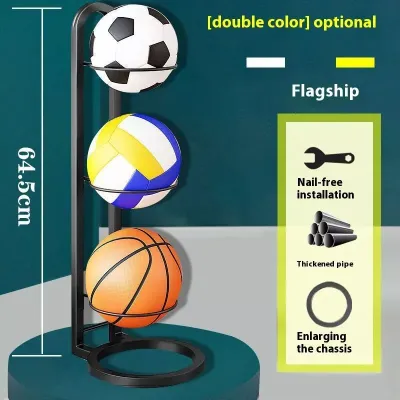
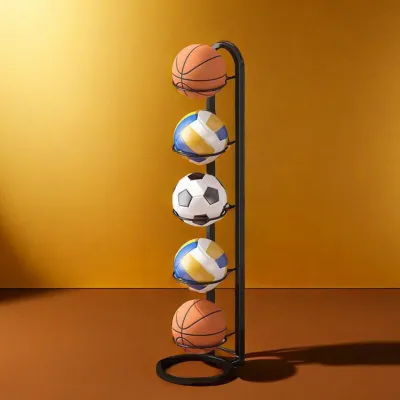
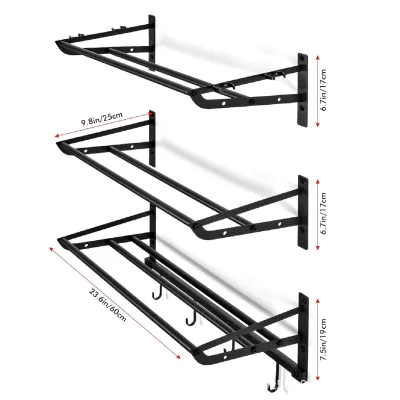
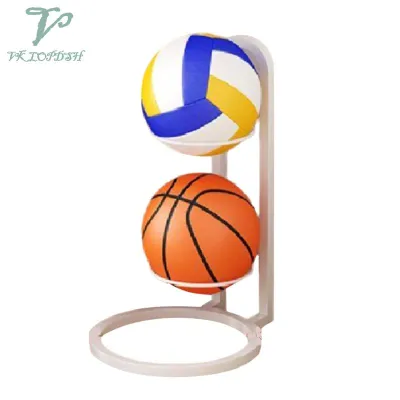
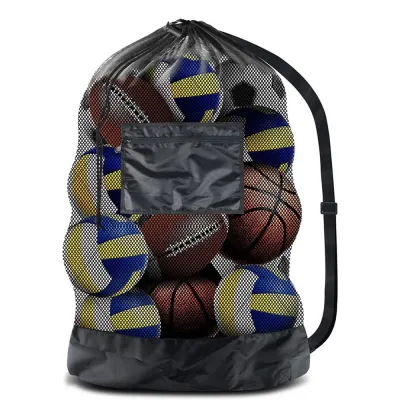
Prices are valid at publication and may change. Please refer to the product page for the latest price.
Next, define your primary use case. An individual player commuting to a local court via public transportation needs a compact, highly portable bag. Conversely, a coach or team captain managing twelve or more balls for a varsity squad requires a high-capacity rolling cart or a heavy-duty duffel. If your goal is simply to keep your personal gear organized in a home garage or utility room, a stationary wall rack or hanging net is often the most efficient choice.
Finally, evaluate your local storage environment. In the Philippines, high relative humidity and tropical heat are constant challenges. Storing damp volleyballs in a sealed plastic bin or a non-breathable bag invites mold, mildew, and material degradation. If your storage area lacks air conditioning or consistent airflow, prioritizing highly ventilated mesh materials is essential to protect the synthetic leather covers of your balls.
Comparing Types of Volleyball Organizers for Different Routines
Mesh Carry Bags
Mesh carry bags are the standard choice for individual players who need to transport one to three balls. These bags are lightweight, highly breathable, and typically feature a simple drawstring closure. The open mesh design allows maximum airflow, which helps dry out sweat and moisture after an outdoor beach volleyball session or an indoor game. They are easy to sling over your shoulder while riding a motorcycle or commuting, making them highly practical for daily use.

However, mesh carry bags offer minimal protection against physical impacts or sudden tropical downpours. If you get caught in the rain, your volleyballs will get wet, requiring immediate drying once you reach your destination. They also lack structured compartments, meaning smaller items like keys or phone cases can easily get lost at the bottom of the bag if not kept in a separate pouch.
Multi-Ball Mesh Backpacks and Duffels
For coaches, trainers, or team captains who need to transport six to twelve balls, multi-ball backpacks and duffels offer a practical middle ground between portability and capacity. These organizers often combine heavy-duty solid fabric panels on the bottom and back for structural support with mesh panels on the sides for ventilation. Padded shoulder straps or backpack harnesses help distribute the weight evenly across your back, which is crucial when carrying a full load of inflated balls.
These bags frequently include dedicated zippered compartments for personal items, clip-on points for water bottles, and external pockets for hand pumps. While they are highly portable, they can become bulky and heavy when fully loaded. It is important to verify that the straps and carrying handles are reinforced with double-stitching to handle the constant tension of transport.
Rolling Ball Carts and Hard Bins
Rolling ball carts and heavy-duty bins are the gold standard for schools, sports clubs, and indoor gymnasiums where high capacity is the priority. These systems can hold anywhere from fifteen to over thirty volleyballs at once. Carts typically feature a collapsible aluminum or steel frame with a deep fabric basket, allowing coaches to easily wheel balls onto the court during drills and fold the frame away for compact storage in an equipment closet.
While rolling carts offer unmatched convenience on smooth indoor courts, their small caster wheels often struggle on rough outdoor concrete surfaces or gravel paths. Hard plastic bins provide excellent protection against pests and dust in long-term storage, but they must only be used for completely dry balls to prevent moisture from trapping inside and causing mold.
Wall-Mounted Racks and Hanging Nets
If floor space is limited in your home, garage, or club storage room, wall-mounted racks and hanging nets are excellent space-saving alternatives. Wall-mounted metal rings or claw-style holders cradle individual balls securely against the wall, turning your sports gear into an organized display. Hanging nets utilize vertical space by suspending multiple balls from a ceiling hook or wall bracket.
These solutions keep your volleyballs off the ground, away from damp concrete floors and potential pest damage. However, they are strictly stationary. If you frequently travel to different courts for games, you will still need a portable bag or backpack to transport your gear safely.
Key Durability and Design Features to Evaluate
Material and Stitching
When selecting a ball organizer storage unit, inspect the fabric denier and stitching quality. Look for organizers made from heavy-duty polyester (such as 600D or higher) or reinforced nylon. These materials resist tearing when dragged across rough concrete courts or stored in tight equipment closets. Double-stitched seams and reinforced piping along the edges prevent the bag from splitting under the weight of multiple inflated balls.
Ventilation and Drainage
In humid climates, proper ventilation is not just a convenience; it is a necessity for gear preservation. Look for organizers that incorporate wide-weave mesh panels. This design allows air to circulate freely, drying out damp volleyballs and preventing the buildup of unpleasant odors. If you play beach volleyball, a mesh bottom is particularly useful as it allows sand to sift out naturally rather than accumulating at the bottom of the bag.
Hardware and Closures
Zippers and drawstrings are often the first components to fail on sports bags. Opt for thick, molded plastic or rust-resistant metal zippers that slide smoothly without catching on the mesh fabric. For drawstring bags, verify that the cord is thick and secured by a heavy-duty, spring-loaded plastic lock. If the organizer features metal grommets or frame joints, ensure they have a protective coating to prevent rust from forming during the humid rainy season.
True Capacity versus Ball Size
Always verify the physical dimensions of the organizer rather than relying solely on generic capacity labels. A standard size 5 indoor or outdoor volleyball has a circumference of approximately 65 to 67 centimeters. Some generic “sports ball bags” are designed around smaller soccer balls or larger basketballs. Ensure the compartment dimensions and openings are wide enough to accommodate volleyballs comfortably without requiring you to force them in, which can damage both the bag and the ball panels.
Where to Buy and What to Verify Upon Delivery
Sourcing Your Organizer
In the Philippines, you can source ball organizers from local sporting goods stores in major shopping malls or through general online marketplaces. Physical retail stores allow you to feel the material thickness, test the zippers, and assess the overall build quality in person. Online marketplaces often provide a wider variety of specialized designs and capacities, but they require extra vigilance to ensure you receive a durable product.
Vetting Online Sellers
When purchasing from an online marketplace, prioritize sellers with high ratings and positive customer feedback. Look specifically for reviews that include photos or videos of the actual product. Pay close attention to comments regarding seam strength, zipper durability, and whether the bag arrived with a strong chemical odor, which can indicate low-grade synthetic materials. Check the seller’s return policy to ensure you can easily exchange the item if it arrives damaged.
Immediate Post-Delivery Inspection
Once your ball organizer storage unit arrives, perform a thorough inspection before taking it to the court. Use this quick checklist to verify its quality:
- Examine the Seams: Pull gently on the seams, especially around the bottom and strap attachment points, to check for loose threads or gaps in the stitching.
- Test the Hardware: Open and close all zippers and drawstrings multiple times to ensure they operate smoothly without snagging.
- Inspect the Mesh: Run your hands over the mesh panels to check for pre-existing snags, tears, or weak spots in the weave.
- Verify the Fit: Place your standard volleyballs inside the organizer to confirm they fit comfortably and that the bag closes securely without excessive strain on the fabric.
Maintaining and Cleaning Your Ball Storage Gear
Routine Cleaning Methods
Dust, dirt, and sweat from outdoor concrete or indoor wooden courts will inevitably transfer to your storage bag. To keep it clean, empty the organizer completely and shake out any loose debris or sand. Hand-wash fabric and mesh bags in a basin of cool water mixed with a mild, non-abrasive detergent. Gently scrub dirty areas with a soft-bristled brush, then rinse thoroughly with clean water to remove all soap residue.
Proper Drying Techniques
Never store a damp organizer or place wet volleyballs inside it. After washing, hang the bag to air-dry in a shaded, well-ventilated outdoor area or indoors near a fan. Avoid exposing the organizer to direct, intense tropical sunlight for extended periods, as prolonged UV exposure can degrade synthetic fibers, fade colors, and weaken plastic hardware over time.
Zipper and Hardware Care
To prevent zippers from sticking or corroding in humid environments, keep them free of dirt and sand. Periodically wipe the zipper tracks with a clean, damp cloth. If a zipper becomes difficult to slide, apply a small amount of zipper lubricant, beeswax, or paraffin wax to the teeth to restore smooth operation. For rolling carts, regularly wipe down the metal frame and apply a drop of silicone lubricant to the wheel axles to keep them spinning freely.
Frequently Asked Questions (FAQ)
Can I use a basketball or soccer ball bag for volleyballs?
Yes, you can often use basketball or soccer ball bags for volleyballs, but you must pay close attention to the dimensions. A standard size 5 volleyball is slightly smaller than a standard size 7 basketball but comparable in size to a size 5 soccer ball. While a single-ball basketball bag will easily accommodate a volleyball, multi-ball bags with rigid internal dividers designed specifically for basketballs may leave excess empty space or cause volleyballs to shift around during transport. Ensure the bag’s compartments hold the volleyballs snugly to prevent unnecessary friction and surface wear.
How do I prevent my volleyballs from deflating in long-term storage?
To prevent deflation and material damage during long-term storage, keep your volleyballs in a temperature-controlled environment away from direct sunlight and extreme heat, which can weaken the bladder and expand the air inside. Avoid stacking heavy items on top of the storage bag, as constant pressure can deform the balls over time. It is natural for volleyballs to lose a small amount of air pressure over weeks of non-use; simply keep a reliable hand pump and pressure gauge inside your organizer’s accessory pocket so you can easily inflate them to the recommended pressure before your next game.
Community discussion
Share your experience or ask a question. Comments are reviewed before publication.