
Finding the ideal waterproof leg cast cover depends entirely on your specific cast dimensions, the type of waterproofing mechanism you prefer, and your daily recovery activities. Since no single product fits every injury or athlete, selecting the right cover requires evaluating critical standards, measuring your leg accurately, and performing safety checks.
For active individuals and athletes in the Philippines, managing a cast comes with unique tropical challenges. High humidity, frequent daily showers to beat the heat, and the desire to maintain some form of conditioning or light water-based rehabilitation mean that a reliable, watertight seal is essential. A poor fit can lead to water seeping into the plaster or fiberglass, causing skin maceration, unpleasant odors, and potential infections that can delay your return to the sport.
When you are sidelined by a lower-limb injury, maintaining your mental and physical well-being is a top priority. For many athletes, this means finding ways to stay active, whether through light upper-body workouts, stationary cycling, or water-based physical therapy. However, the presence of a plaster or fiberglass cast presents a major obstacle.
Products mentioned in this guide
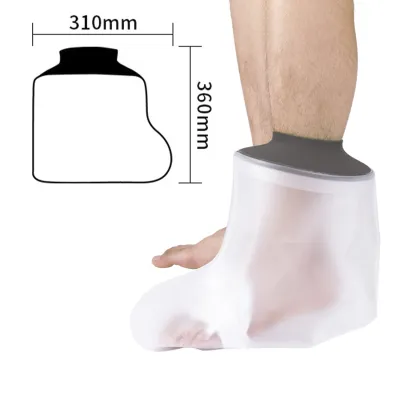
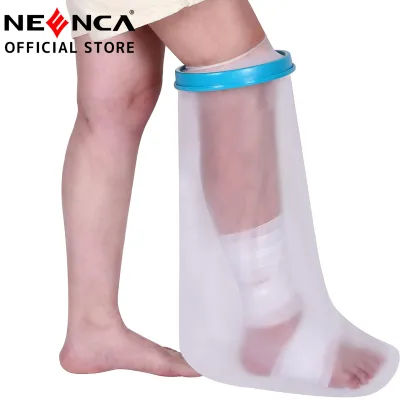
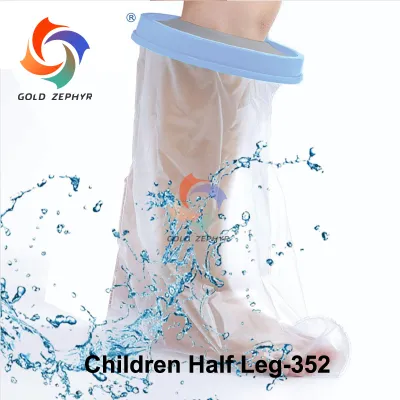
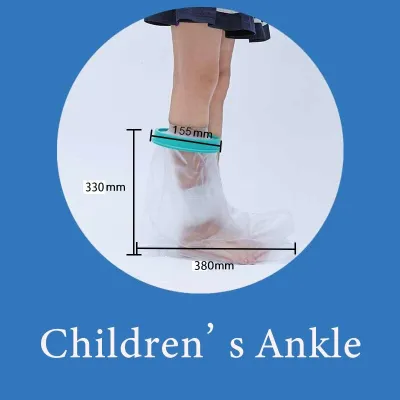
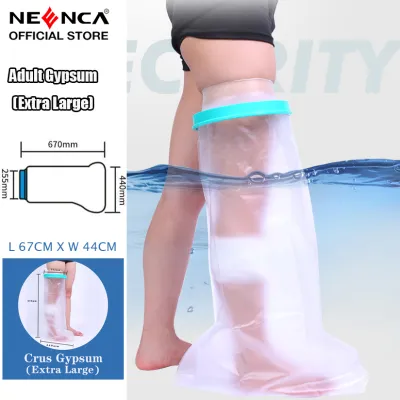
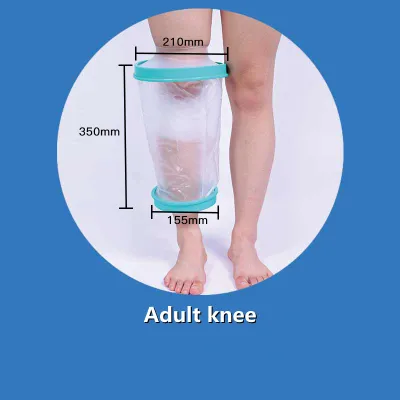
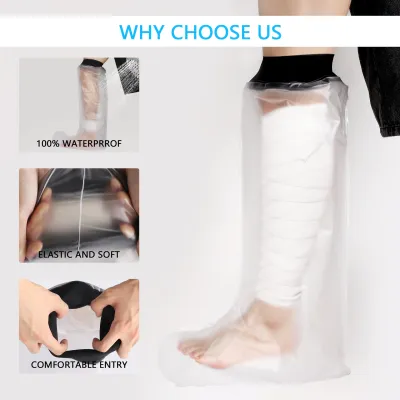
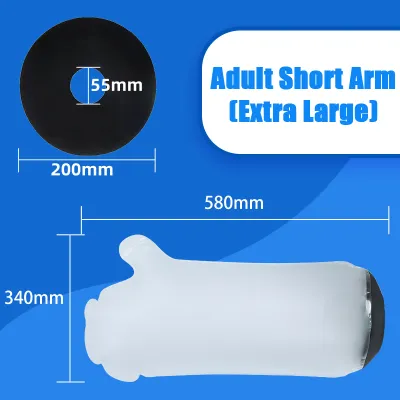
Prices are valid at publication and may change. Please refer to the product page for the latest price.
Traditional methods of waterproofing, such as wrapping the leg in trash bags and tape, are notoriously unreliable and often lead to leaks, dampness, and ruined casts. A dedicated, medical-grade waterproof leg cast cover offers an engineered solution, allowing you to maintain your personal hygiene and recovery routine with confidence. By understanding the key features, sizing methods, and safety protocols, you can make an informed decision that protects your cast and supports your journey back to peak performance.
Key Features to Evaluate in Waterproof Cast Covers
When shopping for a leg cast cover, the first feature to evaluate is the sealing mechanism. The seal is the most critical component of the cover, as it prevents water from entering the sleeve. There are three main types of seals: vacuum seals, stretchable silicone rings, and rubber diaphragms.
Vacuum seals use a pump to remove air from the sleeve, creating a tight, customized fit that conforms to the shape of your leg. This type of seal is highly secure and is ideal for active users who plan to submerge their leg in water.
Stretchable silicone rings are softer and more flexible, making them comfortable for sensitive skin, but they require careful handling to avoid tearing. Rubber diaphragms rely on the natural elasticity of a thick rubber ring to squeeze against the skin, providing a reliable barrier but sometimes feeling overly tight or restrictive.
Material durability is another crucial factor to consider. The sleeve of the cast cover must be thick and puncture-resistant to withstand the rough, abrasive edges of a fiberglass cast. Look for covers made from heavy-duty polyvinyl chloride (PVC), polyurethane, or medical-grade silicone.
These materials are less likely to tear or puncture when dragged across tiled floors, bumped against gym equipment, or stretched over the cast. Check the product packaging for thickness specifications and indicators of durability, such as tear-resistant or puncture-proof labels. A durable cover will not only protect your cast more effectively but will also last throughout your entire recovery period.
Finally, consider whether a reusable or single-use design is more appropriate for your needs. For athletes facing a recovery period of several weeks or months, a high-quality reusable cover is a necessary investment. Single-use covers, which are often thin plastic bags with adhesive strips, are prone to leaking and do not provide the reliable protection needed for daily use.
Reusable covers are designed to withstand repeated stretching, washing, and drying, making them a more cost-effective and environmentally friendly choice in the long run. By choosing a durable, reusable cover, you can ensure consistent protection and peace of mind throughout your rehabilitation process.
Matching the Cover to Your Cast and Activity Level
Accurate measurement is the foundation of a successful cast cover fit. Because sizing is not standardized across manufacturers, you must measure your leg carefully before making a purchase.

To measure the circumference, wrap a flexible tape measure around your bare leg at least two to three inches above the top edge of the cast. This is where the seal must sit against your skin. If you measure directly over the cast or too close to the edge, the seal will not be watertight.
For the length, measure from the back of your heel, following the curve of your calf, up to the top of the cast, adding an extra inch or two for clearance. If you have a full-leg cast, you will need to measure the length all the way up to your upper thigh.
The type of cast you have—whether it is a full-leg cast or a below-the-knee cast—will also dictate the type of cover you need. Full-leg casts present unique challenges because they cover the knee joint. A full-leg cover must extend high up the thigh and accommodate the bend of the knee.
If you are performing light mobility exercises, the movement of the knee joint can pull on the seal, potentially causing gaps and leaks. Below-the-knee covers are easier to fit and allow for more joint mobility, but they still require a secure seal on the upper calf or lower thigh to prevent water from running down. Make sure to choose a cover that is specifically designed for your cast type to ensure a proper fit and maximum protection.
You must also align the cover’s rated usage with your intended recovery activities. Shower-safe covers are designed for vertical water exposure and light splashing; they are not built to withstand the pressure of submersion.
If your rehabilitation plan includes pool therapy, swimming, or spending time at the beach, you must select a cover explicitly rated for full submersion. Using a shower-only cover in a pool will almost certainly result in a flooded cast, which can lead to costly cast replacements and delays in your recovery. Always check the manufacturer’s specifications to ensure the cover is rated for the specific activities you plan to perform.
Types of Waterproof Leg Cast Covers
To help you narrow down your options, it is helpful to understand the two primary design categories of reusable cast covers available on the market. These categories are defined by their sealing technologies: vacuum-sealed and pump-style designs, and stretchable silicone and rubber seal designs.
Each type offers distinct advantages and limitations depending on your physical capabilities, comfort preferences, and recovery goals. By comparing these two designs, you can select the one that best fits your lifestyle and supports your active recovery routine.
Vacuum-Sealed and Pump-Style Designs
Vacuum-sealed covers utilize a manual bulb pump or a built-in valve system to extract air from inside the sleeve once it is slipped over the leg. This process creates a tight, customized vacuum seal that conforms perfectly to the shape of your cast and leg.
Because the air is removed, the cover does not balloon or float when submerged, making it an excellent choice for athletes who want to perform water-based exercises or swim laps. The vacuum pressure also helps to keep the cover firmly in place, preventing it from shifting or sliding down during active movement.
The primary advantage of this style is its security and watertight integrity. The vacuum seal is highly reliable and less prone to leaking than stretch-seal designs, especially during active movement in water.
However, there is a learning curve associated with operating the pump and ensuring a perfect vacuum. You must inspect the valve and pump mechanism before every use to confirm there are no leaks or blockages that could compromise the seal.
Additionally, the vacuum pressure can feel quite tight, which may be uncomfortable for some users, particularly those with sensitive skin or circulatory issues. It is important to monitor your leg for any signs of discomfort or restricted blood flow while using a vacuum-sealed cover.
Stretchable Silicone and Rubber Seal Designs
Stretch-seal covers rely on a highly elastic ring made of silicone or synthetic rubber attached to a waterproof plastic sleeve. To apply the cover, you stretch the elastic opening with your hands, slide it over your foot and cast, and release it against the bare skin above the cast.
The natural tension of the elastic material creates a watertight barrier without the need for pumps or valves. This design is highly favored for its simplicity and speed, making it ideal for daily showering and quick changes.
While stretch-seal covers are incredibly convenient, they do have some limitations. Stretching the elastic ring repeatedly can eventually cause the material to fatigue, lose its elasticity, or tear, especially if it catches on the sharp, rough edges of a fiberglass cast.
To prevent this, you must handle the elastic ring gently and avoid overstretching it beyond the manufacturer’s recommended limits. Additionally, because these covers do not remove air from inside the sleeve, they can balloon or float when submerged in water, which can make swimming or water-based exercises more difficult.
If you plan to use a stretch-seal cover in a pool, you may need to manually expel as much air as possible before entering the water to minimize ballooning. This simple adjustment can help maintain better control and stability during your water-based rehabilitation sessions.
Safety, Maintenance, and Usage Limits
Before using any waterproof cast cover, you must verify the manufacturer’s specific guidelines regarding depth limits, temperature restrictions, and submersion times. Many covers are not rated for deep water or hot tubs, as high temperatures can soften the sealing materials or cause excessive sweating inside the sleeve.
Most manufacturers recommend limiting submersion time to 30 to 45 minutes to prevent moisture buildup from perspiration. In the hot and humid climate of the Philippines, sweat accumulation inside the cover is a significant concern. Even if the external seal is perfectly watertight, your leg will naturally sweat inside the plastic sleeve, which can introduce moisture to your cast.
To manage this risk, perform a thorough inspection of the cover before each use. Check for micro-tears, seal degradation, or valve malfunctions that could allow water to seep in.
After use, wash the cover inside and out with mild soap and clean water, then hang it to dry completely in a well-ventilated, shaded area. Avoid direct sunlight, which can degrade the rubber or silicone seals and shorten the lifespan of the product.
Never store the cover while it is still damp, as this can encourage the growth of mold, mildew, and bacteria, creating an unsanitary environment for your recovering leg. Proper maintenance is key to ensuring the cover remains hygienic and functional throughout your recovery.
If you notice any signs of moisture on your cast after removing the cover, or if your skin feels unusually itchy, irritated, or shows redness, stop using the cover immediately. A wet cast can lead to severe skin breakdown, maceration, and infection.
Contact your orthopedic specialist or healthcare provider right away to have the cast inspected and replaced if necessary. Remember, a waterproof cover is a tool to assist in your recovery, but it cannot replace professional medical advice or the need for careful monitoring of your injury.
Building Your Shortlist: What to Check Before Buying
When compiling your shortlist of potential cast covers, always cross-reference your exact leg and cast measurements with the manufacturer’s sizing chart. Sizing is not standardized across brands; a medium in one brand may be a large in another.
Pay close attention to the recommended circumference range for the seal, as a seal that is too tight can restrict blood circulation, while one that is too loose will leak. If your measurements fall between two sizes, it is generally safer to consult the manufacturer’s customer service or choose the size that best accommodates your cast’s bulk without compromising the seal’s snugness.
Because medical and sports recovery gear can be a significant investment—often ranging from ₱800 to ₱2,500 or more depending on the technology and brand—it is wise to check the return and exchange policies of online medical supply stores or local sports retailers.
Many retailers do not accept returns on opened medical items due to hygiene reasons, so getting the measurement right the first time is crucial. Look for sellers that offer clear sizing assistance or responsive customer support to help you make the right choice.
Finally, ensure the product packaging or official documentation explicitly states its suitability for your intended activity. Look for clear labels such as submersible, safe for swimming, or shower use only.
Never assume a cover can handle pool therapy or swimming unless the manufacturer guarantees it in writing. By carefully verifying these details before making a purchase, you can avoid the frustration of a poorly fitting or inadequate cover and focus on your recovery and rehabilitation.
Frequently Asked Questions (FAQ)
Can I swim in the ocean or a chlorinated pool with a cast cover?
Yes, but only if the manufacturer explicitly states that the cover is rated for swimming and submersion. If you swim in a chlorinated pool or the ocean, you must thoroughly rinse the cover with fresh, clean water inside and out immediately after use.
Chlorine, salt, and sand can degrade the silicone, rubber, or plastic materials over time, leading to premature seal failure. Always dry the cover completely in a shaded, well-ventilated space before storing it.
How do I know if the cast cover is the right size for my leg?
The right size is determined by two precise measurements: the circumference of your bare leg two to three inches above the cast, and the total length from your heel to the top of the cast. The seal must fit snugly against your skin without causing pain, numbness, or discoloration in your toes, which are signs of restricted blood flow.
Never size down to get a tighter seal, as this can damage your skin or restrict circulation; instead, choose the size that matches your actual measurements on the manufacturer’s chart.
Community discussion
Share your experience or ask a question. Comments are reviewed before publication.