
Diving in the warm, tropical waters of the Philippines generally requires a wetsuit thickness of 1mm to 3mm. While surface water temperatures in tropical destinations often feel warm, choosing the right neoprene thickness is essential for comfort and extended bottom times. In these environments, a thin wetsuit serves a dual purpose. Beyond providing mild thermal insulation, it acts as a protective barrier against intense sun exposure, stinging jellyfish, and accidental coral abrasions. Even in warm water, the human body loses heat faster than it does in the air. Over multiple dives or during long surface intervals, this continuous heat transfer can lead to mild shivering, making a well-chosen wetsuit a key piece of equipment for any diving excursion.
Matching Thickness to Your Dive Profile
Selecting the ideal wetsuit thickness involves balancing your planned dive activities, depth, and personal physical characteristics. There is no single thickness that suits every diver or every dive site. Instead, you must evaluate your dive profile alongside your body’s natural response to water exposure. A diver planning a single shallow reef dive will have very different thermal needs compared to someone embarking on a week-long liveaboard trip with multiple dives a day.
Your individual metabolism and body composition play a massive role in how quickly you feel the chill. Divers with lower body fat percentages or slower metabolic rates often require thicker neoprene to maintain a comfortable core temperature. Additionally, physical fatigue from travel or consecutive days of diving can significantly lower your cold tolerance. As your body tires, its ability to thermoregulate decreases, meaning a suit that felt comfortable on day one might feel insufficient by day four.
Products mentioned in this guide
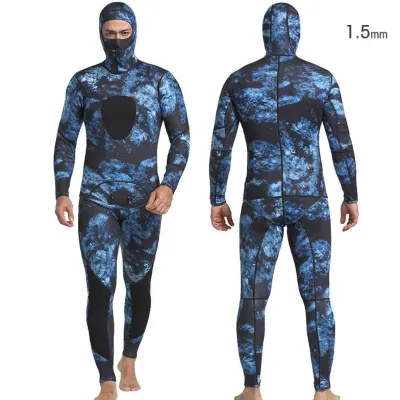
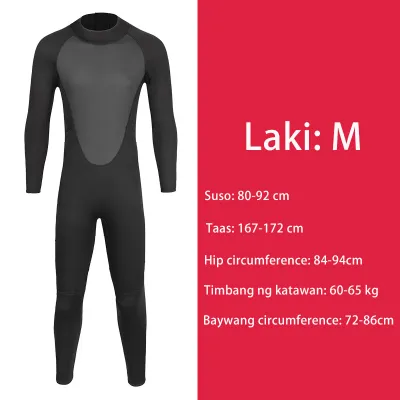
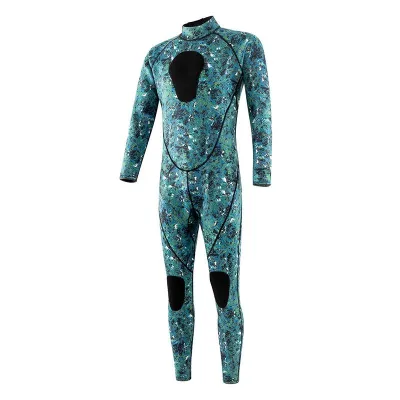
![[Ready stock] Dive&Sail With Hood Spearfishing Wetsuit Camouflage Diving Suit One Piece Full Body UV protection](https://img.lazcdn.com/g/p/9076e18179fe3967195dc2d526a6aa0a.jpg_400x400q80.jpg_.webp)
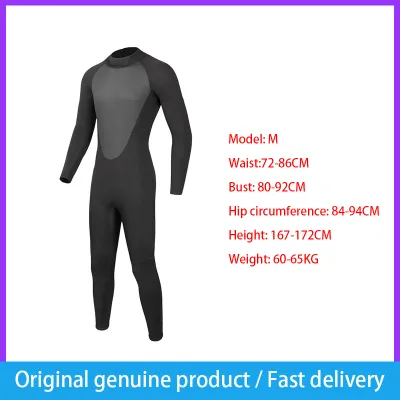
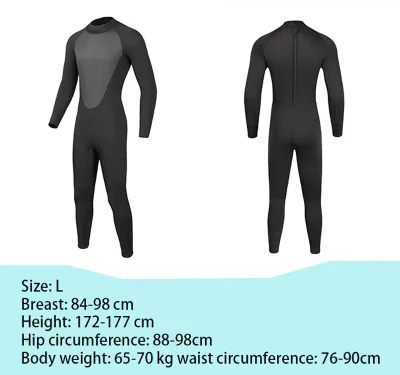
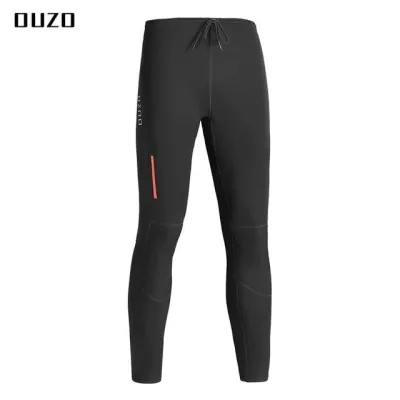
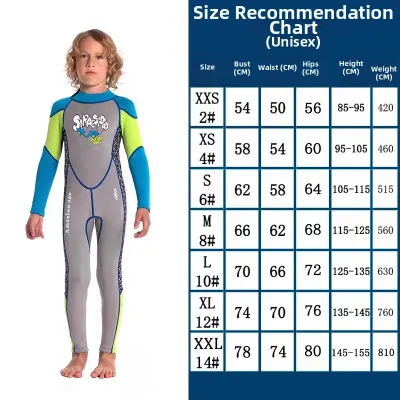
Prices are valid at publication and may change. Please refer to the product page for the latest price.
To make an informed choice, consider the depth and duration of your planned dives. Shallow dives under 15 meters usually keep you in the warmest water layer, where a thinner suit is highly effective. However, as you descend deeper, water temperatures drop, and you are more likely to encounter thermoclines—sudden layers of colder water. Understanding these variables allows you to match your gear to the specific conditions you will face, ensuring you stay comfortable from descent to safety stop.
1mm to 2mm: Shallow Reefs and High Activity
Wetsuits in the 1mm to 2mm range are highly suited for shallow reef dives, snorkeling, and high-exertion surface water sports. These ultra-thin suits offer excellent flexibility, allowing for an unrestricted range of motion while swimming or paddling. They also have a minimal impact on your buoyancy, meaning you will not need to carry as much lead weight on your weight belt to submerge.
However, the trade-off for this high flexibility is limited thermal retention. A 1mm or 2mm suit is generally not designed for long, stationary dives or deep underwater exploration where water temperatures are lower. If you plan on doing repetitive dives over several days, the residual heat loss can catch up with you in a thin suit. When shopping for these thinner options, always check the manufacturer’s specifications for exact thermal guidelines, material stretch capabilities, and overall durability to ensure the suit matches your intended activity level.
3mm: Deeper Dives and Cold Sensitivity
A 3mm wetsuit is widely considered the versatile workhorse for diving in tropical waters, especially if you plan on exploring deeper dive sites, encountering unexpected thermoclines, or participating in multi-day dive safaris. The extra millimeter of neoprene provides a substantial boost in core warmth without severely restricting your movement. This thickness is highly recommended for divers who naturally run cold, as well as underwater photographers who spend long periods hovering nearly motionless to capture a shot.
When selecting a 3mm suit, pay close attention to the seam construction details on the product label. Flatlock stitching is common in warm-water suits but can allow small amounts of water to seep through. For better thermal protection in deeper, cooler water, look for suits with glued and blind-stitched (GBS) seams. These sealed seams prevent cold water from constantly flushing through the suit, helping you retain your body heat far more efficiently during long exposures.
Essential Fit and Feature Checks for Warm Water Gear
Even the most advanced neoprene material will fail to keep you warm if the wetsuit does not fit your body correctly. A proper seal at the neck, wrists, and ankles is absolutely critical for thermal efficiency. If these openings are too loose, water will constantly flush in and out of the suit, carrying away the thin layer of water your body has worked to warm up. Conversely, seals that are too tight can restrict circulation and cause discomfort, particularly around the neck.

Zipper placement is another key feature to evaluate when choosing your gear. Back zippers are highly common and generally make the suit easier to slip on and off, though they can sometimes restrict flexibility along the spine and allow minor water entry along the zipper teeth. Front zippers or zipperless designs often provide better flexibility and a more secure seal against water entry, but they can be more challenging to don without assistance.
Before making a purchase, always consult the brand’s specific sizing chart rather than relying on your standard clothing size. Wetsuit sizing varies significantly between manufacturers. If possible, try the suit on in person; it should feel snug like a second skin without restricting your breathing or limiting your ability to bend your knees and reach your arms overhead.
Adjusting for Local Conditions and Operator Advice
While general guidelines are helpful, real-time local conditions should always influence your final gear decision. Before packing or renting gear, consult local dive centers in the Philippines. The dive professionals on the ground can provide invaluable insights into current water temperatures, seasonal thermoclines, and local marine life hazards, such as seasonal jellyfish blooms that might necessitate full-body coverage.
You can also use your own historical data to guide your choice. Reviewing your dive computer logs from previous tropical trips is an excellent way to objectively assess your personal heat loss patterns. Look at the recorded water temperatures and note how comfortable you felt in the suit you wore. If you find yourself shivering at 27°C, you know you need to lean toward a thicker 3mm suit or add a hooded vest.
Finally, prioritize your physical comfort and safety above all else. If a wetsuit causes chafing, restricts your breathing, or limits your mobility during a fitting, do not hesitate to stop and seek professional fitting advice or consult the manufacturer. A poorly fitting suit can lead to panic or fatigue underwater, turning an otherwise beautiful tropical dive into a stressful experience.
Frequently Asked Questions (FAQ)
Do I need a wetsuit for snorkeling in the Philippines?
While you may not strictly need a wetsuit for thermal insulation in shallow, sun-warmed surface waters, wearing a thin 1mm suit or a full-body rash guard is highly recommended. These garments provide essential protection against intense tropical UV rays, preventing severe sunburn during long hours on the surface. They also shield your skin from stinging hydroids, sea lice, and jellyfish, ensuring a much safer and more comfortable snorkeling experience.
How does a shorty compare to a full suit in warm water?
A shorty wetsuit, which features short sleeves and cut-off legs, offers excellent core warmth and is incredibly easy to put on and take off, making it a popular choice for casual warm-water dives. However, it leaves your arms and legs completely exposed to the elements. A full suit provides comprehensive protection against coral scrapes, stinging marine life, and sun exposure across your entire body. If you plan to dive near walls, wrecks, or in areas with potential currents, a full suit is generally the safer option.
Community discussion
Share your experience or ask a question. Comments are reviewed before publication.