
Quick Answer: Matching Your Profile to a Wilson Tennis Bag
Selecting the ideal Wilson tennis bag requires balancing your racket capacity, daily gear volume, and how you commute to the court. For casual players carrying one or two rackets alongside basic personal items, a dedicated tennis backpack offers a compact and highly mobile solution. Regular club players who carry three to six rackets, a change of clothes, and court shoes will find the classic six-pack or nine-pack shoulder bags to be the most practical choice. Tournament players, coaches, and competitive athletes who need to transport multiple frames, training aids, and extensive gear should opt for a twelve-pack or fifteen-pack tour bag. Because specific model availability, exact physical dimensions, and current prices in ₱ fluctuate, always verify these details on official retail channels or the brand’s website in the Philippines before finalizing your purchase.
Assess Your Gear Load and Playing Frequency
Before evaluating specific bag designs, you must calculate your required capacity based on how many rackets you own and how often you play. Tennis bag capacities are traditionally rated by the maximum number of bare rackets they can hold, but these ratings do not account for extra gear. If you choose a bag that matches your racket count exactly, you will quickly run out of space for shoes, towels, and water bottles.

Understanding the standard capacity tiers helps prevent purchasing a bag that you will quickly outgrow:
Products mentioned in this guide
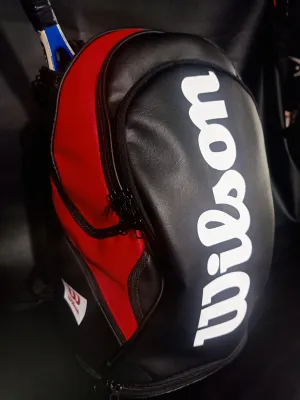
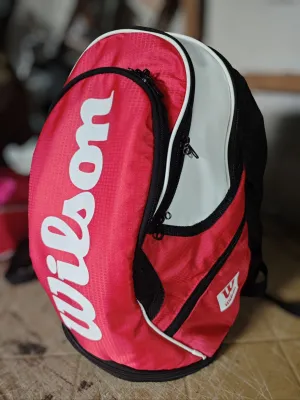
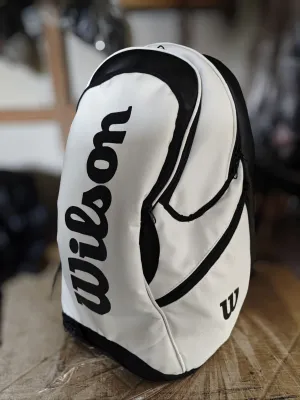
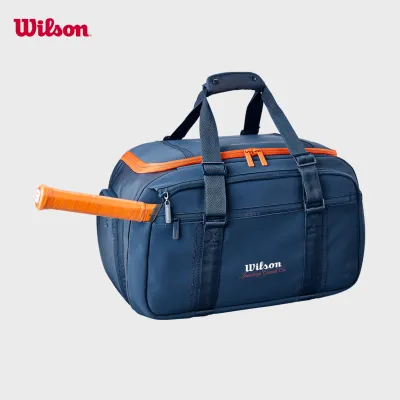
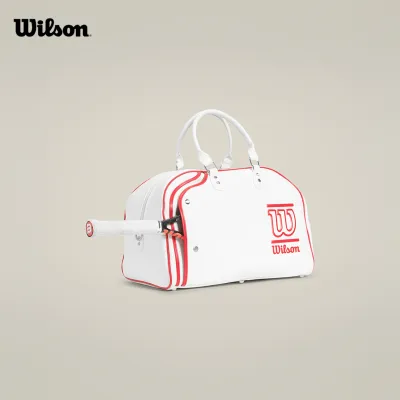
Prices are valid at publication and may change. Please refer to the product page for the latest price.
- 3-Pack Bags: These are designed for recreational players who carry one or two rackets. The remaining space is typically just enough for a can of balls, a wallet, and a set of keys. If you plan to pack a change of clothes or court shoes, a three-pack will feel highly restrictive.
- 6-Pack to 9-Pack Bags: This range represents the sweet spot for the dedicated club player. A six-pack bag comfortably accommodates three rackets in one compartment, leaving the second compartment entirely free for clean apparel, towels, and accessories. A nine-pack bag offers a third compartment, allowing you to separate your clean gear from dirty items easily.
- 12-Pack to 15-Pack Bags: Engineered for competitive tournament players and coaches, these high-capacity bags feature multiple large compartments. They allow you to carry five or more rackets while leaving ample room for training equipment, medical kits, and multiple changes of clothing.
Playing frequency and session length also dictate your storage needs, especially when dealing with tropical climates. Playing tennis in high humidity means you will generate a significant amount of sweat, resulting in damp clothes, wet wristbands, and soaked grip tape. Storing damp items alongside your dry rackets can damage frame cosmetics, degrade grip adhesives, and cause string tension to drop rapidly.
To maintain hygiene and protect your equipment, look for bags that feature dedicated shoe tunnels and ventilated compartments. A shoe tunnel isolates dirty clay-court or hard-court shoes from the rest of your gear, preventing dust and debris from settling on your rackets. Ventilated mesh pockets allow damp towels and apparel to breathe, reducing the buildup of mold, mildew, and unpleasant odors during your commute home.
Compare Bag Styles by Carrying Preference
How you transport your gear to the court is just as important as how much gear you carry. The right bag style should complement your daily commute, whether you ride a motorcycle, take public transit, or drive directly to the sports club.
Backpacks
Tennis backpacks are the ultimate solution for active commuters, cyclists, and players who prefer a compact footprint. These bags store rackets vertically, with the handles extending upward out of a dedicated rear compartment. This design keeps your hands free and prevents the bag from bumping against your legs while walking or riding.
When evaluating a tennis backpack, inspect the shoulder straps and back paneling. Look for thick, high-density foam padding and breathable mesh lining to prevent heat buildup against your back. Adjustable chest or sternum straps are excellent additions, as they help distribute the weight of multiple rackets evenly across your torso, reducing shoulder strain during long walks.
Shoulder and Tote Bags
Shoulder bags, including traditional six-pack and nine-pack designs, offer a classic tennis aesthetic and quick access to all your gear. These bags feature a long, horizontal profile that fully encloses your rackets, protecting the entire frame and grip from dust, moisture, and physical impact. They are ideal for players who drive to the court and only need to carry their gear from the parking lot to the net.
Because these bags can become heavy when fully loaded, you must verify the quality of the carrying system. Look for adjustable shoulder straps with movable comfort pads that prevent the strap from digging into your collarbone. Reinforced grab handles at the top and ends of the bag are also essential, as they allow you to lift the bag easily out of a car trunk or off a storage rack.
Tour Duffels and Wheeled Bags
For players who travel frequently for regional tournaments or spend entire weekends at the club, tour duffels and wheeled bags provide maximum storage capacity. Duffels feature a wide, open main compartment that allows you to stack gear efficiently, making them highly versatile for non-tennis travel as well. Wheeled bags take the physical strain off your shoulders entirely by utilizing a rolling chassis.
When selecting a wheeled bag or a heavy-duty duffel, pay close attention to structural stability. Verify that the bag features a reinforced base plate or molded plastic feet to prevent the fabric from scraping against rough concrete surfaces. For wheeled models, check the durability of the wheel housings and ensure the telescoping handle locks securely into place without excessive play.
Key Specifications to Verify Before Purchase
To ensure your tennis bag survives daily wear and tear while protecting your expensive rackets, you must inspect the product specifications and material labels carefully before buying.
Thermal and Climate Protection
Extreme heat is one of the greatest enemies of tennis equipment. High temperatures cause synthetic strings to stretch and lose tension, which directly impacts your control on the court. Prolonged exposure to heat can also soften the adhesives used under your replacement grips, causing them to slip during play.
When browsing Wilson bag models, look for compartments lined with thermal protection materials, often designated as Thermoguard. This specialized lining acts as a barrier against external temperature spikes, keeping your rackets cool even when the bag is sitting on a hot court bench. Verify that the thermal compartment is large enough to hold your primary rackets comfortably without forcing the zippers.
Material and Water Resistance
Sudden tropical downpours can catch you off guard, making water resistance a critical feature for any outdoor sports bag. You need a bag fabric that can repel water long enough for you to seek shelter without moisture seeping through to your rackets and dry clothes.
Check the product description for the fabric’s denier rating, which measures the thickness and density of the individual threads. A higher denier rating, such as 900D or 1200D polyester, indicates a highly durable, abrasion-resistant fabric. Additionally, look for polyurethane coatings or water-repellent treatment labels on the product tag, which help water bead up and roll off the surface rather than soaking into the material.
Zippers and Hardware
Zippers are the most common failure point on any sports bag, especially when the compartments are packed tightly. A broken zipper can render an otherwise perfect bag completely unusable.
Examine the zippers closely on the product page or in-store. Look for heavy-duty, oversized zipper tracks and robust metal pulls that can withstand repeated tugging. Double-stitched seams around the zipper tape are a strong indicator of quality construction, ensuring the fabric will not tear away from the zipper track under tension. Self-repairing zippers are also highly desirable, as they can realign themselves if they accidentally split open.
Final Decision Framework
To finalize your selection, use the following structured framework to match your physical requirements and playing habits to the correct bag style.
Choose a Tennis Backpack if:
- You carry only one or two rackets to the court.
- You commute by motorcycle, bicycle, or public transit.
- You want a versatile bag that can double as a gym or work bag.
- You prefer a lightweight, vertical carrying style that keeps your hands free.
Choose a 6-Pack or 9-Pack Shoulder Bag if:
- You carry three to four rackets regularly.
- You need dedicated space to separate clean clothes from sweat-soaked gear.
- You drive to the court or have a very short walk from your vehicle.
- You want full-length protection that covers your racket grips entirely.
Choose a 12-Pack or Tour Duffel if:
- You carry five or more rackets or travel frequently for tournaments.
- You need to pack multiple pairs of shoes, training aids, and medical supplies.
- You require advanced thermal protection compartments for multiple frames.
- You do not mind a larger, heavier bag in exchange for maximum storage capacity.
Verify first before purchasing:
- Internal Dimensions: Measure the total length of your rackets from the top of the hoop to the butt cap, and cross-reference this measurement with the bag's stated internal dimensions to ensure a comfortable fit.
- Stock and Warranty: Check official retail channels in the Philippines to confirm that your preferred colorway and model are currently in stock and covered by a manufacturer's warranty.
- Strap Adjustability: Ensure the shoulder straps can be adjusted sufficiently to match your height and torso length, preventing the bag from riding too low and straining your lower back.
Frequently Asked Questions (FAQ)
Can I use a standard sports duffel instead of a dedicated tennis bag?
While a standard sports duffel can physically hold your gear, it lacks the specialized structural features required to protect tennis equipment. Standard duffels do not have dedicated, padded racket compartments, meaning your frames will rub against each other, leading to paint chips, frame scratches, and potential structural damage. Furthermore, loose rackets inside a generic bag are highly susceptible to shifting, which can warp the strings and cause premature tension loss. Dedicated tennis bags feature shaped pockets that hold rackets securely in place, preventing movement and isolating them from abrasive items like keys, metal water bottles, and shoe eyelets.
How do I clean and maintain a tennis bag to prevent odors?
To prevent persistent odors and mold growth, always empty your tennis bag immediately after every playing session. Remove sweat-soaked apparel, damp towels, and court shoes, and leave all the bag compartments zipped open in a well-ventilated, shaded indoor area to air-dry completely. For physical cleaning, check the manufacturer’s care label inside the bag first. Do not machine wash or submerge the bag in water, as this can destroy the water-resistant coatings and ruin the internal thermal lining. Instead, spot-clean the exterior and interior surfaces using a soft cloth dampened with water and a mild, non-abrasive soap, then allow it to air-dry away from direct sunlight.
Are Wilson tennis bags unisex, or are there specific men's designs?
Most high-performance tennis bags are designed with universal ergonomics and neutral colorways, making them suitable for all players regardless of gender. The primary differences lie in the overall physical dimensions, aesthetic styling, and strap adjustability. Taller individuals or those with broader shoulders should pay close attention to the shoulder strap adjustment range on backpack models to ensure the bag sits comfortably across the upper back without restricting arm movement. When selecting a bag, focus on how the physical dimensions and carrying system align with your body frame and gear requirements rather than looking for gender-specific labels.
Community discussion
Share your experience or ask a question. Comments are reviewed before publication.