
Selecting the ideal yoga mat material is a personal decision that directly impacts your stability, comfort, and practice longevity. In a tropical climate like the Philippines, where high humidity and sweat are constant factors, the physical properties of your mat become even more critical. Thermoplastic Elastomer (TPE), Polyvinyl Chloride (PVC), natural or synthetic rubber, and cork each offer distinct advantages and trade-offs in terms of grip, cushioning, weight, and environmental impact. Understanding these material differences allows you to match your mat to your specific practice style, joint support needs, and maintenance preferences.
Comparing the Basics: TPE, PVC, Rubber, and Cork Yoga Mats
To make an informed choice, you must first understand what these materials are and how they behave physically. Thermoplastic Elastomer, commonly known as TPE, is a synthetic blend of plastic and rubber polymers. It is lightweight, typically features a closed-cell structure that resists moisture absorption, and has a soft, rubber-like texture without the heavy weight.
Polyvinyl Chloride, or PVC, is a traditional synthetic plastic material. It is highly durable, dense, and resistant to tearing, but it is also heavier than TPE. PVC mats are generally closed-cell, meaning they do not absorb liquids, making them easy to wipe clean but potentially slick when wet.
Products mentioned in this guide
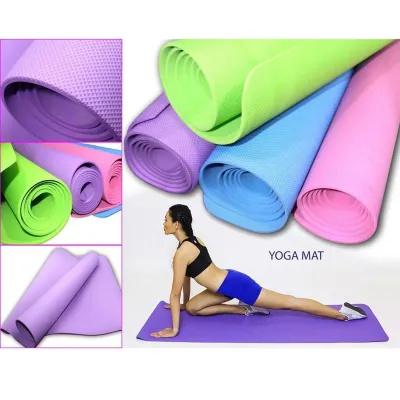
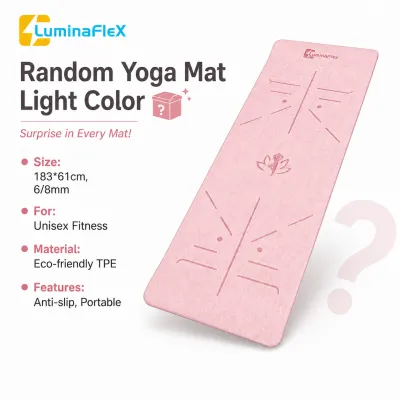
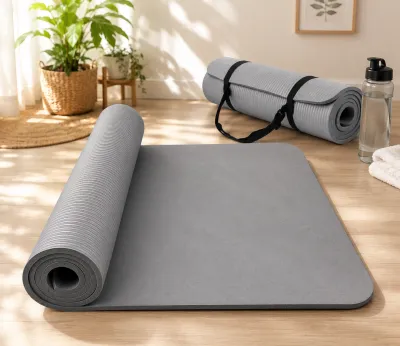
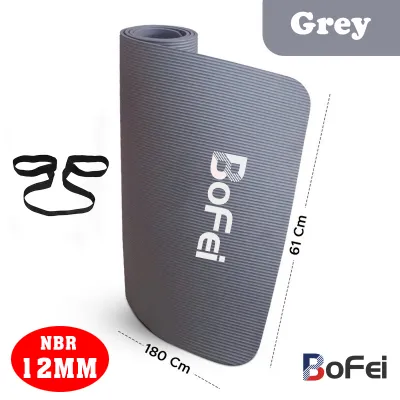
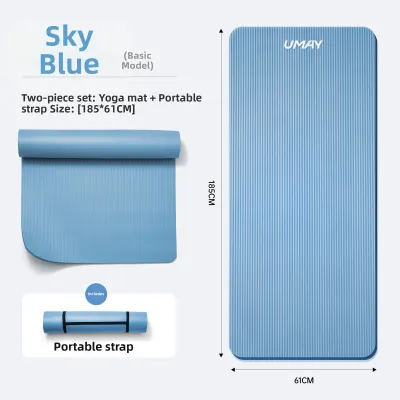

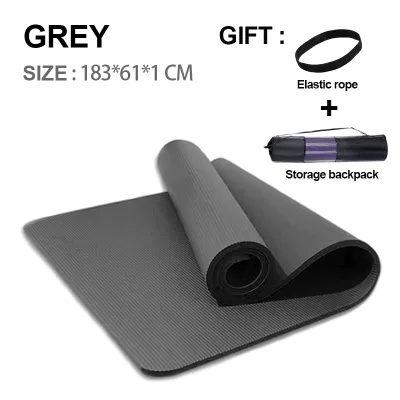
Prices are valid at publication and may change. Please refer to the product page for the latest price.
Natural rubber mats are harvested from rubber trees, though some synthetic rubber variations exist. These mats are highly dense, heavy, and offer an open-cell structure that naturally provides excellent dry traction. However, natural rubber has a distinct, earthy odor when new and can trigger reactions in individuals with latex sensitivities.
Cork mats feature a natural cork bark top layer bonded to a backing material, which is typically natural rubber or TPE to keep the mat from sliding. Cork has a unique, smooth, woody texture that feels warm to the touch and becomes grippier when exposed to moisture.
From an environmental perspective, natural rubber and cork are sourced from renewable plant materials, whereas PVC is a petroleum-based plastic that is difficult to recycle. TPE occupies a middle ground, often marketed as more recyclable than PVC, though actual recycling depends heavily on local municipal capabilities. When evaluating environmental claims, always verify the specific recycling facilities available in your area rather than relying on broad marketing labels.
Matching Mat Materials to Your Practice Style and Grip Needs
Your choice of material should align closely with how much you sweat and the style of yoga you practice. In warm, humid environments, moisture management is key to maintaining stability and preventing injury.

For dry practices, such as restorative yoga, gentle hatha, or slow-paced yin yoga, PVC and TPE mats provide excellent dry grip. Their closed-cell surfaces offer a stable foundation where your hands and feet will not slip. However, if your hands begin to sweat, moisture can pool on top of these closed-cell surfaces, creating a slick barrier.
If you practice dynamic vinyasa, power yoga, or hot yoga, wet grip becomes your primary safety concern. Cork and natural rubber excel in these high-moisture scenarios. Cork contains a natural waxy substance called suberin, which actually increases traction when wet, making it highly suitable for sweaty hands. Natural rubber’s open-cell structure absorbs small amounts of moisture to maintain a reliable grip, though it requires more thorough cleaning afterward to prevent buildup.
Cushioning and density also vary significantly across these materials, affecting joint support. PVC and natural rubber are highly dense materials, offering firm, stable compression resistance that protects your knees and wrists during weight-bearing poses without making you feel unstable. TPE mats are generally softer and loftier, providing comfortable cushioning but sometimes compressing fully under concentrated weight, which may affect balance in standing poses. Cork mats provide a firm, solid surface that mimics practicing on a wooden floor, offering excellent stability for standing balances but less soft cushioning for sensitive joints unless paired with a thick rubber base.
Managing Durability, Care, and Maintenance by Material
Maintaining your yoga mat properly ensures its longevity and prevents the buildup of bacteria, especially in humid tropical conditions. Each material requires a specific care routine to prevent premature degradation.
PVC mats are exceptionally durable and can withstand vigorous cleaning. They are highly resistant to flaking and can be wiped down with mild soap and water. However, you should avoid harsh chemical solvents or submerging them unless specified by the manufacturer, as trapped water can ruin the inner scrim.
TPE mats are more delicate. Because they are sensitive to heat and UV light, leaving a TPE mat in a hot car or under direct sunlight in the Philippines can cause the material to warp, melt, or degrade rapidly. Clean TPE mats with a damp cloth and mild, diluted detergent, and always air-dry them completely in the shade.
Natural rubber mats require careful handling to preserve their open-cell structure. Avoid using alcohol, essential oils, or heavy detergents, which can break down the natural rubber compounds and cause the surface to become dry, brittle, and flaky. Wipe them down with a highly diluted vinegar-and-water solution, and store them away from direct sunlight to prevent oxidation, which turns the rubber a dull, slippery gray.
Cork mats are naturally antimicrobial, resisting mold and mildew, which is a significant advantage in humid climates. However, they must never be folded, as folding will cause the cork surface to crack and split; always roll them with the cork side facing outward. Clean cork surfaces gently with a damp cloth and plain water, avoiding abrasive scrubs that could wear away the thin cork layer.
Verifying Material Claims and Finalizing Your Choice
When shopping for a yoga mat, especially on online marketplaces or in local sporting goods stores, it is important to verify product specifications rather than relying solely on promotional descriptions.
Begin by reading the product label carefully to identify the exact material composition. Some mats marketed as “eco-friendly” or “natural” may only contain a thin top layer of cork or rubber bonded to a thick PVC or synthetic foam base. Look for clear material breakdowns and independent certifications, such as OEKO-TEX or RoHS, which verify that the materials have been tested for harmful substances.
If shopping in person, perform a few simple physical checks. Press your thumb firmly into the mat to test its rebound; a high-quality mat should spring back quickly rather than leaving a permanent indentation. Lift the mat to assess its weight, keeping in mind how you plan to transport it—a heavy 3 kg natural rubber mat may be excellent for home use but inconvenient to carry on a daily commute.
To finalize your decision, balance your budget against your practice frequency and material trade-offs. Entry-level TPE mats are often budget-friendly, typically ranging from ₱800 to ₱1,800, making them excellent for beginners or casual practitioners who value portability. High-density PVC mats and premium natural rubber or cork mats are more significant investments, often ranging from ₱2,500 to ₱6,000 or more. These durable options are better suited for dedicated practitioners who require long-term durability and reliable grip under demanding, daily practice conditions.
Frequently Asked Questions (FAQ)
Are TPE yoga mats completely non-toxic and biodegradable?
While TPE (Thermoplastic Elastomer) is generally manufactured without harmful phthalates or heavy metals common in low-grade PVC, it is still a synthetic polymer blend. It is often marketed as biodegradable, but this process typically requires specific industrial composting conditions rather than simple backyard degradation. To understand the true environmental footprint of a TPE mat, check the manufacturer’s specific disposal instructions and verify if your local recycling facilities accept synthetic elastomer blends.
Why does my new rubber or PVC yoga mat smell, and is it safe?
New natural rubber mats have a distinct, sweet, rubbery odor, while PVC mats may emit a mild plastic scent due to manufacturing off-gassing. These odors are normal and generally harmless, but they can be strong initially. To reduce the smell, unroll your mat and let it air out in a well-ventilated, shaded indoor area for several days before your first use. Avoid leaving it in direct sunlight, as UV rays can damage both materials. If a strong chemical smell persists or causes headaches, consult the retailer’s return policy.
Can I use a cork yoga mat for high-intensity or hot yoga?
Yes, cork mats are highly suitable for high-intensity and hot yoga because cork’s grip improves as it gets wet. The natural suberin in cork reacts with moisture to increase traction, preventing your hands and feet from slipping during sweaty sessions. However, ensure the mat has a heavy natural rubber base to prevent the entire mat from sliding on the floor. If your hands are very dry at the start of a session, you can lightly spray the mat’s surface with water to activate the grip immediately.
Community discussion
Share your experience or ask a question. Comments are reviewed before publication.