
Flying a sarangola kite along the sandy shores of the Philippines is a classic family activity, but the coastal environment presents unique aerodynamic challenges. Steady sea breezes can quickly turn into gusty onshore winds, while crowded shorelines demand a kite that is easy to control and safe around other beachgoers. For children, the safest and easiest kite design for beach flying is a single-line frameless parafoil kite, closely followed by a small, lightweight single-line delta kite.
These specific designs are highly recommended because they require minimal physical strength to launch and maintain in the air. Frameless parafoil kites utilize the wind itself to keep their shape, completely eliminating the risk of rigid fiberglass or wooden spars breaking and causing injuries during a hard crash. Small delta kites, on the other hand, feature a wide, triangular surface area that naturally glides on light breezes, making them incredibly forgiving for young, inexperienced flyers. Choosing the right design ensures that your beach day remains focused on outdoor fun rather than struggling with tangled lines or heavy, high-pull equipment.
Key Design Features for Coastal Safety and Control
When selecting a sarangola kite for a child to use at the beach, understanding the physical structure of the kite is essential. Coastal winds are typically stronger and more consistent than inland breezes, which means a kite will experience higher tension and lift. Evaluating specific structural features will help you choose a model that remains manageable for a young flyer.
Products mentioned in this guide
![BIN LU [Ready Stock] Huge Eagle Kite Saranggola Malaki Bird Kites for Kids with Free String and Winder Outdoor Sports Games for Family Bonding COD Available Durable Material Easy to Fly Kite](https://img.lazcdn.com/g/p/9f4d359fc7483a204d2f7bd38bfea8e6.jpg_400x400q80.jpg_.webp)
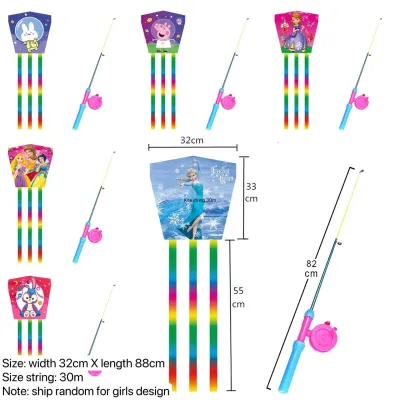
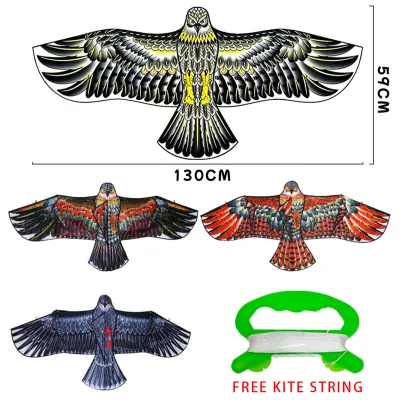
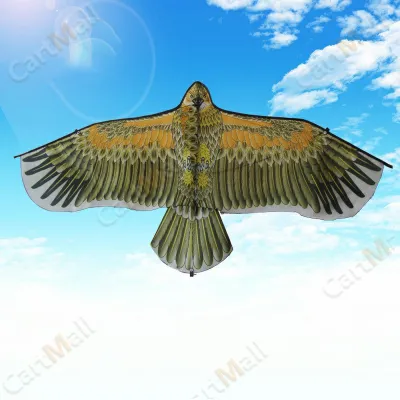
Prices are valid at publication and may change. Please refer to the product page for the latest price.
Frame vs. Frameless Designs
Traditional kites rely on rigid spars, usually made of fiberglass, carbon fiber, or bamboo, to maintain their shape. While these frames help the kite fly in lighter winds, they present safety risks at the beach. If a framed kite dives into the sand or collides with a person at high speed, the rigid spars can snap, splinter, or cause bruising.
Frameless soft kites, often called parafoils, use sewn pockets or cells that inflate with air to create an airfoil shape. Because they contain no hard parts, they cannot break upon impact, making them exceptionally safe for children and crowded public spaces. Furthermore, frameless kites are highly durable and can be stuffed directly into a beach bag without any risk of bending or breaking the frame.
Single-Line vs. Multi-Line Controls
Control systems dictate how much coordination and physical effort are required to fly a kite. Single-line kites are the standard for children because they operate on a simple principle: the flyer only needs to manage the tension of one string. Once the kite reaches its flying altitude, it self-stabilizes in the wind, allowing the child to hold the line or anchor it safely.
Multi-line kites, such as dual-line stunt kites, require the flyer to pull left or right to steer. These designs are built to generate high speed and strong pull, which can easily overpower a young child’s grip or drag them across the sand. For children under the age of twelve, stick strictly to single-line setups to prevent loss of control and potential injuries.
Tails and Stability
Coastal winds can be unpredictable, with sudden gusts that can cause a kite to spin or dive. A tail is not merely a decorative accessory; it plays a critical role in stabilization. The tail adds aerodynamic drag to the bottom of the kite, which naturally pulls the tail downward and keeps the nose of the kite pointed up into the wind.
For beach flying, look for kites that include long ribbon tails, tube tails, or multiple streamers. If a kite begins to loop erratically in strong coastal breezes, adding a longer tail or a tail extension is often the easiest way to restore stable flight.
Line and Handle Safety
The line and handle are the direct points of contact between the child and the kite. Cheap plastic line holders often have sharp edges, and thin monofilament lines (similar to fishing line) can easily cut or burn small hands under tension.
Select a kite equipped with a thick, braided polyester or nylon line. These materials are non-abrasive, easier to grip, and less likely to snap under sudden tension. The handle should be an ergonomic hoop or a spool design that allows the child to hold it securely with both hands without wrapping the line around their fingers.
Comparing Popular Kite Designs for Beginners
Not all kite shapes behave the same way in coastal conditions. Comparing the most common designs helps clarify which options provide the best balance of safety, ease of launch, and stability for young flyers.

Delta and Diamond Kites (Classic and Stable)
Delta kites feature a wide, triangular shape with a built-in fabric keel that acts as a rudder. This design is highly efficient, allowing the kite to launch in very light breezes and climb to high altitudes with minimal effort. The wide wing area provides excellent stability, making delta kites a reliable choice for beginners. However, because they contain rigid fiberglass spars, parents must inspect the frame before each flight to ensure there are no cracks or splinters.
Diamond kites are the iconic shape most people associate with a traditional sarangola. While they are simple to assemble and fly, they are less stable in gusty beach winds than delta designs. A diamond kite requires a substantial tail to prevent it from spinning out of control when hit by a sudden coastal gust. If you choose a diamond shape, ensure it has a tail that is at least three to five times the length of the kite itself.
Parafoil and Soft Kites (Frameless and Safe)
Parafoil kites are designed like miniature parachutes, featuring open cells on the leading edge that scoop up the wind to create structure. They are widely considered the safest option for children because they contain absolutely no rigid parts. If a parafoil kite crashes, it simply deflates and lands softly on the sand.
Another major benefit of parafoil kites is their portability. They can be packed down into a small, lightweight pouch, making them easy to carry to the beach along with towels, toys, and umbrellas. The main trade-off is that they require a steady, continuous breeze to stay inflated; if the wind drops completely, the kite will deflate and fall, requiring a manual relaunch once the breeze picks up.
Box and Stunt Kites (Designs to Avoid for Young Kids)
Box kites are three-dimensional, rigid structures that look like flying boxes or cells. While they are visually impressive and highly stable in very strong winds, they are heavy and generate a significant amount of pull. The rigid frame is complex to assemble and can easily break during a hard landing on packed wet sand.
Stunt kites, or sport kites, use two or more lines to perform loops, dives, and aerial tricks. These kites fly at high speeds and require constant, active steering with both hands. Because of the high speeds and strong pull, stunt kites pose a physical hazard to young children and nearby beachgoers, and they should be reserved for older, experienced flyers who have received proper instruction.
Essential Safety and Setup Tips for the Beach
Even with the safest kite design, flying a sarangola at the beach requires proper preparation, environmental awareness, and supervision to ensure a safe experience.
Checking Wind and Weather
Before launching a kite, assess the wind speed and weather conditions. The ideal wind range for a child’s kite is between 8 and 15 miles per hour (around 12 to 24 kilometers per hour), which feels like a gentle to moderate breeze.
Always check the local weather forecast before heading out. In the Philippines, tropical weather can change rapidly; avoid flying if there are signs of approaching rain showers, squalls, or lightning. Never attempt to fly a kite in offshore winds (winds blowing from the land out toward the sea), as a snapped line can quickly carry the kite far into the deep water where it cannot be safely retrieved.
Launching and Landing Techniques
Using a two-person launch method is the easiest and safest way to get a kite into the air. Have an adult or a helper hold the kite downwind, facing the wind, while the child stands upwind holding the line handle. The helper should hold the kite by its frame or edges and gently release it into the air as the wind catches it, rather than throwing it upward.
To land the kite safely, instruct the child to slowly wind the line back onto the spool. If the wind is too strong to wind the line easily, an adult should walk down the line, pulling it down hand-over-hand while wearing protective gloves, to bring the kite safely to the ground. Avoid letting the kite drag across abrasive wet sand, which can damage the fabric and wear down the line.
Spatial Awareness and Hazards
Beaches offer wide-open spaces, but they also contain hidden hazards. Always maintain a safe distance of at least 50 meters from overhead power lines, coastal roads, trees, and buildings.
Be mindful of other beachgoers. Never fly a kite directly over crowded sunbathing areas, active swimming zones, or near people walking along the shoreline. Kite lines can become nearly invisible in bright sunlight, creating a tripping hazard or a risk of entanglement for passersby.
Sun and Sand Protection
Flying a kite requires looking up at the sky for extended periods, which increases exposure to intense tropical sunlight. The reflective white sand and water at Philippine beaches amplify UV radiation, making sun protection a priority.
Ensure children wear broad-spectrum, water-resistant sunscreen, a wide-brimmed hat, and polarized sunglasses to protect their eyes from glare. Keep a bottle of fresh water nearby to ensure they stay hydrated during active outdoor play in hot, humid conditions.
Frequently Asked Questions (FAQ)
What is the ideal wind speed for a child's sarangola?
The ideal wind speed for a child’s kite is a gentle to moderate breeze, generally between 12 and 24 kilometers per hour. You can easily estimate this without any special equipment by observing your surroundings. If the leaves on coastal trees are rustling and flags are fully extended, the wind is perfect for flying. If large tree branches are swaying heavily, or if sand is blowing into your eyes, the wind is too strong and flying should be postponed for safety.
Can a strong gust pull a child into the water?
While a standard, small child’s kite (under one meter in wingspan) does not generate enough lift to lift a child off the ground, a sudden strong gust can create enough pull to cause a young child to lose their balance and slip on wet sand. If they are standing near the shoreline, they could be pulled into shallow water or waves. To prevent this, always ensure children fly their kites at a safe distance from the water’s edge, and provide direct adult supervision so you can assist if the wind suddenly intensifies.
How do I prevent string burns when flying?
String burns occur when a kite line slips rapidly through bare fingers under tension. To prevent this, teach children never to wrap the kite line around their hands, fingers, or wrists. Always use the provided plastic handle or spool to manage the line. If you are flying in stronger coastal winds, or if the child is using a larger kite, having them wear lightweight, snug-fitting gardening or athletic gloves will provide excellent protection against friction burns.
Community discussion
Share your experience or ask a question. Comments are reviewed before publication.