
Selecting the right thermal swimwear for kids requires matching the material thickness and design to the specific water temperature, duration of exposure, and physical exertion of their activity. While children love spending hours splashing in the water, their bodies cool down much faster than those of adults. Understanding how water temperature and activity levels interact is the first step in keeping your child warm, comfortable, and safe during their aquatic adventures.
Water conducts heat away from the human body up to 25 times faster than air. Because children have a higher surface-area-to-mass ratio and less insulating body fat than adults, they are highly susceptible to rapid heat loss. Even in warm tropical waters, a child who remains submerged for an extended period will eventually begin to shiver as their core body temperature drops.
The level of physical activity plays a critical role in how much insulation your child needs. High-movement activities, such as active pool games, bodyboarding, or vigorous swimming, cause the body to generate its own metabolic heat. For these scenarios, a lighter, more flexible garment is usually sufficient. Conversely, low-movement or stationary activities, such as floating during a snorkeling tour or waiting for instructions during a scuba diving lesson, provide very little internal heat generation, requiring thicker and more structured thermal insulation.
Products mentioned in this guide
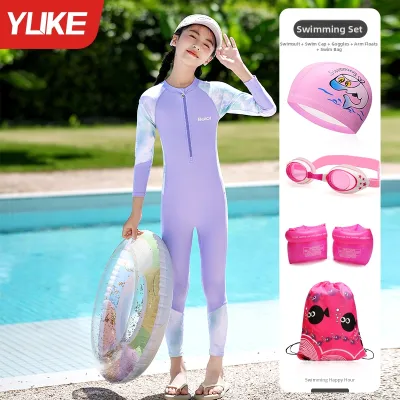
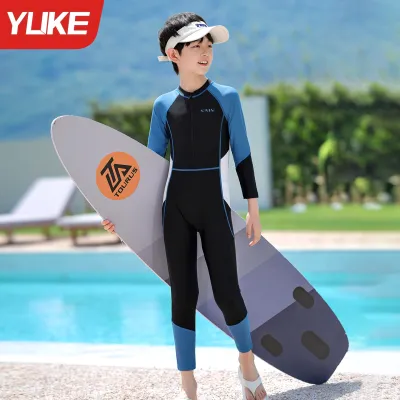
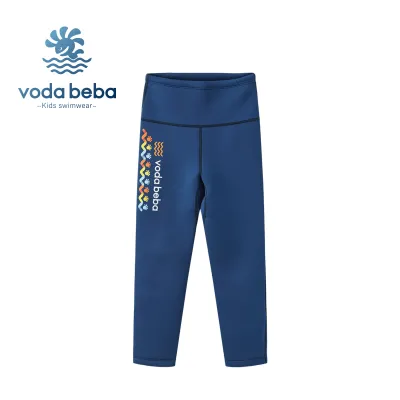
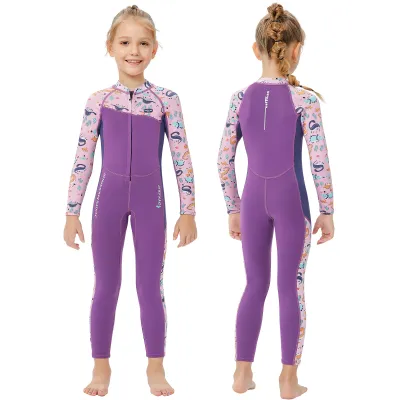
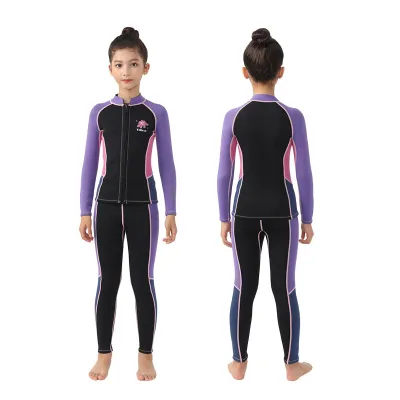
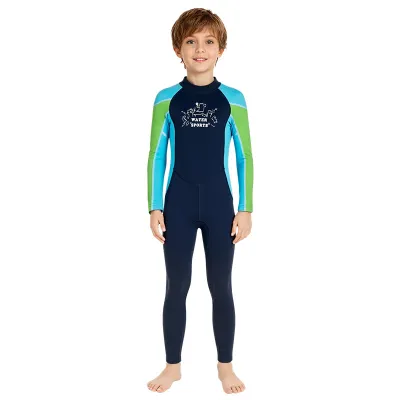
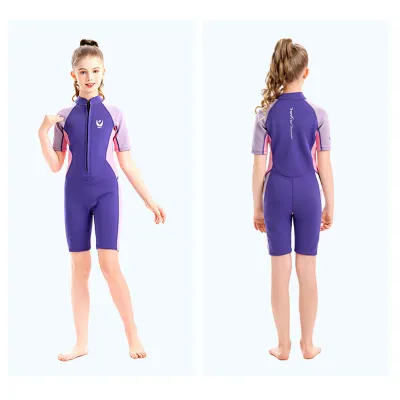
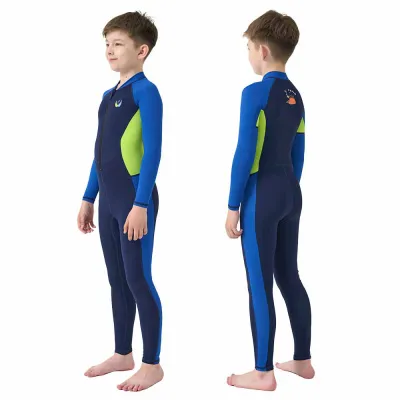
Prices are valid at publication and may change. Please refer to the product page for the latest price.
In tropical climates like the Philippines, parents often assume that warm air and surface water temperatures eliminate the need for thermal gear. However, local water conditions can vary, and prolonged exposure during long pool sessions or coastal excursions can still lead to discomfort. Furthermore, wind chill is a significant factor; when a child exits the water onto a breezy beach or a moving boat, the evaporation of water from their skin can cause rapid cooling. A well-chosen thermal suit acts as a barrier against both water conduction and wind chill, ensuring your child stays energized and comfortable throughout the day.
Key Features to Evaluate in Thermal Swimwear
Before purchasing thermal swimwear, parents must evaluate several key structural and material features to ensure the garment performs effectively. Thermal swimwear is not just standard swimwear with thicker fabric; it relies on specialized materials and construction techniques designed to trap heat and minimize water exchange. Always check the manufacturer’s specifications and product labels to confirm the gear is rated for your intended water conditions.
The primary material used for high-level thermal retention is neoprene, a synthetic rubber filled with tiny nitrogen bubbles that provide excellent insulation. Neoprene suits are typically categorized by thickness in millimeters, such as 1.5mm, 2mm, or 3mm. For highly active kids or warmer waters, hybrid materials like fleece-lined spandex or lycra blends offer a lighter alternative, providing moderate warmth and wind protection while allowing maximum flexibility. Quality thermal suits generally fall into broad price bands, with basic thermal rash guards starting around ₱1,000, while full neoprene suits can range from ₱2,500 to over ₱5,000 depending on thickness and seam technology.
Seam construction is another critical factor that determines both comfort and thermal efficiency. Standard flatlock stitching is highly durable and lies flat against the skin to prevent chafing, but it allows water to seep through the needle holes, making it best for warm-water activities. For maximum heat retention in cooler depths, look for glued and blind-stitched (GBS) seams, which are glued together and then stitched only halfway through the material to create a watertight seal that prevents cold water from flushing through the suit.
The design of zippers, neck seals, and cuffs directly impacts how well a suit retains heat. Front zippers allow children to dress and undress with minimal assistance, while back zippers offer a seamless chest panel that is more comfortable for surface swimming and reduces water entry. The neck seal, wrist cuffs, and ankle cuffs must fit snugly against the skin without causing constriction; tight seals are essential to prevent “water flushing,” which occurs when cold water constantly flows into the suit and washes away the warm layer of water trapped by the material.
Finally, sun protection should always be verified alongside thermal properties. Many high-quality thermal garments feature built-in UV protection, but you should always check the label for a certified Ultraviolet Protection Factor (UPF) rating, ideally UPF 50+. This ensures that your child is protected from harmful solar radiation during long hours of outdoor play, reducing the need for constant sunscreen reapplication on covered areas.
Matching Gear to Specific Water Activities
To select the most effective thermal swimwear, you must match the physical characteristics of the garment to the specific demands of your child’s water activity. Different environments present distinct thermal challenges, and a suit designed for a casual pool session may not provide adequate protection during a deep-water dive.

Casual Pool and Beach Swimming
For casual swimming lessons, resort pool play, or shallow beach splashing, the primary goals are high mobility and basic core warmth. Children in these environments are usually highly active, constantly running, jumping, and swimming, which generates significant body heat.
For these high-mobility, shorter-duration activities, lightweight thermal options are ideal. Look for thermal rash guards made of fleece-lined spandex or very thin neoprene shorty suits ranging from 1mm to 1.5mm in thickness. These garments provide just enough insulation to prevent shivering during a one-hour swim lesson while ensuring the child has a full, unrestricted range of motion for arm strokes and kicks. Check the product labels for high-stretch fabrics that dry quickly to keep the child comfortable when they step out of the water.
Snorkeling and Surface Water Exploration
Snorkeling presents a unique thermal challenge because children spend long periods floating face-down at the surface of the water. In this position, their backs are continuously exposed to the sun and wind, while their chests and limbs remain submerged in water that may feel cool over time.
For surface exploration, evaluate mid-weight thermal suits, such as 2mm neoprene shorties or full suits. These garments protect the core torso area from heat loss while allowing the arms and legs to move freely for finning and swimming. If your family is participating in an organized boat tour, ensure the thermal suit is compatible with snorkeling vests or personal flotation devices (PFDs) required by local operators; the suit should sit smoothly under the straps without bunching up or causing painful friction.
Scuba Diving and Prolonged Submersion
Participating in certified junior diving programs or deep-water submersion requires the highest level of thermal protection. As divers descend, water temperatures drop, and the increased pressure compresses the neoprene material, reducing its natural insulating capabilities.
For these specialized activities, always consult your child’s certified dive instructor or the guidelines of the training agency before purchasing gear. Look for full-body wetsuits, typically 3mm in thickness, which cover the arms and legs completely to protect against temperature drops and accidental scrapes against rocks or marine life. Ensure the suit features high-quality GBS seams and secure wrist, ankle, and neck seals to minimize water exchange during extended deep-water dives.
Ensuring Proper Fit, Mobility, and Safety
The effectiveness of any thermal swimwear depends entirely on a precise, secure fit. A suit that is too large will allow water to flow freely through the neck and limbs, completely neutralizing its insulating properties. Conversely, a suit that is too tight can restrict blood circulation, limit joint mobility, and make breathing difficult, creating safety hazards in the water.
When trying on a thermal suit, check that the material fits snugly against your child’s body like a second skin, with no loose folds or sagging pockets of air under the arms or around the crotch. To verify that the suit provides adequate flexibility without restriction, have your child perform a quick mobility test before heading to the water:
- The Hug Test: Ask your child to cross their arms and hug themselves tightly; the suit should not pull uncomfortably across the back or shoulders.
- The Squat Test: Have your child perform a deep squat; the material over the knees and lower back should stretch smoothly without pinching or pulling the crotch area upward.
- The Breath Check: Ensure your child can take deep, full breaths while the suit is zipped up completely; any feeling of chest tightness or restriction means the suit is too small.
It is vital to remember that thermal swimwear is not a substitute for certified personal flotation devices (PFDs) or life jackets. While neoprene possesses natural buoyancy, it does not provide the guaranteed flotation required to keep a child’s head safely above water, especially in rough currents or if the child becomes fatigued. Always prioritize water safety by using certified life jackets when appropriate, maintaining close adult supervision at all times, and understanding your child’s swimming ability limits. Inspect the gear regularly and stop use immediately if you notice signs of material degradation, tears, or a loss of elasticity.
Care and Maintenance for Thermal Fabrics
Proper care and maintenance are essential to preserve the structural integrity and thermal properties of your child’s swimwear. Saltwater, chlorine, sand, and UV radiation can rapidly degrade neoprene and synthetic fibers, leading to stiffness, cracking, and a loss of insulation over time.
Immediately after every use, rinse the thermal swimwear thoroughly inside and out with clean, fresh water. This simple, low-risk step removes salt crystals, chlorine residues, and sand particles that can abrade the fabric and damage the zippers. Pay close attention to the zipper tracks, gently sliding them back and forth under running water to clear out any trapped debris.
Once rinsed, hang the suit inside out to air-dry in a shaded, well-ventilated outdoor area. Avoid drying the garment in direct sunlight, as intense UV rays break down the synthetic rubber in neoprene and cause colors to fade. Never use a tumble dryer, household iron, or hot hair dryer, as excessive heat will melt or warp the thermal materials.
Store the thermal swimwear by laying it flat or hanging it on a wide, padded hanger. Avoid using thin wire hangers, which can stretch the shoulder seams and leave permanent creases in the neoprene. Do not fold the suit tightly for long periods, as deep creases can compress the insulating nitrogen bubbles within the material, permanently reducing its thermal efficiency.
When cleaning the suit, avoid harsh household detergents, bleach, fabric softeners, or dry-cleaning chemicals. If the suit develops an odor, wash it by hand using a mild, pH-neutral soap or a specialized wetsuit shampoo, following the manufacturer’s care label instructions precisely.
Frequently Asked Questions (FAQ)
Does thermal swimwear protect against sunburn?
While thick neoprene naturally blocks solar radiation, parents should not assume all thermal garments provide complete sun protection. You must check the product label for a certified UPF (Ultraviolet Protection Factor) rating, with UPF 50+ being the ideal standard for outdoor water activities. Any skin left exposed by shorty-style suits, such as the arms, neck, and lower legs, must still be protected with water-resistant sunscreen.
Can my child use a thermal swimsuit as a life jacket?
No, thermal swimwear is designed for insulation and thermal retention, not for lifesaving flotation. Although neoprene has inherent buoyancy that helps a child float slightly higher in the water, it cannot keep a weak or tired swimmer’s head above the surface. For non-swimmers, open-water activities, or when required by local safety regulations, always use a properly fitted, certified life jacket or personal flotation device (PFD).
Community discussion
Share your experience or ask a question. Comments are reviewed before publication.