
Setting up a high-performance fitness space in a modern condominium requires balancing your training ambitions with the physical realities of multi-family housing. If you are looking to bring Trademil heavy duty strength or cardio equipment into your home, the key to a successful setup lies in precise spatial planning and structural verification. Because heavy-duty fitness gear is built to withstand intense training loads, it typically features robust steel frames, wider bases, and significant physical weight. Determining which specific equipment fits your unit is not just a matter of floor space; it requires a systematic evaluation of your ceiling height, floor load limits, delivery access, and safety clearances. By verifying these factors before making a purchase, you can build a highly functional home gym that respects both your living space and your building’s regulations.
Measure Your Condo's Usable Workout Space
Before browsing equipment catalogs, you must establish the exact physical boundaries of your designated workout area. Start by measuring the clear floor footprint of the room or balcony area where you plan to train. Use a standard tape measure to map out the length and width, making sure to subtract the swing radius of doors, built-in cabinets, and existing furniture. In tight condo layouts, a piece of equipment that fits perfectly on paper can easily block a closet door or obstruct a primary walkway once installed.
Next, measure the usable ceiling height from the finished floor to the lowest overhead obstruction. Do not simply measure to the concrete slab; you must account for dropped ceilings, light fixtures, fire sprinklers, and ceiling fans. In the Philippines, many modern high-rise developments feature structural beams or utility soffits that significantly reduce vertical clearance in specific parts of the room.
Products mentioned in this guide
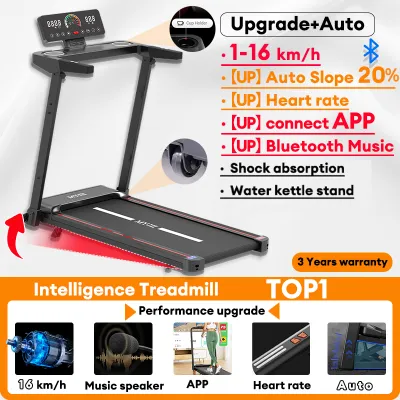
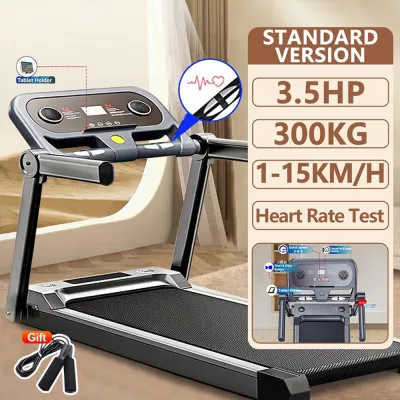
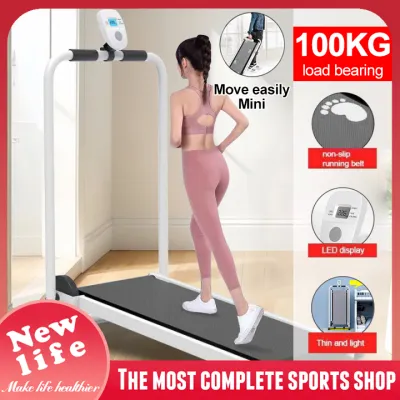
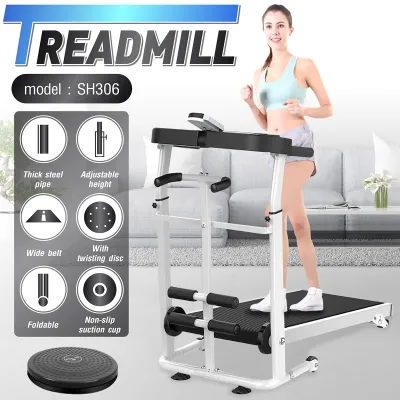
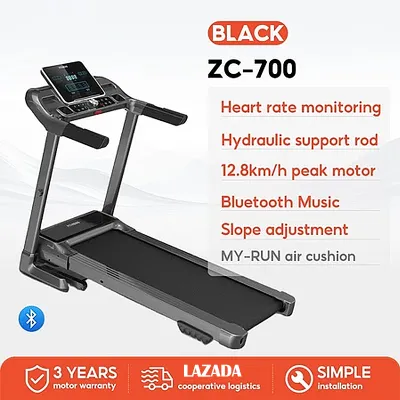
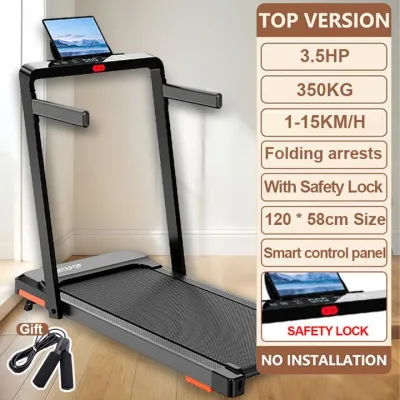
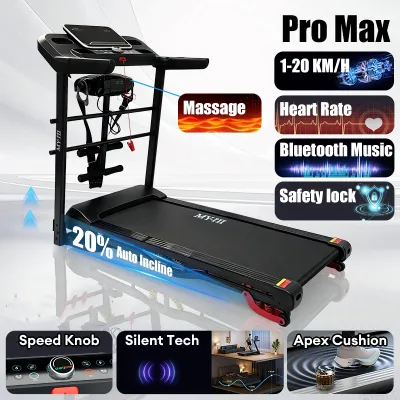
Prices are valid at publication and may change. Please refer to the product page for the latest price.
Equally important is the path the equipment must take to reach your unit. Measure the height and width of your condo’s doorways, hallways, and service elevators. Heavy-duty fitness equipment often ships in large, non-bendable wooden crates or heavy boxes that may not fit into standard passenger lifts or around tight hallway corners.
Finally, contact your condominium’s building administration or property management office to verify the maximum floor load capacity, typically expressed in kilograms per square meter. Ask for the building’s guidelines regarding structural modifications, noise rules, and delivery permits. Knowing these limits beforehand prevents costly delivery rejections or structural issues down the line.
Verify Trademil Heavy Duty Equipment Specifications
Once you have your condo’s exact measurements, you can begin matching them against the technical specifications of Trademil heavy duty equipment. The first step is to distinguish between the equipment’s active footprint and its stored or folded footprint. While a foldable treadmill or space-saving power rack might occupy minimal space when tucked away, it requires a much larger operational area when fully extended. Always design your layout around the maximum active dimensions to ensure you have enough room to perform exercises through their full range of motion.

Review the manufacturer’s specified ceiling clearance requirements for any tall structures, such as power cages, pull-up bars, or overhead pulley attachments. Remember that your body height must be added to the equipment’s height for exercises like pull-ups or shoulder presses. If your head or hands will extend above the top of the frame, you must ensure there is sufficient clearance to avoid hitting the ceiling or light fixtures.
You must also calculate the total physical weight of the setup. This includes the dry weight of the frame itself plus the maximum weight of any plates, dumbbells, or attachments you plan to store on it. For instance, a heavy-duty rack loaded with several hundred kilograms of iron plates can exert concentrated pressure on a small surface area.
To ensure accuracy, rely strictly on the official product manual, technical data sheets, or the manufacturer’s official website for dimensions and weight specifications. Avoid relying on general category averages or third-party retail listings, which may omit crucial details like stabilizer bar widths or adjustment knob protrusions.
Plan for Safety Margins and Structural Limits
Operating heavy-duty fitness equipment safely in a confined space requires strict adherence to safety clearances. Manufacturers typically recommend maintaining a clear zone of at least one to two meters around the perimeter of moving parts, weight drop zones, and emergency exit paths. In a condo, this buffer zone prevents you from colliding with walls or furniture if you lose your balance, and ensures you can quickly dismount from cardio machines in an emergency.
Vibration and noise management are critical when training in a shared residential building. The impact of running on a treadmill or dropping weights can easily travel through concrete floors, causing disruptive low-frequency noise for neighbors living below you. To mitigate this, plan to install high-density rubber gym tiles or specialized vibration-dampening mats beneath your equipment. These mats help distribute the weight across a larger surface area while absorbing structural vibrations.
If your chosen equipment requires wall or floor anchoring for stability—such as certain slim-profile power racks or suspension trainers—you must confirm whether your condo’s house rules permit drilling into structural concrete. Many buildings strictly prohibit drilling into post-tensioned slabs or shared partition walls due to the risk of damaging embedded utility lines or compromising structural integrity.
Always establish a clear stop condition during your planning phase. If you encounter any structural doubts, such as uneven flooring, suspicious wall cracking, or ambiguous load limits from your building admin, halt the installation immediately. Consult a licensed structural engineer or a professional fitness equipment installer to assess the space before proceeding.
Optimize Your Layout for Small Spaces
Maximizing a limited condo floor plan requires a strategic approach to equipment selection and layout design. Instead of purchasing multiple single-purpose machines, prioritize multi-functional heavy-duty rigs. A single multi-gym system or a power rack with integrated cable pulleys, band pegs, and pull-up bars can consolidate your entire workout routine into a single, highly efficient footprint.
To keep the active floor area clear of clutter, make full use of vertical space for storage. Wall-mounted weight plate pegs, vertical barbell holders, and hanging accessory racks allow you to store heavy items off the floor. This not only keeps your workout zone organized and safe from tripping hazards but also helps distribute the weight of your accessories across vertical structural elements where permitted.
If you are using foldable or storable components, position them near perimeter walls. This allows you to easily fold up a bench or treadmill and reclaim valuable floor space for daily living when your workout is complete. Ensure that the folding mechanisms are easy to operate and that the equipment can be securely locked in its stored position to prevent accidental tipping.
Finally, pay close attention to ventilation and lighting. The tropical climate and high humidity in the Philippines can make indoor workouts challenging without proper airflow. Position your workout zone near a window, balcony door, or air conditioning vent to maintain a comfortable temperature and prevent moisture buildup, which can lead to premature rust on steel frames. Ensure the area is well-lit so you can clearly see your equipment adjustments and maintain proper form throughout your training session.
Frequently Asked Questions (FAQ)
Can I install a heavy-duty rack in a condo with standard ceilings?
Yes, you can install a heavy-duty rack in a condo with standard ceilings, provided you select a model designed specifically for low-clearance spaces. Standard residential ceilings in Philippine condos often range from 2.4 to 2.7 meters, which can be tight for full-sized commercial power cages. To ensure a safe fit, measure the exact height from your floor to the lowest ceiling obstruction, keeping a safe distance from light fixtures and ceiling fans. When choosing a rack, look for compact heavy-duty models, which typically stand around 1.8 to 2.1 meters tall. Remember to account for the extra vertical clearance needed at the top of the rack for your head during pull-ups or for your hands during overhead presses.
How do I protect my condo floor from heavy gym equipment?
Protecting your condo floor requires a combination of weight distribution, shock absorption, and careful equipment handling. Before purchasing heavy gear, verify your building’s floor load limits with the condo administration to ensure the structure can support the concentrated weight. To safeguard your tiles, laminate, or hardwood floors, lay down high-density, commercial-grade rubber mats that are at least 15 to 20 millimeters thick. These mats absorb the impact of dropped weights and dampen the vibrations from cardio machines. When moving or positioning your heavy-duty equipment, never drag it across the floor; instead, use heavy-duty furniture sliders or hire professional movers to lift and place the machinery safely.
Community discussion
Share your experience or ask a question. Comments are reviewed before publication.