
Selecting a UV flashlight for night fishing and mineral hunting requires balancing precise light spectrum output with rugged outdoor durability. This guide helps you evaluate the technical specifications, build quality, and sourcing strategies needed to find a reliable tool that performs effectively in the diverse and demanding environments across the Philippines. Whether you are searching for fluorescent minerals along rocky riverbeds or illuminating specialized lures on a coastal night-fishing trip, understanding how to verify these tools ensures you invest in gear that delivers real-world performance.
In the tropical climate of the Philippines, outdoor gear faces intense challenges from high humidity, salt spray, and sudden downpours. A generic ultraviolet light designed for indoor pet stain detection will quickly fail when exposed to these elements. By focusing on key parameters like wavelength purity, ingress protection, and battery safety, you can confidently choose a UV flashlight that stands up to the elements and successfully reveals the hidden fluorescent world.
Understanding UV Wavelengths for Fishing and Rockhounding
To choose the right UV flashlight, you must first understand that ultraviolet light is not a single, uniform beam. The UV spectrum is divided into different wavelengths, measured in nanometers (nm), and choosing the wrong wavelength will render your flashlight virtually useless for your intended activity. For outdoor enthusiasts, the two most critical wavelengths to understand are 365nm and 395nm, each serving distinct purposes in the field.
Products mentioned in this guide
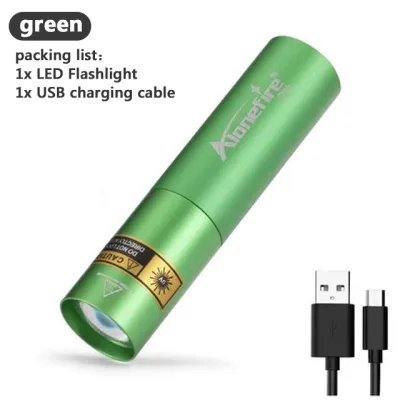
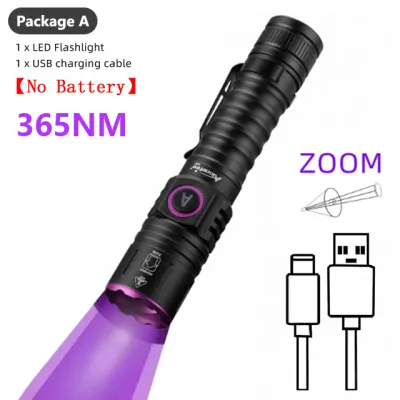
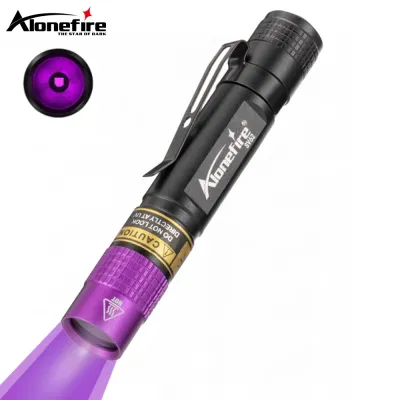
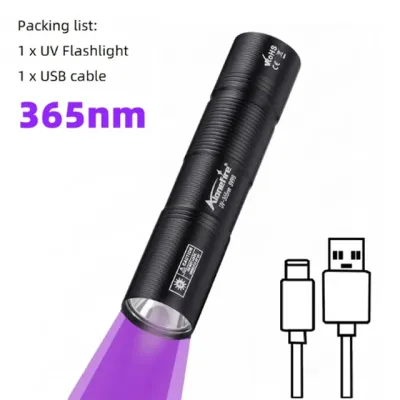
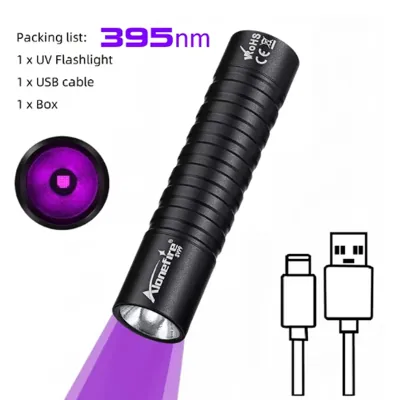
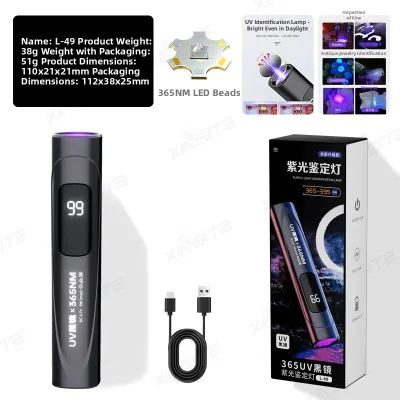
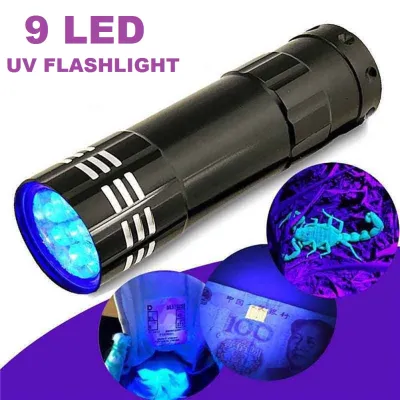
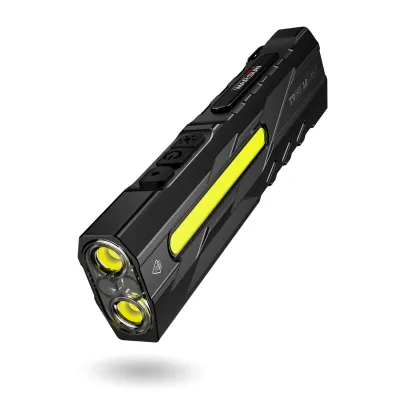
Prices are valid at publication and may change. Please refer to the product page for the latest price.
For rockhounding and mineral hunting, a 365nm wavelength is generally considered the standard. Many fluorescent minerals, such as certain calcites, fluorites, and sodalites found in volcanic or mountainous regions, only react and glow under this shorter wavelength. A 365nm light excites these minerals deeply while producing very little visible light, allowing the vibrant, fluorescent colors of the rocks to stand out against the dark background without being washed out.
Conversely, night fishing often relies on a 395nm wavelength. This slightly longer wavelength produces a more visible purple or violet glow, which is highly effective for activating fluorescent fishing lines, glowing soft plastic lures, and spotting specific marine organisms near the water’s surface. While a 395nm light can be used for some basic mineral identification, it emits a significant amount of visible purple light bleed that can easily overpower the faint fluorescence of many collectible stones.
Identifying and avoiding visible light bleed is crucial when selecting a high-quality UV flashlight. Lower-grade LEDs often emit a wide band of light that includes a distracting purple glare. To combat this, premium UV flashlights feature a specialized black glass filter, often referred to as a Wood’s glass or ZWB2 filter, installed over the lens. This filter blocks almost all visible light while allowing the pure UV rays to pass through, resulting in a dark beam that only reveals itself when it strikes a fluorescent object.
When shopping for a UV flashlight, you should actively verify the manufacturer’s spectrum claims. Be skeptical of listings that claim to cover a wide range of wavelengths (such as “365nm to 395nm”) with a single LED, as true wavelength output is determined by the physical properties of the diode. Look for sellers who explicitly state the presence of a ZWB2 filter and provide clear, unfiltered photos of the flashlight’s lens, which should appear dark purple or black rather than clear when turned off.
Key Performance and Durability Features to Evaluate
Once you have determined the correct wavelength for your activity, you must evaluate the physical and operational specifications of the flashlight. Unlike standard white-light torches, the performance of a UV flashlight is not measured solely in lumens, but rather in radiant flux or optical power, which indicates the actual strength of the ultraviolet radiation being emitted. A higher radiant flux allows you to spot minerals or illuminate fishing lines from a greater distance, which is essential for safety on dark trails or open water.

Battery life and power management are equally critical for extended night use. High-power UV LEDs draw a substantial amount of current, which can rapidly drain standard alkaline batteries and cause the light output to dim quickly. To ensure consistent performance, look for flashlights powered by rechargeable lithium-ion batteries, such as 18650 or 21700 cells. These batteries provide a stable voltage curve, keeping the UV output strong until the charge is nearly depleted, and they perform much better in the warm, humid conditions of the Philippines.
Ingress protection (IP) ratings are non-negotiable when using electronic gear near Philippine waters or on dusty mountain trails. For coastal fishing, where salt spray and splashing are constant, or for rockhounding during the rainy season, a minimum rating of IPX6 (protection against powerful water jets) is required. If you plan to use the light near deep water or in heavy downpours, look for an IPX8 rating, which certifies that the flashlight can withstand continuous submersion in water.
Additionally, pay close attention to the build materials and heat dissipation capabilities of the flashlight. The body should be constructed from aerospace-grade aluminum with a Type III hard-anodized finish to resist corrosion from saltwater and protect against impacts from drops on hard rocks. Because UV LEDs generate a significant amount of heat during operation, the flashlight head must feature deep cooling fins or an active thermal regulation circuit to prevent the internal components from overheating and degrading over time.
Building Your Shortlist: Sourcing and Verifying Local Options
Finding a reliable UV flashlight in the Philippines requires navigating a market filled with unbranded, low-quality imports. To build a dependable shortlist, start by identifying reputable purchasing channels. Specialized outdoor gear shops, tactical equipment suppliers, and authorized brand stores on major online marketplaces are the safest options. Avoid purchasing from generic, unverified listings that offer suspiciously low prices, as these products rarely meet their advertised specifications.
When evaluating local options, use a strict verification checklist to confirm product authenticity and support. First, check if the seller offers a clear warranty policy, ideally lasting at least three to six months, along with a straightforward local return window. Second, ask the seller to confirm the exact battery compatibility and whether the package includes a protected lithium-ion cell. Third, verify that the product description explicitly lists the IP rating and the specific wavelength of the LED.
Cross-referencing user reviews is an invaluable step in the buying process, especially when looking for real-world performance in tropical environments. Look for reviews written by local buyers who have tested the flashlight in high-humidity conditions or coastal areas. Pay attention to any mentions of rapid corrosion, switch failures, or water ingress after exposure to rain. Reviews that include photos of the light successfully fluorescing local minerals or illuminating fishing gear provide the best proof of actual performance.
While budget is always a consideration, expect to invest between ₱1,000 and ₱4,000 for a high-quality, filtered 365nm UV flashlight that offers genuine water resistance and durable construction. Extremely cheap options priced under ₱300 are almost always unfiltered 395nm lights housed in thin plastic or low-grade aluminum, which are highly prone to water damage and rapid battery drain, making them unreliable for serious outdoor use.
Safe Operation and Maintenance of UV Gear
Operating a high-intensity UV flashlight comes with inherent risks that require strict safety protocols. Ultraviolet radiation, particularly from high-power 365nm and 395nm LEDs, is invisible to the human eye but can cause serious, permanent damage to the retina and skin with prolonged exposure. Because your eyes do not naturally dilate in response to invisible UV light, your retinas can absorb harmful radiation without you realizing it.
To protect yourself and others, always wear UV-blocking safety glasses when operating your flashlight. Standard clear polycarbonate safety glasses naturally block over 99% of UVA radiation and are an affordable, essential piece of safety gear for rockhounding and night fishing. Never point a UV flashlight directly at another person or animal, and avoid shining the beam onto highly reflective surfaces, such as polished metal or mirrors, which can bounce the harmful rays back toward your eyes.
Routine maintenance is essential to keep your UV flashlight functioning reliably in humid and coastal environments. After every trip near saltwater, wipe down the exterior of the flashlight with a damp, fresh-water cloth to remove salt residue, which can corrode the aluminum body and switch mechanism. Regularly inspect the rubber O-rings on the battery cap and lens bezel; apply a thin layer of silicone grease to these rings to keep them pliable and maintain the waterproof seal.
Proper battery care is also vital for preventing equipment failure in tropical climates. Always remove the lithium-ion battery from the flashlight if you do not plan to use it for more than a few weeks, as minor standby power drains can completely discharge and damage the cell. Store your batteries in a cool, dry plastic case away from direct sunlight, and regularly clean the metal contacts inside the flashlight with isopropyl alcohol to remove any oxidation or dirt.
Finally, establish clear stop-conditions for your gear. If the flashlight body becomes uncomfortably hot to the touch, turn it off immediately and allow it to cool down to prevent thermal damage to the LED. If you notice any flickering, a sudden drop in brightness, or condensation forming inside the lens, stop using the device. These signs indicate a compromised seal or internal electrical fault, and you should consult the manufacturer or a qualified technician before attempting to use the light again.
Frequently Asked Questions (FAQ)
Can I use a standard blacklight for both fishing and rockhounding?
No, a standard household blacklight is not suitable for serious fishing or rockhounding. These lights typically emit a broad, weak spectrum of UV light around 395nm to 400nm and lack the focused beam, high intensity, and specialized filters required for outdoor use. Without a focused beam and a proper visible-light filter, a standard blacklight will produce too much purple glare, washing out the faint fluorescence of minerals and failing to project far enough to be useful on the water.
How do I safely transport UV flashlights on domestic flights?
When traveling on domestic flights within the Philippines, you must follow standard aviation safety regulations regarding lithium-ion batteries. The flashlight itself can be packed in either your checked or carry-on baggage, but any spare lithium-ion batteries must be kept in your carry-on luggage to prevent fire hazards in the cargo hold. To prevent the flashlight from accidentally turning on during transit, slightly unscrew the tail cap to break the electrical connection, or remove the battery entirely and store it in a protective plastic case.
What type of batteries perform best in high-humidity environments?
High-quality, protected lithium-ion batteries (such as 18650 or 21700 cells) perform best in high-humidity and tropical environments. Unlike standard alkaline batteries, which are highly prone to leaking corrosive chemicals when exposed to heat and humidity, lithium-ion cells are sealed and much more stable. To ensure longevity, always choose batteries with built-in overcharge and discharge protection circuits, and keep the battery terminals clean and free of moisture.
Community discussion
Share your experience or ask a question. Comments are reviewed before publication.