
Finding the right volleyball knee pads in the Philippines requires balancing protection, mobility, and comfort under humid tropical conditions. Whether you are a beginner learning the basics of passing on a local court or an advanced defensive specialist diving on polished indoor hardwood, your gear must match your playing style. The ideal choice depends on your skill level: beginners need thick, forgiving cushioning to absorb direct impacts, intermediate players require a balance of flexibility and durability, and advanced athletes benefit from low-profile, high-density materials that allow explosive movements.
Quick Answer: Matching Knee Pads to Your Experience Level
For players seeking a rapid decision framework, selecting knee pads can be simplified by aligning the gear’s primary design focus with your current experience level on the court.
Beginners should prioritize thick, high-density foam padding that covers a wide area around the patella. At this stage, learning proper diving and landing techniques often results in direct, heavy impacts with the floor, making maximum shock absorption and soft, non-chafing sleeve fabrics the most critical factors.
Products mentioned in this guide
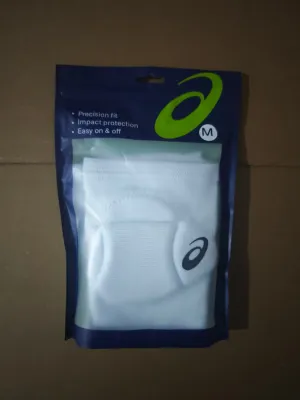
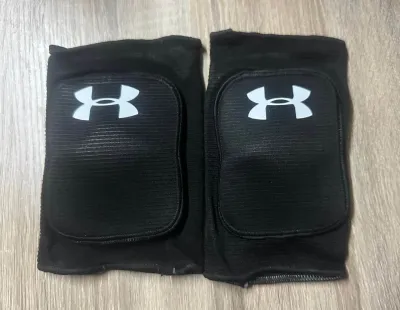
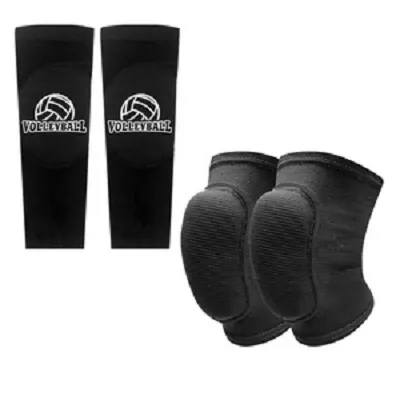
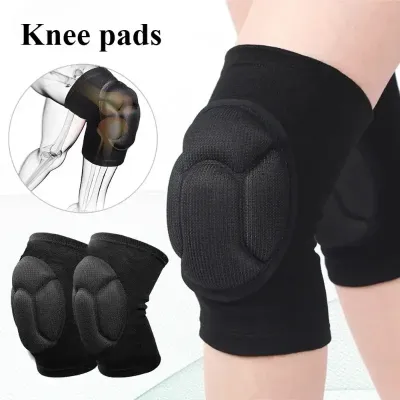
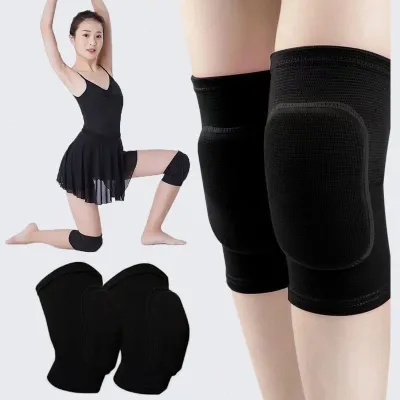
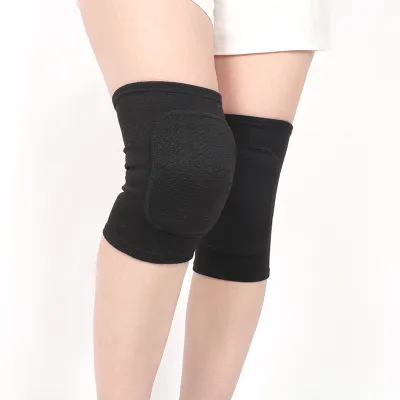
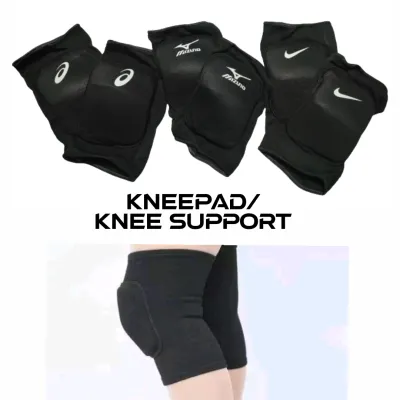
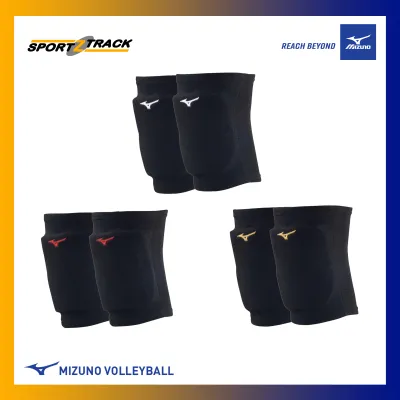
Prices are valid at publication and may change. Please refer to the product page for the latest price.
Intermediate players need to shift their focus toward a balance of mobility and targeted protection. As rallies grow longer and defensive movements become more frequent, bulky pads can hinder quick lateral transitions, making contoured or dual-density foam designs the preferred choice.
Advanced and competitive players require low-profile, high-performance gear that acts like a second skin. These athletes rely on specialized shock-dispersing materials, such as high-density gels, which offer superior impact resistance with minimal bulk, ensuring maximum agility during high-velocity defensive plays.
Core Evaluation Criteria for Volleyball Knee Pads
To make an informed purchase, you must understand the technical components that differentiate a basic sleeve from a high-performance protective pad. Evaluating these criteria ensures your gear performs reliably during intense rallies.

Padding Materials and Impact Absorption The core of any knee pad is its shock-absorbing medium. Standard polyurethane or ethylene-vinyl acetate (EVA) foam is common in entry-level gear, offering reliable, thick cushioning that excels at absorbing direct, vertical impacts. However, standard foam can feel bulky and may degrade or flatten over time with repetitive use. In contrast, advanced gel inserts or specialized memory foams provide a thinner profile while dispersing impact forces horizontally across the pad. This allows for a lighter, less restrictive fit without sacrificing protection when diving for low balls.
Sleeve Construction and Breathability The sleeve holds the padding in place and directly contacts your skin. In the warm, humid climate of the Philippines, breathability is a paramount concern for indoor players. Look for sleeves constructed from polyester-spandex blends or open-weave knit fabrics that facilitate airflow. Seam placement is equally critical; flatlock stitching or seamless designs prevent painful chafing behind the knee joint during deep squats and repetitive bending.
Anti-Slip Features and Stability A knee pad that slides down your shin mid-play is both a distraction and a safety hazard. High-quality options incorporate internal silicone grip strips along the top and bottom hems to adhere gently to the skin. Some designs also feature adjustable elastic straps or contoured elastic bands that allow you to customize the tension, ensuring the pad remains centered over the kneecap during explosive lateral movements and dives.
Budgeting Expectations in the Local Market When shopping in the Philippines, price points generally reflect the complexity of the materials and construction. Entry-level knee pads typically range from ₱300 to ₱600 per pair, offering basic foam protection suitable for casual play or physical education classes. Mid-range options, which introduce contoured padding and improved moisture-wicking fabrics, generally cost between ₱700 and ₱1,200. Premium, competitive-grade knee pads featuring advanced gel technology, high-durability outer shells, and superior compression sleeves can range from ₱1,300 to ₱2,500 or more.
Selecting Knee Pads by Skill Level
Choosing the right gear is not about buying the most expensive option; it is about matching the technical specifications of the knee pad to the physical demands of your specific role and playing style on the court. Your diving frequency, the court surface, and your defensive responsibilities dictate the level of protection and mobility you need.
Beginner Players: Prioritizing Basic Protection and Comfort
For those who are new to volleyball, the primary goal of wearing knee pads is to build confidence while learning fundamental defensive movements. Beginners are more likely to land directly on their knees rather than executing a controlled slide or dive, which places a high premium on thick, forgiving cushioning.
Thick, standard foam padding is highly recommended for novice players. This style of padding provides a generous buffer zone that absorbs the brunt of awkward landings on hard outdoor concrete or unyielding indoor surfaces. The extra thickness helps prevent painful bruising and minor joint trauma, allowing beginners to focus on their form without fear of pain.
Comfort and skin protection are also vital during the initial learning phases. Unconditioned skin is highly susceptible to friction burns and chafing from repetitive movement. Beginners should look for soft, elastic sleeve materials with a forgiving fit that does not constrict blood flow or pinch the delicate skin behind the knee.
While it might be tempting to buy heavy-duty, rigid tactical or multi-sport pads, these should be avoided. Overly bulky or stiff pads can restrict natural knee flexion, making it difficult to develop proper low-stance passing techniques. A flexible, soft-shell volleyball-specific pad is always the better choice for developing correct habits.
Intermediate Players: Balancing Mobility and Impact Resistance
As players transition to intermediate levels, the pace of the game quickens, and defensive plays become more dynamic. At this stage, you are likely diving more frequently, executing rolls, and moving laterally to cover the court, which requires gear that supports agility while still offering robust protection.
Contoured or dual-density foam padding is the ideal solution for intermediate athletes. Instead of a single block of thick foam, these pads feature segmented or pre-curved designs that wrap around the natural contours of the knee. This construction provides targeted protection to the front and sides of the joint while reducing unnecessary bulk, allowing for faster acceleration and smoother transitions.
Durability becomes a major factor as defensive intensity increases. Intermediate players should evaluate the outer fabric covering the padding. Look for reinforced stitching and high-abrasion-resistant materials, such as heavy-duty nylon or specialized knit covers, which can withstand repeated friction against indoor court surfaces without tearing or pilling.
Ergonomic designs that feature articulated padding zones are highly beneficial. These zones bend in tandem with your knee joint, ensuring that the protective material remains positioned over the patella throughout the entire range of motion. This prevents the pad from shifting or bunching up when transitioning from a deep defensive stance to an upright sprint.
Advanced and Competitive Players: Low-Profile and High-Performance Gear
Advanced and competitive players, including club and varsity athletes, demand gear that offers maximum performance with zero distractions. These players have mastered proper diving techniques, meaning they rarely land directly on their kneecaps; instead, they require protection against high-velocity, glancing impacts and floor burns during explosive defensive maneuvers.
Low-profile, high-density gel or specialized shock-dispersing materials are the gold standard for competitive play. These advanced materials are incredibly thin yet highly efficient at absorbing and spreading impact forces. By minimizing the profile of the pad, advanced players gain maximum freedom of movement, allowing them to execute quick floor transitions and defensive saves without feeling weighed down.
A compressive, second-skin fit is essential for high-intensity play. Advanced knee pads often utilize high-grade compression sleeves that support blood circulation and reduce muscle fatigue while keeping the pad locked firmly in place. This secure fit ensures that even during explosive lateral lunges or diving saves, the padding does not shift away from the critical areas of the joint.
In tournament settings, where matches can last for hours under warm indoor conditions, advanced moisture-wicking capabilities are non-negotiable. High-performance gear incorporates lightweight, quick-drying fabrics and ventilation panels behind the knee to actively manage sweat. This keeps the player cool, dry, and focused, preventing the heavy, waterlogged feeling that can degrade performance during crucial points.
Sizing, Fit, and Pre-Purchase Checks
Even the most advanced knee pad will fail to protect you if it does not fit correctly. Ensuring a precise fit and verifying the authenticity of your gear before hitting the court is essential for safety and performance.
To find your correct size, you must measure your knee circumference accurately. Using a flexible measuring tape, measure around the center of your kneecap while standing with your leg slightly bent. Some manufacturers also require measurements taken approximately ten centimeters above and below the patella. Always compare your exact measurements against the specific sizing chart provided by the brand, as sizing standards can vary significantly between manufacturers.
Once your knee pads arrive, perform the ‘squat and lunge’ test to verify the fit. Put the pads on and perform several deep squats, lateral lunges, and quick jumps. The pads should remain centered over your kneecaps without sliding down or shifting to the side. At the same time, check that the elastic bands do not pinch your skin, bunch up painfully behind the knee, or restrict your circulation.
When purchasing gear from online marketplaces in the Philippines, take extra precautions to verify seller authenticity. Look for official brand stores or authorized local distributors to avoid counterfeit products that use inferior, non-protective foam. Read customer reviews carefully, paying close attention to feedback regarding sizing accuracy, material durability, and the seller’s return and exchange policies in case you need to swap for a different size.
Maintenance and Lifespan Extension
Proper maintenance not only keeps your knee pads smelling fresh but also preserves the structural integrity of the elastic fibers and padding materials, extending the lifespan of your investment.
Safe Washing Methods Volleyball knee pads absorb a significant amount of sweat and body oils during play. To clean them safely without damaging the materials, hand washing in cold water with a mild detergent is the gentlest method. If you prefer using a washing machine, place the knee pads inside a mesh laundry bag to prevent the sleeves from stretching or snagging on other garments. Use a gentle cycle with cold water and avoid fabric softeners, which can coat the synthetic fibers and reduce their moisture-wicking capabilities.
Proper Drying Techniques Never put your volleyball knee pads in a mechanical dryer. The high heat can melt or warp foam padding, degrade gel inserts, and destroy the elasticity of the sleeves. Instead, gently squeeze out excess water without wringing or twisting the pads, and lay them flat to air-dry in a well-ventilated indoor area. In the humid climate of the Philippines, avoid leaving damp gear in a closed gym bag, as this creates a breeding ground for odor-causing bacteria and mold that can permanently degrade the fabric.
When to Replace Your Gear Knee pads do not last forever, and playing with worn-out gear increases your risk of bruising and joint strain. Inspect your pads regularly for visual and tactile signs of wear. If the padding feels permanently compressed, lumpy, or fails to spring back after being pressed, it is time for a replacement. Similarly, if the sleeves have lost their elasticity, the silicone grips have peeled off, or the pads constantly slip down during warm-ups, they can no longer provide reliable protection on the court.
Frequently Asked Questions (FAQ)
Do I need knee pads for both knees or just one?
Most indoor volleyball players wear knee pads on both knees to ensure balanced protection and physical symmetry during play. Because defensive movements can require you to drop or slide on either side depending on the ball’s trajectory, having both knees protected is the safest approach for general play.
However, some specialized players, such as liberos or defensive specialists, may choose to wear only a single knee pad on their dominant diving leg. This is a matter of personal preference, allowing for maximum mobility on one leg while still protecting the knee that takes the brunt of their specific diving technique. For the vast majority of players, wearing a pair is highly recommended.
Can I use basketball or skateboarding knee pads for volleyball?
It is highly discouraged to use knee pads designed for other sports, as they are engineered for entirely different types of impacts and surfaces. Skateboarding knee pads, for example, feature hard plastic outer shells designed to slide on concrete or wooden ramps; on an indoor volleyball court, these hard shells can damage the floor surface and cause dangerous, uncontrolled slides that increase the risk of injury to yourself and other players.
Basketball knee pads are typically designed as long compression sleeves with thin, hexagonal padding zones intended to protect against minor player-to-player contact rather than repeated, high-impact floor dives. They lack the thick, concentrated shock absorption required to protect your joints during heavy volleyball landings, making volleyball-specific gear the only safe choice for the sport.
How often should I replace my volleyball knee pads?
The lifespan of volleyball knee pads depends heavily on your playing frequency, defensive style, and how well you maintain them. For casual or recreational players who hit the court once a week, a high-quality pair can easily last for a year or more before the padding begins to degrade.
For competitive, high-school, or varsity athletes who train multiple times a week, knee pads generally need to be replaced every six to twelve months. Once you notice that the padding has flattened significantly, no longer cushions your landings effectively, or the sleeves have stretched out to the point of slipping, you should replace them immediately to maintain proper joint protection.
Community discussion
Share your experience or ask a question. Comments are reviewed before publication.