
Selecting the right freestyle scooter requires focusing on a few critical specifications: handlebar dimensions, deck size, wheel diameter, and overall durability. While advanced riders spend hours tuning custom compression systems or analyzing deck concaves, a beginner simply needs a properly fitted, robust platform to learn foundational movements safely.
In the Philippines, where local concrete skateparks and outdoor plazas are often exposed to high humidity and intense tropical heat, choosing a scooter with the correct baseline specifications ensures your gear holds up to heavy impacts and harsh riding conditions. Getting these core measurements right from the start prevents early frustration, accelerates your learning curve, and reduces the risk of injury from poorly sized or fragile equipment.
Before hitting the skatepark, remember that freestyle scootering carries inherent risks of falls and injuries. Proper safety gear—including a certified helmet, knee pads, and elbow pads—is mandatory. Equipment cannot replace proper training, gradual skill progression, and solid personal judgment. Always inspect your scooter for loose bolts or cracks before every session, and stop riding immediately if you detect any structural play or damage.
Products mentioned in this guide
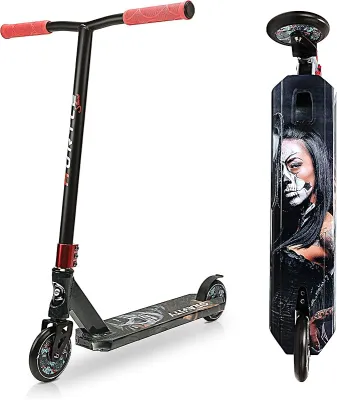
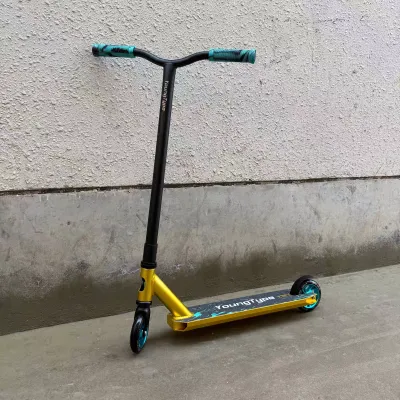
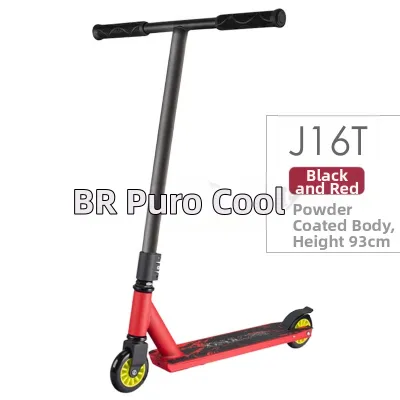
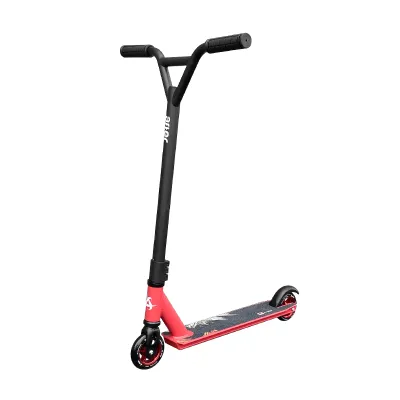
Prices are valid at publication and may change. Please refer to the product page for the latest price.
Handlebar Height and Width: Dialing in Your Control
To ride a freestyle scooter safely and with proper form, the handlebars must match your physical height and shoulder width. Incorrectly sized bars can lead to poor riding posture, rapid fatigue, or a complete lack of control when trying to execute basic maneuvers.
- Bar Height: To measure handlebar height accurately, measure from the top surface of the deck where you stand up to the top of the handlebar grips. As a general guideline for beginners, the handlebars should rest somewhere between your waist and your hip bone when you are standing flat on the deck. Bars that are too tall make it difficult to pull up and spin the scooter, while bars that are too short force you to hunch over, leading to severe lower back strain.
- Bar Width: Your handlebar width should roughly match the span of your shoulders. This alignment provides the optimal leverage needed for pulling up, balancing, and maintaining stable control during landings.
- Actionable Advice: Before making a purchase, do not rely on product photos, which can be highly deceptive regarding scale. Grab a tape measure, stand up straight, and measure the distance from the floor to your hip bone, then subtract about 2 to 3 inches (the typical height of a deck from the ground) to find your target bar height. Compare this measurement directly to the manufacturer's spec sheet.
Deck Dimensions: Balancing Stability and Trick Potential
The deck is the foundation of your freestyle scooter, and its dimensions dictate how much room your feet have to land and how easily the scooter rotates. For a beginner, finding the right balance between stability and maneuverability is key to building confidence.

- Deck Length: Longer decks, typically measuring between 19 and 21 inches (48.3 to 53.3 cm), offer a larger target area for your feet, which is highly forgiving when you are learning to land jumps. Shorter decks are lighter and easier to spin, but they leave very little room for error during foot placement. Beginners generally benefit from a slightly longer deck that provides a stable, predictable platform.
- Deck Width: A deck width of 4.5 to 5 inches (11.4 to 12.7 cm) is ideal for most beginner riders. This width offers a comfortable surface to balance your feet without being so wide that it drags on the ground during sharp turns. Narrower decks are highly specialized for technical street grinds and are often too unstable for someone just starting out.
- Material Note: Look for decks constructed from standard aluminum alloys, such as 6061 aluminum. This material offers an excellent balance of lightweight maneuverability and structural strength, making it durable enough to withstand the rough pavement of local plazas without the high cost of specialized heat-treated professional alloys.
Wheel Size and Hardness: Finding the Right Grip and Speed
Scooter wheels directly affect how smoothly you roll over different surfaces and how much grip you have when carving turns. Understanding wheel specifications helps you choose a setup that matches your local riding environment.
- Wheel Diameter: Standard beginner wheels typically measure 100mm to 110mm in diameter, compared to larger professional sizes of 120mm or more. Smaller wheels keep the scooter lower to the ground, lowering your center of gravity and making it much easier to control basic jumps, bunny hops, and manual balances.
- Wheel Hardness (Durometer): Polyurethane wheels are rated on an "A" durometer scale, with 85A to 88A being common. Softer wheels (lower numbers like 85A) provide superior grip and absorb vibrations better on rough, cracked outdoor concrete or asphalt. Harder wheels (higher numbers like 88A) roll faster on smooth indoor skatepark ramps but can feel incredibly harsh and slippery on uneven outdoor surfaces.
- Core Type: Always verify that the wheels feature a solid metal (aluminum) core rather than a cheap plastic spoked core. Plastic cores are prone to cracking or flexing under the high-impact forces of landing tricks, whereas metal cores maintain their structural integrity and keep you riding safely.
Weight and Materials: Why Durability Beats Lightness for Beginners
When shopping for a first freestyle scooter, many beginners make the mistake of looking for the lightest model available. However, for those learning the basics, structural durability is far more important than saving a few grams.
- Overall Weight: A reliable beginner complete scooter usually weighs between 3.5 kg and 4.5 kg. While advanced riders prefer ultra-lightweight setups for complex mid-air rotations, a slightly heavier scooter provides better momentum, predictable handling, and a more stable feel when you are learning how to control your balance.
- Weight Limits: Always check the manufacturer's specified maximum rider weight limit before buying. Freestyle riding subjects the frame to forces several times the rider's static body weight, so choosing a scooter rated for your size is a critical safety requirement.
- Steel vs. Aluminum: Many durable entry-level scooters utilize a hybrid material design. They feature steel handlebars (chromoly steel) to withstand the repeated bending forces of crashes and drops, paired with an aluminum deck to keep the overall weight manageable. This combination offers the best longevity for riders practicing their first drops and jumps. In the Philippines, entry-level complete scooters with these durable hybrid specs typically range in price from ₱3,000 to ₱6,000, offering a cost-effective entry point without compromising safety.
Advanced Specs You Can Safely Ignore on Your First Ride
The world of stunt scooters is full of complex jargon that can easily overwhelm a first-time buyer. To keep your decision simple and budget-friendly, there are several high-end specifications you can safely overlook on your first purchase.
- Compression Systems: Advanced compression systems like Standard Compression System (SCS), Hidden Internal Compression (HIC), or Integrated Headset Compression (IHC) are excellent for custom setups but unnecessary for a beginner. A standard threaded or basic entry-level compression system is perfectly functional, easier to maintain with simple household tools, and significantly more affordable.
- Deck Concave and Extrusions: Do not let marketing claims about deep deck concaves or complex internal deck extrusions sway your decision. A standard flat or slightly boxed deck profile is more than adequate for learning basic foot placement and balance.
- Premium Bearings: High-precision bearings rated at ABEC 9 or ceramic bearings roll exceptionally fast but are highly sensitive to dirt and moisture. Standard ABEC 5 or ABEC 7 bearings are highly durable, provide plenty of speed for beginner tricks, and are much cheaper to replace when they inevitably get dirty from outdoor riding.
Frequently Asked Questions (FAQ)
What is the best wheel size for a beginner freestyle scooter?
For most beginners, 100mm to 110mm wheels are the ideal choice. This size range keeps the scooter lightweight and close to the ground, which makes learning basic tricks like tailwhips and bunny hops much easier. Smaller wheels require less physical effort to lift and control, helping new riders build muscle memory without early fatigue.
How heavy should a first stunt scooter be?
A practical first stunt scooter should weigh between 3.5 kg and 4.5 kg. While it may be tempting to search for the lightest model, a slightly heavier scooter offers greater structural durability and more predictable stability. Prioritize a robust build and a certified weight capacity that safely matches your body size over minimal weight.
Do I need a specific compression system for my first scooter?
No, a specialized compression system is not necessary for your first scooter. Standard threaded or basic entry-level compression systems are highly reliable, cost-effective, and easy to maintain using basic tools. You can safely wait to upgrade to advanced systems like SCS or HIC once you have mastered the basics and are ready for a professional-grade custom build.
Community discussion
Share your experience or ask a question. Comments are reviewed before publication.