
Choosing the right goggles for swimming for adults is one of the most important decisions you can make to ensure a comfortable, safe, and productive time in the water. While many swimmers focus on the color of the frame, the lens type is what actually determines how well you can see under different lighting conditions. The three primary lens options—clear, tinted, and mirrored—each serve a distinct optical purpose. Selecting the wrong one can lead to eye strain, poor visibility, or even safety hazards, especially when navigating crowded lanes or open-water environments.
To make the best choice, you must evaluate your primary swimming environment and the prevailing light conditions of your venue. Clear lenses are designed to maximize light transmission, making them the standard choice for indoor pools or low-light evening swims. Tinted lenses act like light sunglasses, filtering out specific wavelengths to reduce glare and enhance contrast in moderate outdoor light or brightly lit indoor facilities. Mirrored lenses feature a highly reflective outer coating that bounces away harsh, direct sunlight, making them indispensable for bright outdoor pools and open-water swimming. By matching your lens type to your specific swimming conditions, you can protect your eyes and focus entirely on your stroke.
Understanding Clear, Tinted, and Mirrored Lenses
To choose the right pair of adult swimming goggles, it helps to understand how each lens type interacts with light. Clear lenses do not alter the light entering your eyes, offering the highest possible visibility and the most accurate color perception. They are designed for environments where light is scarce or artificial, ensuring your field of vision remains bright. If you swim in a standard indoor pool or during early morning hours before sunrise, clear lenses provide the most natural view of the water and lane lines.
Products mentioned in this guide
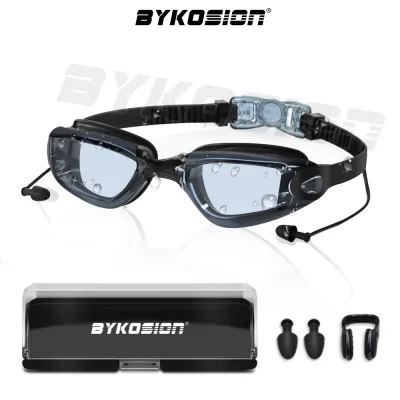
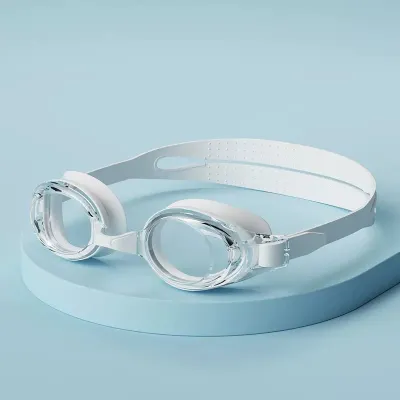
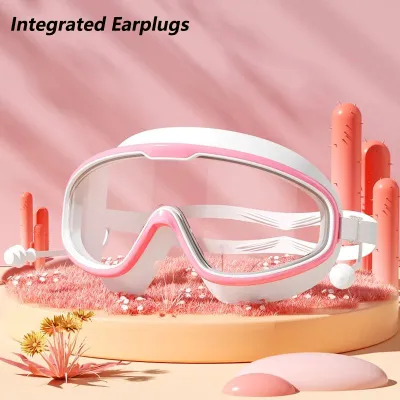
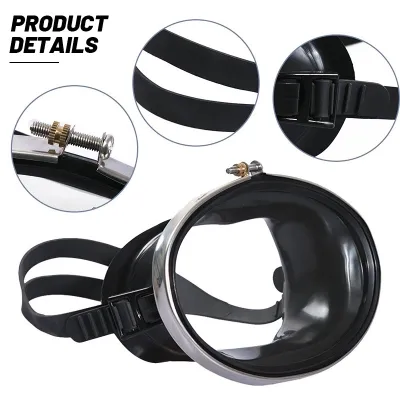
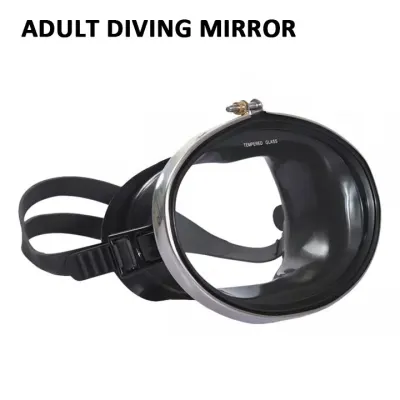
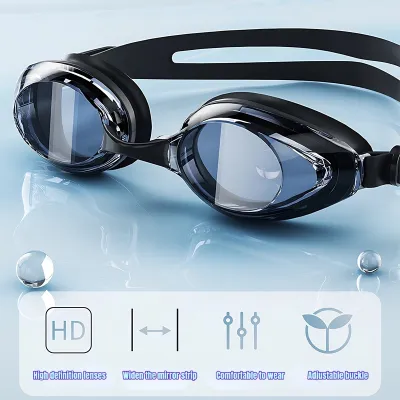
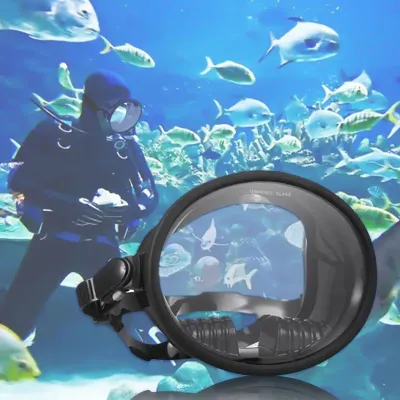
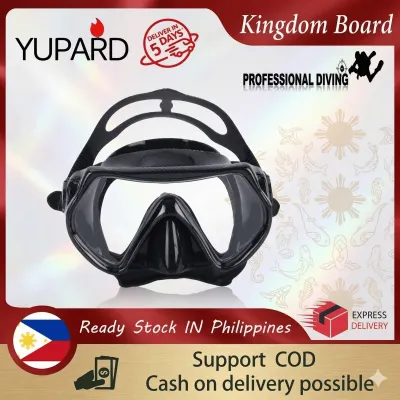
Prices are valid at publication and may change. Please refer to the product page for the latest price.
Tinted lenses use colored pigments to filter out specific spectrums of light, reducing overall brightness much like a pair of light sunglasses. Depending on the color—such as smoke, blue, or amber—these lenses can also enhance contrast, making it easier to see objects underwater or judge distances in variable light. They offer a balanced middle ground for swimmers transitioning between different indoor and outdoor environments.
Mirrored lenses feature a thin, reflective metallic coating on the outer surface that actively reflects harsh, direct rays away from your eyes. By bouncing glare off the water’s surface, they significantly reduce eye strain and prevent squinting when swimming directly toward the sun. They are the preferred choice for competitive outdoor swimmers and triathletes requiring maximum protection against intense glare.
Matching Lenses to Your Swimming Environment
Your swimming venue is the single most important factor when deciding on a lens type. Because light levels vary dramatically between indoor facilities, outdoor pools, and open-water locations, your goggles must be suited to the specific challenges of your environment.

Indoor Pools and Low-Light Conditions
For most indoor swimming pools, clear lenses are the safest and most practical option. Indoor facilities often rely on overhead fluorescent or LED lighting, which can sometimes be dim or unevenly distributed. Wearing dark or mirrored lenses in these settings restricts your visibility, creating a “tunnel vision” effect that makes it difficult to spot other swimmers, read the pace clock, or see the pool wall clearly.
Clear lenses ensure that every bit of available light reaches your eyes, allowing you to navigate the pool with confidence. This is particularly important for adult swimmers training in the evening or early morning when natural light is absent. While some modern indoor pools feature large glass facades or skylights that let in patches of bright sunlight, clear lenses remain the standard recommendation for consistent, unobstructed indoor visibility.
Outdoor Pools and Overcast Days
When swimming outdoors, the weather and the time of day play a major role in how much light reaches the water. On overcast days, during early mornings, or in late afternoons, the light is often diffused and moderate. In these conditions, tinted lenses provide the ideal balance of light reduction and contrast enhancement.
Common tint colors serve different visual purposes. Smoke or grey tints reduce overall brightness without distorting colors, making them highly versatile for general outdoor use. Blue tints are excellent for reducing glare from the water while maintaining good visibility in both indoor and outdoor settings. Amber or orange tints enhance contrast in low-light or flat-light conditions, helping you see details more clearly on cloudy days. If you swim in a brightly lit indoor pool with intense overhead lights, a light tint can also help reduce eye fatigue.
Bright Sunlight and Open Water
For outdoor swimming under direct, intense sunlight, mirrored lenses are highly recommended. In tropical climates like the Philippines, the sun can be exceptionally bright, and the reflection off the water’s surface creates a blinding glare that can quickly cause eye strain and headaches. Mirrored lenses act as a shield, reflecting this harsh light away from your eyes so you can swim comfortably without squinting.
This glare reduction is especially critical for open-water swimmers and triathletes. When swimming in the ocean or a lake, you must constantly sight landmarks or buoys to stay on course. Squinting into the sun makes sighting incredibly difficult and can lead to navigation errors. However, it is important to remember that mirrored lenses can be dangerously dark if the weather suddenly turns cloudy, if you swim into deeply shaded areas, or if you use them during evening hours.
Essential Features to Verify Beyond Lens Color
While selecting the correct lens type is a crucial step, it is only one part of finding the right goggles for swimming for adults. To ensure your goggles perform well and last for multiple seasons, you must verify several other essential features on the product label or packaging before making a purchase.
First, always check for verified UV protection. Many people mistakenly assume that dark or mirrored lenses automatically protect their eyes from ultraviolet rays. In reality, a dark lens without UV protection causes your pupils to dilate, allowing even more harmful UV light to enter your eyes. For outdoor swimming, look for labels that explicitly state “UV400” or “100% UV Protection” to safeguard your eyes from long-term sun damage.
Second, verify the presence of a high-quality anti-fog coating. High humidity levels, common in tropical regions, can cause rapid condensation inside your goggles, leading to fogging that ruins your visibility within minutes. Most modern goggles come with a factory-applied anti-fog layer. However, this coating is delicate; you must carefully review the manufacturer’s care instructions to avoid accidentally washing or rubbing it off during cleaning.
Finally, prioritize the fit and seal of the goggles. Even the most advanced lens technology is useless if water constantly leaks into the eye cups. When shopping, check the gasket material—liquid silicone is highly recommended for its soft, flexible, and durable properties that conform to various face shapes. Look for adjustable straps and interchangeable nose bridges, which allow you to customize the fit to your facial structure. A quick way to test the fit at home is to press the goggles gently against your eyes without using the strap; if they hold a brief suction seal, they are likely a good match for your face shape.
Decision Framework: Which Goggles Should You Choose?
To simplify your decision, use this straightforward framework based on your primary swimming habits and environment:
- Choose Clear Lenses if you swim exclusively in indoor pools, prefer early morning or late evening training sessions, or swim in facilities with standard or dim artificial lighting. These lenses will give you the brightest, most accurate view of your lane.
- Choose Tinted Lenses if you want a versatile, multi-purpose pair of goggles. They are ideal if you split your time between brightly lit indoor pools and outdoor facilities, swim on overcast or partly cloudy days, or want to enhance visual contrast in variable light.
- Choose Mirrored Lenses if you swim primarily outdoors in direct, bright sunlight, participate in open-water events, or are highly sensitive to glare and eye strain. They will keep your eyes comfortable and help you sight landmarks without squinting.
Before making your final choice, verify the lighting conditions at your local pool. If you are unsure or swim at various times of the day, consider checking the facility’s lighting setup first. When in doubt, opting for a versatile, lightly tinted pair—such as a light blue or smoke tint—or keeping one clear pair and one mirrored pair in your swim bag is an excellent strategy to ensure you are prepared for any environment.
Frequently Asked Questions (FAQ)
Can I use mirrored goggles for indoor swimming?
Generally, using mirrored goggles for indoor swimming is not recommended. Because the reflective coating is designed to block a significant amount of light, wearing them in a standard indoor pool can make your surroundings appear excessively dark. This reduced visibility can make it difficult to see lane markers, judge your distance from the pool wall, or spot other swimmers in your lane, potentially leading to collisions.
However, there are exceptions. If you swim in a modern indoor facility that features massive floor-to-ceiling windows, skylights, or an abundance of natural light that mimics outdoor conditions, mirrored goggles may be appropriate. For typical indoor pools with standard overhead lighting, clear or very lightly tinted lenses are a much safer and more comfortable choice.
How do I maintain the anti-fog coating on my goggles?
To preserve the factory-applied anti-fog coating on your adult swimming goggles, you must follow gentle, manufacturer-approved care steps. After every swim, rinse your goggles gently with cool, fresh tap water to remove chlorine, salt, sand, or other pool chemicals. Never use hot water, dish soap, or abrasive cleaners, as these can quickly dissolve the protective coating.
Crucially, you must strictly avoid touching, rubbing, or wiping the inside of the lenses with your fingers, towels, or cloths. Even a soft microfiber cloth can scratch or rub away the delicate anti-fog layer. After rinsing, allow the goggles to air dry completely in a shaded, well-ventilated area away from direct sunlight. Once dry, store them in a protective pouch or hard case to prevent scratches and dust buildup. If the factory coating naturally wears off over time, consult the product manual for approved anti-fog sprays or drops to safely restore visibility.
Community discussion
Share your experience or ask a question. Comments are reviewed before publication.