
Selecting the right home cardio machine depends on your primary fitness target, physical limitations, and available space. If your main objective is lower-body strength and glute development, a climber exercise machine is highly effective. For comprehensive, low-impact conditioning that engages both the upper and lower body, a rowing machine is an excellent choice.
Treadmills offer unmatched versatility for functional walking and running, while spin bikes provide a high-intensity, low-impact cardiovascular workout. Your personal biomechanics, joint health, and fitness level must guide this decision, as the most effective machine is ultimately the one you can use consistently and safely.
Muscle Engagement and Joint Impact: What Fits Your Body?
Each piece of cardio equipment distributes physical stress and muscle activation differently across your body. Understanding these patterns helps you select a machine that supports your fitness goals without aggravating existing physical vulnerabilities.
Products mentioned in this guide
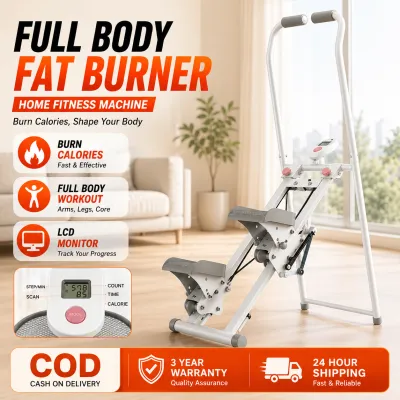
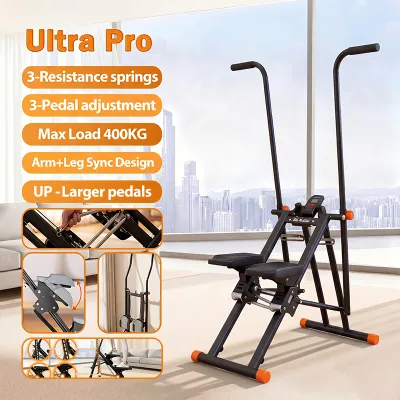
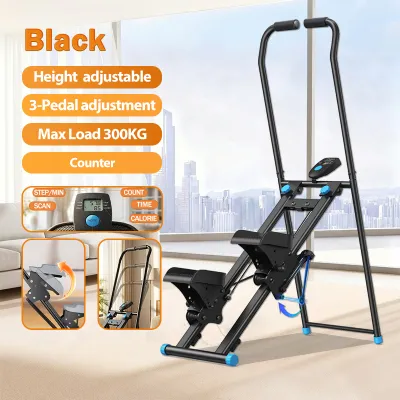
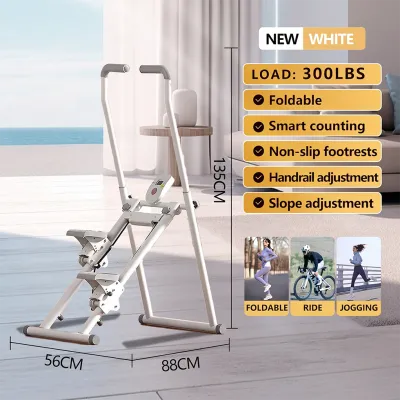
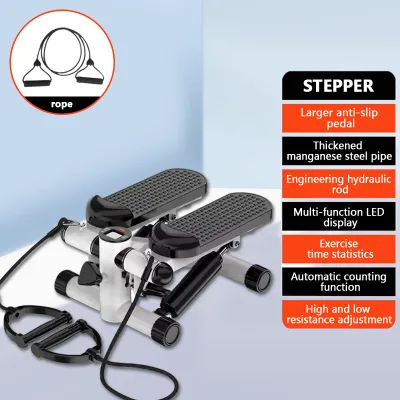
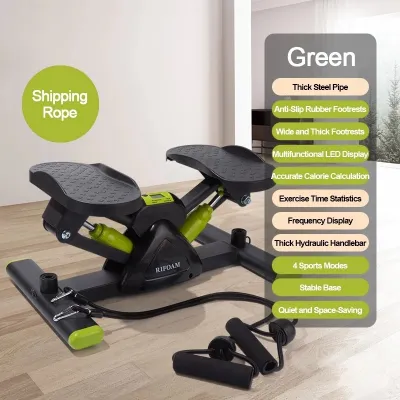
Prices are valid at publication and may change. Please refer to the product page for the latest price.
A climber exercise machine primarily targets the posterior chain, including the glutes, hamstrings, and calves, while also engaging the quadriceps and core muscles. Because your feet remain in contact with the pedals or steps, it provides a lower-impact alternative to running while still challenging your lower body under gravity.
Treadmills primarily engage the quadriceps, hamstrings, calves, and glutes. However, running on a treadmill is a high-impact activity that subjects your ankles, knees, and hips to repetitive shock, though modern cushioned decks can mitigate some of this force.
Spin bikes focus heavily on the quadriceps and hamstrings, with secondary engagement of the calves and glutes. This is a closed-chain, low-impact exercise, making it highly gentle on the knee joints when the bike is properly adjusted to your height.
Rowing machines offer a true full-body workout, engaging roughly 86 percent of your muscles during a proper stroke. This includes the legs, core, back, and arms, distributing the workload across your entire body with minimal joint impact.
Before purchasing any equipment, use this quick physical checklist to assess your joint and structural health:
- Knee and Hip Health: If you experience sharp pain during deep knee flexion, a climber or low-set spin bike may require careful adjustment or a doctor's clearance.
- Lower Back Stability: If you have chronic lower back stiffness, the forward-leaning posture of a spin bike or the repetitive hinging motion of a rowing machine may cause discomfort.
- Ankle Mobility: High-impact treadmill running requires excellent ankle flexibility and stability to prevent strain.
Space and Clearance: Will It Fit in Your Home Gym?
Before bringing any fitness equipment into your home, you must carefully evaluate your physical space, especially when living in typical Philippine urban homes or high-rise condominiums where floor area is at a premium.

The physical footprint of these machines varies significantly. Spin bikes are generally the most compact, requiring a relatively small rectangular area. Climber exercise machines have a moderate footprint but require substantial vertical space. Treadmills and rowing machines demand the most floor length, though some models feature folding designs to save space when not in use.
Ceiling height is a critical, often overlooked factor for vertical equipment. When using a climber exercise machine or a treadmill at an incline, your body is elevated several inches or even feet above the floor. You must measure your ceiling height and add your own height plus the machine’s maximum step-up height to ensure you have at least a few inches of head clearance.
Environmental factors like noise, vibration, and tropical humidity also play a major role in home gym setups. In shared residential buildings or apartments, the heavy footfalls of treadmill running can create disruptive structural vibrations. Spin bikes and magnetic rowing machines operate much more quietly, making them better suited for early morning or late-night workouts.
Additionally, the high humidity levels in the Philippines require you to place your equipment in a well-ventilated room, preferably with an electric fan or air conditioning, to prevent sweat buildup and premature rust on metal frames.
Budget and Value: What Are the True Costs in ₱?
Investing in home fitness equipment requires a clear understanding of price tiers and the long-term costs associated with maintenance. In the Philippine market, cardio machines generally fall into three broad price categories.
- Entry-Level (₱5,000 to ₱15,000): These options typically feature manual resistance, lighter frames, and basic digital monitors. They are suitable for light, occasional use but may lack stability for intense workouts.
- Mid-Range (₱15,000 to ₱45,000): This tier offers a balanced mix of durability and features, including magnetic resistance systems, sturdier steel frames, and smoother operation.
- Commercial-Grade (₱45,000 and above): Designed for heavy daily use, these machines feature high-capacity motors, advanced consoles, superior build quality, and excellent stability.
To ensure you get lasting value, inspect key durability checkpoints before buying. Check the manufacturer’s specified frame weight capacity to ensure it safely accommodates all household users. Look for heavy-duty steel construction, high-quality drive belts, and robust resistance mechanisms that can withstand regular friction.
Ongoing maintenance is essential to protect your investment, particularly in warm, humid climates. Treadmills require regular belt alignment and silicone lubrication to prevent motor strain. Rowing machines with chains require periodic oiling, while spin bikes need their flywheels and brake pads checked for wear. For all machines, wiping down sweat immediately after use is crucial to prevent corrosion on metal parts.
Decision Framework: How to Choose Your Final Equipment
To finalize your decision, match your personal circumstances and fitness goals against the specific profiles of each machine.
Choose a climber exercise machine if:
- Your primary goal is building lower-body strength, particularly in the glutes and thighs.
- You want a high-intensity cardiovascular workout with lower joint impact than running.
- You have ample ceiling height but limited horizontal floor space.
Choose a treadmill if:
- You want to train for outdoor running, walking, or hiking events.
- You prefer a highly versatile machine that supports everything from light walking to high-speed intervals.
- You have sufficient floor length and live on a ground floor or have excellent floor soundproofing.
Choose a spin bike if:
- You need a highly compact machine that fits easily into a small room or condo corner.
- You require a very low-impact workout that protects your knees and ankles.
- You enjoy high-intensity interval training (HIIT) modeled after studio cycling classes.
Choose a rowing machine if:
- You want a highly efficient, full-body workout that engages both your upper and lower muscle groups.
- You have plenty of horizontal floor space but limited ceiling height.
- You prefer a smooth, low-impact rhythmic exercise that builds cardiovascular endurance.
Neither may fit if:
- You have severe, unmanaged joint pain or acute injuries that prevent repetitive bending or weight-bearing movement.
- Your home has extremely low ceilings that cannot safely accommodate a climber or treadmill.
Before making your final purchase on an online marketplace, try to test the equipment in person at a local showroom or gym to assess the ergonomics. If buying online, carefully verify the seller’s return policies, warranty terms, and assembly support options.
Frequently Asked Questions (FAQ)
Is a climber exercise machine better than a treadmill for weight loss?
Weight loss is primarily driven by achieving a consistent caloric deficit, which depends on your overall energy expenditure and dietary habits rather than a specific machine. Both a climber exercise machine and a treadmill can be highly effective tools for burning calories. A climber typically demands high lower-body muscular effort, which can elevate your heart rate quickly, while a treadmill allows you to adjust speed and incline to match your desired intensity. The best machine for weight loss is the one you enjoy using consistently, as long-term adherence is the most critical factor in achieving your fitness goals.
Can I use a spin bike if I have lower back pain?
A spin bike can be a viable option for individuals with lower back pain, but it requires careful setup and attention to posture. The traditional forward-leaning riding position on a spin bike can sometimes strain the lumbar spine if your core is weak or if the bike is poorly adjusted. To minimize back strain, look for a bike with highly adjustable handlebars and seats so you can maintain a more upright posture. It is highly recommended to consult a physical therapist or healthcare professional before starting a cycling routine to ensure the movement is safe for your specific back condition.

Community discussion
Share your experience or ask a question. Comments are reviewed before publication.