
Choosing the right cardio equipment depends on your specific fitness targets, joint health, and home environment. If you want a full-body workout that engages both your upper and lower body, a rowing machine is highly effective. For those focusing on lower-body strength and glute activation without heavy joint impact, a climbing exercise machine offers an intense vertical workout. Treadmills remain the standard for functional, weight-bearing running and walking, while spin bikes provide a compact, low-impact option ideal for high-intensity interval training. In warm, humid climates like the Philippines, setting up an indoor cardio space allows you to maintain consistent training without facing extreme outdoor heat or sudden tropical downpours.
Defining Your Fitness Goals and Constraints
Before investing in any machine, clarify whether your primary aim is building cardiovascular endurance, maximizing calorie burn, or toning specific muscle groups. Cardiovascular endurance can be developed on all four machines, but the muscular demands differ significantly. If your goal is targeted lower-body toning, a climbing exercise machine or a spin bike will focus heavily on your legs. If you want a balanced, full-body conditioning session, a rowing machine distributes the effort across your upper and lower body.
Joint health is another critical factor that dictates your choice. High-impact exercises like running on a treadmill stimulate bone density but can stress sensitive knees, hips, and ankles. If you are recovering from an injury or have chronic joint discomfort, low-impact alternatives like rowing, cycling, or climbing keep your feet in constant contact with the equipment, reducing sudden peak forces on your joints.
Products mentioned in this guide
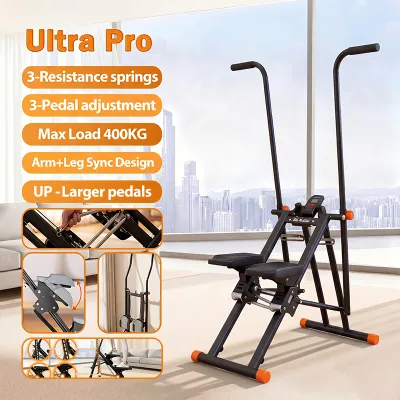
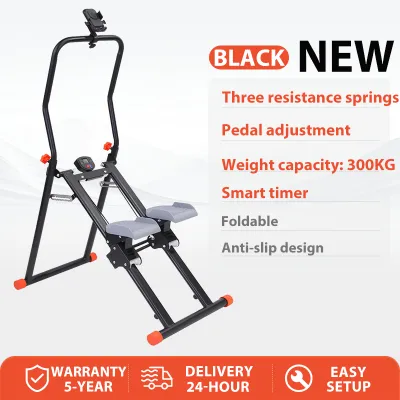
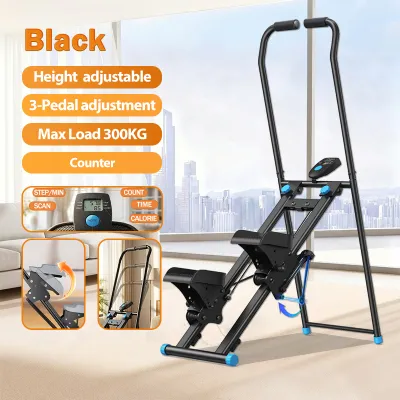
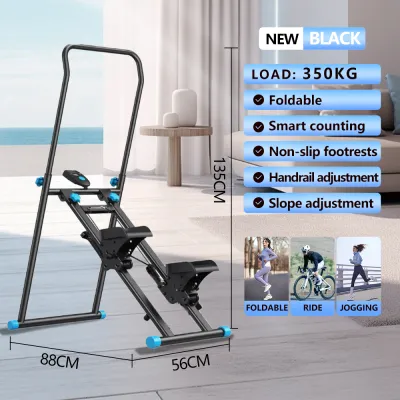
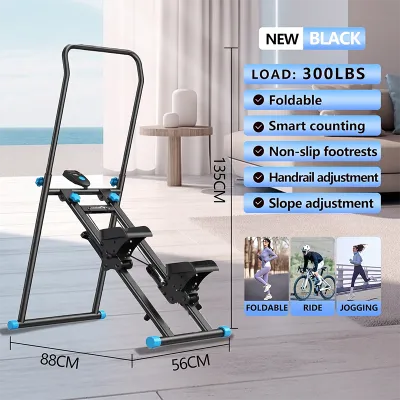
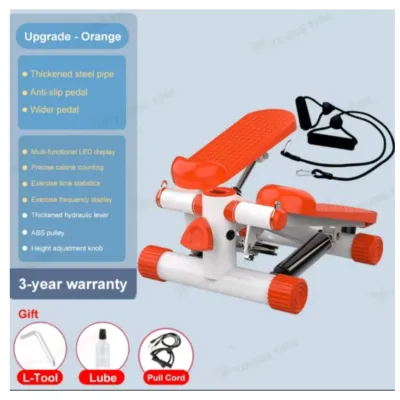
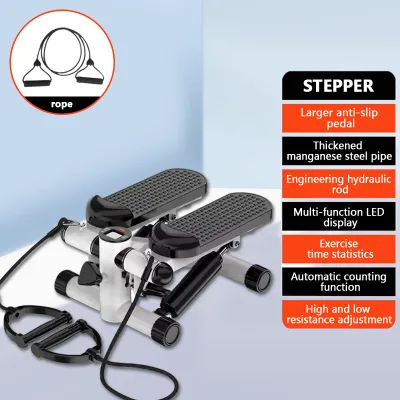
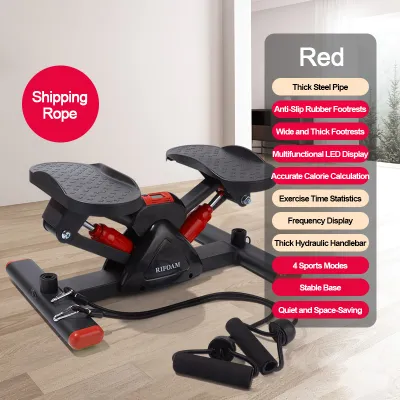
Prices are valid at publication and may change. Please refer to the product page for the latest price.
Physical space and environmental conditions in your home must also guide your decision. Consider your ceiling height, especially for a climbing exercise machine or a treadmill on a high incline, to ensure you do not hit your head during a workout. Floor space is another variable; while some machines fold away, others require a permanent footprint. Additionally, in humid tropical environments, sweat and moisture can accelerate wear, making proper ventilation and corrosion-resistant frames essential for any home gym setup.
How Each Cardio Machine Works and Targets Muscles
Climbing Exercise Machines
A climbing exercise machine simulates the natural movement of scaling a steep hill or climbing a ladder. This vertical or high-incline stepping motion requires you to push against gravity, which intensely engages your lower body. The continuous stepping action targets your glutes, quadriceps, hamstrings, and calves with every stride.

Unlike flat-surface training, the vertical angle forces your core muscles to work constantly to maintain an upright posture and balance. Because your feet do not leave the pedals, it delivers a high-intensity workout with minimal joint jarring. This makes it an excellent option for building lower-body power and endurance simultaneously.
Treadmills
Treadmills utilize a motorized belt that moves across a flat deck, allowing you to walk, jog, or run at a controlled pace. Most models feature adjustable speed and incline settings, which let you simulate outdoor terrain or increase the difficulty of your walk. This weight-bearing movement closely mimics natural human locomotion.
Running on a treadmill primarily engages your quadriceps, hamstrings, calves, and glutes. The impact of your feet striking the belt also stimulates bone remodeling, which supports skeletal health. However, the repetitive nature of running means your joints absorb more shock compared to stationary, pedal-based machines.
Spin Bikes
Spin bikes feature a heavy, perimeter-weighted flywheel connected to a pedal drivetrain, using either magnetic or friction resistance to simulate road cycling. You can adjust the resistance dial to mimic flat roads or steep climbs, allowing for versatile training sessions. The seated posture supports your upper body, letting you focus entirely on leg power.
The pedaling motion primarily targets your quadriceps and hamstrings, with secondary engagement of your glutes and calves. Because your weight is supported by the saddle, cycling is exceptionally gentle on the knees and ankles. This low-impact design makes it easy to maintain high cadences for cardiovascular conditioning.
Rowing Machines
Rowing machines utilize a sliding seat and a handle attached to a resistance system, which can be air, magnetic, or water-based. The exercise is performed in a fluid, continuous sequence divided into four distinct phases: the catch, the drive, the finish, and the recovery. This sequence requires coordinated effort from both your upper and lower body.
During the drive phase, you push with your legs before leaning back and pulling the handle toward your torso, engaging your legs, core, back, and arms. This full-body integration means you utilize a vast amount of muscle mass in a single stroke. Because you remain seated throughout the movement, rowing provides a highly demanding workout with virtually no impact on your lower-body joints.
Comparing Impact, Space, and Usability
When comparing these four options, joint impact is often the first practical consideration. Running on a treadmill exposes your joints to repetitive vertical impact forces, which can accumulate over long training sessions. In contrast, climbing machines, spin bikes, and rowing machines keep your feet anchored, distributing your weight and eliminating the harsh shock of foot strikes.
Footprint and storage requirements vary widely across these categories. Rowing machines tend to have a long, narrow footprint that requires significant floor length during use, though many models can be stood upright or separated into two pieces for storage. Treadmills often have a wide, heavy base, and while some offer folding decks, they still occupy substantial space. Spin bikes are generally the most compact, making them ideal for small rooms or condo balconies, while climbing machines require less floor space but demand ample vertical clearance.
The learning curve for each machine affects how quickly you can achieve an effective, safe workout. Treadmills require almost no learning curve, as walking and running are natural movements. Spin bikes are also highly intuitive, requiring only basic seat adjustments. Climbing machines require a bit of coordination to balance your arm and leg movements, while rowing machines demand strict attention to form to prevent lower-back strain from improper pulling mechanics.
Noise and vibration can be a major concern, especially if you live in a multi-story home or a shared apartment building. Treadmills generate significant footfall noise and motor hum that can vibrate through floors. Spin bikes with magnetic resistance are incredibly quiet, producing only a soft whir. Rowing machines vary; air resistance models produce a noticeable wind rush, while magnetic and water rowers are much quieter. Climbing machines generally produce moderate mechanical noise, but lack the heavy floor vibrations associated with running.
Which Machine Should You Choose?
Your final decision should align with your physical capabilities, space constraints, and fitness goals. Choose a climbing exercise machine if your primary focus is intense lower-body sculpting, glute activation, and high calorie expenditure without putting excessive stress on your knees. It is an excellent choice for those who want a challenging, vertical workout in a relatively compact floor footprint.
Opt for a treadmill if you enjoy natural walking or running, want to train for outdoor road races, or prefer the simplicity of a straightforward cardio routine. Treadmills are highly versatile for family members of different fitness levels, provided you have the floor space and do not mind the higher joint impact.
Select a spin bike if you have limited floor space, need a highly reliable, low-impact machine, and prefer a seated workout that allows you to rest your upper body. It is also the ideal choice if you enjoy high-energy, rhythm-based cycling classes or want to multitask by watching media while you exercise.
Choose a rowing machine if you want a highly efficient, full-body workout that builds cardiovascular endurance while simultaneously strengthening your back, shoulders, and core. It is perfect for those who want to maximize muscle engagement in shorter sessions, provided they are willing to learn and maintain proper rowing technique.
Before making any purchase, verify your physical limitations and home environment. If you have pre-existing lower-back issues, the seated posture of rowing or the upright stance of climbing may require professional medical clearance. Always measure your ceiling height to ensure safe clearance for climbing machines and treadmills, and check the maximum weight capacity specified by the manufacturer to guarantee safe operation.
Frequently Asked Questions (FAQ)
Can I combine a climbing exercise machine with other cardio equipment?
Yes, combining a climbing exercise machine with other cardio equipment is an excellent way to build a balanced, well-rounded fitness routine. You can structure a hybrid schedule by alternating high-impact and low-impact days to give your joints adequate recovery time. For example, you might use a treadmill for a light walk or run on one day, and follow it with a climbing session the next day to focus on low-impact, high-intensity lower-body conditioning.
Another effective approach is pairing lower-body dominant machines with full-body or upper-body options. You can alternate workouts on a climbing exercise machine, which heavily targets your glutes and thighs, with sessions on a rowing machine to engage your back, shoulders, and arms. This rotation prevents localized muscle fatigue, reduces the risk of repetitive strain injuries, and keeps your weekly workouts engaging.
What should I check before buying used cardio equipment?
When purchasing used cardio equipment, a thorough physical inspection is essential to ensure safety and longevity. Begin by checking the structural integrity of the frame, looking closely for any signs of rust, hairline cracks, or loose bolts. Shake the machine gently to verify that it sits flat on the floor and does not wobble, as structural instability can be dangerous during high-intensity workouts.
Next, inspect the moving parts and drive mechanisms. For treadmills, check the running belt for fraying, uneven wear, or slipping. For climbing machines and rowing machines, examine the cables, chains, or belts for signs of wear or tension loss. Test the resistance transitions across all levels to ensure they adjust smoothly without catching, and power on the console to verify that all electronic displays, buttons, and heart rate sensors function correctly without dead spots.
Community discussion
Share your experience or ask a question. Comments are reviewed before publication.