
Selecting the right climbing rope is one of the most critical safety decisions you will make before heading out to the crag. The thickness and construction of your rope directly dictate how it handles, how much weight it can safely support, and how it behaves during a fall. Whether you are scaling the limestone cliffs of Cantabaco, rappelling down tropical waterfalls, or hauling heavy gear up a multi-pitch route, matching your rope’s diameter to your specific activity is essential for minimizing risks and ensuring gear compatibility.
In local climbing communities, beginners often look for a lubid rope makapal (thick rope) under the assumption that thicker always equals safer. While thickness does play a role in durability and friction, the safety of a rope depends far more on its elasticity, certification, and how well it matches your climbing style and equipment. Understanding these technical specifications will help you make an informed choice that balances safety, weight, and performance.
Decoding Rope Specs: Diameter, Structure, and Elasticity
Climbing ropes are broadly categorized into dynamic and static types, each engineered for entirely different forces. Dynamic ropes are designed to stretch under load, acting like a shock absorber to cushion the impact of a fall on both the climber and the anchor system. This elasticity is mandatory for lead climbing and top-roping, where falls are a natural part of the sport. Static ropes, on the other hand, have very little stretch and are designed for activities where bouncing is dangerous, such as rappelling, ascending, and hauling gear.
Products mentioned in this guide
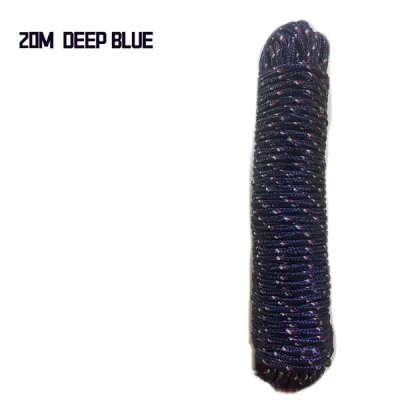
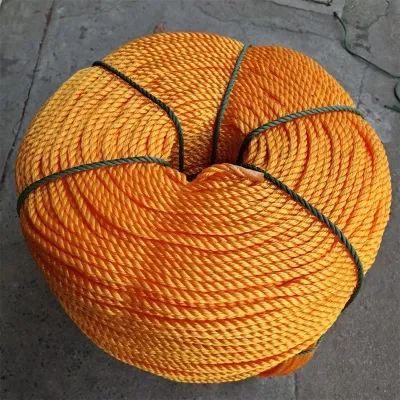
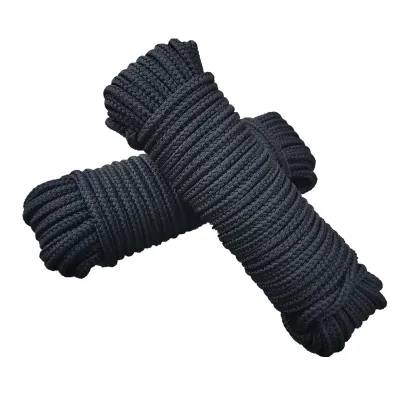
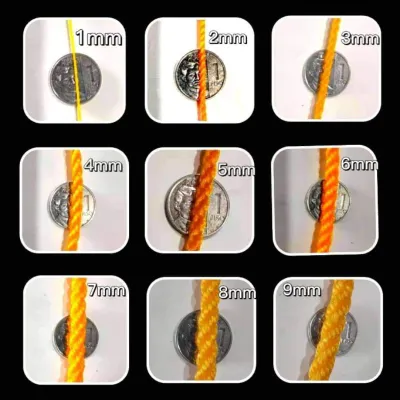
![[Hot style]Nylon Rope (Price is per 10 meters) (Lubid / Tali) 6 7 89101112mm/CARABINER](https://img.lazcdn.com/g/ff/kf/Sea076c153e2e469fbbbc0fb4c5cfc58cf.jpg_400x400q80.jpg_.webp)
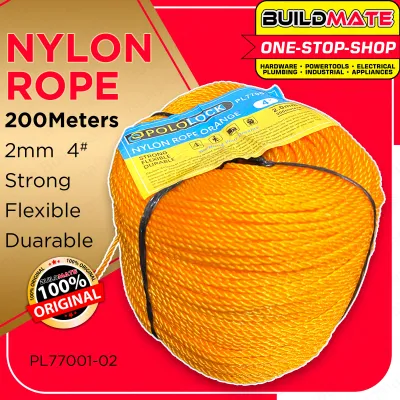
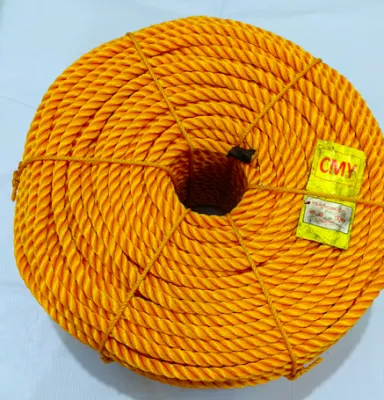
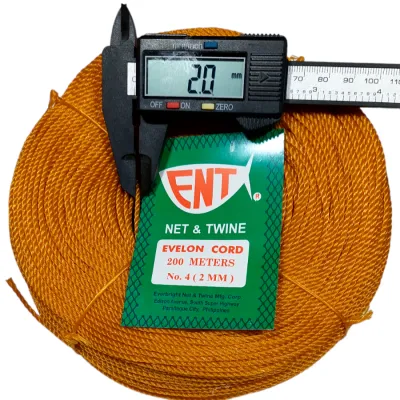
Prices are valid at publication and may change. Please refer to the product page for the latest price.
The diameter of a climbing rope, typically measured in millimeters, directly influences its weight, handling, and overall durability. Ropes generally range from thin 8mm half ropes to robust 11mm+ static lines. Thinner ropes are lighter and produce less drag, but they require highly experienced belayers because they slide through control devices much faster. Thicker ropes offer more friction and wear resistance, making them easier to control and highly durable, though they add significant weight to your pack.
Before purchasing or using any rope, the absolute first step is to verify its safety credentials. Look for the manufacturer’s technical tag, which must display a certification from the UIAA (International Climbing and Mountaineering Federation) or a CE safety mark. These certifications guarantee that the rope has undergone rigorous laboratory testing to withstand standard fall factors, impact forces, and sheath slippage limits. Never climb on a rope that lacks these official safety labels.
Matching Rope Thickness to Specific Climbing Activities
For top-roping and lead climbing, dynamic ropes in the 9.5mm to 10.5mm range are the standard choice. Top-roping involves frequent friction over anchors and rock edges, making a slightly thicker rope (9.8mm to 10.2mm) ideal for resisting abrasion and extending the rope’s lifespan. If you are focusing on lead climbing, where you must pull and clip rope constantly, a slightly thinner dynamic rope (9.2mm to 9.7mm) reduces weight and rope drag on long pitches, though it requires more attentive belaying.

Rappelling and canyoneering subject ropes to intense friction against descender devices and abrasive rock surfaces, often in wet, humid tropical environments. For these activities, static ropes ranging from 9mm to 10mm are preferred. The low-stretch nature of static ropes prevents the dangerous “bungee” effect when descending, and a tightly woven sheath helps resist water absorption and grit penetration. If you are canyoneering through wet gorges, look for ropes specifically treated to resist water absorption.
Hauling gear and setting fixed lines require specialized low-stretch static ropes, typically between 10mm and 11mm. These ropes are built to handle heavy, dead-weight loads without stretching, which would otherwise cause the rope to rub destructively against sharp rock edges. Always check the product tag to verify the rope’s maximum load limit and ensure it is rated for the weight of your haul bags.
A crucial safety rule is to always verify that your belay or rappel device is explicitly rated for the specific rope diameter you choose. Using a 9mm rope in a device rated only for 10mm to 11mm ropes can result in catastrophic slippage and loss of control. Conversely, using an excessively thick rope in a tight device can cause jamming. Remember, selecting the correct gear specifications is only one part of safety; it does not replace formal climbing training, proper knot-tying skills, and professional judgment.
The "Thicker is Better" Myth: Trade-offs of Heavy-Duty Ropes
While a thick rope may look reassuringly strong, relying solely on a thick rope introduces distinct practical challenges and safety risks. The most immediate drawback is weight and bulk. Carrying a heavy, thick rope on a long, steep approach in hot and humid tropical weather accelerates physical fatigue before you even begin your climb. On the wall, the cumulative weight of a thick rope makes pulling slack and clipping anchors physically exhausting.
Thick ropes also tend to be stiffer and more difficult to handle, especially after they have been exposed to dirt, moisture, and repeated use. This stiffness makes it challenging to tie secure, compact knots like the figure-eight follow-through, which must be dressed perfectly to ensure safety. A stiff rope is also much harder to feed smoothly through assisted-braking belay devices, often leading to short-roping and frustrating your climbing partner.
Furthermore, device incompatibility is a serious hazard. If a rope is too thick for your descender or belay device, it can jam during a rappel, leaving you stranded on the wall. The excessive friction can also make lowering a climber jerky and difficult to control. Always balance the desire for durability with the practical handling limits of your gear and your physical stamina.
Pre-Climb Safety Checks and Retirement Conditions
Establishing a strict inspection routine is vital for maintaining rope safety. Before every climbing session, perform a visual and tactile inspection by flaking the rope from one end to the other. Run your bare hands along the entire length to feel for flat spots, soft or mushy sections (which indicate internal core damage), or unusual stiffness. Visually inspect the sheath for “core shots”—areas where the colored outer sheath has worn through to expose the white inner core—as well as severe fuzzing, cuts, or chemical discoloration.
Keep a detailed log of your rope’s usage history, including its age, the number of high-impact falls it has sustained, and its exposure to harsh environments. Tropical conditions, such as high humidity, intense UV exposure, and salty sea air at coastal crags, can accelerate the degradation of nylon fibers. Even if a rope looks perfectly fine, manufacturers recommend retiring ropes after a specific number of years due to the natural aging of the materials.
There are clear stop conditions that require you to retire a rope immediately. If you discover a core shot, feel a distinct flat or hollow spot in the core, or if the rope has sustained a severe, high-factor fall, it must be taken out of service. Additionally, if the rope has reached the end of its manufacturer-recommended lifespan, do not risk using it. If you ever encounter ambiguous damage or are unsure of a rope’s integrity, stop using it immediately and consult a certified professional guide or the gear manufacturer.
Frequently Asked Questions (FAQ)
Can I use a single thick rope for both top-roping and hauling?
No, you should not use a single rope for both activities because they require completely opposite elasticity characteristics. Top-roping requires a dynamic rope to safely absorb the impact of a climber’s fall. If you use a dynamic rope for heavy hauling, the rope will stretch excessively under the load, making the process highly inefficient and causing the rope to rub destructively against rock edges. Conversely, using a static hauling rope for top-roping is extremely dangerous, as the lack of stretch will transmit severe, potentially fatal impact forces to the climber and the anchors during a fall.
Does a thicker rope last longer than a thinner one?
Generally, yes, because thicker ropes typically have a thicker sheath, providing more material to wear down before the core is compromised. However, overall lifespan is heavily influenced by sheath construction, weave density, and environmental care rather than diameter alone. A thin rope with a high sheath-to-core ratio and a tight weave can sometimes outlast a poorly constructed thick rope. Additionally, environmental factors like grit, moisture, and intense UV exposure will degrade any rope over time, making proper washing, drying, and storage essential regardless of thickness.
Community discussion
Share your experience or ask a question. Comments are reviewed before publication.