
Selecting a nylon climbing rope, locally known as a lubid, requires a clear understanding of technical specifications to ensure safety on the rock. In high-risk outdoor sports like rock climbing, your gear is a critical component of your safety system, but it can never replace professional instruction, proper training, and sound personal judgment. Before heading to a local crag, climbers must know how to interpret rope parameters to avoid dangerous equipment mismatches. Misunderstanding these specifications can lead to catastrophic gear failure or severe injury.
Every climbing venue, from indoor gyms to humid outdoor crags, demands specific gear configurations based on the activity type, climber weight, and environmental conditions. In tropical climates, factors like high humidity and moisture exposure also play a role in how you select, store, and maintain your nylon rope. By learning to decode specifications such as diameter, length, and elasticity, you can make an informed decision that aligns with your specific climbing discipline and safety requirements.
Dynamic vs. Static Ropes: The Critical Safety Difference
The most fundamental distinction when selecting a nylon climbing rope is the difference between dynamic and static designs. Dynamic ropes are engineered with high elasticity, allowing them to stretch under load to absorb the energy of a fall. This stretch reduces the impact force exerted on both the climber and the protection anchors. Because of this energy-absorbing capability, dynamic ropes are mandatory for lead climbing and top roping, where fall risks are inherent.
Products mentioned in this guide
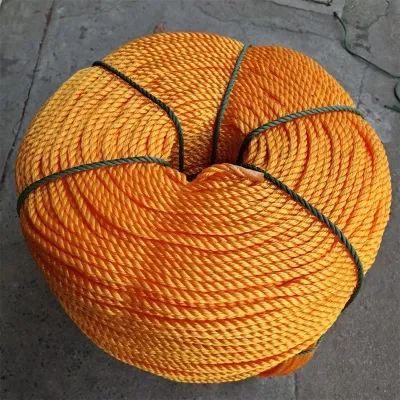
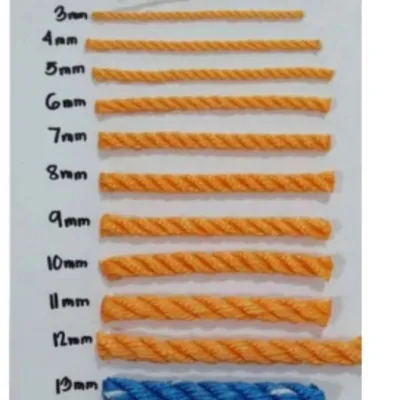
![[Hot style]1 ROLL Nylon Rope 200meters High Quality Polyethylene 6mm 7mm 8mm 9mm 10mm 11mm 12mm](https://img.lazcdn.com/g/ff/kf/S4d1369e3014c45218f45b5f1b5aa9652P.jpg_400x400q80.jpg_.webp)

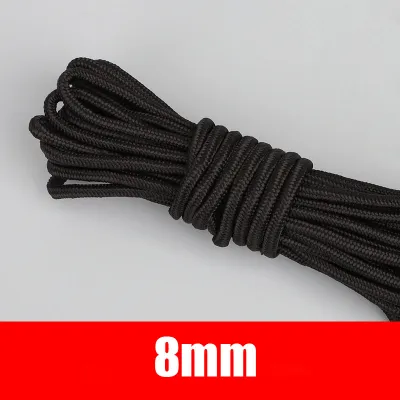
![[Hot style]Nylon Rope (Price is per 10 meters) (Lubid / Tali) 6 7 89101112mm/CARABINER](https://img.lazcdn.com/g/ff/kf/Sea076c153e2e469fbbbc0fb4c5cfc58cf.jpg_400x400q80.jpg_.webp)
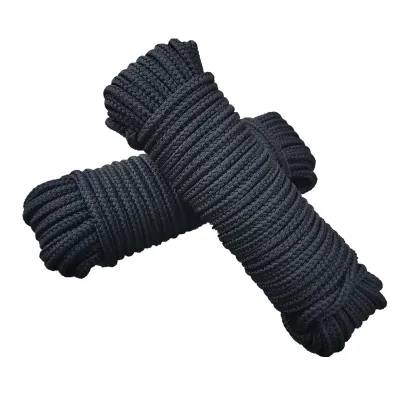
Prices are valid at publication and may change. Please refer to the product page for the latest price.
In contrast, static ropes are designed with minimal stretch. This lack of elasticity makes them highly efficient for activities where you want to avoid a bouncing effect, such as rappelling, hauling gear, ascending, or setting fixed lines. However, using a static rope for lead climbing is extremely dangerous. Because a static rope cannot stretch to absorb fall energy, even a short fall can result in severe shock loading, leading to anchor failure, rope breakage, or serious injury.
While nylon is the standard material for both rope types, its physical behavior changes entirely based on the specific kernmantle construction. Kernmantle ropes feature an interior core that provides the majority of the tensile strength and elasticity, protected by a tightly woven outer sheath. Manufacturers adjust the twist and weave of these nylon fibers to achieve either dynamic stretch or static stiffness. Climbers must verify the intended design of the rope before tying in, ensuring they never substitute a static line for a dynamic safety chain.
Decoding Rope Diameter: Balancing Weight and Durability
Rope diameter directly influences weight, handling characteristics, and durability. Generally, thicker ropes offer greater abrasion resistance and a longer lifespan, making them suitable for high-wear environments such as climbing gyms, top-roping setups, or sharp volcanic rock crags. However, this added durability comes with a significant weight penalty. Carrying a thick, heavy nylon rope on long, steep approaches in hot and humid tropical conditions can quickly exhaust a climber before the ascent even begins.

Thinner ropes, on the other hand, are lighter and easier to pack, making them a common choice for multi-pitch climbs or redpoint attempts where every gram matters. They also run more smoothly through carabiners and belay devices, reducing rope drag on long pitches. The trade-off is that thin ropes wear out faster under friction and are more susceptible to cutting over sharp edges. Beginners should generally opt for mid-to-thick diameters to ensure a larger margin of safety and easier handling during belay practice.
Before purchasing any rope, you must verify your belay device manufacturer’s specifications to ensure the rope’s diameter falls within the device’s safe operating range. Using a rope that is too thin for a specific belay device can result in insufficient friction, making it difficult or impossible to catch a fall. Conversely, a rope that is too thick can jam in the device, causing handling frustration. Always cross-reference the rope diameter with the compatible ranges stamped on your belay hardware.
Choosing the Right Rope Length for Your Route
The length of your nylon climbing rope dictates the maximum height of the routes you can safely climb and descend. Standard single ropes typically range from 60 to 80 meters. When planning a climb, you must ensure the rope is at least twice as long as the pitch height if you plan to lower back to the ground from a single anchor. For example, a 30-meter route requires at least a 60-meter rope to allow the belayer to safely lower the climber back to the starting point.
This calculation is tied to the “half-length” rule for rappelling. When descending a route via rappel, you must double the rope through the anchor, meaning your maximum rappel distance is exactly half the total length of the rope. One of the most common and preventable accidents in climbing is rappelling off the end of an unknotted rope. To mitigate this risk, climbers must always tie stopper knots in both ends of the rope before rappelling, regardless of the estimated route length.
Before purchasing a rope, verify the typical route lengths of your target climbing areas by consulting local guidebooks, checking updated climbing databases, or speaking with experienced local climbers. In some climbing areas, a standard 60-meter rope is adequate, while other crags with longer pitches may require a 70-meter or 80-meter line. Keep in mind that longer ropes add weight to your pack and require careful management and specialized storage solutions to prevent tangling and dirt accumulation.
Reading the Rope Tag: Essential Safety Markings and Limits
Every certified climbing rope comes with a manufacturer’s tag detailing its technical specifications and safety certifications. When inspecting a new rope, look for recognized standards such as the UIAA or CE safety markings. Key metrics on the tag include the number of UIAA test falls the rope can withstand, the peak impact force exerted during a standard fall, and the static and dynamic elongation percentages.
It is crucial to understand that these numbers represent highly controlled laboratory tests designed to compare different rope models under identical conditions. They must be interpreted as baseline metrics rather than absolute real-world guarantees, as actual climbing falls involve complex variables like belayer movement, rope drag, and anchor positioning. For instance, a low impact force rating generally indicates a softer catch for the climber, while a lower static elongation percentage means less stretch when resting on the rope during top roping.
Always read the specific manufacturer’s manual included with the rope to understand its unique retirement criteria, recommended inspection routines, and proper storage conditions. In humid environments, nylon ropes must be dried thoroughly in the shade away from direct sunlight to prevent mold and fiber degradation. Remember that no matter how advanced the specifications on the tag are, they cannot replace professional instruction, proper training, and sound personal judgment. If a rope shows signs of wear or fails a pre-climb inspection, stop using it immediately.
Frequently Asked Questions (FAQ)
Can I use a standard nylon utility rope for climbing?
No, you must never use a standard utility rope for climbing. General-purpose utility ropes, even those made of nylon, lack the specialized kernmantle construction and rigorous safety certifications required to absorb the dynamic forces of a fall. They are designed for static loads like securing cargo or hauling light objects. Using them for climbing can result in sudden, catastrophic failure under the force of a human fall.
How do I know when it is time to retire my climbing rope?
You should retire your climbing rope immediately if you observe core shots (where the white inner core is visible through a cut in the outer sheath), severe sheath slippage, flat or mushy spots, or exposure to harmful chemicals like battery acid. Additionally, you must follow the manufacturer’s recommended lifespan guidelines and retire the rope after any severe, high-factor fall, even if there is no visible damage. When in doubt, consult a qualified professional or retire the gear.
Community discussion
Share your experience or ask a question. Comments are reviewed before publication.