
Choosing the right interface between your feet and your bicycle is one of the most critical decisions you will make as a rider. This connection directly influences how efficiently you move, how confidently you handle obstacles, and how safely you can react to sudden stops. The debate between clipless and flat pedals is central to this choice, as each system offers a fundamentally different approach to cycling mechanics.
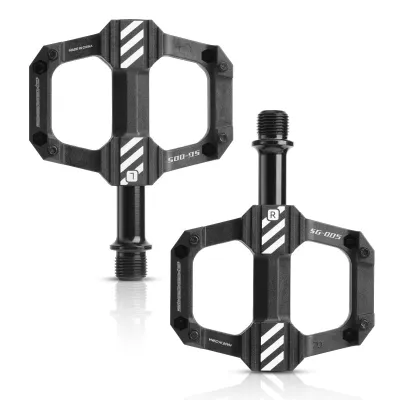
Flat pedals feature a broad platform, often equipped with small metal or plastic pins. These pins bite into the soles of standard athletic shoes or dedicated flat-pedal shoes to provide traction without physically locking your foot to the bike. This design prioritizes freedom of movement, ease of use, and quick dismounts. It is a highly intuitive system that requires no specialized training, making it the default choice for most recreational cyclists.
Clipless pedals, despite their confusing name, actually lock your feet to the bicycle. The term “clipless” is a historical legacy from when these systems replaced traditional toe clips and straps. Instead of straps, clipless systems use a small cleat bolted to the sole of a stiff, specialized cycling shoe. This cleat snaps directly into a spring-loaded retention mechanism on the pedal, creating a rigid, mechanical connection. To disengage, the rider must twist their heel outward, releasing the spring lock.
Products mentioned in this guide
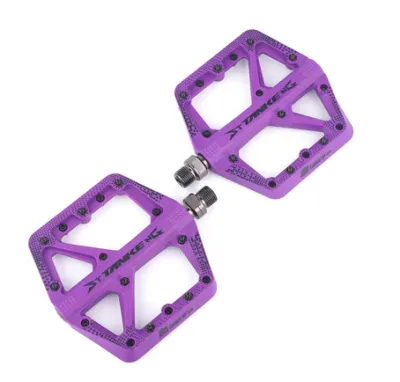
60 Lazada user ratings
Non-slip surface improves safety,
🔨Durability:10 👐Grip:10
Malaki pla to😥
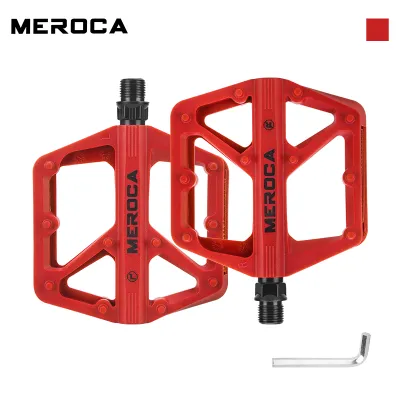
3 Lazada user ratings
Solid product! Nice moisture!
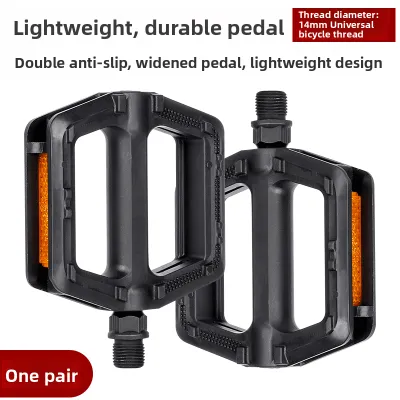
64 Lazada user ratings
The service was excellent, I had picked the wrong size before and contacted customer service for a return and exchange, and the footrest is …Read full reviewShow less
The service was excellent, I had picked the wrong size before and contacted customer service for a return and exchange, and the footrest is also really great.
The delivery took a bit longer than expected, but the package arrived at my door promptly after reaching out to customer service.
🔨Durability: 10/10 Maganda siya at mukang matibay.. Fast delivery, thanks to seller and to the delivery man..
Much better than the original, and I'll replace it with an even better one once it wears out.
👐Grip:ok ⚖️Weight:ok 🔨Durability:ok
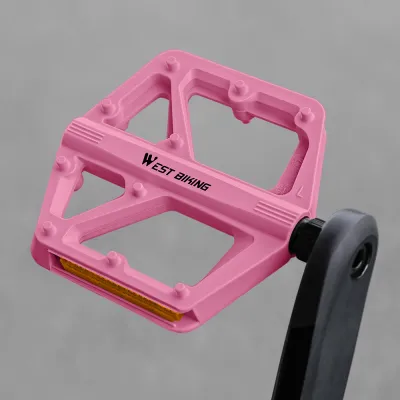
45 Lazada user ratings
It's okay, fits well for the price.
Secure grip, Reflective safety,
🔨Durability:good items
Safe night ride,
Great review!
3 Lazada user ratings
legit product from seller ... goods quality guys I already used this one and I am satisfied and happy will buy again if needed and recommend…Read full reviewShow less
legit product from seller ... goods quality guys I already used this one and I am satisfied and happy will buy again if needed and recommend it to others 👍
🔨Durability:100 ⚖️Weight:100 👐Grip:100
Prices are valid at publication and may change. Please refer to the product page for the latest price.
Flat pedals are generally the ideal choice for beginners, casual commuters navigating unpredictable city streets, and technical downhill mountain bikers who need to dismount instantly. Conversely, clipless systems are highly suited for riders seeking maximum pedaling efficiency, long-distance endurance, or competitive road and gravel performance. This comparison explores how these two systems differ across control, power transfer, and safety to help you determine which setup matches your riding style.
Control, Power Transfer, and Efficiency
The mechanical connection of a clipless pedal fundamentally alters your pedaling dynamics. Because your shoe is locked to the pedal, you can apply force throughout the entire 360-degree rotation. While the downward push remains the primary source of power, the secure connection allows you to pull up on the upstroke and maintain high cadences without your feet bouncing off. This continuous power transfer is especially beneficial during steep climbs or high-speed sprints, where maintaining a smooth, uninterrupted rhythm is crucial.
Flat pedals rely almost entirely on gravity and friction, meaning you primarily push down and sweep back at the bottom of the stroke. While you cannot pull up on the pedal, flat pedals encourage excellent pedaling technique by forcing you to maintain heavy feet and active ankles. This mechanical difference means flat pedals require slightly more physical effort to maintain high cadences over long distances. However, for riders who do not focus on competitive speed, this difference in raw efficiency is often negligible.
Foot placement and micro-adjustments represent another major point of divergence. Flat pedals offer absolute freedom of movement, allowing you to shift your feet forward, backward, or angled outward instantly. This flexibility is highly beneficial for relieving hot spots on long rides or adjusting your stance for technical descents. It also allows you to adapt your foot position based on fatigue, shifting the load to different muscle groups throughout a long day of riding.
Clipless systems lock your foot into a fixed position determined by the cleat installation. While this ensures consistent alignment, it requires precise initial setup. If your cleats are misaligned by even a few millimeters, the repetitive motion can lead to joint discomfort or chronic overuse injuries. To mitigate this, check manufacturer specifications for cleat float—the degree of lateral rotation allowed before unclipping—to match your specific biomechanics. Many riders prefer cleats with moderate float to allow their knees to find a natural path during the pedal stroke.
In wet, humid, or muddy conditions, a clipless system keeps your feet locked in place, preventing energy-wasting slips. However, actual efficiency gains are highly dependent on your individual riding technique and physical conditioning. A stiff-soled cycling shoe paired with a clipless pedal minimizes sole flex, ensuring that more of your energy is transferred directly into the drivetrain rather than being absorbed by a soft shoe sole.
Safety, Learning Curve, and Emergency Handling
The transition to clipless pedals involves a steep learning curve that requires patience and practice. Almost every rider transitioning to clipless experiences a “zero-speed fall”—forgetting to unclip when coming to a complete stop and tipping over sideways. Building the muscle memory to twist your heel outward to disengage takes time and conscious practice. This learning phase can be intimidating, especially when riding in busy environments where sudden stops are common.

On busy roads or technical trails, flat pedals allow you to instantly “dab” a foot on the ground to regain balance. In contrast, a clipless system requires a distinct, deliberate twisting motion to release. If you encounter sudden obstacles, loose gravel, or unexpected traffic stops, any delay in unclipping can result in a fall. For riders navigating congested urban areas with frequent stoplights, the simplicity of flat pedals often outweighs the efficiency benefits of clipless systems.
Injury risks also differ significantly between the two systems. Improperly aligned clipless cleats can cause chronic knee strain due to forced unnatural joint rotation. On the other hand, flat pedals with sharp metal pins pose a physical hazard to your shins. If your foot slips off a flat pedal during a hard climb or a jump, the spinning pedal can strike your shin, causing painful cuts or bruising. Choosing the right footwear with a grippy rubber sole is essential for minimizing slips on flat pedals.
To minimize these risks, practice clipping and unclipping in a safe, stationary environment—such as holding onto a wall, a sturdy post, or using an indoor trainer—before venturing into traffic or onto technical trails. Many clipless pedals allow you to adjust the spring tension; setting the tension to the lowest level makes it much easier to disengage while you are still building muscle memory.
Cost, Gear Requirements, and Maintenance
Flat pedals are highly versatile because they work with standard athletic shoes, though dedicated flat-pedal cycling shoes with sticky rubber soles offer the best grip. Clipless systems require a dedicated investment: you must purchase compatible cycling shoes (which feature stiff soles and bolt holes) and the matching cleat set that interfaces with your specific pedal model. This means you cannot easily share your bike with someone else unless they wear the same shoe size and have compatible cleats.
Flat pedals are generally more budget-friendly, with quality composite options starting around ₱1,200 to ₱3,000. A complete clipless setup—including entry-level clipless pedals (often ₱2,500 to ₱5,000), compatible stiff-soled shoes (ranging from ₱3,500 to over ₱10,000), and replacement cleats—requires a significantly higher initial financial commitment. For budget-conscious riders, flat pedals offer an accessible entry point into cycling without the need for specialized gear.
Clipless mechanisms feature springs, tension adjusters, and small recesses that easily collect mud, sand, and road grime. They require regular cleaning and lubrication to ensure smooth engagement and release. In tropical environments where heavy rain and mud are common, neglecting this maintenance can lead to jammed mechanisms, making it difficult to clip in or out safely. Flat pedals are simpler but still require attention; you must periodically check for loose or missing grip pins and replace worn grip tape or pins to maintain traction.
Clipless cleats are made of brass, steel, or plastic and wear down over time, especially when walking on concrete or asphalt. Check manufacturer guidelines regularly, and replace cleats when you notice excessive play or difficulty disengaging. Replacement cleats typically cost between ₱500 and ₱1,200, representing an ongoing maintenance cost that flat pedal users generally avoid.
Decision Framework: Which Pedal System Fits Your Riding Style?
Choosing the right pedal system ultimately depends on your riding goals, experience level, and physical condition. There is no universal winner; instead, the best choice is the one that aligns with your specific cycling activities and comfort levels.
Choose Flat Pedals if: You are a beginner building confidence, ride technical downhill trails where quick foot release is vital, commute in heavy stop-and-go traffic, or prefer the convenience of walking comfortably in regular shoes when off the bike. Flat pedals are also excellent for riders who enjoy casual weekend rides with family and want a low-maintenance, highly intuitive setup.
Choose Clipless Pedals if: You ride long distances, focus on road racing, engage in gravel grinding, or want to maximize your pedaling efficiency and maintain absolute foot stability over rough terrain. Clipless systems are ideal for cyclists looking to improve their speed, endurance, and power output on structured training rides.
Verify first if: You have existing knee, ankle, or hip joint issues. It is highly recommended to consult a professional bike fitter to adjust your cleat alignment and select the appropriate amount of cleat float before committing to a clipless system. A professional fit can prevent chronic strain and ensure that your joints move through a safe, natural range of motion.
Neither may fit if: You are currently recovering from a lower-body injury. In this scenario, verify your joint clearance, range of motion, and pedal mechanics with a physical therapist or sports physician before returning to any intensive cycling. Your recovery should always take priority over performance upgrades.
Frequently Asked Questions (FAQ)
Can I use clipless pedals without special shoes?
Standard clipless pedals have very small contact patches and lack grip, making them dangerous and uncomfortable to ride with regular shoes. Your feet will easily slip off, especially in wet weather. However, dual-sided or hybrid pedals (flat on one side, clipless on the other) are an excellent alternative for riders who want the flexibility to use both regular shoes and cycling shoes depending on the ride.
Do flat pedals with pins hurt your shins?
Yes, flat pedals with metal pins can cause painful shin strikes if your foot slips. To minimize this risk, check your pin length, adjust the pin configuration to match your shoe sole, and wear dedicated flat-pedal cycling shoes with sticky rubber outsoles. Wearing shin guards or long socks can also provide physical protection during technical rides.
Are clipless pedals actually safer than flat pedals?
Safety is highly contextual. Clipless pedals are safer in high-speed, bumpy, or wet conditions because they prevent your feet from slipping off the pedals unexpectedly. However, flat pedals are safer in slow-speed, technical, or high-traffic environments because they allow you to put your foot down instantly. Ultimately, clipless safety depends on your ability to unclip instinctively during sudden stops.

Community discussion
Share your experience or ask a question. Comments are reviewed before publication.