
Selecting a commercial bench press requires looking past flashy marketing claims and focusing on structural engineering. In a commercial gym or a dedicated home training space, a bench must withstand thousands of kilograms of cumulative daily stress. The specifications that truly dictate performance and safety are the steel gauge of the frame, the density of the padding, the security of the adjustment mechanisms, and the durability of the upholstery. While a high-quality bench provides a stable foundation, it is important to remember that equipment cannot replace proper lifting technique, spotters, or safety racks.
Decoding Weight Capacity and Frame Steel Gauge
When evaluating a commercial bench press, the weight capacity rating is often the first specification buyers notice. However, a simple number like “450 kg capacity” can be misleading if the manufacturer does not specify whether this is a static or dynamic rating. A static load rating refers to a stationary weight placed gently on the bench, whereas a dynamic load rating accounts for the sudden forces of a lifter re-racking a heavy barbell or moving dynamically during a set. To ensure safety, the rated capacity must comfortably exceed the combined weight of the heaviest lifter and their maximum projected barbell load, plus a generous safety margin for dynamic impact.
The thickness of the steel frame is the primary driver of this structural capacity. In the fitness industry, steel thickness is measured in gauges, where a lower number indicates thicker, stronger steel. True commercial-grade benches typically utilize 11-gauge steel, which is approximately 3 millimeters thick. Light commercial or residential benches often use thinner 12-gauge or 14-gauge steel. Thicker steel prevents the frame from twisting or flexing under heavy loads, ensuring a stable and predictable lifting surface. Buyers should verify these specifications by requesting official manufacturer documentation rather than relying solely on retail product descriptions.
Products mentioned in this guide
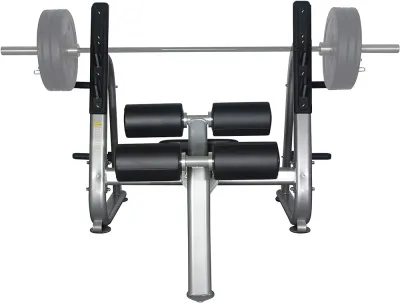
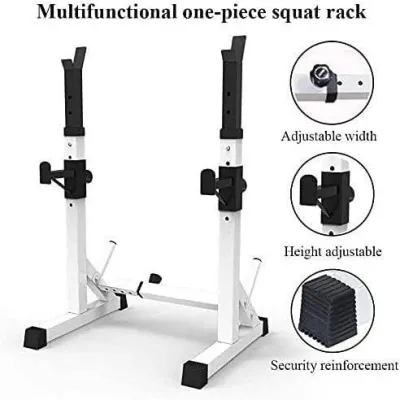
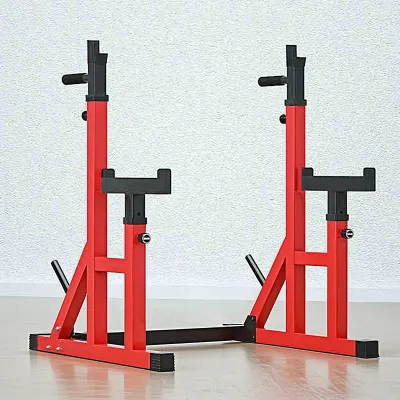
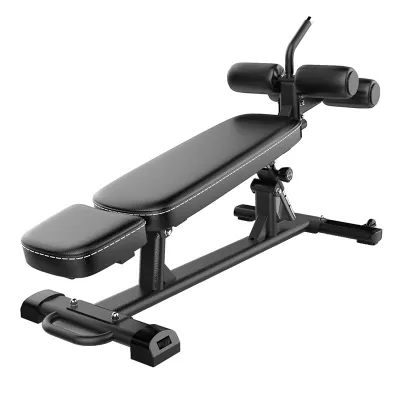
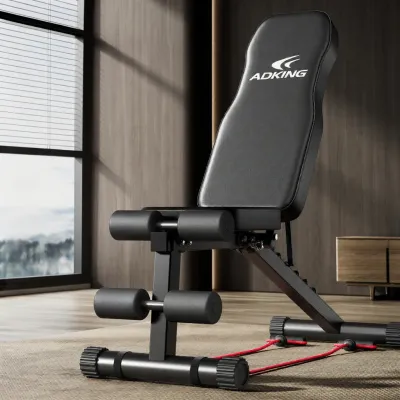
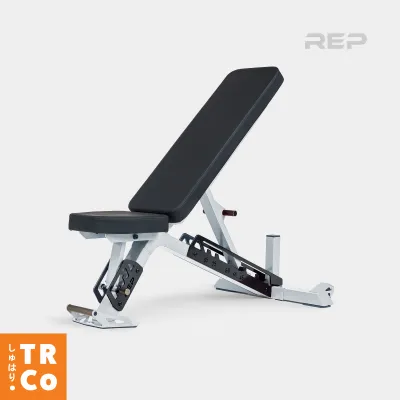
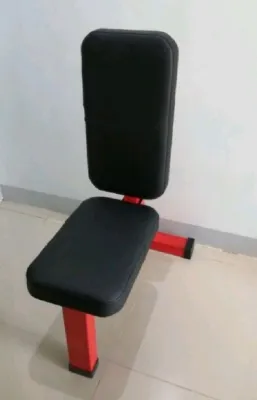
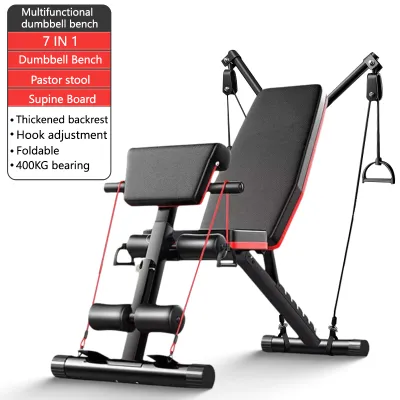
Prices are valid at publication and may change. Please refer to the product page for the latest price.
Beyond the steel itself, the integrity of the joints determines the overall strength of the bench. Inspect the welds connecting the steel tubes; high-quality commercial benches feature continuous, clean welds that run fully around the joints, often reinforced with gusset plates. Sloppy, uneven, or spot-welded joints are common failure points under heavy use. If you are purchasing equipment in the Philippines, where tropical humidity can accelerate corrosion, look for frames with a durable powder-coated finish. A high-quality powder coat seals the steel from moisture and sweat, preventing rust from weakening the structural welds over time.
Evaluating Padding Density and Upholstery Durability
The padding of a commercial bench press is just as critical as the steel frame, directly impacting both lifter safety and comfort. Cheap, soft foam padding may feel comfortable during a casual sit-test, but it will bottom out under heavy loads. When padding compresses completely, the lifter’s shoulders lose their stable foundation, which can lead to joint instability and shoulder injuries during heavy presses. Commercial benches require high-density, reconstituted foam that offers firm resistance, keeping the spine and shoulders properly supported even under maximum loads.

Upholstery durability is another major factor, especially in high-traffic commercial facilities or humid environments. The outer cover must be made of heavy-duty, tear-resistant vinyl that can withstand constant friction and chemical sanitizers. Look for textured surfaces that provide grip, preventing the lifter’s back from sliding during leg drive. Double-stitched seams are essential to prevent the vinyl from splitting at the edges under high pressure.
In tropical climates like the Philippines, sweat accumulation is a constant challenge. Moisture can seep into the seams of poorly constructed padding, leading to mold growth, unpleasant odors, and rapid degradation of the inner foam. When inspecting a bench, check if the upholstery is non-porous and easy to wipe down. Visible signs of premature wear, such as loose threads, cracking vinyl, or soft spots in the foam, should be checked immediately upon delivery or during physical inspection.
Adjustability, Footprint, and Stability Features
For adjustable benches (incline, decline, and flat), the adjustment mechanism must be exceptionally secure to prevent accidental collapsing. Common designs include pop-pin systems, telescoping tubes, and ladder-style catches. Ladder-style mechanisms are highly popular in commercial settings because they allow for rapid angle changes, but they must feature deep, laser-cut steel hooks that prevent the support bar from slipping out of place. Pop-pin systems offer a locked-in feel but require regular lubrication to prevent sticking.
The physical footprint of the bench determines its stability on the gym floor. A wide rear stabilizer bar prevents lateral rocking when a lifter is shifting their weight or executing heavy dumbbell movements. Look for heavy-duty rubber end caps on the base; these not only protect the gym flooring but also increase friction to prevent the bench from sliding during heavy leg drive. A bench that shifts or wobbles during a lift introduces significant injury risks.
Space planning is also vital when integrating a commercial bench press into your facility. You must calculate the total footprint of the bench plus the clearance required for safe barbell loading and spotter movement. A standard Olympic barbell is 2.2 meters long, meaning the lifting station requires a clear width of at least 3 meters to allow plate loading without hitting adjacent walls or equipment. Spotters also need a clear, unobstructed space behind the head of the bench to assist the lifter safely.
Identifying Marketing Fluff vs. True Commercial Build
With commercial bench presses often costing ₱25,000 to ₱60,000 or more, it is important to distinguish between genuine structural quality and marketing fluff. Some manufacturers inflate prices by adding non-essential aesthetic features, such as oversized plastic shrouds, elaborate branding plates, or complex multi-angle adjustments that do not contribute to structural integrity. These add-ons often serve as dust collectors or introduce unnecessary failure points rather than improving the safety or performance of the bench.
To verify a true commercial build, focus on a checklist of functional components. The finish should be a multi-stage powder coat that resists chipping and sweat corrosion. Moving parts, such as wheels and pivot joints, should utilize sealed ball bearings rather than cheap plastic bushings, ensuring smooth operation over years of heavy use. Chrome-plated or stainless steel adjustment columns are also preferred over painted steel, as constant sliding will quickly chip paint and expose the raw steel to rust.
Before making a final purchasing decision, always request detailed manufacturer specification sheets that outline the exact steel gauge, foam density, and testing standards used. If you are purchasing multiple units for a commercial gym, requesting a physical sample or visiting a local showroom to inspect the weld quality and padding firmness firsthand is highly recommended. Consulting with a professional gym equipment installer can also provide valuable insights into which brands hold up best under local environmental conditions.
Frequently Asked Questions (FAQ)
Is a higher weight capacity always better for a commercial bench press?
Not necessarily. While a high weight capacity indicates a strong frame, there are diminishing returns once the rating far exceeds your practical needs. For example, a bench rated for 600 kg offers no functional advantage over a 450 kg bench if your maximum lifter load is 200 kg. Extremely high-capacity benches are often heavier and more difficult to move around the gym floor. Focus on matching the capacity to your actual user demographics while maintaining a safe buffer, rather than paying a premium for excessive ratings.
How can I verify the steel gauge if the manufacturer does not list it?
If the steel gauge is not listed in the product specifications, you can use a few practical indicators to estimate the frame’s quality. First, check the overall weight of the bench; a true commercial flat bench typically weighs at least 30 kg, while adjustable benches often exceed 40 kg due to the volume of heavy steel used. You can also measure the thickness of the steel tubing at visible open ends, such as near the feet or adjustment channels, using a digital caliper. Finally, contact the supplier directly to request the technical specification sheet from the factory.
Community discussion
Share your experience or ask a question. Comments are reviewed before publication.