
Finding the right home cardio fitness equipment for a compact condominium in the Philippines requires balancing your fitness goals with the realities of limited square footage. In high-density urban areas like Metro Manila, studio and one-bedroom units often serve as living rooms, dining areas, and home offices simultaneously. Introducing a bulky, commercial-grade treadmill into these multi-functional spaces can quickly lead to cluttered walkways and restricted movement. The ideal solution lies in selecting low-profile, foldable, or vertical machines that can be easily tucked away when not in use, allowing you to maintain an active lifestyle without sacrificing your living space.
To make an informed decision, you must look beyond the aesthetic appeal of a machine and evaluate its physical footprint, storage mechanism, and operational noise. This guide outlines how to assess your condo layout, compare different categories of compact cardio gear, and verify critical dimensions to ensure a seamless fit.
Assessing Your Condo's Available Space and Layout
Before browsing online marketplaces or visiting local fitness showrooms, you need to map out the exact zone where your home cardio fitness equipment will operate. This process begins by measuring both the active footprint—the space the machine occupies during a workout—and the stored footprint, which is the space it takes up when folded or put away. Do not rely on visual estimation; use a physical measuring tape to mark the length, width, and height of your designated workout area. Remember to account for vertical clearance, especially if you are considering equipment that raises your body level, such as a stepper or a compact treadmill.
Products mentioned in this guide
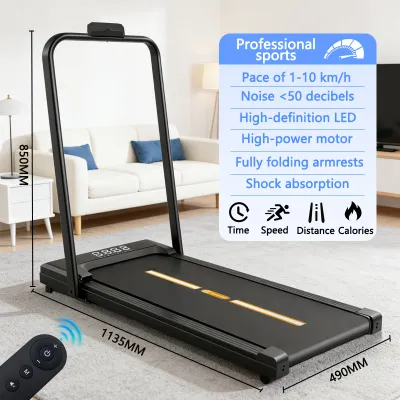
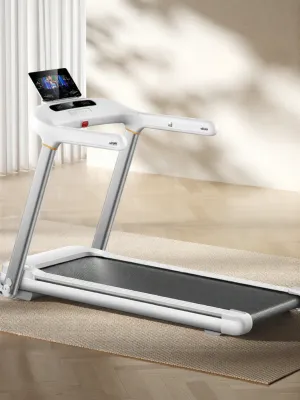
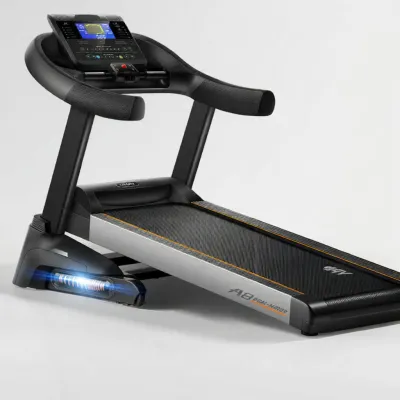
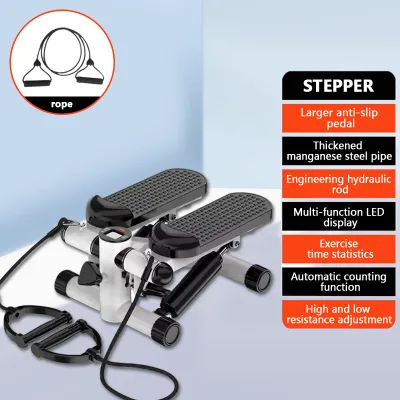
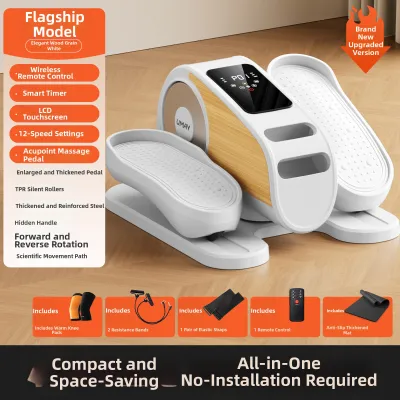
Prices are valid at publication and may change. Please refer to the product page for the latest price.
Your layout assessment must also factor in the daily flow of your household. Ensure the active workout zone does not block essential pathways, door swings, or access to built-in cabinets and wardrobes. If you have to move a coffee table or slide a dining chair every time you want to exercise, the friction of setting up the equipment may discourage you from using it regularly.
For very tight spaces, identifying multi-use zones is the most practical approach. A living room floor can easily transition into a temporary gym if the equipment is lightweight enough to be rolled under a sofa or stood upright in a corner closet. When planning these zones, verify that you can transition the space back to its original state within a few minutes, keeping your home looking organized and clutter-free.
Evaluating Compact Cardio Machine Categories
Selecting the right home cardio fitness equipment involves comparing how different designs utilize your limited floor area. The primary criteria for comparison are the active space required during operation, the stored space needed when the workout is finished, and the overall setup time required to transition between the two states.

Foldable and Collapsible Options
Foldable cardio machines, such as folding treadmills and collapsible exercise bikes, are designed to shrink their footprint significantly when not in use. When evaluating these options, always check the manufacturer’s specified folded dimensions against your designated storage closet, wardrobe, or wall corner. A machine that looks compact in a spacious showroom can still feel overwhelming in a small studio.
Key Verification Steps:
- Weight and Portability: Verify the total weight of the unit and check for the presence of built-in transport wheels. Moving a heavy machine across delicate flooring can cause scratches, so ensure you can comfortably lift and roll the folded unit on your own.
- Locking Mechanisms: Review the manufacturer's instructions regarding the safety locks and folding latches. The mechanism must lock securely in both the active and folded positions to prevent accidental unfolding or structural collapse.
- Weight Capacity: Check the user weight limits specified by the manufacturer, as compact folding frames sometimes have lower weight capacities than their non-folding counterparts.
Low-Profile and Under-Desk Machines
Low-profile equipment, including under-desk walking pads, mini ellipticals, and compact steppers, is designed to remain close to the floor or integrate directly with your existing furniture. These machines are highly popular for remote workers in the Philippines who want to stay active while working from home.
Key Verification Steps:
- Pedal and Knee Clearance: If you plan to use an under-desk elliptical or bike, measure the distance between your knees and the underside of your desk. Ensure there is sufficient clearance to prevent your knees from knocking against the desk frame during a full pedal rotation.
- Base Stability: For compact steppers, evaluate the width of the base and the slip-resistant properties of the feet. Because these machines have a small footprint, a wider base is essential to prevent tipping during high-intensity workouts.
- Power and Cable Safety: Check the length of the power cord and the proximity of your wall outlets. Avoid stretching cords across active walkways, as this creates a severe tripping hazard in tight condo layouts.
Vertical and Wall-Mounted Systems
When floor space is at a premium, utilizing your vertical wall space can free up valuable room. Vertical climbers and wall-mounted resistance systems allow you to perform high-intensity cardio workouts while keeping the floor footprint to an absolute minimum.
Key Verification Steps:
- Structural Integrity: For any wall-mounted equipment, verify the load-bearing capacity of your condo walls. Many modern condos use lightweight drywall or hollow concrete blocks that may require specialized anchors or professional installation to support dynamic exercise loads safely.
- Ceiling Height: Compare the maximum height of the vertical climber against your condo's ceiling height. Ensure that when you reach the top of the climbing stroke, your hands and the machine's moving parts have adequate clearance from ceiling fans, light fixtures, and concrete beams.
- Stored Profile: Check how far the machine protrudes from the wall when not in use. A low-profile vertical system should sit relatively flush against the wall to avoid obstructing daily movement through the room.
Key Dimensions and Clearance Requirements to Check
To ensure safe operation, your home cardio fitness equipment requires a buffer zone that extends beyond the physical dimensions of the machine itself. Operating cardio gear in a cramped space without proper clearance increases the risk of injury during a fall or an emergency dismount.
First, establish a safety margin around the perimeter of the machine. For compact treadmills, manufacturers typically recommend leaving a clear zone behind the belt in case of a slip, alongside lateral clearance for arm swings and stepping off the deck. For exercise bikes and ellipticals, ensure your elbows and knees have enough lateral space to move freely without striking nearby walls, shelves, or glass sliding doors.
Second, calculate your total vertical clearance during use. Take your height, add the step-up height of the machine (the distance from the floor to the running deck or pedals at their highest point), and compare this total to your ceiling height. In many Philippine condominiums, concrete beams or dropped ceilings for air conditioning ducts can lower the overhead clearance, making this calculation critical for taller users. In the tropical climate of the Philippines, proper ventilation and sweat-resistant materials are also essential to prevent premature wear and rust on your equipment.
Finally, do not forget the logistics of getting the equipment into your unit. Measure the width of your condo’s doorways, the dimensions of the service elevator, and the tight turns in your hallway. Even the most compact machine must first pass through these entry points before it can be assembled in your living room.
Managing Noise, Vibration, and Condo Rules
Living in a multi-unit condominium means your workouts can easily impact your neighbors. Impact noise from running and structural vibrations from heavy motors can travel through concrete floors, leading to complaints from the residents living directly below you.
To minimize these disturbances, prioritize low-impact machines that utilize magnetic resistance systems. Magnetic resistance is generally much quieter than air or friction resistance, making it ideal for early morning or late-night workouts. Additionally, look for machines with smooth belt drives rather than chain drives, as they produce significantly less operational noise.
Investing in high-quality, high-density anti-vibration mats is essential for any condo gym setup. These mats, which can cost a few thousand ₱, help absorb the impact of your stride and isolate motor vibrations from the structural slab. Before purchasing heavy equipment, check your building’s floor load limits and consult your Property Management Office (PMO) regarding any specific guidelines. Many condo associations in the Philippines have strict rules regarding quiet hours, structural modifications, and the use of heavy fitness gear in residential units, so obtaining clearance beforehand can prevent future disputes.
Frequently Asked Questions (FAQ)
How do I protect my condo flooring from heavy cardio machines?
Protecting your flooring starts with understanding the weight distribution of your equipment. Heavy machines can leave permanent indentations on vinyl planks, scratch engineered wood, or crack delicate tiles if the weight is concentrated on small, hard plastic wheels or leveling feet. To prevent this, place a heavy-duty, non-slip rubber or polyurethane mat beneath the entire footprint of the machine. Ensure the mat is thick enough to absorb point loads and check that the material is compatible with your specific flooring type to avoid discoloration or chemical reactions over time.
Can I use a compact treadmill in a shared building without noise complaints?
Using a compact treadmill in a shared building is highly feasible if you take the proper precautions. Opt for a model with a high-quality motor and a well-cushioned deck designed to absorb foot strikes, or consider a manual walking pad which typically generates less mechanical noise. Always place the treadmill on an anti-vibration mat, and position it away from shared partition walls. Finally, respect your condo’s established quiet hours and limit high-impact running to daytime hours when ambient noise levels in the building are naturally higher.
Community discussion
Share your experience or ask a question. Comments are reviewed before publication.