
Finding the right climbing exercise machine for a compact condominium in the Philippines requires balancing vertical clearance, floor footprint, and structural safety. While traditional commercial gym climbers are far too bulky and heavy for typical residential units, several compact alternatives—such as folding vertical climbers, mini steppers, and portable hangboards—can easily integrate into a limited layout. The key is matching the machine’s operational path to your specific room dimensions, ensuring you can exercise safely without damaging your living space or disturbing your neighbors.
Before purchasing any equipment, you must evaluate how the machine moves during use. A climber that looks compact when folded might require significant overhead clearance or a wide safety zone when fully extended. By analyzing your floor plan, ceiling height, and the structural limits of your condo, you can establish a safe, highly effective home workout zone that supports your fitness goals without overcrowding your home.
Assessing Your Condo Space and Clearance Requirements
Setting up a climbing exercise machine in a compact condominium requires precise planning that goes beyond simply measuring the machine’s static footprint. You must map out the active footprint, which includes the space needed for your body to move, mount, and dismount safely. Start by measuring the dedicated floor area with a tape measure, ensuring you leave at least 60 centimeters of open space around the perimeter of the machine. This buffer prevents your limbs from striking nearby furniture, walls, or glass sliding doors during high-intensity workouts. Remember to account for door swings, wardrobe doors, and the natural walkways of your household to maintain a functional living environment.
Products mentioned in this guide
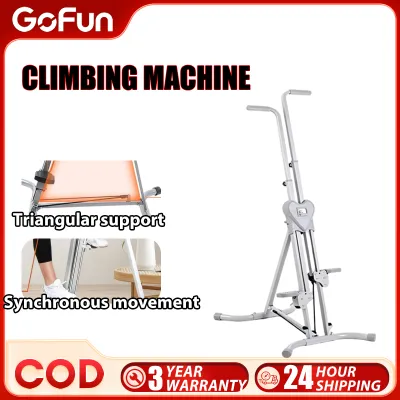
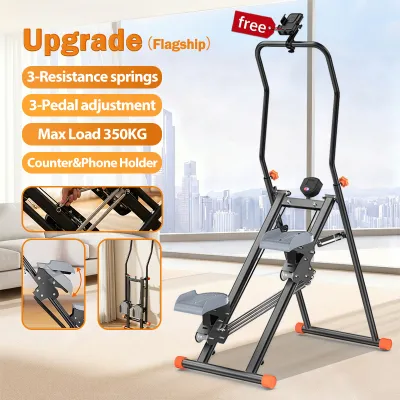
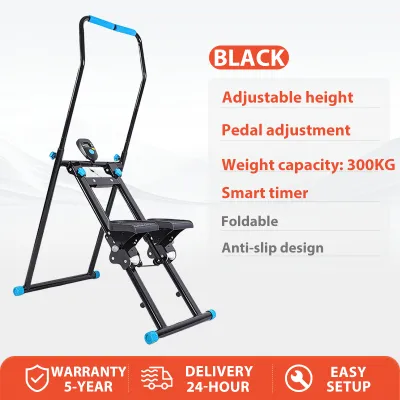
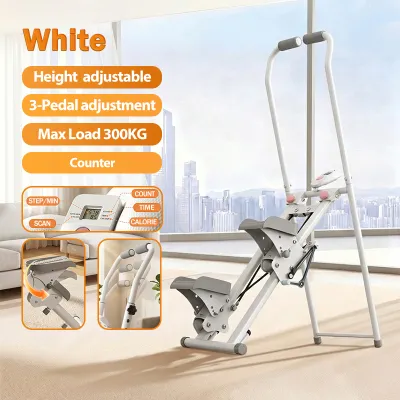
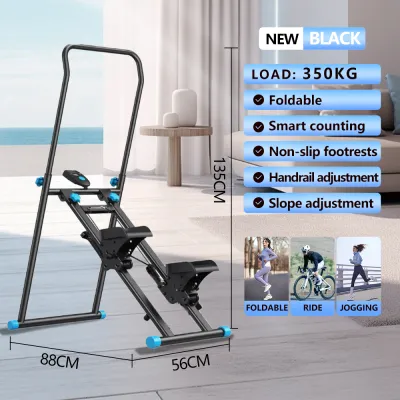
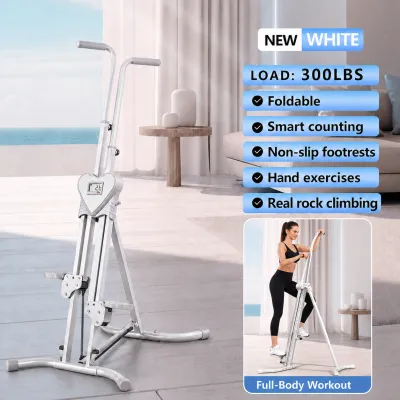
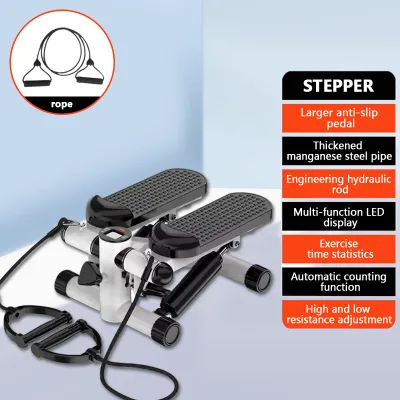
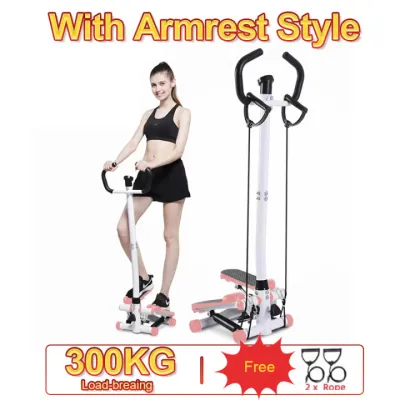
Prices are valid at publication and may change. Please refer to the product page for the latest price.
Ceiling height is the most critical vertical constraint for climbing equipment. Standard Philippine condominium ceilings often range from 2.4 to 2.7 meters, which can severely limit your options. When using a vertical climber, your hands will reach well above your head, and your body will rise slightly with each step. To verify if a machine fits, calculate your total active height: add your own height, the maximum height of the machine’s handles at full extension, and the height of the machine’s lowest foot pedal. Compare this total to your ceiling height, leaving at least 15 to 20 centimeters of clearance to avoid hitting your knuckles or head against the ceiling or overhead light fixtures.
Finally, consider the structural limits of your flooring. While most modern high-rise condominiums are built with reinforced concrete slabs capable of supporting standard residential loads, dynamic exercises generate localized forces. A heavy machine combined with the rapid, rhythmic stepping of a user can create significant vibrations and point loads. Check your condominium’s house rules or consult the building administration to verify floor load limits, especially if you plan to install a heavy, motorized stair climber. Understanding these physical boundaries beforehand prevents structural damage and ensures a safe workout environment.
Comparing Compact Climbing Machine Types for Limited Spaces
Different climbing machines utilize distinct mechanical paths, which directly influences how much physical space they occupy in your home. Choosing the right type depends on whether your condo has more available vertical height or horizontal floor area.

Vertical Climbers and Gliders
Vertical climbers offer an exceptionally space-efficient floor footprint, often requiring less than one square meter of floor space when in use. These machines mimic the natural, full-body movement of scaling a rock face, engaging both your upper and lower body simultaneously. However, this vertical efficiency comes at the cost of height. Because the handles slide upward along a central mast, you must ensure your ceiling can accommodate the maximum extension of the guide rails. Additionally, check the operational clearance in front of and behind the machine; your body will lean slightly backward during use, requiring a clear zone behind you to prevent your back or elbows from brushing against walls or storage shelves.
Stair Climbers and Steppers
Stair climbers and mini steppers focus primarily on lower-body conditioning and require significantly less vertical clearance than upright climbers. A mini stepper is the most compact option available, easily sliding under a bed or inside a closet when not in use. Larger, motorized stair-stepping machines provide a more robust workout but have a larger, non-foldable base footprint. When evaluating these units, prioritize step-out clearance at the rear of the machine so you can safely step off in case of a loss of balance. Because these machines can be heavy, look for models equipped with transport wheels, allowing you to roll the unit aside easily when sweeping, mopping, or rearranging your living room.
Wall-Mounted Training Boards and Portable Grip Trainers
For climbing enthusiasts focused on finger strength and upper-body conditioning, wall-mounted hangboards and portable grip trainers offer an ultra-compact alternative that occupies zero floor space. Installing a wooden or resin hangboard requires a structurally sound wall, typically a solid concrete partition or a reinforced timber stud frame. Avoid mounting these boards directly onto hollow drywall or gypsum board partitions common in newer condo divisions, as they cannot support dynamic body weight. If drilling is not permitted in your building, portable grip trainers can be suspended from secure pull-up bars or door frame mounts, allowing you to pack them away in a drawer once your training session is complete.
Space-Saving Features and Installation Considerations
When shopping for a climbing exercise machine, look for specific design features that cater to small-space living. Foldable or collapsible frames are highly advantageous, allowing you to reduce the machine’s depth to just a few inches so it can stand flat against a wall or slide into a utility closet. Ensure the folding mechanism is robust and easy to operate without requiring specialized tools. Built-in transport wheels are equally essential, as they allow you to move the equipment without straining your back or scratching your delicate laminate, engineered wood, or ceramic tile flooring.
Always cross-reference the manufacturer’s installation manual for minimum clearance guidelines. Manufacturers typically specify safe distances from walls, windows, and heat sources. In a tropical climate like the Philippines, keeping your fitness equipment away from direct sunlight and air conditioning compressors is vital. Intense sunlight can degrade plastic components and digital consoles, while proximity to damp areas can accelerate rust on steel frames.
Before making a purchase or drilling any holes, thoroughly review your lease agreement or condominium association bylaws. Many properties have strict regulations regarding drilling into structural concrete walls or columns, which are considered common areas. Furthermore, noise transmission is a frequent source of neighbor disputes in high-density buildings. The rhythmic thudding of a stepper or the sliding friction of a vertical climber can easily travel through concrete floors. Understanding these rules early helps you choose a machine that keeps both your landlord and your downstairs neighbors happy.
Designing Your Condo Home Gym Layout
Integrating fitness equipment into a multi-purpose living space requires a thoughtful layout that prioritizes safety, comfort, and aesthetics. Your primary layout goal should be maintaining unobstructed traffic flow. Never position your climbing machine in a way that blocks emergency exit routes, main hallways, or access to your balcony. If your condo has a studio layout, place the machine in a corner or parallel to a wall where it does not interfere with daily movement.
Proper ventilation and climate control are crucial for indoor workouts in a warm, humid climate. Position your climbing machine within direct line of sight of an air conditioning vent or a standing fan to maximize airflow. Because climbing exercises are highly cardiovascular and generate significant sweat, place a high-density, non-slip rubber mat beneath the machine. This mat serves a dual purpose: it catches sweat to protect your flooring from moisture damage and acts as a sound barrier to absorb operational vibrations before they reach the apartment below.
To keep your home feeling like a relaxing living space rather than a commercial gym, use visual zoning techniques. Lightweight, folding room dividers, tall potted plants, or strategically placed bookshelves can screen the climbing machine from your bed or sofa. This visual separation helps you mentally transition from workout mode to relaxation mode, ensuring your condo remains a comfortable sanctuary even with a dedicated fitness zone.
Frequently Asked Questions (FAQ)
Can I install a climbing training board in a rented condominium?
Installing a wall-mounted hangboard in a rental unit can be challenging due to lease restrictions on drilling into structural walls. Before proceeding, consult your building administration and obtain written permission from your landlord. If drilling is prohibited, look for non-invasive alternatives. You can use a freestanding pull-up station equipped with hangboard attachments, or utilize portable grip trainers that hang from a heavy-duty, removable doorway pull-up bar. These options allow you to train effectively without risking your security deposit or damaging the property’s structural walls.
How do I protect my condo floor from heavy climbing machines?
To protect your flooring from scratches, indentations, and sweat, always place a specialized fitness mat beneath your climbing machine. High-density rubber tiles or interlocking EVA foam mats are excellent choices for absorbing impact and dampening noise. If your machine is exceptionally heavy, use solid rubber caster cups under the contact points to distribute the weight evenly and prevent permanent indentations on vinyl or wooden floors. Additionally, ensure the floor surface is completely clean and dry before laying down the mats to prevent moisture from trapping underneath, which can cause mold growth in humid tropical conditions.
Community discussion
Share your experience or ask a question. Comments are reviewed before publication.