
Setting up a home gym in a compact Philippine condo requires a strategic approach. You cannot simply drag in commercial-grade power racks or massive treadmills without turning your living room into an unusable obstacle course. The key is selecting highly adaptable, multi-functional, and easily storable fitness gear that respects your limited floor plan. By choosing space-efficient exercise equipment at home, you can maintain a consistent workout routine right in your unit while keeping your living space looking clean, organized, and entirely uncluttered.
Assessing Your Condo's Available Workout Space
Before purchasing any exercise equipment at home, you must accurately map out your physical environment. Grab a tape measure and document the exact length and width of your designated workout zone, whether it is a corner of your living room, a spot next to your bed, or an enclosed balcony. Do not just focus on the floor footprint; ceiling height is equally critical. Overhead movements like shoulder presses, jumping jacks, or using a jump rope require ample vertical clearance that many modern high-rise units with dropped ceilings or low-hanging light fixtures cannot accommodate.
The journey of your equipment begins long before it sits in your room. You must verify the dimensions of your condo building’s service elevator, the width of the hallways, and the clearance of your front door frame. Many residents have purchased semi-compact cardio machines only to find they cannot navigate the tight corners of their building’s stairwells or entryways.
Products mentioned in this guide
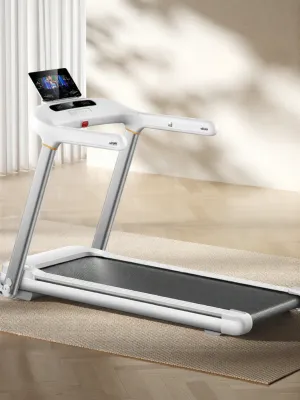
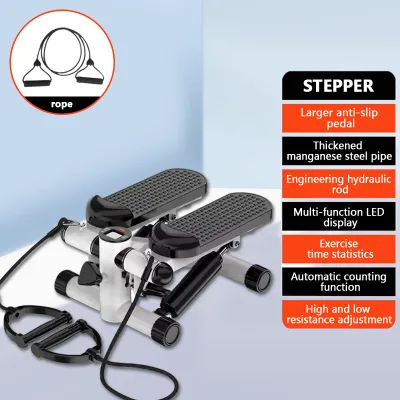
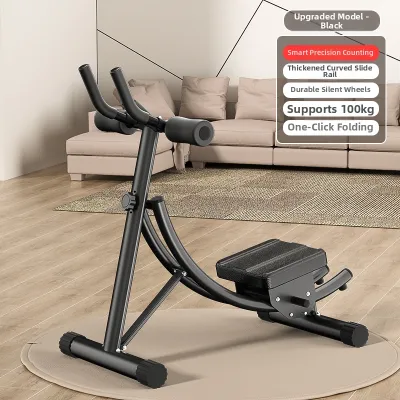


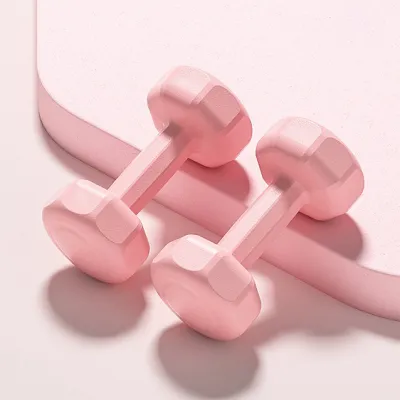
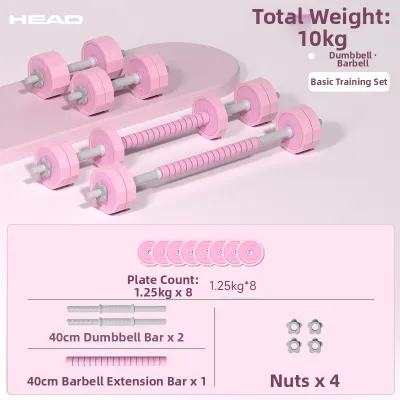
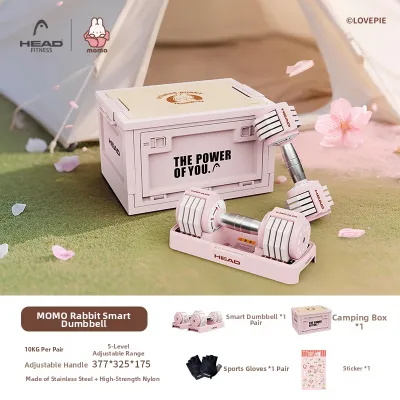
Prices are valid at publication and may change. Please refer to the product page for the latest price.
Additionally, evaluate how your workout space functions throughout the day. If your gym space is also your home office or living room, you must plan exactly where the equipment will be stored when not in use. Finally, review your condominium association’s tenant handbook. Most high-rise developments have strict rules regarding noise transmission, floor vibrations, and structural drilling, which will directly influence the types of gear and floor protection you can safely install.
Top Categories of Space-Efficient Exercise Equipment
This section categorizes the most effective space-saving tools by their primary function, allowing you to build a tailored setup that matches your specific fitness goals.

Foldable and Collapsible Cardio Machines
Cardiovascular training often requires the largest machinery, but modern design has made it possible to enjoy high-intensity workouts without sacrificing permanent floor space. Foldable treadmills, under-desk walking pads, and collapsible exercise bikes or rowing machines are engineered to fold down to a fraction of their operating size. When comparing these machines, always check the manufacturer’s specifications for the “in-use” footprint versus the “stored” footprint. A treadmill might look compact in a promotional photo, but it may still require nearly two meters of clear space behind it for safe operation.
Verify the durability of the folding mechanisms and hinge joints, as these parts bear repetitive stress during setup and teardown. Look for models equipped with heavy-duty transport wheels, which are essential for rolling the machine from a living area to a closet or under a bed. Keep in mind that compact cardio machines often have lower user weight limits and smaller motor capacities than commercial counterparts, so check these specifications against your personal physical requirements before purchasing.
Compact Strength and Resistance Tools
Building muscle and strength does not require a sprawling rack of iron plates. Adjustable dumbbells and kettlebells are the ultimate space-savers for strength training, consolidating an entire rack of individual weights into a single pair. By rotating a dial or shifting a pin, you can instantly adjust the load to match your current exercise, saving both physical space and money.
For an even lighter footprint, high-quality resistance bands, suspension trainers, and compact cable pulley systems can be packed away into a small drawer or travel bag. Suspension trainers utilize your own body weight and can be anchored securely to a closed door or a sturdy ceiling mount. If your routine requires a flat surface, look for foldable weight benches that can be collapsed flat to slide under a bed or stand upright in a wardrobe, reclaiming valuable floor area the moment your workout is complete.
Wall-Mounted and Doorway Solutions
Utilizing your condo’s vertical space is an excellent way to keep your floors completely clear. Doorway pull-up bars, wall-mounted resistance band anchors, and vertical ball holders leverage existing structural elements. However, safety must be your absolute priority when installing these systems. Before mounting any heavy-duty fixture, you must verify the composition of your walls. Modern Philippine condos often feature a mix of solid poured concrete shear walls, hollow concrete blocks, and interior drywall partitions.
Never attempt to mount load-bearing fitness equipment, such as suspension anchors or heavy pull-up brackets, into hollow blocks or drywall without professional reinforcement, as this can lead to sudden structural failure and severe injury. Always consult your landlord or building administration before drilling into any walls, as permanent modifications may violate your lease agreement or damage hidden electrical conduits and plumbing lines. If drilling is prohibited, opt for non-invasive, removable doorway pull-up bars that rely on leverage and door frame trim for support, making sure to verify the frame’s sturdiness first.
Key Features to Look for in Compact Fitness Gear
To ensure your home gym setup remains practical over the long term, evaluate potential purchases against these key design and functional criteria.
- Vertical Storage Capability: Prioritize equipment specifically engineered to stand vertically on its end when folded. This design feature minimizes the floor footprint, allowing you to tuck a walking pad or a rowing machine flat against a wall or behind a curtain.
- Multi-Functionality: Look for versatile gear that supports a wide range of exercises. A single adjustable utility bench that transitions from flat to incline, or a compact power tower that combines a dip station, pull-up bar, and push-up handles, provides far more value per square meter than single-purpose machines.
- Noise and Vibration Control: In a shared condo building, keeping the peace with your neighbors downstairs is vital. Choose cardio machines that utilize magnetic resistance rather than friction pads, as magnetic systems operate almost silently. Always verify that your equipment has rubberized, non-marring feet, and plan to place high-density rubber mats underneath to absorb motor vibrations and heavy impacts.
- Aesthetics and Design: Since your exercise equipment at home will likely share space with your daily living areas, consider its visual impact. Selecting gear with clean lines, neutral colors, or sleek matte finishes helps it blend into your interior decor, preventing your home from feeling like a cluttered commercial gym.
Common Space-Planning Mistakes to Avoid
Setting up a functional workout area in a limited space is an exercise in precision. Avoid these common pitfalls to keep your home safe and functional.
- Ignoring Movement Clearance: A common mistake is measuring only the physical dimensions of the machine itself. You must also account for your body's range of motion during use. For example, a suspension trainer requires a wide, clear arc for lateral movements, and a dumbbell workout requires enough space to extend your arms fully without striking walls, television screens, or furniture.
- Overlooking Ceiling Height and Fixtures: Always check the clearance above your head. Performing overhead barbell presses or jumping onto a plyometric box can easily result in painful collisions with low ceilings, decorative drop ceilings, or low-hanging dining room light fixtures.
- Neglecting Ventilation and Airflow: Small, enclosed rooms or converted balconies can heat up rapidly during intense exercise, especially in the warm, humid climate of the Philippines. Ensure your workout zone has adequate cross-ventilation, access to an air conditioning vent, or space to position a high-velocity floor fan to prevent overheating.
- Buying for an "Aspirational" Routine: Resist the temptation to purchase complex, bulky machines based on a workout routine you hope to adopt in the future. Instead, start with basic, highly compact tools that match your current fitness level and habits, gradually expanding your setup only when you have established a consistent routine and verified that you have the physical space to support it.
Frequently Asked Questions (FAQ)
Can I use heavy gym equipment on a condo floor?
While modern residential concrete floors in high-rise buildings are engineered to support substantial weight, concentrated heavy loads require careful consideration. A heavy squat rack, a fully loaded barbell, or a massive commercial treadmill can exert significant localized pressure on your flooring. Before purchasing heavy strength training setups, consult your building’s property management office to verify the official load-bearing capacity per square meter of your unit. To safely distribute heavy loads and minimize point-source stress on the structural slab, always place a thick, high-density rubber platform or interlocking gym tiles beneath your equipment.
How do I protect my condo floor from workout damage?
Protecting your flooring is essential to avoid costly repair charges when moving out or to preserve your property’s value. Hard plastic or metal feet on exercise machines can easily scratch laminate, dent engineered wood, or crack ceramic tiles under the pressure of a workout. Use high-density rubber or interlocking EVA foam mats to absorb impacts, catch sweat, and prevent equipment from sliding. In the humid tropical climate of the Philippines, moisture can easily become trapped beneath these protective mats, leading to mold growth or floor warping. Make it a habit to lift and clean under your mats regularly, ensuring the subfloor is completely dry before laying them back down.
Community discussion
Share your experience or ask a question. Comments are reviewed before publication.