
To build a functional home gym in a limited living space, you must prioritize equipment that offers maximum exercise variety with a minimal physical footprint. In a typical condominium, every square meter of floor space is highly valuable, meaning bulky, single-use fitness machines are rarely practical. The most successful setups rely on highly versatile, easily storable, or collapsible tools that can be tucked away when your workout is complete. By selecting gear that adapts to your specific layout and structural constraints, you can maintain a consistent fitness routine without turning your living room into a permanent obstacle course. Achieving this balance requires looking beyond the physical size of the equipment itself to account for the dynamic space required to perform exercises safely, the structural capacity of your floors, and the potential impact of noise on your neighbors.
Assessing Your Condo's Available Space
Before purchasing any fitness gear, you must accurately measure your actual usable area. There is a significant difference between the total floor area listed on your condo’s floor plan and the clear, usable space available for exercise. Existing furniture, such as sofas, dining tables, and bed frames, permanently occupies floor space, while door swings, wardrobe openings, and primary walkways further restrict your movement. Marking out a temporary workout zone with painter’s tape can help you visualize how much space remains once your daily furniture is in place.
Ceiling height and delivery logistics are equally critical dimensions that are frequently overlooked. Standard condominium units in the Philippines often feature ceiling heights ranging from 2.4 to 2.8 meters, which can quickly feel restrictive during overhead movements like shoulder presses or jumping rope. Additionally, verify the dimensions of your building’s service elevator, hallway turns, and entry doorways before making a purchase. Many high-rise developments have strict guidelines regarding delivery hours and elevator weight capacities, and heavy or awkwardly shaped items may not clear tight corridor corners or standard door frames.
Products mentioned in this guide
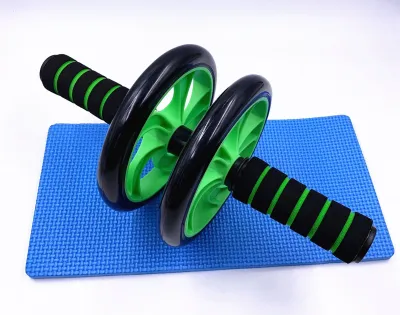
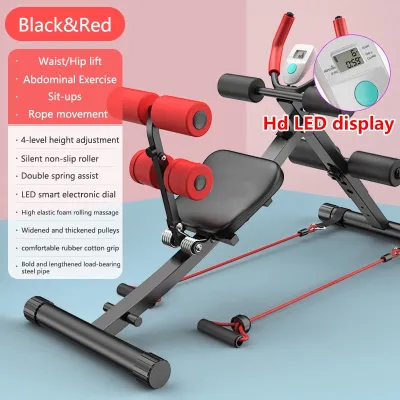
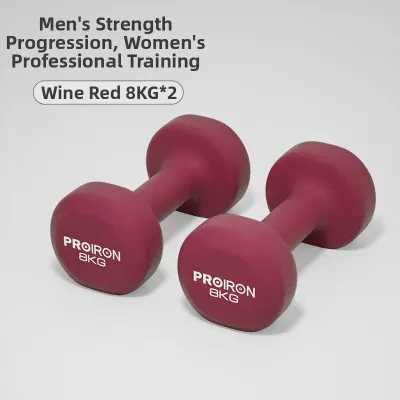


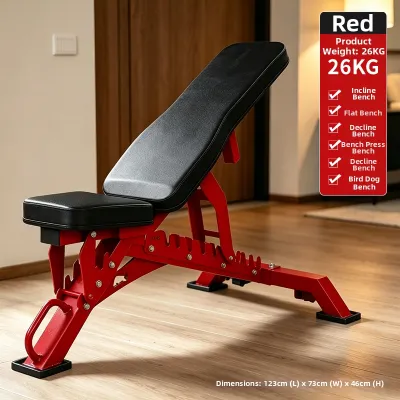
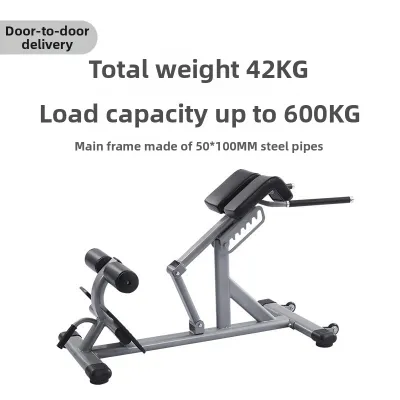
Prices are valid at publication and may change. Please refer to the product page for the latest price.
Space-Efficient Exercise Equipment Categories
Selecting the right fitness gear involves matching your specific training goals with the storage realities of your unit. Rather than trying to replicate a commercial gym, focus on highly adaptable tools that target multiple muscle groups. The ideal setup generally falls into three main categories: foldable or collapsible machines for cardio, compact free weights and resistance tools for strength, and wall-mounted or doorway solutions that utilize vertical space. By understanding the trade-offs of each category, you can build a customized setup that aligns with your space constraints.

Foldable and Collapsible Machines
Cardio machines are traditionally the largest space consumers in any home gym, but modern foldable designs offer a practical alternative. Folding treadmills, under-desk ellipticals, and collapsible rowing machines are engineered to minimize their footprint when not in use. When evaluating these machines, compare their active operational footprint against their stored dimensions. A treadmill that folds completely flat may easily slide under a bed or stand upright in a closet, whereas a semi-folding model might still occupy a substantial corner of your living room.
Portability and structural stability are equally crucial factors. Check the physical weight of the equipment and verify the presence of built-in transport wheels, as you will likely need to move the machine before and after every workout. When a machine is fully deployed, its joints, locking pins, and frame must remain rigid under intense movement. Check the manufacturer’s specified weight capacity and structural materials, as lightweight frames may wobble or vibrate excessively during high-intensity workouts, which compromises safety and increases noise.
Compact Free Weights and Resistance Tools
For strength training, a single pair of adjustable dumbbells can replace an entire rack of traditional weights, saving an immense amount of floor space. These systems allow you to change resistance levels using a dial or pin mechanism, providing the necessary load for progressive overload without cluttering your room. If you have virtually zero storage space, resistance bands, suspension trainers, and sliding discs are highly effective alternatives. High-quality latex or fabric resistance bands can deliver significant tension for both upper and lower body exercises, yet they can be rolled up and stored in a small drawer.
Even small accessories require a dedicated storage plan to maintain an organized living area. Yoga mats, foam rollers, and yoga blocks can quickly clutter a room if left lying around. In humid tropical environments, rolling up a damp yoga mat and storing it in a dark closet can lead to mold and unpleasant odors. Consider hanging solutions, open wire baskets, or vertical storage racks that allow air to circulate around your accessories, keeping them dry and hygienic between sessions.
Wall-Mounted and Doorway Solutions
Utilizing vertical space is an excellent way to keep your condo’s floor area completely clear. Doorway pull-up bars are popular for upper-body training, but they require careful inspection of the structural integrity of your door frame, including the strength of the trim and molding. Some modern condo doors use lightweight materials or decorative trim that cannot support the leverage and weight of a suspension bar, which can lead to frame damage or sudden falls.
For more permanent setups, wall-mounted folding squat racks or pegboards offer robust training options, but they require secure anchoring into solid wall studs or concrete walls. Many condominiums utilize concrete hollow blocks or reinforced concrete for partition walls, which require specific masonry drill bits, heavy-duty anchors, and precise installation to ensure safety. Before drilling any holes or mounting permanent fixtures, you must consult your condominium’s house rules or Property Management Office (PMO) guidelines, as many building associations strictly prohibit drilling into structural columns or making permanent alterations.
Key Dimensions and Clearance Requirements
To exercise safely and comfortably, you must calculate the “active footprint” of your workout space. The active footprint is the total area required when you are in motion, which is always significantly larger than the physical dimensions of the equipment itself. For example, while a yoga mat measures roughly 1.8 meters by 0.6 meters, you need additional clearance on all sides to extend your arms and legs during exercises like lunges, push-ups, or lateral raises. A good rule of thumb is to add at least one meter of clear space around the entire perimeter of your workout zone.
Safety margins and proper ventilation are particularly critical around moving machinery. A treadmill requires a clear safety zone behind the belt—ideally at least two meters—to prevent serious injury in the event of a fall, while rowing machines require adequate rear clearance for the seat slide. Additionally, motorized equipment generates heat during operation. In a small, enclosed room, this heat can quickly build up, so ensure your workout area has adequate airflow from an open window, a ceiling fan, or a dedicated air conditioning unit to keep both you and your equipment running at a safe temperature.
Common Space-Planning Mistakes to Avoid
One of the most common mistakes condo owners make is purchasing fitness equipment based solely on its folded or stored dimensions. It is easy to be enticed by a treadmill that folds down to a depth of fifteen centimeters, only to realize that deploying it requires moving your entire dining set or blocking the main pathway to the kitchen. Always measure your room with the equipment fully extended and operational to ensure it fits naturally into your daily living patterns without causing constant disruption.
Protecting your condo’s flooring and managing noise transfer are other essential considerations that are often overlooked. Heavy weights, high-impact jumping, and the constant vibration of cardio machines can easily scratch laminate flooring, dent vinyl planks, or crack ceramic tiles. To prevent this damage and reduce noise transmission to neighboring units, invest in high-density interlocking foam tiles or specialized rubber equipment mats. Placing your equipment on thick, sound-dampening mats and avoiding high-impact workouts during early morning or late-night hours helps maintain good neighborly relations in multi-story buildings.
Frequently Asked Questions (FAQ)
Can I use a treadmill in a condo without disturbing neighbors below?
Motorized treadmills generate both airborne noise from the motor and impact noise from your feet striking the deck. This impact creates structural vibrations that travel directly through the concrete floor slab into the ceiling of the unit below. To minimize this disturbance, select a treadmill with a high-quality shock-absorption system and place it on a thick, high-density anti-vibration rubber mat. Positioning the machine near a load-bearing wall or structural column, rather than in the center of a room, can also help reduce floor flexing and vibration transfer.
Are adjustable dumbbells worth the investment for a small home gym?
Adjustable dumbbells are highly efficient for small spaces because a single pair replaces multiple pairs of traditional fixed dumbbells, saving significant floor and storage space. However, they require careful handling to maintain their functionality. Because they rely on intricate internal dial, plate-locking, or pin mechanisms, dropping them on the floor can easily misalign or break these components, rendering the weights unusable. If you choose adjustable dumbbells, always use a protective floor mat and avoid dropping them at the end of a challenging set.
Community discussion
Share your experience or ask a question. Comments are reviewed before publication.