
Fitting foot exercise equipment into a small condo gym requires balancing the active footprint, storage options, and noise levels. The right choice depends on whether you need seated rehabilitation, cardio stepping, or resistance training within a limited floor plan, ensuring the equipment integrates smoothly into your daily routine without overwhelming your living space. In high-density urban areas where outdoor exercise might be limited by tropical downpours or intense afternoon heat, having a reliable indoor setup is essential for maintaining lower-body mobility and strength.
How to Measure Your Condo Space for Foot Equipment
Before purchasing any fitness gear, you must accurately assess your available floor space, clearance, and storage dimensions. Start by distinguishing between the “in-use” active footprint and the “stored” footprint. The active footprint includes not just the physical dimensions of the machine, but also the space your body occupies while moving, including the extension of your legs.
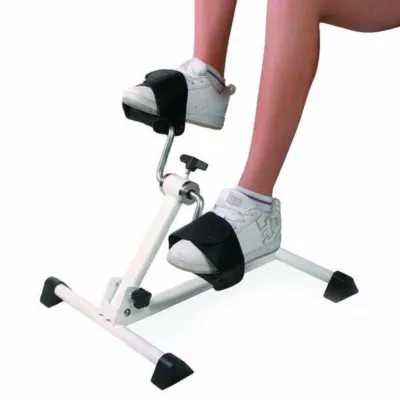
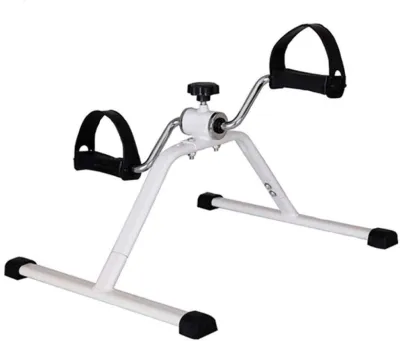
To measure for seated equipment like pedal exercisers, sit in your preferred chair and measure the distance from your lower back to where your feet extend during a full pedal stroke. If you plan to use the equipment under a desk, measure the vertical clearance from the floor to the underside of the desk. Your knees will need several centimeters of clearance above the highest point of the pedal rotation to prevent painful collisions.
Products mentioned in this guide
Prices are valid at publication and may change. Please refer to the product page for the latest price.
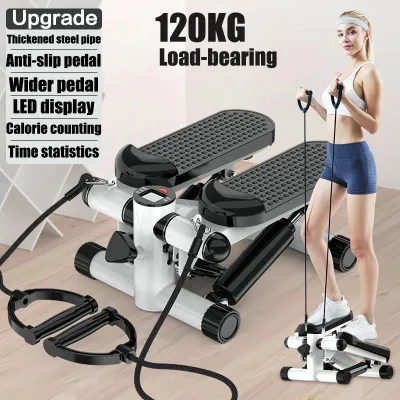
For standing equipment like mini-steppers, vertical clearance is even more critical. Measure your height while standing on the machine’s highest step and compare it to your ceiling height. This is especially important in modern high-rise developments where dropped ceilings for air conditioning ducts can reduce vertical space.
Finally, map out the path from your storage area to your workout space. Ensure that folded machines can easily clear narrow hallways and standard door frames. If you must lift the equipment to store it on a high shelf, verify that you can safely manage the weight without risking injury.
Space-Saving Foot Exercise Equipment Categories
Selecting the right foot exercise equipment involves matching your fitness goals with your available space. Different designs cater to passive movement, cardiovascular conditioning, or strength training, each requiring a distinct amount of physical space and storage planning.

Under-Desk and Seated Pedal Exercisers
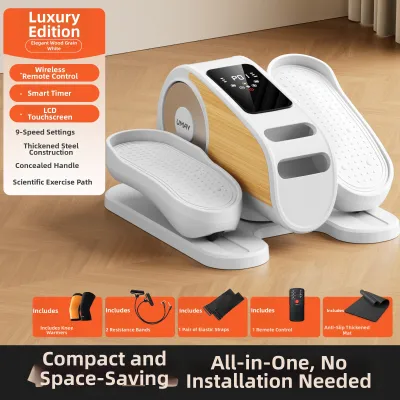
Seated pedal exercisers, foot rockers, and balance boards are excellent low-profile options for passive or low-impact lower-leg engagement. These devices allow you to keep your feet and ankles moving while working at a desk or relaxing on the sofa. Because they are used while seated, they carry a very low risk of falls, making them highly suitable for rehabilitation or gentle daily movement.
When evaluating pedal exercisers, pay close attention to the resistance mechanism. Magnetic resistance systems tend to be smoother and quieter than friction-based felt pads, which is a key consideration if you share your living space. Additionally, verify that the pedal straps are adjustable to secure your feet comfortably without slipping.
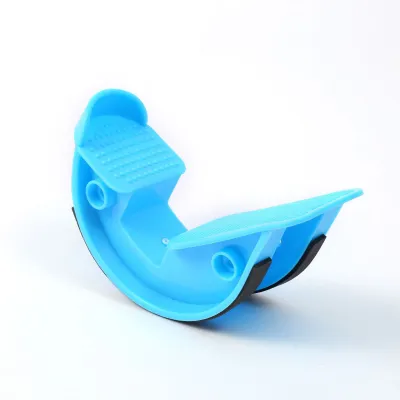
Foot rockers and balance boards target ankle mobility, calf flexibility, and core stability. These tools have no mechanical parts, making them virtually silent and incredibly easy to store. You can easily slide a balance board under a sofa or stand it upright against a wall, making it an ideal choice for studio apartments with minimal storage.
Foldable Steppers and Vertical Machines
If your goal is cardiovascular conditioning or lower-body strength, mini-steppers and compact vertical machines offer a more intense workout. These machines simulate the motion of climbing stairs, engaging the calves, thighs, and glutes. Because they require you to stand, they demand greater balance and structural stability than seated devices.
Look for foldable steppers that feature robust hinge mechanisms and secure locking pins. When folded, these machines should have a slim profile that allows them to stand upright in a utility closet or slide flat under a bed frame. Always verify the folded dimensions provided by the manufacturer against your actual storage spaces before buying.
Structural stability is paramount for any vertical stepping equipment. Because your center of gravity shifts during use, the machine must have a wide base with non-slip rubber stabilizers to prevent tipping on smooth tiled or laminated floors. Check the manufacturer’s specifications for the maximum user weight to ensure the frame can safely support your body weight during active movement.
Portable Resistance and Sliding Tools
For the ultimate space-saving setup, portable resistance bands and sliding discs offer high versatility with almost zero storage footprint. Resistance bands with dedicated foot loops allow you to perform ankle flexion, calf raises, and leg extensions from any sturdy chair. These tools are highly portable, allowing you to pack them easily into a drawer or travel bag.
Before using resistance bands, always inspect the material for micro-tears, discoloration, or cracks, especially in humid tropical climates where rubber can degrade over time. If your exercises require anchoring the bands to a door, ensure you use a solid door frame and that the door closes away from the direction of your pull to prevent accidental opening.
Sliding discs and compact glide boards utilize your body weight to engage the feet, calves, and core through smooth, low-impact gliding motions. These tools require a compatible floor surface; plastic-sided discs work best on carpets, while fabric-sided discs are designed for hard tiles or wooden floors. They can be tucked away in a small drawer, making them perfect for ultra-compact living spaces.
Condo-Specific Features to Verify Before Buying
Living in a shared residential building requires careful consideration of your neighbors. Vibration and mechanical noise from exercise equipment can easily travel through concrete floors and disrupt those living below you. Prioritize equipment that features quiet magnetic resistance, rubber-coated contact points, and smooth belt drives rather than noisy chains or friction pads.
Portability features are equally important for keeping your condo organized. Look for equipment with built-in transport wheels, which allow you to roll heavy items out of the way without straining your back. Lightweight materials, such as high-grade aluminum or reinforced plastics, can make moving the equipment much easier while maintaining structural integrity.
Multi-functional designs are highly valuable in small spaces. For example, some balance boards can be used as active standing mats at a standing desk, while certain pedal exercisers can be placed on a table for upper-body workouts. Choosing versatile tools reduces the total number of items cluttering your home.
Common Space-Planning Mistakes to Avoid
One of the most common errors is measuring only the machine’s physical dimensions while ignoring the clearance needed for safe mounting and dismounting. You need at least half a meter of open space around the equipment to step off safely if you lose your balance. Failing to account for this dynamic clearance can lead to painful bumps against nearby walls or coffee tables.
Another frequent mistake is placing heavy metal equipment directly on delicate condo flooring. Hardwood, laminate, and even ceramic tiles can scratch, dent, or crack under the concentrated weight of a stepper or pedal exerciser. Always place a high-density rubber mat beneath your equipment to protect your floors and provide an extra layer of sound insulation.
Finally, avoid purchasing single-use machines that only target a very specific muscle group if you have limited space. A machine that only performs one motion may quickly lose its appeal, turning into an expensive clothes rack. Opt instead for versatile tools that support multiple exercises, ensuring you get the most value out of every square meter of your condo.
Frequently Asked Questions (FAQ)
Can I use foot exercise equipment on a carpeted floor?
Yes, but you must verify the stability of the equipment on a soft surface. Some pedal exercisers or steppers can wobble or tip if the carpet pile is too thick. Using a firm, non-slip utility mat over the carpet helps distribute the weight evenly and prevents the machine’s rubber feet from wearing down or staining the carpet fibers.
How do I minimize noise for downstairs neighbors?
To keep your workouts quiet, place a thick, shock-absorbing rubber mat under your equipment to catch vibrations before they penetrate the floor. Regularly lubricate any moving joints, hinges, or chains according to the manufacturer’s instructions to prevent squeaking. Choosing magnetic resistance over friction-based resistance also significantly reduces operational noise.
Community discussion
Share your experience or ask a question. Comments are reviewed before publication.