
Finding the right steppers for exercise in a compact Philippine condominium requires balancing a minimal physical footprint with structural stability. The best options for tight living spaces are mini steppers and low-profile under-desk steppers, which offer a compact workout area without requiring permanent floor space. These machines allow you to maintain an active lifestyle in high-density urban developments where every square meter counts. By focusing on vertical movement rather than horizontal length, a compact stepper provides an efficient cardiovascular workout that can be easily tucked away under a bed or inside a closet when not in use.
Assessing Your Condo Space for a Home Gym Stepper
Before purchasing any fitness equipment, you must measure both the active workout footprint and the static storage footprint. The active footprint includes the space your body occupies while in motion, including any arm swing or lateral movement. The static footprint is simply the dimensions of the machine when it is stored away. For a stepper, this means measuring the base width and length, then adding clearance on all sides to avoid bumping into walls.
Ceiling height is a critical but often overlooked factor in condo units. Because steppers elevate your body, you must calculate your height plus the maximum pedal height of the machine. Ensure there is at least a 30-centimeter clearance between your head and the ceiling at the peak of your stride to avoid injury. This vertical clearance is vital to prevent accidental head impacts.
Products mentioned in this guide
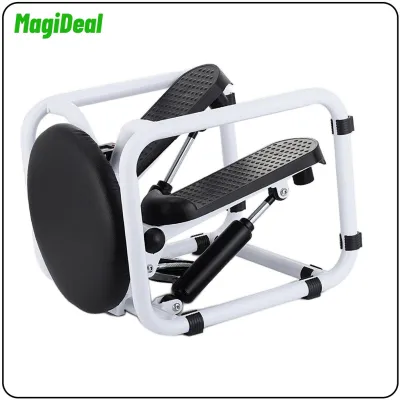
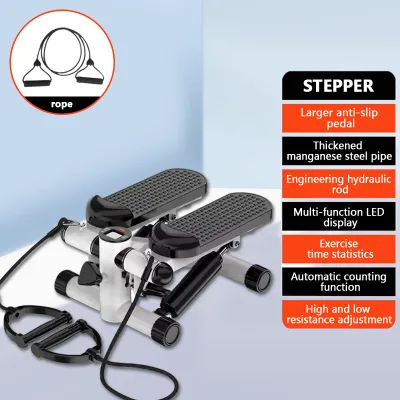
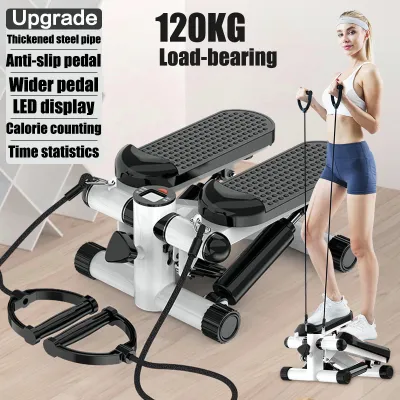
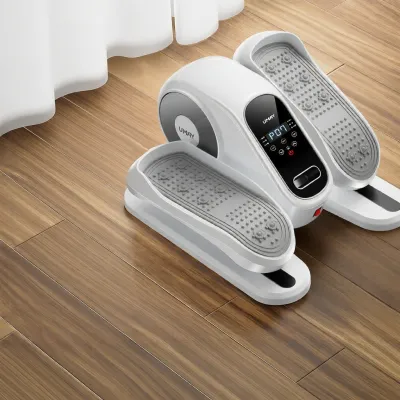
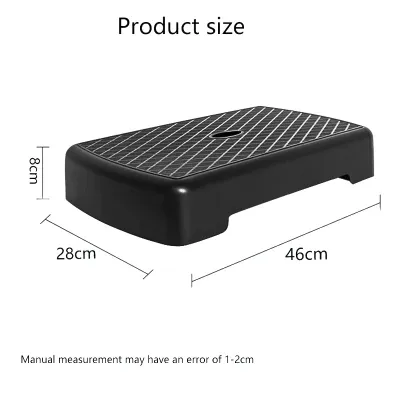
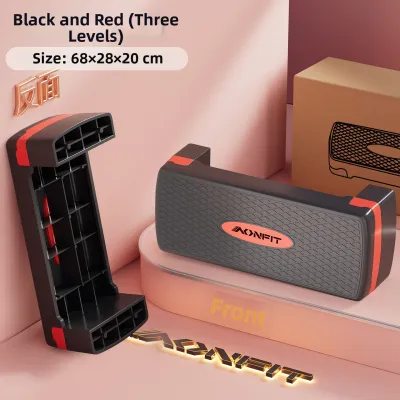
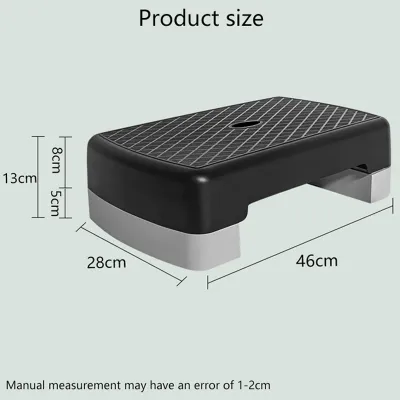
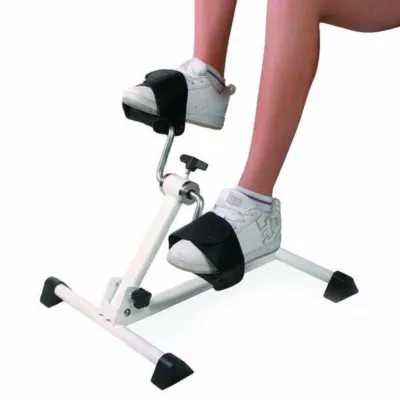
Prices are valid at publication and may change. Please refer to the product page for the latest price.
Door clearances and ventilation pathways also dictate where you can safely exercise. High-rise condo units in tropical climates can become warm quickly, so position your stepper near air conditioning vents or fan pathways to maintain comfortable airflow. Additionally, ensure the machine does not block emergency exit paths or balcony doors, keeping your living space safe and compliant with building safety codes.
Consider floor load limits and noise transmission to neighboring units. While steppers are generally lightweight, the repetitive downward force can create structural vibrations. Checking your building’s association rules regarding home gym equipment can prevent noise complaints from neighbors living directly below you. Investing in sound-dampening materials early in your planning process will help maintain a peaceful living environment for everyone in your building.
Types of Compact Steppers for Exercise in Limited Spaces
Mini steppers represent the most space-efficient category of steppers for exercise. These devices typically feature a simple base with two pedals and rely on hydraulic cylinders for resistance. While they occupy a footprint no larger than a standard shoebox, their smaller base means they offer less lateral stability, requiring users to maintain core engagement to stay balanced. They are ideal for quick, moderate-intensity workouts during short breaks.

Folding or collapsible steppers feature extended frames or handlebars that fold down for flat storage. These models utilize hinge mechanisms and locking pins to transition from an active workout station to a flat profile. When selecting a folding model, inspect the locking joints for durability and ensure you have a dry, secure storage space, such as a closet, to prevent dust accumulation in the hinges. While they offer superior stability due to the handlebars, they do require more effort to set up and put away.
Under-desk or low-profile models are designed specifically for seated or low-clearance standing use. These units have a very low step height to prevent your knees from knocking against the underside of a desk. However, this low-profile design often limits the range of motion and the maximum resistance level, making them better suited for active recovery or light movement rather than high-intensity cardiovascular training. They are excellent for keeping your legs moving during long desk sessions.
Balancing Space Efficiency with Workout Effectiveness
Selecting a compact stepper should not mean sacrificing the quality of your workout. Adjustable resistance mechanisms, such as hydraulic cylinders or magnetic tension systems, must fit within the machine’s compact frame without adding excessive bulk. Hydraulic systems are common in mini steppers because they provide smooth resistance without requiring a heavy flywheel, though they can warm up during extended use. Adjustable resistance allows you to progress without upgrading to larger equipment.
Ergonomics remain vital when evaluating stride length and pedal width on smaller units. A pedal that is too narrow or a stride that is too shallow can place unnatural strain on your ankles and knees. Look for textured, wide pedals that accommodate your full athletic shoe and allow for a natural, hip-width stance to prevent joint fatigue. A proper stride depth targets the glutes and hamstrings effectively rather than straining your knees.
Frame stability and weight capacity must be verified against your body weight and workout intensity. Lightweight frames are easier to move, but they may wobble or slide during vigorous exercise. Checking the manufacturer’s specified weight limit and opting for a unit with rubberized, non-slip base caps will ensure the machine remains securely anchored to the floor during use. A stable base prevents tipping, allowing you to focus entirely on your form and exertion level.
Common Space Planning and Selection Mistakes to Avoid
One of the most frequent errors is ignoring the swing radius of moving parts during active use. If your stepper includes integrated resistance bands or moving handlebars, these components require extra clearance beyond the physical frame of the machine. Operating a stepper too close to walls, glass sliding doors, or delicate condo furniture can lead to accidental damage or physical injury. Test the range of motion slowly before starting a high-intensity session.
Another common mistake is underestimating the physical effort required to move and set up the equipment daily. While a stepper might be advertised as portable, a unit weighing over 15 kilograms can become a chore to drag out of a closet every day. If the setup process is too cumbersome, the equipment is more likely to sit unused, defeating the purpose of your home gym investment. Look for models with built-in transport wheels to make daily transitions effortless.
Finally, always measure your building’s delivery pathways before finalizing a purchase. High-rise condo living involves navigating service elevators, narrow corridors, and tight hallway turns. Ensuring the boxed product can easily fit through your front door and elevator doors prevents logistical headaches on delivery day. Check if your condo administration requires a delivery permit beforehand.
Frequently Asked Questions (FAQ)
Can I use a stepper on a condo balcony or near an open window?
Operating exercise equipment on a condo balcony or near an open window in the Philippines exposes the machine to high humidity, salt air, and direct sunlight. These environmental factors can accelerate the rusting of steel frames and degrade the rubber seals on hydraulic cylinders. Always check the manufacturer’s guidelines, as outdoor or semi-outdoor use typically voids the warranty due to moisture exposure. If exercising near a window, bring the equipment indoors immediately afterward.
How do I protect condo flooring from stepper damage and noise?
To protect delicate condo flooring like engineered wood, vinyl, or laminate, place a high-density PVC or rubber equipment mat beneath your stepper. This barrier absorbs the impact vibrations that travel through the floor, significantly reducing noise transmission to the unit below. The mat also prevents the stepper’s rubber feet from leaving dark scuff marks or causing localized denting on softer floor materials. While a high-quality mat may cost a few hundred ₱, it is a worthwhile investment to prevent costly floor repairs and maintain good relations with your neighbors.
Are mini steppers effective for cardiovascular workouts?
Yes, mini steppers can provide an effective cardiovascular workout if you maintain a consistent pace and utilize the full depth of the stride. While the range of motion is shorter than a traditional stair climber, adjusting the hydraulic resistance can elevate your heart rate into the aerobic zone. To maximize your workout, you can incorporate upper-body movements, such as bicep curls with light hand weights or resistance bands, to engage more muscle groups simultaneously. Consistency is key to achieving cardiovascular benefits from these compact devices.
Community discussion
Share your experience or ask a question. Comments are reviewed before publication.