
Finding the best value in a Keyde electric bike requires looking beyond a single price tag. Because riding conditions in the Philippines vary from congested urban streets to steep provincial roads, the ideal model depends on your daily route, storage limits, and budget. A model that excels for a flat, short commute in Bonifacio Global City might fall short on the steep inclines of Antipolo or during a sudden afternoon downpour in Quezon City.
To determine which model offers the most practical return on your investment, you must evaluate how its technical specifications align with your physical environment. This guide provides a structured comparison framework based on verifiable specifications, local support availability, and realistic operational costs. By focusing on objective metrics rather than marketing claims, you can identify the exact configuration that matches your cycling needs and financial boundaries.
Identifying Your Riding Needs Before Comparing Models
Before diving into spec sheets, you must define the primary environment where your electric bike will operate. Electric bikes generally fall into distinct categories, each engineered to solve specific transportation challenges. Understanding these categories prevents you from paying for heavy-duty off-road features you may never use, or conversely, buying a lightweight commuter that struggles on rugged terrain.
Products mentioned in this guide
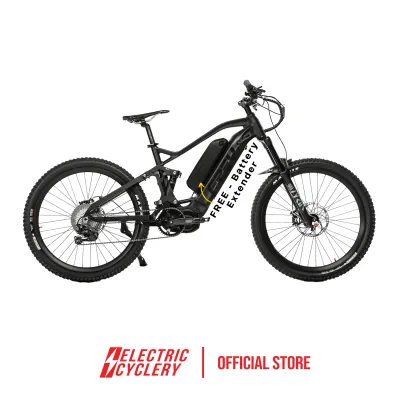
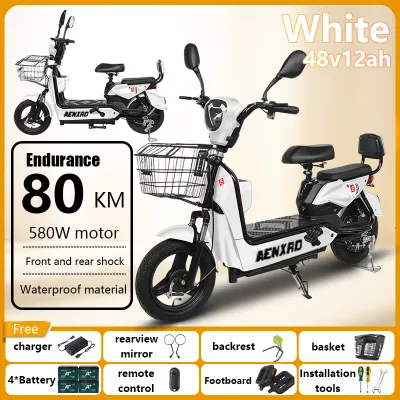
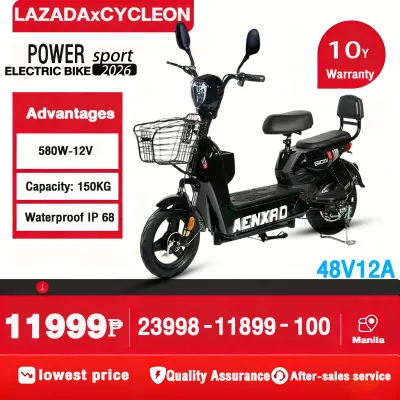
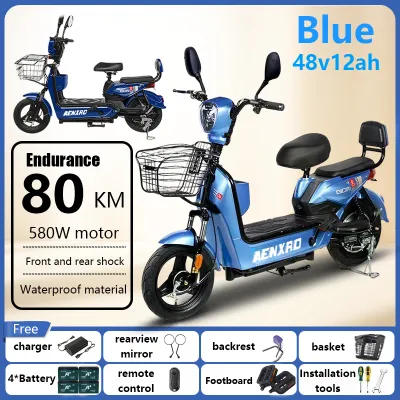
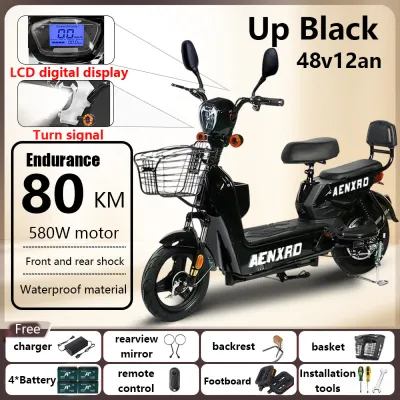
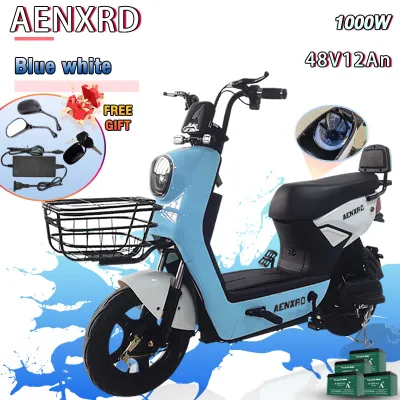
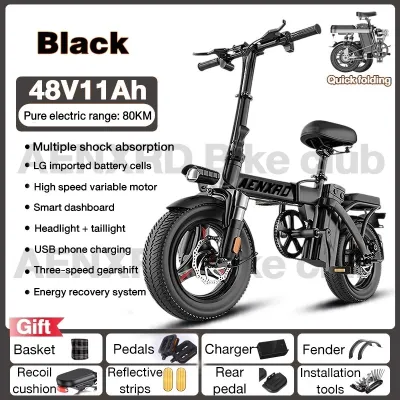
Prices are valid at publication and may change. Please refer to the product page for the latest price.
Urban commuters are designed for paved roads, offering efficient rolling resistance and integrated utility features like fenders and rack mounts. These models are ideal for consistent, daily trips where speed maintenance and moderate assistance are the primary goals. They typically feature rigid or low-travel suspension systems optimized for asphalt rather than dirt trails.
Folding electric bikes prioritize portability and space-saving design, making them highly suitable for multi-modal transit. If your daily route involves carrying your bike onto a train, stowing it in the trunk of a car, or parking it inside a compact condominium unit, a folding model is often the most practical choice. However, the smaller wheel sizes common on folding bikes can make for a bumpier ride on poorly maintained roads.
Electric mountain bikes (e-MTBs) and rugged hybrids are built to withstand high impacts, loose gravel, and steep, uneven climbs. They feature wider, knobby tires for enhanced grip, robust suspension forks to absorb shocks, and reinforced frames. While highly versatile, these models are generally heavier and more expensive, which might be unnecessary if your riding is strictly confined to smooth city streets.
To narrow down your choices, map out your typical daily travel distance and note the physical obstacles along the way. Consider whether you must navigate deep potholes, high curbs, or steep flyovers during your commute. Additionally, evaluate your physical handling preferences, as lifting a heavy e-bike up several flights of stairs or onto a public transport vehicle requires significant physical effort.
Key Specifications to Compare on the Spec Sheet
When comparing different Keyde electric bike models, the technical specification sheet is your most reliable tool for objective comparison. The motor is the heart of the e-bike, and its placement and power rating dictate how the bike handles different terrains. Hub motors, which are integrated directly into the wheel hub, are common for urban commuting due to their simplicity and lower maintenance requirements. Mid-drive motors, positioned at the bike’s crank, offer better weight distribution and leverage the bike’s existing gears, making them highly efficient for climbing steep hills. You should verify the torque rating on the manufacturer’s spec sheet; higher torque translates directly to better acceleration and easier hill climbing.

Battery capacity, measured in Watt-hours (Wh), determines how much energy the battery can store and is a primary driver of the bike’s overall range. To estimate a realistic range for your daily commute, do not rely solely on maximum advertised figures, which are often calculated under ideal test conditions. In tropical climates, high ambient temperatures, stop-and-go traffic, and carrying heavy cargo will naturally reduce battery efficiency. A higher Wh rating provides a larger safety margin, ensuring you do not run out of power before reaching your destination.
Frame material directly influences both the durability and the total weight of the electric bike. Aluminum alloy frames offer an excellent balance of strength, corrosion resistance, and affordability, making them highly practical for humid environments. Carbon fiber frames are significantly lighter and absorb road vibrations exceptionally well, but they come at a premium price and require careful handling to avoid structural damage from impacts. Always check the manufacturer’s specified maximum weight limit to ensure the frame can safely support your body weight plus any cargo you plan to carry.
Braking systems are critical for rider safety, especially when navigating fast-moving traffic or wet roads. Disc brakes, whether mechanical or hydraulic, provide superior stopping power and heat dissipation compared to traditional rim brakes. Hydraulic disc brakes offer the most consistent performance and require less physical hand pressure, which is a vital safety consideration during long descents or sudden emergency stops.
Finally, examine the auxiliary components that contribute to daily usability and comfort. Suspension travel determines how well the bike absorbs impacts from uneven pavement or gravel. A multi-speed gearing system allows you to maintain an efficient pedaling cadence regardless of the terrain, while integrated lighting systems powered directly by the main battery ensure you remain visible during early morning or late-night rides.
Evaluating True Value: Price, Warranty, and Local Support
Calculating the true value of an electric bike requires looking beyond the initial purchase price in ₱. While a lower upfront cost is always appealing, a cheap e-bike can quickly become expensive if it lacks reliable warranty coverage or local repair options. When comparing prices, look for authorized physical dealers and reputable online retailers that offer transparent pricing and clear bundle inclusions, such as mudguards, lights, or spare chargers.
The warranty is your primary protection against premature component failure, which can be costly to resolve out of pocket. Carefully review the specific warranty terms for the three most expensive components: the battery, the motor, and the frame. A manufacturer that stands behind its product will typically offer a multi-year warranty on these core parts. Be sure to check what actions might void the warranty, such as using non-authorized chargers or performing self-repairs on the electrical system.
Local support is perhaps the most critical factor in long-term satisfaction and value. Before purchasing a Keyde model, research the availability of authorized service centers and certified mechanics in your specific region. Because electric bikes combine mechanical bicycle parts with complex electrical systems, standard bike shops may not have the diagnostic tools or expertise required to fix a motor or battery issue. Having a local dealer who stocks genuine spare parts, such as replacement displays, wiring harnesses, and brake pads, ensures your bike will not be sidelined for weeks waiting for an international shipment.
Additionally, you must factor in long-term operational costs to understand the total cost of ownership. All lithium-ion batteries degrade over time and will eventually need replacement, which represents a significant future expense. Inquire about the cost and availability of replacement batteries for your chosen model. Regular maintenance, including brake pad replacements, chain lubrication, and tire wear checks, should also be budgeted for to keep your e-bike running safely and efficiently.
Decision Framework: Which Keyde Model Fits Your Needs?
To finalize your decision, apply a structured framework that balances your riding requirements against practical constraints. If your primary goal is navigating dense urban traffic, commuting to work, and storing your bike in a limited space, a folding or dedicated commuter model is highly likely to offer the best value. These models prioritize lightweight frames, efficient tires, and compact dimensions, making them easy to manage in busy city environments.
If your routes involve rough roads, steep hills, or recreational weekend trail rides, a robust hybrid or off-road model is the more appropriate investment. The added cost of a suspension fork, wider tires, and a higher-torque motor is fully justified by the increased safety, stability, and comfort these features provide on challenging terrain. Attempting to use a delicate commuter bike on rugged paths will lead to accelerated wear and potential component failure.
Before making any purchase, physically verify that the bike’s dimensions and weight are compatible with your living and transportation setup. If you live in a high-rise condominium, ensure the bike fits comfortably inside the elevator and your designated storage area. If you plan to charge the battery indoors, verify that the battery removal process is straightforward and does not require specialized tools.
Finally, remember that no electric bike offers good value if you cannot get it serviced. If your research reveals a complete lack of authorized service centers, certified mechanics, or spare parts for your preferred Keyde model in your local area, it may be wiser to reconsider your purchase. Access to reliable after-sales support is essential for protecting your investment and ensuring your safety on the road.
Frequently Asked Questions (FAQ)
How long does a Keyde e-bike battery typically last?
Most high-quality lithium-ion batteries used in electric bikes are rated for approximately 500 to 1,000 full charge cycles before their capacity drops to about 80% of its original state. In daily use, this typically translates to three to five years of regular commuting. However, environmental factors play a significant role in battery longevity; prolonged exposure to high tropical temperatures can accelerate capacity loss. To maximize lifespan, store the battery in a cool, dry place out of direct sunlight, avoid leaving it completely discharged for extended periods, and consult your user manual for specific storage guidelines.
Can I ride a Keyde electric bike in heavy rain?
While most electric bikes are designed to resist light rain and splashes, riding in heavy downpours or through deep puddles carries significant risks. You should check your specific model’s Ingress Protection (IP) rating in the manufacturer’s manual to understand its exact water resistance limits. Never submerge the motor, battery, or electronic display in water, as this can cause permanent electrical damage and void your warranty. After riding in wet conditions, always dry the bike thoroughly with a soft cloth, pay close attention to the electrical contact points, and inspect the braking system to ensure safe operation.
Community discussion
Share your experience or ask a question. Comments are reviewed before publication.