
Selecting an original majorette baton for school competitions requires matching the equipment to your physical measurements, skill level, and the specific rules of your athletic association. A proper competition-grade baton is not a one-size-fits-all tool; its length, weight, and balance must align with your body proportions to ensure clean tosses, rapid spins, and safe handling during high-energy routines.
Core Dimensions: Sizing for Length and Weight
To find the correct baton length, stand straight and extend your dominant arm fully forward, parallel to the floor. Measure the distance from the base of your neck or your armpit to the tip of your longest finger. This measurement represents the ideal total length of the baton, including the rubber ends, ensuring you can execute spins without the baton hitting your body or the floor.
Weight considerations are equally vital for different age groups and skill levels in school events. Younger twirlers in elementary divisions generally require lighter shafts to build wrist strength and master basic grips safely. High school and college competitors typically transition to standard-weight batons, which provide the necessary momentum for advanced aerial maneuvers.
Products mentioned in this guide
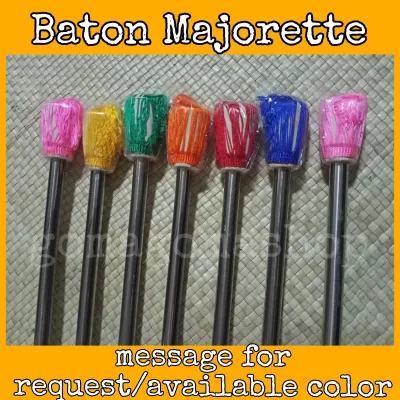
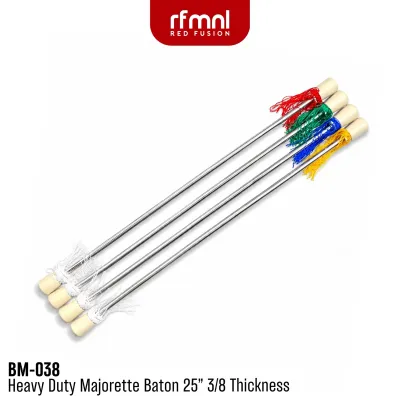
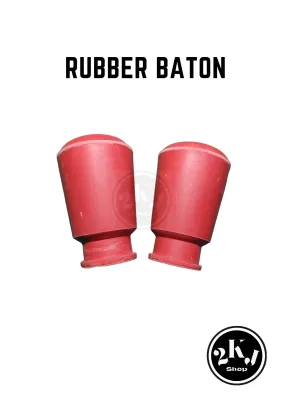
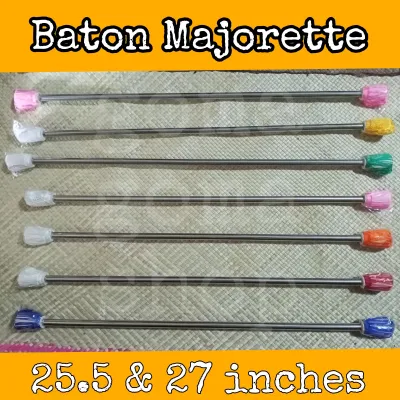
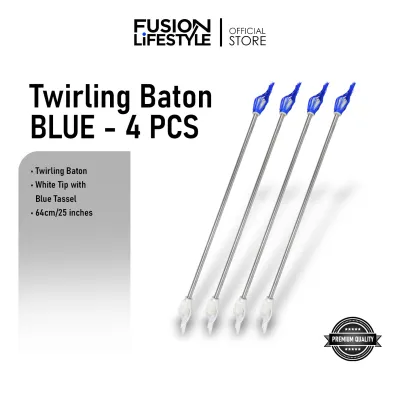
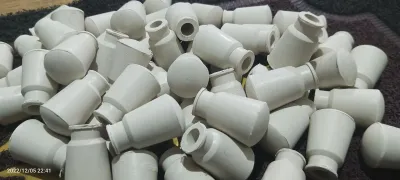
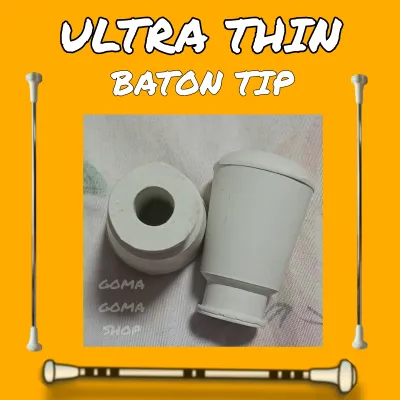
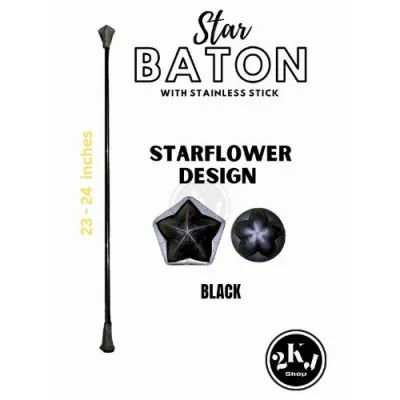
Prices are valid at publication and may change. Please refer to the product page for the latest price.
Using an oversized or excessively heavy baton can severely hinder your tossing and spinning techniques. It increases the risk of drops, slows down your rotation speed, and can lead to wrist fatigue or strain, especially during long practice sessions in humid tropical weather.
Material and Shaft Construction
Most competition-grade batons feature chrome-plated steel or aluminum shafts. Steel shafts offer excellent durability and a classic weight distribution, while aluminum alternatives can provide a lighter feel for speed-oriented routines. You should check the shaft diameter—typically 3/8 inch or 7/16 inch—to ensure it fits comfortably in your hand for a secure grip.

The rubber ends, consisting of a larger ball and a smaller tip, play a critical role in shock absorption and floor protection. High-quality rubber ends cushion the impact when the baton is caught or dropped, preventing damage to wooden gym floors and reducing the risk of hand injuries during complex routines.
Before making a purchase, inspect the manufacturer’s labels and product tags to verify that the materials meet competition standards. Look for seamless shaft construction and securely fitted rubber ends that do not wobble or slide off during high-speed spins.
Balance and Center of Gravity
A balanced baton is crucial for executing predictable aerial tosses and smooth rolls. The center of gravity should be located precisely at the midpoint of the shaft, allowing the baton to rotate evenly when thrown into the air or spun close to the body.
You can perform a simple physical balance check by placing the center of the shaft on your index finger. The baton should remain perfectly horizontal without tipping to either side. If one end drops quickly, the baton is unbalanced, which will disrupt your twirling rhythm and make catches highly unpredictable.
While you should adjust your expectations based on the specific twirling style required by your routine, a perfectly centered balance remains the standard. Routines emphasizing fast finger rolls or high tosses both rely on this central pivot point to maintain control and precision.
Verifying Compliance for School Competitions
School sports associations and band directors often enforce strict guidelines regarding equipment specifications. Always consult your school’s band director or cheerleading coach to review the official event rulebook before purchasing a new baton.
Some regional competitions in the Philippines have specific regulations regarding baton aesthetics, such as prohibiting colored shafts, decorative tape, or non-standard tip shapes. Checking for these rules beforehand ensures your equipment will not be disqualified on the day of the event.
When retail descriptions on an online marketplace conflict with your school’s official handbook, always prioritize the official event guidelines. A baton marketed as “competition-grade” must still align with the exact dimensions and material restrictions mandated by your local tournament organizers.
Frequently Asked Questions (FAQ)
How do I clean and maintain the rubber tips?
To maintain grip and prevent material degradation, wash the rubber ball and tip regularly with mild dish soap and lukewarm water. Gently wipe away sweat, dirt, and outdoor dust, then dry them thoroughly with a soft cloth. Avoid using harsh chemical solvents, bleach, or exposing the rubber to extreme heat and direct sunlight, as these conditions can cause the tips to crack or lose their elasticity.
Can I use a practice baton for official school competitions?
It depends on your specific event rules, but practice batons often differ visually and structurally from competition-grade models. Practice batons may feature lighter, less durable shafts or plastic ends that do not offer the same balance and shock absorption. Always check with your coach or event organizers to confirm if practice-grade equipment is permitted on the competition floor.
Community discussion
Share your experience or ask a question. Comments are reviewed before publication.