
Quick Answer: Matching the Brace to Your Arthritis Symptoms
Finding the right support for knee osteoarthritis or rheumatoid arthritis depends heavily on your specific daily symptoms rather than a one-size-fits-all recommendation. If you primarily experience mild, dull pain, morning stiffness, or minor swelling after a short walk, a flexible compression sleeve is often the most practical choice. It provides gentle warmth and light pressure to keep the joint mobile during daily activities.
Conversely, if your knee feels unstable, occasionally buckles, or gives way when you step off a curb, a hinged knee brace is designed to offer the necessary structural reinforcement. These mechanical braces use rigid side stabilizers to physically limit harmful lateral movement. Because choosing the wrong support can alter your gait or worsen joint strain, it is highly recommended to consult a physical therapist or orthopedic specialist before making a final purchase.
Step 1: Assess Your Knee Pain and Stability Needs
Selecting an effective arthritis knee brace requires a clear-eyed assessment of how your joint behaves under different physical demands. Start by tracking when your pain peaks and what triggers it. Morning stiffness that gradually dissipates with light movement suggests a need for warmth and circulation support, whereas sharp pain during weight-bearing activities—such as climbing stairs or carrying groceries—often points to structural joint wear that requires mechanical offloading.
Products mentioned in this guide
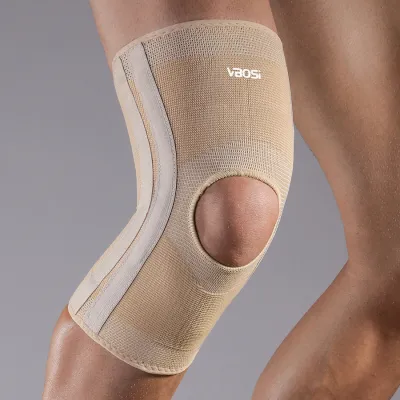
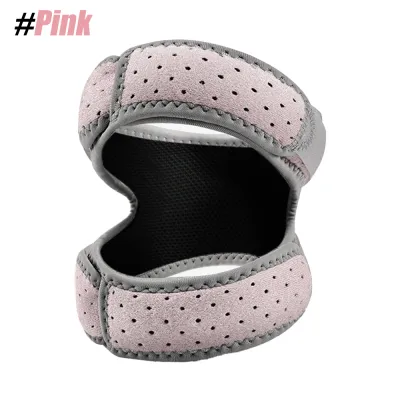
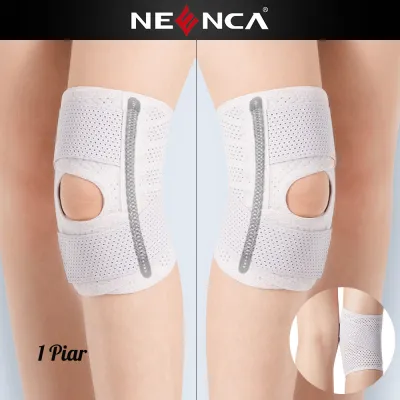
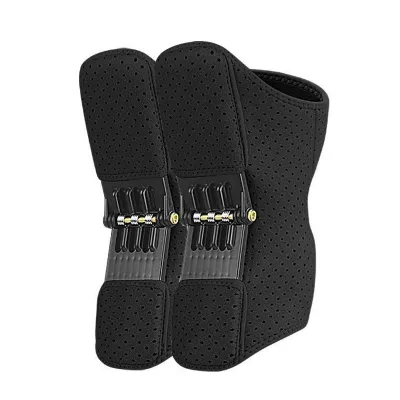
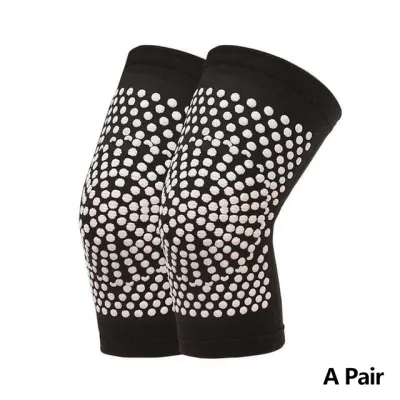
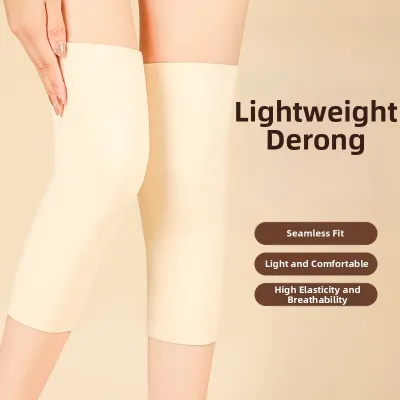
Prices are valid at publication and may change. Please refer to the product page for the latest price.

Next, evaluate your joint stability by observing how secure your knee feels on uneven surfaces. If you experience a sensation of “giving way,” or if your knee wobbles sideways when turning, your ligaments and cartilage may need physical boundaries to prevent painful misalignment. A simple sleeve cannot stop a joint from buckling, so recognizing these stability failures is a critical step in identifying when to step up to a structured brace.
Finally, consider your daily environment and activity levels. In tropical climates where high humidity and heat are constant, wearing a heavy, restrictive brace during outdoor chores can lead to rapid discomfort and skin irritation. If your routine involves long hours of sitting at a desk punctuated by short walks, a lightweight, breathable option will be much easier to tolerate than a bulky mechanical brace designed for high-impact sports.
Compression Sleeves: Warmth, Swelling Control, and Mobility
Compression sleeves are elastic, pull-on garments typically made from neoprene, knit fabric, or spandex blends. Their primary function is to apply uniform, circumferential pressure around the entire knee joint. This mild compression helps manage localized swelling by encouraging fluid drainage, which in turn can alleviate the dull, aching pressure commonly associated with early-stage knee arthritis.
Another significant benefit of a compression sleeve is the enhancement of proprioception, which is your brain’s subconscious awareness of your joint’s position in space. The constant tactile feedback from the fabric against your skin helps your body self-correct its posture and movement patterns. This increased sensory input can make your knee feel more stable and coordinated during low-impact activities like walking or light gardening, even though the sleeve itself contains no rigid structural elements.
However, compression sleeves have clear functional limitations. They do not physically prevent the knee from twisting, hyperextending, or collapsing under weight. If your arthritis has progressed to a stage where there is significant cartilage loss or ligament laxity, a sleeve will not provide enough mechanical support to protect the joint from painful lateral shearing forces. Relying solely on a sleeve in these scenarios may leave your knee vulnerable to sudden, painful shifts during movement.
Hinged Knee Braces: Structural Stability and Joint Protection
Hinged knee braces are engineered to provide robust mechanical support for moderate to severe arthritis, particularly when joint degradation causes physical instability. These braces feature rigid or semi-rigid side hinges made of lightweight metals or composite materials. The hinges align with the natural bending axis of your knee, allowing for smooth forward and backward flexion while physically blocking harmful side-to-side (lateral) shifting and hyperextension.
For individuals dealing with advanced unicompartmental osteoarthritis—where wear is concentrated on one side of the joint—specialized offloader hinged braces can help redistribute weight. By applying a gentle corrective force, these braces shift the load away from the damaged, bone-on-bone area toward the healthier side of the knee. This mechanical offloading can significantly reduce weight-bearing pain, allowing users to stand or walk for longer periods without immediate distress.
The trade-off for this high level of protection is increased bulk, weight, and restricted mobility. Hinged braces are highly visible under clothing and can be difficult to wear with fitted trousers, which often requires wearing them over loose pants or directly on bare skin. Additionally, the rigid structure can restrict deep bending, making activities like squatting or sitting in low chairs more cumbersome, and the heavy materials can trap heat and sweat in warm, humid environments.
Side-by-Side Comparison: Sleeves vs. Hinged Braces
To help you visualize the practical differences between these two options, the table below outlines how they compare across key functional dimensions.
| Feature | Compression Sleeve | Hinged Knee Brace |
|---|---|---|
| Primary Function | Swelling control, warmth, and joint awareness | Structural stabilization and joint offloading |
| Support Level | Mild / Light | Moderate to Maximum |
| Mobility Restriction | Minimal; allows full range of motion | Moderate; limits lateral movement and hyperextension |
| Bulkiness | Low; fits easily under standard clothing | High; bulky frame that may require loose clothing |
| Ideal User Profile | Mild arthritis, morning stiffness, minor swelling | Moderate-to-severe arthritis, joint instability, buckling |
For those who find themselves caught between these two categories, hybrid options exist. Some manufacturers produce compression sleeves with integrated flexible side stabilizers or removable light hinges. These hybrid models offer a middle ground, providing the swelling control and comfort of a sleeve alongside a modest level of lateral support, making them highly versatile for fluctuating arthritis symptoms.
Final Decision Guide: Which Arthritis Knee Brace to Choose
When making your final decision, use a structured framework based on your daily physical reality. Choose a compression sleeve if your primary complaints are mild stiffness, occasional dull aches, or minor swelling, and you still retain full confidence in your knee’s structural stability. The sleeve will keep the joint warm, encourage fluid circulation, and slip easily under your daily attire without restricting your natural stride.
Opt for a hinged knee brace if your knee frequently feels loose, buckles when you walk, or if a medical professional has diagnosed you with moderate-to-severe joint space narrowing. If you require physical assistance to keep your leg aligned or need to offload pressure from a specific side of the joint, the mechanical hinges are necessary to prevent further micro-trauma to the cartilage.
Always verify your choice with a healthcare provider if you have severe bone-on-bone pain, have recently undergone knee surgery, or suffer from peripheral neuropathy or circulatory issues. In these cases, improper brace selection can cause serious complications. Remember that neither option is suitable if wearing the brace causes new or radiating pain, skin discoloration, numbness, or severely restricts the movements required for your basic daily safety.
Proper Fit, Skin Care, and Safety Checks
An improperly fitted brace can cause more harm than good, making accurate measurement essential before purchasing. Use a flexible measuring tape to measure the circumference of your thigh and calf at the exact distances specified by the manufacturer’s sizing chart. A brace that is too loose will slide down and fail to provide support, while one that is too tight can act as a tourniquet, restricting blood flow and worsening swelling in your lower leg.
Given the tropical humidity, diligent skin care is vital when wearing any knee support. Sweat trapped beneath neoprene or thick elastic can quickly lead to heat rashes, chafing, or friction blisters. To minimize these risks, keep your skin clean and dry, consider wearing a thin cotton undersleeve if using a heavy hinged brace, and wash your brace regularly according to the manufacturer’s instructions to prevent bacterial and fungal buildup.
Finally, establish clear safety boundaries and listen to your body’s signals. Remove the brace immediately if you experience numbness, tingling, a “pins and needles” sensation, coldness in your toes, or a sudden increase in joint pain. These symptoms indicate that the brace is compressing nerves or blood vessels, and you should adjust the fit or seek professional guidance before wearing it again.
Community discussion
Share your experience or ask a question. Comments are reviewed before publication.