
To stay cool during a four-hour golf round in the intense heat and humidity of the Philippines, choosing the right cooling towel depends on matching the fabric technology to your playing habits, sweat levels, and carrying preferences. A high-quality cool towel for men acts as a portable heat-relief system, but its performance is heavily influenced by the local tropical climate. Understanding how these fabrics interact with moisture, air, and solar radiation is key to maintaining focus, grip, and comfort from the first tee to the eighteenth green.
While many golfers rely on standard cotton towels to wipe away sweat, these traditional fabrics quickly become heavy, saturated, and warm, trapping heat against the skin. Specialized cooling towels, on the other hand, utilize advanced synthetic weaves or hyper-absorbent materials designed to regulate moisture evaporation. By selecting a towel that balances water retention with steady airflow, you can significantly lower your skin temperature during those long waits on the fairway under the midday sun.
Key Features to Look for in a Golf Cooling Towel
When playing golf in a tropical climate, the primary challenge is not just the ambient temperature, but the high relative humidity. Evaporative cooling relies on water transitioning from a liquid to a gas, a process that absorbs heat energy from your body. In highly humid environments, the surrounding air is already saturated with moisture, which naturally slows down this evaporation process. To counteract this, a golf cooling towel must feature a highly breathable, open-weave construction that maximizes airflow through the damp fabric, allowing evaporation to continue even when the air feels heavy and still.
Products mentioned in this guide
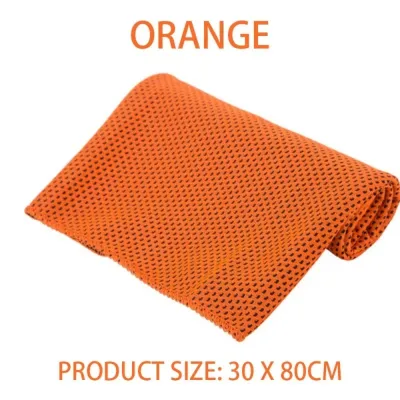
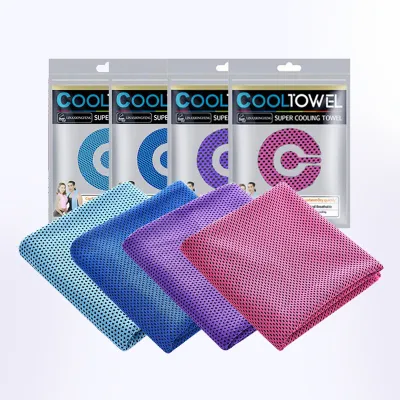
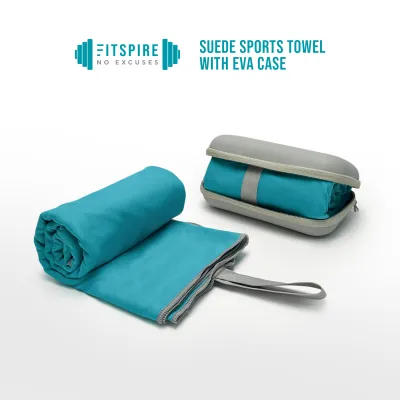
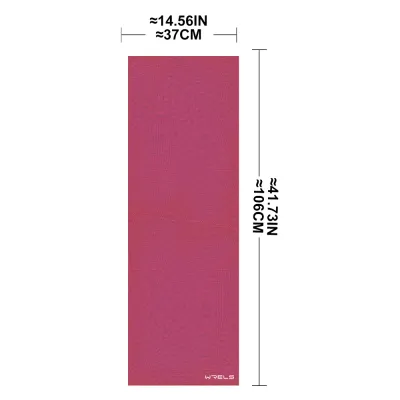
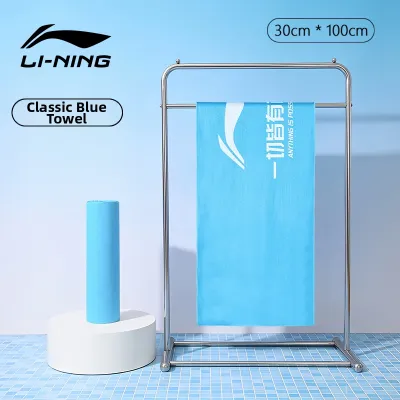
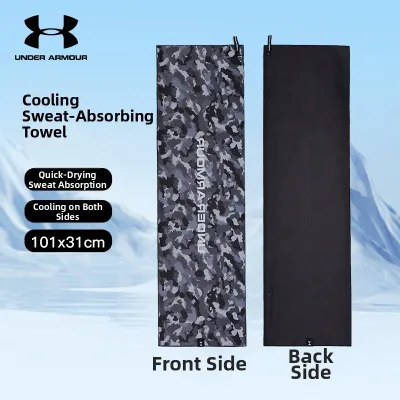
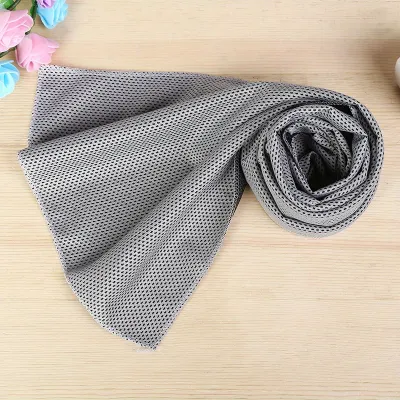
Prices are valid at publication and may change. Please refer to the product page for the latest price.
Sun protection is another critical factor when spending several hours on an open golf course. Many premium cooling towels are treated or woven to provide an Ultraviolet Protection Factor (UPF) rating, typically UPF 50+. This rating means the fabric blocks a significant portion of harmful ultraviolet radiation, protecting your neck, face, or shoulders from sunburn. When draping a damp towel over your neck during a round, having this built-in physical barrier reduces the reliance on chemical sunscreens that can wash away with heavy sweating.
Odor resistance and hygiene are equally important for gear that remains damp for hours. Sweat, skin oils, sunscreen residue, and environmental dust create an ideal breeding ground for bacteria, which can lead to sour odors and skin irritation. Look for towels that incorporate antimicrobial treatments or are made from naturally mildew-resistant synthetic fibers. These features ensure that the towel remains fresh throughout your round and does not develop a persistent musty smell after a few uses.
When browsing online marketplaces or local pro shops, you will encounter a wide range of price points. Entry-level cooling towels generally cost between ₱150 and ₱350. These are typically basic microfiber options that offer decent cooling but may require very frequent re-wetting and lack advanced UV protection or specialized attachment hardware. Premium cooling towels, ranging from ₱500 to over ₱1,200, often feature proprietary weave technologies, verified UPF ratings, integrated snap buttons, and durable storage containers that keep the towel clean and damp between rounds.
Comparing Cooling Towel Materials for Hot and Humid Rounds
Choosing the right material is the most important decision when purchasing a cooling towel. The two dominant materials on the market are Polyvinyl Alcohol (PVA) and microfiber-mesh blends. Each material behaves differently under tropical conditions, and understanding their unique characteristics will help you choose the one that best fits your playing style.

Polyvinyl Alcohol (PVA) is a highly absorbent synthetic material that can hold several times its weight in water. When wet, a PVA towel feels remarkably cool to the touch and retains its moisture for a long time, making it highly effective for sustained cooling over multiple holes. However, PVA has a unique physical property: it becomes completely stiff and hard when dry. To reuse it, you must fully submerge it in water to rehydrate the material. It also requires storage in a dedicated plastic tube or pouch while still slightly damp to prevent it from cracking or becoming unusable.
Microfiber and mesh blends, by contrast, remain soft and pliable whether they are wet or dry. These towels are woven from polyester and nylon fibers designed to channel moisture away from the skin while allowing maximum airflow. They provide an instant cooling sensation when snapped in the air, and they feel just like a traditional fabric towel against your skin. The trade-off is that microfiber evaporates water much faster than PVA, meaning you will need to re-wet the towel more frequently during an 18-hole round, especially on dry, windy days.
For golfers who prioritize skin comfort and versatility, microfiber-mesh blends are often the preferred choice. They can be used dry to wipe sweat from your hands and face, or wet to cool down your neck. If your primary goal is maximum temperature reduction and you do not mind a slightly heavier, rubbery texture against your skin, a PVA towel is an excellent option. Always check the manufacturer’s label on the packaging to verify the exact fabric composition and any specific care instructions before making your purchase.
Sizing, Portability, and Golf-Specific Design Elements
A cooling towel is only useful if it is easy to carry and does not interfere with your golf swing. Standard bath or gym towels are often too bulky to drape comfortably around your neck or tuck into your collar. For golf, the optimal towel dimensions are typically around 30 to 40 inches in length and 10 to 12 inches in width. This elongated shape allows you to drape the towel securely over your shoulders or wrap it around your neck without the excess fabric dangling down and interfering with your grip or swing mechanics.
How you secure the towel to your gear is another practical consideration. Look for towels that feature built-in attachment elements such as metal grommets, carabiner clips, or snap buttons. These accessories allow you to hang the towel directly from your golf bag’s accessory ring, secure it to the frame of a golf cart, or loop it around your pushcart handle. This keeps the towel off the ground, away from dirt, and always within arm’s reach between shots.
Proper storage is essential for maintaining the towel’s cleanliness and preventing mold growth. Many cooling towels come packaged in ventilated plastic tubes, waterproof pouches, or mesh carrying bags. These storage solutions are highly useful for keeping a damp towel separated from the dry gear inside your golf bag after your round. A ventilated container allows a small amount of airflow, preventing the damp fabric from souring during your drive home from the course.
How to Use and Maintain Your Cooling Towel for Maximum Lifespan
To get the most out of your cooling towel, you must activate it correctly. The standard method involves three simple steps: soak, wring, and snap. First, thoroughly soak the towel in water—cold water is ideal, but even lukewarm water from a course water station will work. Next, wring out the excess water so the towel is damp but not dripping. Finally, grab the towel by both ends and snap it vigorously three to four times. This snapping action circulates air rapidly through the wet fibers, initiating the evaporative cooling process and lowering the towel’s temperature instantly.
Regular maintenance is crucial to keep the fabric performing at its best. Sweat, body oils, and sunscreen can clog the microscopic pores of the fabric, reducing its ability to absorb water and facilitate evaporation. Wash your cooling towel after every round using a mild detergent. Avoid using fabric softeners or bleach, as these chemicals coat the synthetic fibers and permanently ruin the capillary action that makes the towel effective.
Proper drying and storage protocols will prevent mold, mildew, and material degradation. For microfiber towels, air drying them completely in a well-ventilated area is the best practice before storing them in your golf bag. For PVA towels, refer to the manufacturer’s instructions; some recommend storing them slightly damp in their original airtight tube to prevent stiffness, while others suggest letting them dry flat and rehydrating them fully before the next use.
Over time, all synthetic fabrics will begin to degrade. If your cooling towel no longer retains water effectively, feels permanently stiff even when wet, or retains a persistent sour odor despite thorough washing, it has reached the end of its lifespan. Replacing your towel regularly ensures you maintain optimal heat management and hygiene on the course.
Frequently Asked Questions (FAQ)
Can I use a regular gym towel instead of a specialized cooling towel?
Regular gym towels, which are typically made of cotton, are designed to absorb and hold moisture rather than facilitate evaporation. When wet, cotton becomes heavy, bulky, and quickly warms up to match your body temperature, trapping heat against your skin. Specialized cooling towels are made from engineered synthetic fibers that promote rapid airflow and controlled evaporation, allowing the fabric to remain significantly cooler than the surrounding air.
How often do I need to re-wet the towel during an 18-hole round?
In the high humidity of the Philippines, a microfiber cooling towel will generally need to be re-wet every 4 to 6 holes, or roughly every hour, as the moisture slowly evaporates. PVA towels hold water longer and may only require re-wetting once or twice during an entire 18-hole round. If the towel begins to feel warm or dry, simply splash it with water from your water bottle or a course station and snap it again to reactivate the cooling effect.
Are cooling towels safe to use with sunscreen and insect repellent?
Cooling towels are safe to use alongside skincare products, but some precautions should be taken. Heavy sunscreens and chemical insect repellents containing high concentrations of DEET can stain synthetic fabrics or degrade the fibers over time. To protect your towel, apply your sunscreen and repellent first, allow them to dry completely on your skin, and then drape the towel over your neck. Be sure to wash the towel promptly after your round to remove any chemical residues.
Community discussion
Share your experience or ask a question. Comments are reviewed before publication.