
To prevent yellowing and cracking in a crystal kayak, you must prioritize marine-grade polycarbonate (PC) treated with a co-extruded UV-protective layer and supported by a robust, framed structural design. While these transparent watercraft offer unparalleled views of marine life, the combination of intense solar radiation and physical impact can quickly degrade low-quality plastics. Understanding the precise material specifications of transparent polymers is the key to securing a durable, long-lasting investment.
In tropical environments like the Philippines, where the UV index frequently reaches extreme levels and coastal launches involve sand, coral rubble, or rocky shores, choosing the wrong material can lead to structural failure within a single season. By focusing on verified chemical treatments, manufacturing methods, and load-bearing designs rather than generic marketing claims, you can ensure your kayak remains crystal clear and structurally sound for years of paddling.
Polycarbonate vs. Acrylic: Understanding Base Material Trade-offs
Polycarbonate (PC) is the industry standard for high-quality transparent kayaks due to its exceptional impact resistance. Often rated as virtually shatterproof, marine-grade polycarbonate can absorb significant physical shocks, such as bumping into submerged rocks, coral heads, or shallow riverbeds, without cracking or fracturing. However, raw polycarbonate is naturally susceptible to surface scratching and rapid yellowing when exposed to ultraviolet (UV) radiation, making chemical modification essential for outdoor use.
Products mentioned in this guide
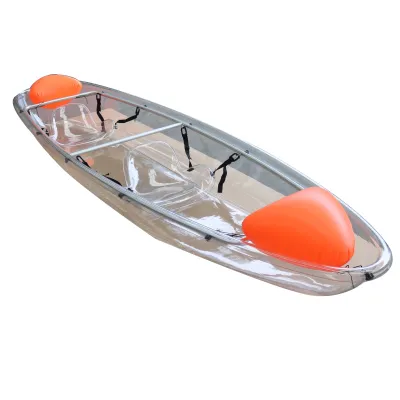
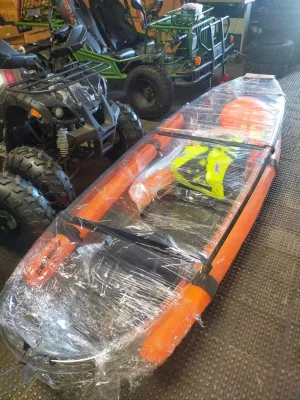
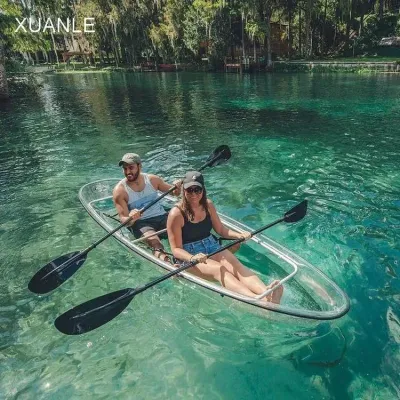
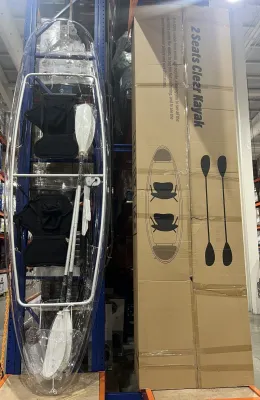
Prices are valid at publication and may change. Please refer to the product page for the latest price.
Acrylic (PMMA), on the other hand, offers superior natural resistance to UV degradation and boasts slightly better optical clarity than polycarbonate. It also possesses a harder surface, making it less prone to fine hairline scratches from sand or salt crystals. Despite these aesthetic advantages, acrylic is highly brittle; a sharp impact from a rock or a sudden drop on a hard launch ramp can cause the entire hull to spiderweb or shatter completely, posing a serious safety hazard on open water.
Because of these physical properties, you should look for modified or treated polycarbonate specifications when shopping for a crystal kayak. High-end manufacturers use specialized polycarbonate formulations that retain the polymer’s signature impact flexibility while introducing surface treatments to mitigate scratching and UV damage. This hybrid approach ensures the kayak can withstand the physical demands of active water sports.
Your choice between these materials must align with your intended paddling venue. If you plan to navigate coastal reefs, tidal flats, or unpredictable open waters, polycarbonate is non-negotiable for your personal safety. Acrylic hulls should be restricted entirely to highly controlled, shallow environments like calm resort swimming pools or sandy, wave-free lagoons where underwater impact hazards are virtually nonexistent.
UV Stabilization and Coatings: The Key to Preventing Yellowing
To prevent a transparent hull from turning an unsightly yellow and becoming brittle, you must understand the difference between UV-stabilized and UV-coated polycarbonate. “UV-stabilized” plastics have protective chemical additives mixed directly into the raw resin before the sheet is extruded. While this provides baseline protection throughout the material, the concentration of UV absorbers is relatively low, which can still allow gradual yellowing under intense, prolonged sun exposure.

For long-term clarity, prioritize kayaks that feature a co-extruded UV-protective layer or a double-sided UV coating. Co-extrusion is an advanced manufacturing process where a highly concentrated, UV-blocking polymer layer is fused onto the exterior surface of the polycarbonate sheet during extrusion. This dedicated barrier absorbs and reflects destructive UV radiation before it can reach and break down the chemical bonds of the underlying structural polycarbonate.
In tropical climates, unprotected polycarbonate will degrade rapidly, losing its flexibility and turning yellow within months of regular use. The intense solar heat and high UV exposure accelerate photo-oxidation, which weakens the polymer chains and makes the hull highly susceptible to stress cracking. A verified UV treatment is the single most critical specification for maintaining both the optical clarity and the structural integrity of your watercraft.
When verifying these claims, look for explicit technical specifications in the manufacturer’s documentation, such as “co-extruded UV protection,” “double-sided UV barrier,” or a specified UV protection thickness (typically measured in microns, such as a 50-micron layer). Avoid purchasing transparent kayaks from sellers that only offer vague marketing phrases like “UV-resistant” or “suitable for outdoor use” without providing concrete details on the chemical treatment or manufacturing process used.
Hull Thickness and Construction: Specs That Prevent Cracking
Hull thickness is a primary factor in determining the overall rigidity and impact absorption of a crystal kayak, with standard quality hulls typically measuring between 4mm and 6mm. While a thicker hull generally offers greater resistance to flexing, thickness alone cannot prevent cracking if the material is subjected to improper loads or poor engineering. A thick hull made from low-grade, unmodified resin will still crack under stress much faster than a slightly thinner, high-grade marine polycarbonate hull.
Instead of focusing solely on millimeter measurements, prioritize the manufacturer’s verified weight capacity. Overloading a transparent kayak causes the hull to bow and flex excessively during paddling, putting immense stress on connection points, seats, and hardware mounts. Over time, this repetitive flexing leads to micro-fractures and stress cracking around pre-drilled holes; staying well within the rated weight limit is essential to preserving the hull’s structural integrity.
Construction methods play an equally vital role in preventing structural failure. Look for hulls produced via seamless thermoforming, where a single sheet of polycarbonate is heated and molded into shape. Seamless construction eliminates the weak points associated with multi-piece hulls. Avoid kayaks that rely on heavy glue lines, mechanical fasteners, or low-quality welded seams along the centerline, as these joints are highly vulnerable to leaking and cracking under the pressure of waves.
Additionally, high-quality crystal kayaks feature integrated structural reinforcements to distribute physical stress. Look for models designed with internal anodized aluminum or carbon-fiber frames, reinforced gunwales, and molded-in structural ribs. This rigid framework absorbs the structural load and prevents the polycarbonate hull from twisting or flexing excessively when navigating choppy chop, protecting the plastic from localized stress concentrations.
Marketing Red Flags and Specs You Can Safely Ignore
When shopping for a crystal kayak, learn to identify and ignore exaggerated marketing claims that do not align with material science. Terms like “100% unbreakable” or “scratch-proof” are common red flags. All marine-grade transparent polymers can scratch when dragged across abrasive surfaces like sand, gravel, or concrete ramps, and any plastic can crack if subjected to extreme, concentrated forces or improper storage.
Similarly, you can safely ignore minor variations in advertised optical clarity percentages, such as claims of “99% glass-like transparency.” Standard high-quality polycarbonate naturally exhibits light transmission rates between 88% and 92%. Any advertised percentage higher than this is often a marketing exaggeration or refers to testing conditions that do not reflect real-world marine environments, and the difference is entirely imperceptible to the human eye.
Do not be swayed by purely aesthetic features, such as colored trim, tinted hull edges, or decorative vinyl decals. While these elements can make a kayak look more appealing on online marketplaces, they add absolutely nothing to the structural lifespan, impact resistance, or UV durability of the main polycarbonate hull. Focus your budget on the quality of the base polymer and the UV co-extrusion process.
Finally, remember that a heavier kayak is not inherently more durable or stronger. Excess weight often indicates the use of cheaper, lower-grade resins that require a thicker, heavier profile to achieve basic structural rigidity, or the addition of heavy, non-marine-grade hardware. A well-engineered crystal kayak utilizes high-tensile, UV-treated polycarbonate paired with a lightweight aluminum frame to deliver maximum strength without unnecessary bulk.
Post-Purchase Care to Preserve Material Integrity
Maintaining the structural integrity and clarity of your crystal kayak requires a dedicated post-purchase care routine. When cleaning the hull, use only mild, non-abrasive liquid soap, fresh water, and a clean, soft microfiber cloth. Strictly avoid using abrasive scrubbing pads, stiff brushes, ammonia-based glass cleaners, or strong chemical solvents, as these substances will scratch the surface and permanently strip away the co-extruded UV-protective layer.
Safe storage is critical to preventing premature material degradation. Always store your kayak in a fully shaded, dry, and cool location, such as a garage, carport, or under a dedicated UV-blocking canvas cover. Even the highest-quality co-extruded UV coatings will eventually degrade if the kayak is left to bake in direct, intense tropical sunlight for weeks at a time while not in use.
Always rinse the entire kayak thoroughly with clean, fresh water after every outing, especially when paddling in saltwater or brackish coastal environments. If left to dry on the hull, salt crystals act as a powerful abrasive that will scratch the polycarbonate during handling, while mineral buildup can gradually cloud the material and degrade the outer protective coatings.
When storing the kayak long-term, ensure it is properly supported to prevent physical deformation. Use wide, padded cradles, foam blocks, or flat racks that distribute the weight of the hull evenly. Avoid hanging the kayak by its end handles, using thin, unpadded straps, or storing it on its side, as localized pressure points can cause the polycarbonate to warp or develop permanent stress fractures over time.
Frequently Asked Questions (FAQ)
Can I apply an aftermarket UV protectant spray to my clear kayak?
Aftermarket marine-grade UV protectant sprays can provide a temporary, sacrificial barrier against solar radiation, but they cannot replace a factory-applied, co-extruded UV-protective layer. Before applying any aftermarket chemical spray, always consult the kayak manufacturer’s care guidelines and warranty terms. Some commercial protectants contain chemical solvents or petroleum distillates that can react negatively with polycarbonate, causing immediate surface clouding, micro-cracking, or voiding your product warranty.
How do minor scratches affect the structural integrity of a crystal kayak?
Superficial surface scratches are a normal cosmetic consequence of using a transparent kayak and will not compromise the hull’s structural strength or cause it to crack. However, deep gouges—especially those located near the keel, seat mounts, or frame attachment points—can act as stress concentrators that may eventually develop into cracks under load. If you discover a deep gouge, inspect it closely and consult the manufacturer for approved repair protocols; avoid attempting DIY sanding or heat-gun repairs, as these methods can easily destroy the surrounding UV-protective coating and weaken the polymer.
Community discussion
Share your experience or ask a question. Comments are reviewed before publication.