
Quick Answer: Choosing a Kick Shield for Taekwondo Training
In Taekwondo, selecting the right training equipment is critical for safety, technique development, and overall performance. When choosing a kick shield taekwondo practitioners must decide between curved and flat designs. Neither shape is universally superior; instead, the optimal choice depends heavily on your specific training goals, the power level of the kicker, and the experience of the pad holder.
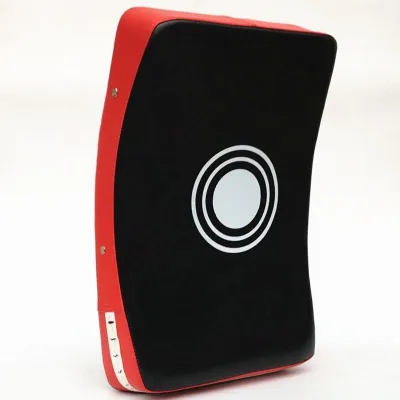
Curved shields excel in absorbing heavy rotational kicks, such as the roundhouse kick (dollyo chagi), while protecting the holder’s joints and torso from extreme impact. The ergonomic curvature naturally cradles the striking limb, dispersing kinetic energy outward and reducing the physical toll on the holder. This makes curved shields highly suitable for power development and continuous combination drills.
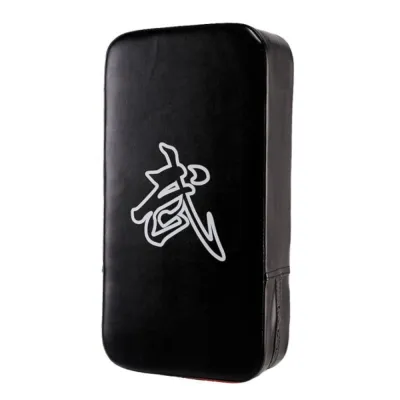
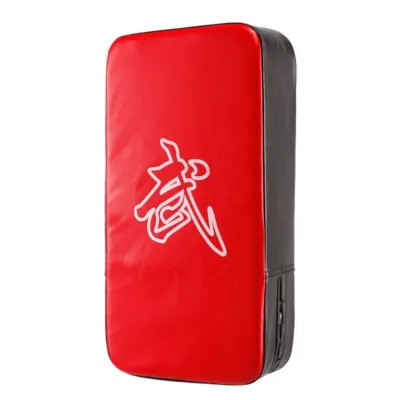
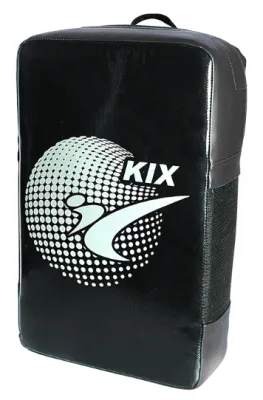
Flat shields, conversely, provide a uniform, rigid striking surface that is ideal for speed drills, precision targeting, and linear kicks. They offer immediate tactile and auditory feedback, producing a sharp, loud crack upon correct impact. This feedback helps practitioners gauge their penetration and foot alignment, making flat shields excellent for technical refinement and fast-twitch reaction training.
Products mentioned in this guide
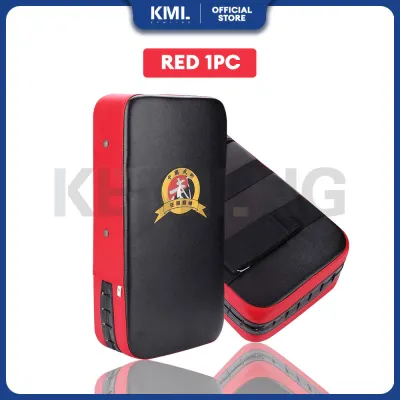
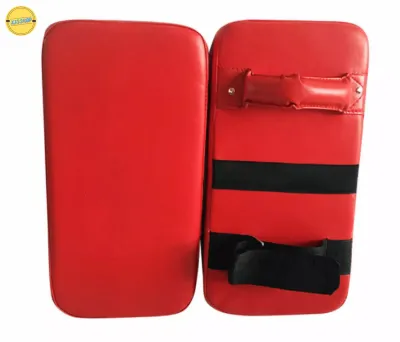
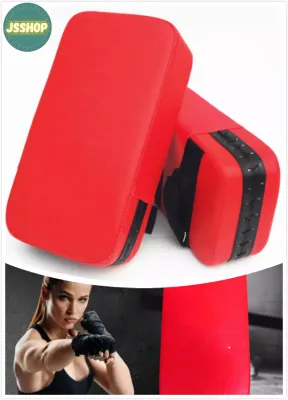
Prices are valid at publication and may change. Please refer to the product page for the latest price.
How Shield Shape Affects Taekwondo Kicking Mechanics
To understand which shield shape suits your training, it is essential to analyze the physical interaction between the shield’s geometry and Taekwondo-specific striking angles. Taekwondo is renowned for its dynamic, high-velocity kicks, ranging from the rapid snapping motion of a roundhouse kick to the driving, linear force of a side kick (yeop chagi). Each kick delivers kinetic energy along a specific trajectory, and how the shield receives this energy affects both the striker’s technique and the holder’s safety.

Rotational kicks deliver force along an arc. When a practitioner performs a heavy roundhouse kick, the foot or shin strikes the target at an angle. A curved shield features a concave striking face that matches this rotational path. As the leg makes contact, the curved surface wraps slightly around the limb, capturing the lateral force and converting it into direct compression against the foam core. This prevents the shield from twisting or sliding in the holder’s grip, stabilizing the impact and allowing the kicker to follow through safely without risking ankle hyperextension.
Linear kicks, such as the front kick (ap chagi) and the push kick, deliver force along a straight line parallel to the ground. For these strikes, a flat shield provides a perpendicular plane of resistance. The flat surface demands precise foot alignment; if the sole of the foot strikes at an angle, the foot will slide, signaling to the practitioner that their alignment was incorrect. This rigid, flat plane forces the kicker to chamber and extend their leg with perfect linear trajectory to achieve a clean, solid impact.
Furthermore, the downward trajectory of an axe kick (naeryeo chagi) presents unique challenges. Striking the top edge of a flat shield can cause the pad to tilt forward abruptly, straining the holder’s wrists. A curved shield, with its rounded top and contoured profile, is more forgiving during downward strikes, allowing the heel to slide safely down the face of the pad while dispersing the downward momentum. Understanding these mechanical differences allows instructors and students to select the appropriate tool for each specific technical drill.
Curved Kick Shields: Design, Benefits, and Best Drills
Curved kick shields are engineered with a distinct convex outer profile and a pre-curved foam core. This design is specifically tailored to handle high-impact, heavy-power training sessions. The primary benefit of this curvature is superior shock absorption. By wrapping around the holder’s forearm and torso, the shield minimizes the rebound effect that occurs when a heavy strike lands, significantly reducing joint stress in the holder’s wrists, elbows, and shoulders.
Design and Impact Absorption Most premium curved shields utilize multi-layered, high-density foam structures. The outer layer is typically firmer to disperse the initial impact across the entire surface area, while the inner layers are softer and more resilient, designed to absorb and deaden the residual kinetic energy. Because the shield contours to the holder’s body, it creates a cohesive unit that allows the holder to use their body weight and core strength to brace against the kick, rather than relying solely on arm strength.
Best for Heavy Power and Rotational Kicks Curved shields are the gold standard for practicing heavy rotational strikes and high-power combinations. Drills that involve spinning back kicks (dwit chagi), spinning hook kicks (dwi huryeo chagi), and continuous roundhouse kicks benefit immensely from a curved design. The contoured surface ensures that even if a spinning kick lands slightly off-center, the pad will still capture the impact safely, preventing the shield from flying out of the holder’s hands or striking the holder’s face.
Limitations and Considerations Despite their protective benefits, curved shields have notable limitations. They are generally bulkier and heavier than flat shields due to the additional foam layering required to maintain their permanent curve. This extra weight can make them tiring to hold during prolonged speed or agility drills. Additionally, the curved surface can make it difficult to practice low linear kicks or precise, small-target strikes, as the angled edges of the shield reduce the flat surface area available for direct, square-on contact.
Flat Kick Shields: Design, Benefits, and Best Drills
Flat kick shields feature a traditional rectangular design with a uniform, flat striking plane. This classic construction is favored for its simplicity, durability, and the direct feedback it provides to both the kicker and the instructor. Unlike curved shields, which muffle the sound of impact, flat shields produce a loud, resonant snap when struck with proper technique and speed, making them an invaluable pedagogical tool in a busy dojang.
Design and Striking Feedback Flat shields are typically constructed with a dense, single- or double-layer foam core encased in a tight, heavy-duty synthetic cover. Because there is no pre-curved contour to disperse the air inside the pad, a clean, flush strike compresses the air and foam rapidly, resulting in a sharp auditory “crack.” This sound serves as immediate positive reinforcement for the student, indicating that they hit the target with the correct speed, snap, and surface area of the foot.
Best for Speed, Precision, and Linear Kicks Flat shields are highly effective for fast-twitch speed drills, rapid-fire kicking combinations, and target-specific accuracy training. Because they are lightweight and easy to maneuver, holders can quickly reposition the pad to simulate moving targets or transition between high and low targets. They are the ideal choice for training linear kicks like the front kick, side kick, and front-leg hook kicks, where a flat, stable plane is required to ensure proper foot positioning and ankle stability.
Limitations and Considerations The primary drawback of flat shields is their limited shock absorption capacity. Because the flat surface transfers kinetic energy directly through the pad in a straight line, the holder absorbs a significant portion of the impact. If the holder is inexperienced or fails to brace correctly, heavy rotational kicks can easily push the shield back into their own chest or strain their shoulder joints. Therefore, flat shields are less suitable for maximum-power training sessions unless the pad holder is highly experienced and skilled in active bracing techniques.
Key Comparison Dimensions for Taekwondo Training
To help you make an informed decision, it is helpful to compare curved and flat kick shields across the most critical training dimensions. The table below summarizes how each design performs in key operational areas:
| Comparison Dimension | Curved Kick Shields | Flat Kick Shields |
|---|---|---|
| Shock Absorption | High; disperses energy laterally and fits ergonomically against the holder. | Moderate; transfers impact directly, requiring active bracing from the holder. |
| Auditory Feedback | Muffled; produces a deep, low-frequency thud upon impact. | Sharp; produces a loud, high-frequency crack when struck correctly. |
| Target Versatility | Superior for heavy rotational, spinning, and high-power kicks. | Superior for rapid speed drills, linear kicks, and precision targeting. |
| Weight & Portability | Heavier and bulkier; requires more storage space and effort to transport. | Lightweight and compact; easy to pack, carry, and maneuver quickly. |
| Holder Safety | Excellent; protects joints and minimizes the risk of holder injury. | Moderate; requires proper holding technique to prevent wrist and shoulder strain. |
While the shape of the shield dictates its physical performance, you must also verify the specific materials used in its construction. Regardless of whether you choose a curved or flat design, always inspect the product label or manufacturer specifications for the following quality indicators:
- Foam Density and Thickness: Look for multi-layered EVA (Ethylene-Vinyl Acetate) or high-density polyurethane foam. A thickness of at least 4 to 5 inches is recommended for absorbing heavy Taekwondo kicks.
- Cover Material: Heavy-duty vinyl or high-grade PU (Polyurethane) leather offers the best resistance against tearing, sweat absorption, and friction burns. Reinforced nylon stitching along the seams is essential to prevent the shield from bursting under high pressure.
- Handle Construction: Ensure the handles are double-stitched or reinforced with metal rivets. A combination of a rigid top handle and adjustable forearm straps provides the most secure and versatile grip.
How to Choose the Right Kick Shield for Your Dojang
Selecting the right kick shield depends on your training environment, the age and skill level of your students, and your specific curriculum goals. Dojang owners and instructors often benefit from maintaining a mixed inventory, but if you are purchasing a limited set of equipment, you should align your choice with your primary training focus.
Choose a Curved Shield if:
- Your training curriculum emphasizes heavy power development, full-contact sparring preparation, and advanced spinning kicks.
- Your classes include heavy-hitting teens and adults who generate substantial impact force.
- The pad holders in your class are frequently beginners, children, or intermediate students who require extra physical protection from joint strain and accidental impacts.
- You want an ergonomic pad that allows the holder to stand comfortably and absorb repeated heavy strikes over long training sessions.
Choose a Flat Shield if:
- Your primary training focus is on speed, rapid-fire kicking combinations, agility, and technical precision.
- You are training Olympic-style WT (World Taekwondo) competitors who need to practice precise foot placement and rapid target transitions.
- You require a lightweight, highly portable option that can be easily transported to outdoor training sessions, tournaments, or community demonstrations.
- You rely heavily on auditory feedback to monitor and correct your students' kicking technique from a distance.
Verify First Before Purchasing Before making a final purchase, always check the strap and handle configurations of the shields. Some models feature a dual-grip handle system, while others utilize a single handle combined with an adjustable arm sleeve. Ensure the configuration matches the holding preferences and safety requirements of your instructors. For a diverse, mixed-use dojang, investing in a combination of both curved and flat shields is often the most practical solution, allowing instructors to distribute the appropriate gear based on the specific technical demands of the daily lesson plan.
Frequently Asked Questions (FAQ)
Can I use a Thai banana pad instead of a standard kick shield for Taekwondo?
While Thai banana pads are exceptionally durable and excellent for low kicks, knee strikes, and clinch work in Muay Thai, they are generally less suitable as a primary training tool for standard Taekwondo. Thai pads are narrower, stiffer, and heavier, which can lead to foot and instep bruising during high-speed, repetitive Taekwondo kicking drills. The larger surface area of a standard curved or flat kick shield provides a much safer target for the high, rotational, and explosive kicks characteristic of Taekwondo, protecting both the kicker’s feet and the holder’s body.
How do I maintain the synthetic cover on my kick shield in a humid climate?
In humid tropical environments, such as the Philippines, sweat and moisture can quickly degrade synthetic leather covers, leading to mold, mildew, and material cracking. To maintain your kick shield, wipe down the entire synthetic surface with a clean, damp microfiber cloth after every training session to remove sweat, oils, and dirt. Allow the shield to air dry completely in a well-ventilated indoor area away from direct sunlight, which can dry out and crack the PU or vinyl coating. Avoid using harsh chemical solvents, bleach, or abrasive brushes, as these will strip the protective finish and compromise the structural integrity of the cover over time.
Community discussion
Share your experience or ask a question. Comments are reviewed before publication.