
Choosing between a cycle exercise machine, a treadmill, and a rowing machine depends on your fitness goals, joint health, and home space. A cycle exercise machine offers a compact, low-impact workout that is gentle on the joints. A treadmill provides a natural, weight-bearing workout that mimics walking or running, which is excellent for bone density but carries a higher impact. A rowing machine delivers a comprehensive full-body workout that engages both the upper and lower body, though it requires a much larger horizontal footprint. By evaluating your physical needs and living environment, you can select the equipment that best supports your long-term consistency.
Matching Cardio Equipment to Your Fitness Goals
To get the most out of your home workouts, align your fitness equipment with your primary physical objectives. Each machine engages your muscles and cardiovascular system in fundamentally different ways.
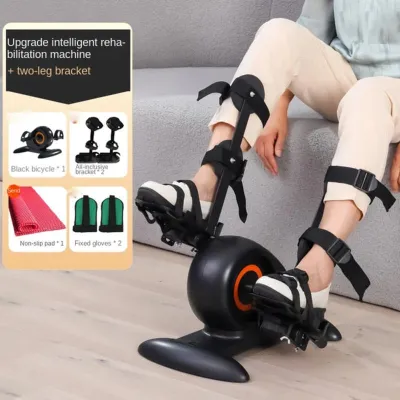
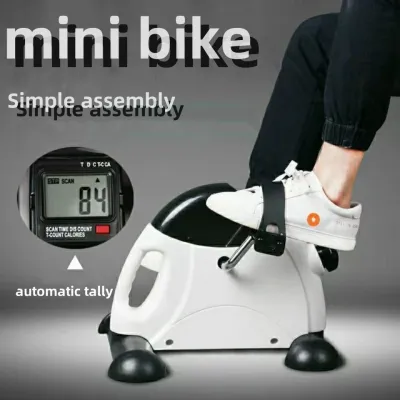
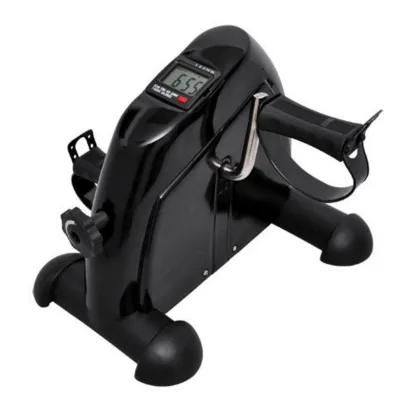
A cycle exercise machine focuses primarily on the lower body. The continuous pedaling motion targets your quadriceps, hamstrings, glutes, and calves. Because you remain seated, your upper body and core play a secondary, stabilizing role. This makes cycling highly efficient for building lower-body muscular endurance and cardiovascular stamina without fatiguing your upper body.
Products mentioned in this guide
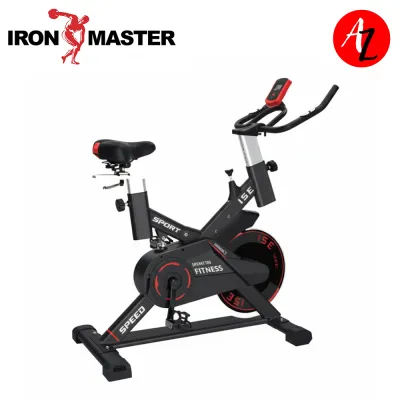
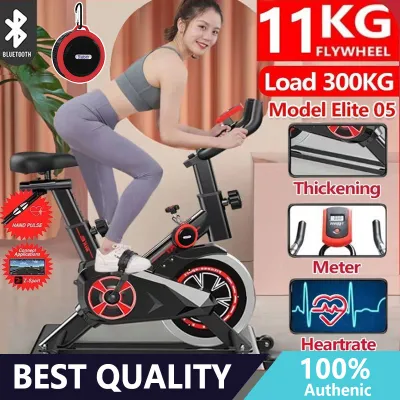
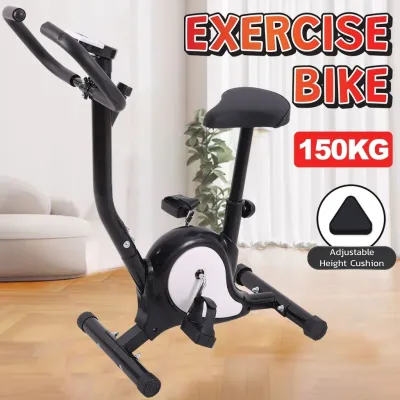
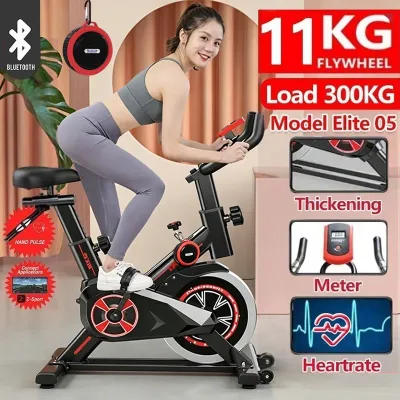
Prices are valid at publication and may change. Please refer to the product page for the latest price.
In contrast, a treadmill offers a weight-bearing workout that closely mimics natural human movement. Walking or running recruits your entire lower body while requiring your core and back muscles to maintain an upright posture. Because it is a weight-bearing activity, treadmill exercise helps stimulate bone deposition, which is vital for long-term skeletal health.
A rowing machine provides a comprehensive full-body workout, engaging multiple muscle groups with every stroke. The rowing motion is divided into a leg drive, a core swing, and an upper-body pull. This coordinated effort recruits your legs, glutes, core, back, shoulders, and arms. It is an exceptional tool for simultaneous cardiovascular conditioning and muscular endurance training.
Controlling workout intensity also varies across these devices. On a cycle exercise machine, you adjust the resistance level and your pedaling speed to increase the challenge. Treadmills allow you to alter both speed and incline, simulating uphill climbs to increase cardiovascular demand. Rowing machines rely heavily on your own physical effort; the harder you pull, the more resistance you generate, especially on air or water-resistance models.
Evaluating Space, Noise, and Home Setup Constraints
Before purchasing any fitness equipment, evaluate your living environment, floor plan, and household dynamics. The physical footprint of each machine dictates where it can safely reside and how easily it can be stored.

A cycle exercise machine is the most space-efficient option. Its compact footprint fits easily into small bedrooms or tight living spaces, and transport wheels allow you to roll it out of sight after use.
Treadmills require a much larger dedicated area, demanding significant floor length and width. You must also account for ceiling height when using incline features. While folding models exist, they remain heavy and bulky even when stored upright.
Rowing machines have the longest horizontal footprint. Although many models store vertically to save floor space, you still need a long, unobstructed path during your workout for the seat to glide freely.
Noise and floor vibration are critical in multi-story homes or condominiums in the Philippines. Treadmills generate significant impact noise and low-frequency vibrations from foot strikes. Cycle exercise machines, especially magnetic resistance models, operate almost silently. Rowing machines fall in the middle; magnetic rowers are quiet, while air and water rowers produce a rhythmic whooshing sound.
Power requirements also differ. Motorized treadmills require a direct wall outlet and draw substantial electrical current. Many cycles and rowing machines utilize battery-powered consoles or self-generating power, allowing placement away from outlets. In humid tropical climates, place your equipment in a well-ventilated area with a fan or air conditioning to protect internal electronics from moisture.
Joint Impact, Safety, and Physical Limitations
Your physical condition, joint health, and injury history should guide your choice of cardio equipment. Selecting a machine that respects your body’s limitations is key to maintaining a consistent, pain-free routine.
Treadmill running is a high-impact activity that subjects your joints to forces several times your body weight. While beneficial for building bone density in healthy individuals, it can aggravate pre-existing knee, ankle, hip, or lower back issues.
A cycle exercise machine offers a low-impact alternative. Because your feet remain on the pedals, there is no jarring joint impact. The smooth, circular motion helps lubricate knee joints and strengthen surrounding muscles, making cycling excellent for active recovery or physical therapy.
Rowing is also low-impact, but it demands strict attention to posture. The seated gliding motion protects lower joints, but the repetitive bending and extending of the hips and torso put pressure on the lower back, which can trigger discomfort if your form slips.
Safety must remain your top priority. Stop exercising immediately if you experience chest pain, dizziness, shortness of breath, or sharp joint pain. When using a treadmill, always attach the safety stop key to your clothing. If you have chronic health conditions or are returning to exercise, consult a medical professional to establish safe boundaries.
Key Specifications to Verify Before Purchasing
When shopping for cardio equipment, comparing marketing claims is less effective than verifying specific structural and functional specifications. Focus on the physical build and mechanical components to ensure long-term durability and safety.
First, verify the maximum user weight capacity and the overall weight of the machine. A heavier machine generally offers greater stability and reduces wobbling during intense workouts. Look for frames constructed from heavy-gauge steel or high-grade aluminum. In the humid climate of the Philippines, ensure the metal components feature a high-quality, rust-resistant powder coating to protect against sweat-induced corrosion.
Second, examine the resistance mechanism. For cycle exercise machines, magnetic resistance is highly recommended because it uses magnets to create tension, resulting in a silent ride with no wearing parts. Friction resistance, which uses felt pads, requires regular lubrication and eventual replacement. For rowing machines, decide between magnetic resistance for quiet operation, air resistance for a dynamic response that matches your pulling speed, or water resistance for a realistic rowing feel.
Third, evaluate the console functionality and connectivity. Ensure the display is easy to read and tracks essential metrics such as time, distance, speed, and estimated energy expenditure. If you prefer interactive training, check if the console supports Bluetooth connectivity to sync with fitness applications or heart rate monitors.
Finally, review the manufacturer’s warranty terms. A reliable warranty should cover the frame for several years, with separate coverage for mechanical parts, electronics, and labor. Confirm whether local service centers or technicians are available in your area, as sourcing replacement parts internationally can lead to long delays and high shipping fees.
Making the Final Decision: Choose Based on Your Profile
To make your final decision, match your personal profile, living space, and physical needs to the unique characteristics of each machine.
Choose a cycle exercise machine if you have limited floor space, live in an apartment where noise is a major concern, or need a highly stable, low-impact workout. It is also the ideal choice if you enjoy multitasking, such as reading or watching videos, while maintaining a steady cardiovascular pace.
Choose a treadmill if you prefer natural walking or running mechanics, want to focus on weight-bearing exercise to support bone health, and have a dedicated ground-floor space or a well-insulated room that can handle the noise and vibration of foot strikes.
Choose a rowing machine if you want an efficient, full-body workout that targets multiple muscle groups simultaneously, and you have a long room that can accommodate the machine’s length during use, along with the physical capability to maintain proper rowing posture.
Before finalizing your purchase, verify your physical readiness. If you have pre-existing joint degeneration, chronic back pain, or cardiovascular concerns, obtain professional medical clearance to ensure your chosen exercise modality is safe and appropriate for your health journey.
Frequently Asked Questions (FAQ)
Can I use a cycle exercise machine for weight loss?
Yes, a cycle exercise machine can be a highly effective tool for weight management when combined with a balanced diet. To support weight loss, focus on maintaining a consistent workout schedule and gradually increasing your session duration and resistance levels. Adjusting the resistance helps elevate your heart rate into an active training zone, which increases energy expenditure. Consistency and a healthy lifestyle are the most critical factors in achieving long-term weight management goals.
Which machine is best for bad knees?
For individuals with knee discomfort, a cycle exercise machine is generally the most suitable option because it provides a smooth, low-impact motion that strengthens the quadriceps and hamstrings without the jarring forces of running. A rowing machine also offers a low-impact alternative, but it requires significant knee flexion, which may cause discomfort for some users. Treadmills are generally not recommended for those with severe knee issues due to the repetitive impact of running. Always consult a medical professional to evaluate your specific joint health before starting a new exercise regimen.
Do I need an equipment mat under my cardio machine?
Using a high-density equipment mat under your cardio machine is highly recommended. A quality mat protects your flooring from scratches, indentations, and sweat, which is particularly important in humid climates where moisture can damage wood or tile. Additionally, a mat helps absorb structural vibrations and reduce operational noise, making your workouts much quieter for other household members. It also provides extra stability, preventing the machine from slipping or shifting on smooth floor surfaces during vigorous exercise.
Community discussion
Share your experience or ask a question. Comments are reviewed before publication.