
Choosing your first outdoor adventure can feel overwhelming when confronted with endless gear options, trail maps, and conflicting advice. To make the right choice, you must balance your physical readiness, available time, financial investment, and personal comfort preferences. For most beginners, day hiking and car camping offer the lowest barriers to entry, while backpacking serves as an exciting milestone to work toward once you have built up your skills and confidence.
In the tropical climate of the Philippines, outdoor activities come with unique environmental factors. High humidity, sudden rain showers, and muddy terrain mean that even a simple outing requires thoughtful preparation. By understanding the distinct demands of day hiking, car camping, and backpacking, you can select an activity that keeps you safe, comfortable, and eager to return to the wild.
Assess Your Fitness and Physical Readiness
Day hiking requires a baseline level of cardiovascular endurance and joint stability. Even on well-maintained trails, you will encounter uneven terrain, exposed tree roots, loose rocks, and steep inclines. Your ankles and knees must absorb the impact of descending slopes, which can be surprisingly taxing if you are unaccustomed to regular physical activity. If you can comfortably walk for an hour or two on flat ground, you are likely ready for an easy day hike, but you should still expect a moderate cardiovascular workout.
Products mentioned in this guide
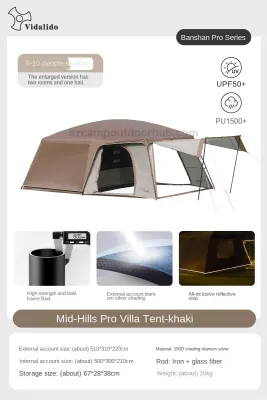
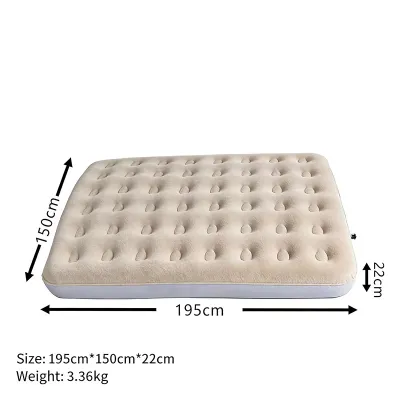
Prices are valid at publication and may change. Please refer to the product page for the latest price.
Car camping, by contrast, involves minimal physical strain, making it highly accessible for individuals of all fitness levels, multi-generational families, and those recovering from minor injuries. Because your vehicle carries the weight of your gear directly to the campsite, your physical exertion is limited to pitching your tent, arranging your sleeping area, and walking short distances around the campground. It offers an excellent way to experience the outdoors without pushing your physical limits.
Backpacking is the most physically demanding of the three activities, requiring high endurance and overall body strength. You must carry all your shelter, sleeping gear, food, water, and clothing in a heavy pack—often weighing between 10 to 15 kilograms—over long distances and significant elevation changes. The added weight shifts your center of gravity, demanding excellent core stability and leg strength. Attempting a backpacking trip without prior physical conditioning can lead to extreme fatigue or injury, so it is best approached after you have built up your stamina through day hiking.
Evaluate Your Available Time and Schedule
Day hiking is highly flexible and fits easily into a single day or even a weekend morning. Because you do not need to set up a complex camp or prepare multiple meals in the wild, your logistics are straightforward. You can wake up early, travel to a nearby trail, complete your hike, and return home in time for dinner. This minimal time commitment makes day hiking the perfect option for busy professionals or anyone looking for a quick nature escape without disrupting their weekly routine.

Car camping typically requires a commitment of at least one to two nights to make the travel and setup worthwhile. You must factor in the time it takes to drive to an established campsite, unpack your vehicle, pitch a large tent, organize your camp kitchen, and build a campfire. While the setup and teardown process takes some effort, the reward is a relaxed, multi-day stay where you can unwind in nature without the pressure of moving to a new location each day.
Backpacking demands the greatest time commitment, often requiring multiple consecutive days to fully appreciate and safely execute. You must dedicate time to planning your route, packing your gear meticulously, traveling to a remote trailhead, and hiking deep into the wilderness. Once at your destination, you must establish a temporary camp, only to pack everything up the next morning to continue your journey or head back. This continuous cycle of hiking and camp management requires a dedicated block of time, making it ideal for long weekends or extended holidays.
Calculate Your Budget and Gear Requirements
Day hiking has the lowest financial barrier to entry, allowing you to start with minimal gear. Your primary investments should be a pair of sturdy, comfortable athletic shoes or trail runners with good grip, a simple daypack to carry essentials, and weather-appropriate, quick-drying clothing. Many beginners already own suitable clothing and footwear, meaning you can hit the trail with almost zero upfront cost.
Car camping involves moderate costs but offers excellent value because you do not need to buy specialized, ultra-lightweight equipment. Since weight and packed size are not concerns when loading a car, you can opt for larger, heavier, and more affordable gear. A spacious family tent, thick air mattresses, standard camp chairs, and a robust cooler are relatively inexpensive in ₱ compared to their technical, lightweight counterparts. You can also easily repurpose household items, such as standard blankets, pillows, and kitchen utensils, to keep your initial expenses low.
Backpacking requires specialized, lightweight, and highly compact gear, which carries a premium price tag in ₱. Because you must carry every item on your back, every gram counts. Lightweight tents, compact sleeping pads, compressible down sleeping bags, and technical backpacks designed to distribute weight efficiently are engineered with advanced materials that increase their cost. While investing in high-quality backpacking gear ensures comfort and safety on long treks, the initial financial commitment is significantly higher than that of day hiking or car camping.
Match Your Comfort and Convenience Preferences
Access to facilities is a major dividing line between these activities. Car camping sites in the Philippines often feature developed amenities, including clean restrooms, running water, designated shower areas, and sometimes even electrical outlets. This makes the transition to the outdoors smooth for those who value basic hygiene and convenience. Backpacking, however, takes you off the grid, requiring you to manage human waste using backcountry methods like digging catholes and sourcing and filtering your own drinking water from streams or rivers.
Your sleeping arrangements also differ dramatically. In a car camping setup, you can prioritize comfort by using thick foam mattresses, elevated cots, full-sized pillows, and heavy blankets. You are essentially recreating your bedroom inside a tent. Backpacking forces you to compromise on sleep luxury for the sake of portability. You will sleep on a thin, inflatable or closed-cell foam sleeping pad designed to insulate you from the cold ground while fitting easily inside your pack.
Meal preparation is another area where preferences dictate your choice. Car camping allows you to bring multi-burner gas stoves, heavy cast-iron cookware, and fresh ingredients stored in an ice-filled cooler. You can prepare elaborate, fresh meals just as you would at home. Backpacking meals must be lightweight, shelf-stable, and easy to cook with minimal water. Most backpackers rely on dehydrated, freeze-dried, or simple one-pot meals that only require a tiny, lightweight canister stove to boil water.
Your Action Plan: How to Transition Between Activities
To build your skills safely and avoid expensive gear mistakes, follow a progressive transition plan. Start by committing to a few local day hikes. This allows you to test your physical stamina, break in your footwear, and practice basic trail navigation. When planning your first trip and asking poon saan to start your journey, look for well-marked, popular trails with moderate elevation gains.
Once you feel comfortable spending several hours on the trail, transition to car camping. This step lets you experience sleeping outdoors, pitching a tent, and managing a camp kitchen without the physical stress of carrying your gear. Use this time to test your sleeping pad, sleeping bag, and camp stove under controlled conditions where your car is nearby if you need to retreat or retrieve forgotten items.
After mastering camp setup and outdoor cooking, you can begin planning your first backpacking trip. Start by replacing your heavy car camping gear with lighter, more compact alternatives. For your first backpacking overnight, choose a short trail with a designated campsite only a few kilometers from the trailhead. This gentle introduction allows you to experience carrying a loaded pack and managing an off-grid camp without the risks associated with deep wilderness survival.
Frequently Asked Questions (FAQ)
Do I need to buy all my gear before my first trip?
No, you do not need to purchase a complete gear setup before your first outdoor excursion. For your initial trips, consider borrowing larger items like tents, sleeping pads, or camp stoves from friends, or renting them from local outdoor shops and campsite operators. Focus your budget on personal essentials that directly affect your safety and comfort, such as a well-fitting pair of trail shoes and appropriate moisture-wicking clothing, before investing in expensive big-ticket items.
Which activity is safest for a solo beginner?
For a solo beginner, day hiking on well-marked, highly populated trails during daylight hours is the safest option. Established trails ensure you are unlikely to lose your way, and the presence of other hikers provides a safety net in case of minor injuries. Car camping at a managed campground with on-site staff and security is also a highly secure choice. Avoid solo backpacking until you have gained significant experience in wilderness navigation, basic first aid, and self-reliance in remote environments.
Community discussion
Share your experience or ask a question. Comments are reviewed before publication.