
Choosing the right yoga mat in the Philippines requires balancing comfort, durability, and slip resistance, especially when practicing in warm, humid conditions. Decathlon yoga mats have become a popular fixture in the local fitness scene, offering an accessible entry point for those looking to establish a home practice or attend studio classes. For beginners and casual practitioners, these mats provide a reliable, cost-effective balance of cushioning and grip without the steep financial commitment of high-end specialty brands.
However, your ideal choice depends heavily on your specific practice style and experience level. While a budget-friendly mat is excellent for gentle stretching and restorative sessions, advanced practitioners or those who sweat heavily during dynamic flows may find that specialized materials, such as natural rubber or polyurethane, offer superior traction. Conversely, while generic, unbranded mats found on online marketplaces are often the cheapest option, they frequently lack consistent quality control, which can lead to premature flaking, stretching, or unpleasant chemical odors.
Understanding Decathlon's Yoga Mat Offerings
Decathlon structures its yoga equipment selection to match different experience levels and practice intensities. Instead of offering a single universal model, they typically categorize their mats into distinct segments: gentle yoga, dynamic yoga, and travel. Gentle yoga mats prioritize thick cushioning and comfort for static poses, while dynamic yoga mats focus on stability, thinness, and enhanced surface traction for active transitions.
Products mentioned in this guide
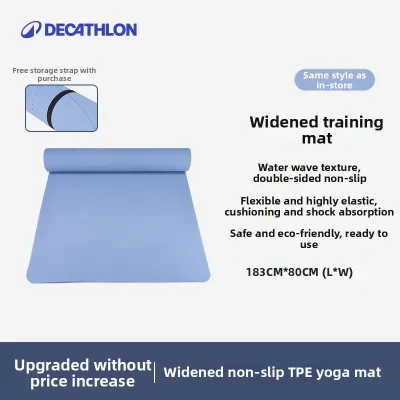
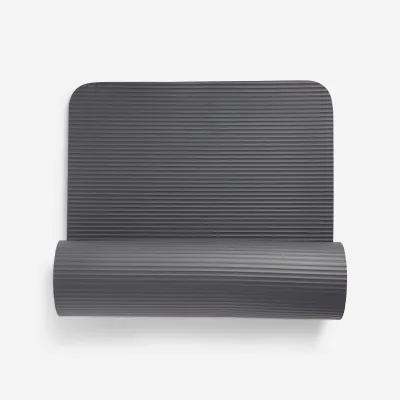
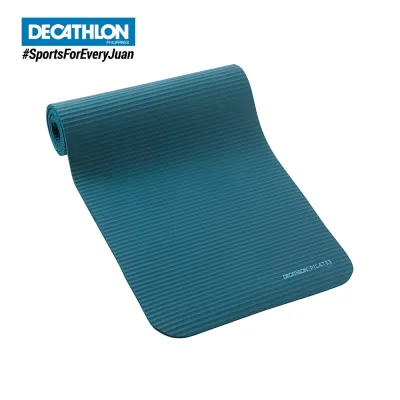
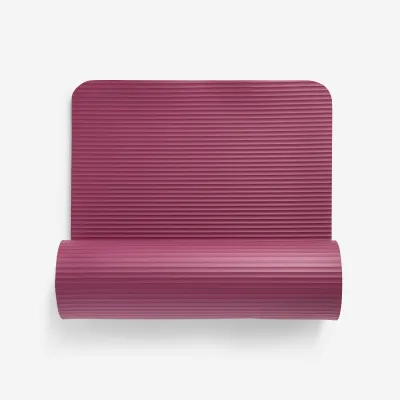
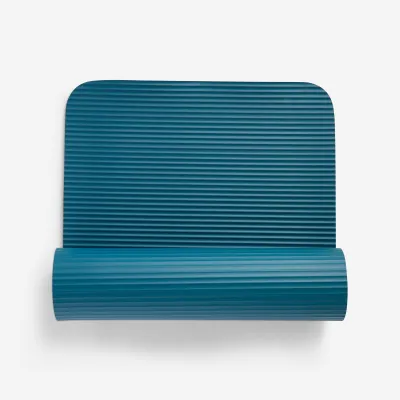
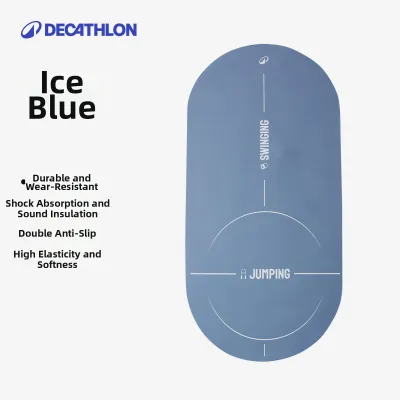
Prices are valid at publication and may change. Please refer to the product page for the latest price.
To find the exact specifications of any mat, you should inspect the product tags or official online product descriptions. Look closely at the material composition list, weight, and care instructions. Because Decathlon maintains physical retail outlets across major metropolitan areas in the Philippines, visiting a store allows you to physically test the texture, density, and weight of the mats before making a purchase.
This hands-on evaluation is particularly helpful for assessing how a mat feels against your skin. It also lets you verify the weight of the mat, which is a crucial factor if you plan to commute with your gear on public transit or carry it to a local studio. Testing the material density in person ensures you do not buy a mat that compresses too easily under your joints.
Core Dimensions to Compare Across Brands
When evaluating any yoga mat against alternative options on the market, you should base your decision on objective physical characteristics rather than brand marketing. Comparing these core dimensions will help you find a mat that matches your body’s needs and your preferred style of movement.

Material Composition and Eco-Friendliness
The base material of a yoga mat dictates its lifespan, weight, and performance under wet conditions. The most common materials you will encounter include:
- Polyvinyl Chloride (PVC): Highly durable and affordable, PVC mats offer excellent joint support and are easy to clean. However, they are not biodegradable and can become slippery when wet with sweat.
- Thermoplastic Elastomer (TPE): Lighter than PVC, TPE mats are often recyclable and provide a soft, velvety texture. They offer moderate grip and are highly portable, though they can degrade faster if exposed to extreme heat.
- Natural Rubber and Polyurethane (PU): These premium materials offer exceptional dry and wet grip. They are heavier and more expensive, but they provide a stable, non-slip surface for intense practices. Note that natural rubber mats contain latex, which may trigger allergies.
Always check the product labels for specific material claims. If a brand advertises eco-friendly properties, look for recognized third-party environmental certifications printed on the packaging to verify those claims.
Thickness, Joint Support, and Balance
Mat thickness typically ranges from ultra-thin 1.5mm travel mats to plush 8mm fitness mats. Selecting the right thickness involves a direct trade-off between joint comfort and balance stability:
- Thick Mats (6mm and above): These provide excellent cushioning for sensitive knees, hips, and wrists during floor-based poses. However, the extra compression can make standing balance poses, like tree pose, feel unstable because your feet sink into the material.
- Standard Mats (4mm to 5mm): This range is widely considered the versatile sweet spot, offering sufficient joint protection while maintaining a solid connection to the floor.
- Thin Mats (1.5mm to 3mm): Designed primarily for travel or highly dynamic practices, these mats offer maximum stability and ground feedback but very little cushioning.
Rather than relying on vague marketing terms like “extra thick” or “ultra-soft,” check the exact millimeter measurements printed on the product packaging to make an accurate comparison.
Surface Grip and Sweat Resistance
Traction is a critical safety factor in yoga, preventing your hands and feet from sliding out of alignment during poses like downward-facing dog. Grip performance is divided into two categories:
- Dry Grip: This relies on physical surface textures, such as raised patterns or ribbing, to keep your dry hands in place. It is ideal for gentle, low-sweat practices.
- Wet Grip: This relies on the material's ability to absorb moisture or maintain friction when wet. Polyurethane and natural rubber excel here, making them the preferred choice for hot yoga or humid tropical environments.
In the Philippines, where high humidity and heat can cause rapid sweating even during indoor sessions, wet grip is highly important. Open-cell materials absorb sweat to maintain traction, but they require deep cleaning to prevent bacterial growth. Closed-cell materials repel moisture, making them easier to sanitize, but they require you to wipe away sweat pools during practice to avoid slipping.
Decathlon vs. Premium and Generic Marketplace Alternatives
To understand where Decathlon fits within the wider Philippine market, it helps to compare it directly against premium specialty brands and generic online alternatives across key performance and convenience metrics.
Decathlon positions itself as a reliable, mid-tier option. The primary advantage of choosing this path is consistent quality control and physical accessibility. If you purchase a mat and find a manufacturing defect, you can utilize their established return and exchange policies at a physical store. The materials used are tested for basic durability, ensuring the mat will not crumble or peel after a few weeks of regular use.
Premium specialty brands, which are often sold at dedicated yoga studios or specialized athletic boutiques, cater to committed practitioners. These mats frequently feature advanced alignment guides printed on the surface, superior open-cell polyurethane top layers, and sustainably sourced natural rubber bases. While they offer exceptional performance and can last for years under heavy daily use, they require a significant financial investment, often costing several thousand pesos.
Generic e-commerce brands, widely available on online marketplaces, represent the lowest-cost entry point. While these budget-friendly options are highly appealing, they carry notable risks. Many of these mats are made from low-density foam that compresses completely under pressure, offering minimal joint protection. They also tend to stretch horizontally during active poses and may emit a strong, persistent chemical odor upon unboxing, indicating a lack of rigorous material testing.
Decision Framework: Which Mat Should You Buy?
To finalize your purchase, evaluate your personal practice habits, budget, and physical requirements against these clear, condition-based guidelines.
- Choose a Decathlon mat if: You are a beginner or intermediate practitioner who practices gentle, hatha, or restorative yoga. This is also the ideal route if you want reliable quality control on a moderate budget and value the convenience of testing the mat in a physical store before buying.
- Choose a premium specialty brand if: You practice hot yoga, power vinyasa, or highly dynamic flows where heavy sweating is guaranteed. This option is best if you require maximum wet grip, prefer premium natural materials, and view your yoga gear as a long-term investment.
- Choose a generic online marketplace mat if: You only need a temporary, low-cost mat for occasional light stretching, travel, or outdoor use where the mat might get dirty or damaged, and you are willing to accept potential variations in material density and durability.
Important Pre-Purchase Verifications:
- Allergies: If you have a known latex allergy, avoid natural rubber mats entirely and opt for TPE or PVC alternatives.
- Space Constraints: Measure your dedicated home practice area to ensure the mat's length and width fit comfortably within your room layout.
- Joint Sensitivity: If you experience chronic joint discomfort, prioritize high-density mats over soft, low-density foam, as high-density materials prevent your joints from bottoming out against the hard floor.
Frequently Asked Questions (FAQ)
How do I clean and maintain a Decathlon yoga mat compared to premium brands?
Always consult the care label attached to your specific mat before cleaning, as maintenance rules depend entirely on the material. Closed-cell mats, such as basic PVC or TPE models, can be wiped down after each practice with a soft cloth dampened with water and a drop of mild dish soap. Allow the mat to air dry completely in a shaded, well-ventilated area before rolling it up.
Open-cell mats and natural rubber mats require specialized care because they absorb liquids. Avoid using harsh chemical sprays, alcohol, or essential oils, which can degrade the natural materials and ruin the grip. Never soak these mats in water or place them in a washing machine. Additionally, keep natural rubber mats out of direct tropical sunlight, as UV rays will cause the rubber to dry out, crack, and lose its natural traction.
Are thicker yoga mats always better for beginners?
Thicker mats are not automatically superior for beginners. While an 8mm mat provides excellent cushioning for floor poses, it can make standing balance poses difficult because your feet cannot find a stable, solid foundation. This instability can cause you to wobble, straining your ankles and wrists as you try to maintain your alignment.
For most beginners, a medium-density mat with a thickness of 4mm to 6mm offers the best balance of comfort and stability. Rather than looking solely at thickness, focus on the density of the material. A high-density 4mm mat will often provide better joint protection and support than a soft, low-density 8mm foam mat that flattens completely under your body weight.
Can I return a yoga mat if it doesn't suit my practice?
Return and exchange policies vary significantly depending on where you purchase your mat. If you buy from a physical Decathlon store or their official website, you can generally return or exchange the product within their specified return window, provided you meet their membership or receipt requirements. However, you should verify if the mat must remain in its original, unopened packaging.
For mats purchased through online marketplaces or independent specialty boutiques, return policies are often much stricter. Due to hygiene considerations, many retailers will not accept returns or exchanges once the plastic wrapping has been removed or the mat has been unrolled and used. Always read the seller’s specific return terms before finalizing your purchase.
Community discussion
Share your experience or ask a question. Comments are reviewed before publication.