
Climbing is an inherently high-risk activity where equipment can never replace proper training, partner checks, and sound personal judgment. Before you tie into a rope or clip a bolt, you must recognize your own skill limits, understand correct rigging techniques, and know when to stop or retreat if weather or route conditions deteriorate. Carabiner specifications—including strength ratings in kilonewtons (kN), gate mechanisms, and physical shapes—determine how a connector distributes loads, resists accidental opening, and handles under specific climbing conditions.
Understanding Carabiner Strength Ratings (kN) and Safety Limits
Carabiners are stamped with strength ratings measured in kilonewtons (kN), where one kilonewton represents roughly 100 kilograms of force. These ratings cover three distinct loading scenarios: the major axis (gate closed and loaded end-to-end), the minor axis (cross-loaded across the gate), and the open-gate position.
When you inspect the spine of a certified carabiner, you will find three distinct numbers alongside icons representing these directions. The highest number always represents the major axis strength, which is the optimal and safest way to load the metal loop.
Products mentioned in this guide
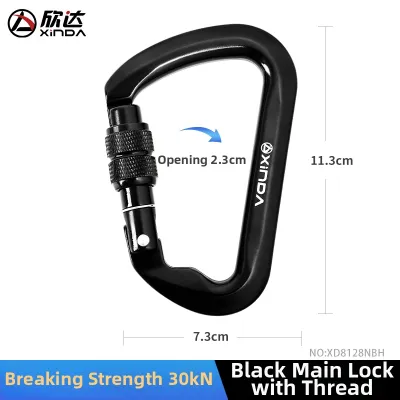
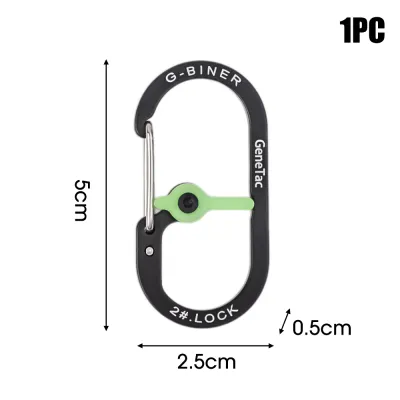

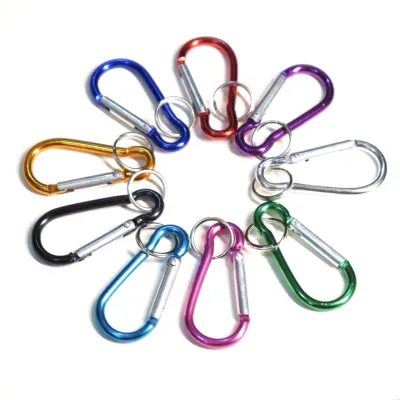
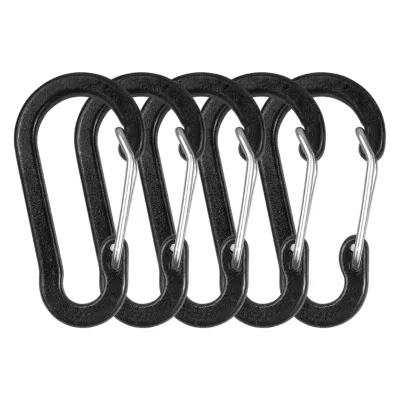
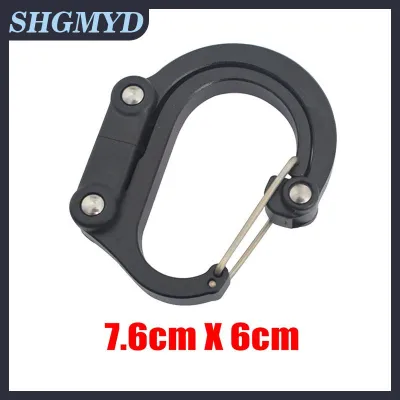
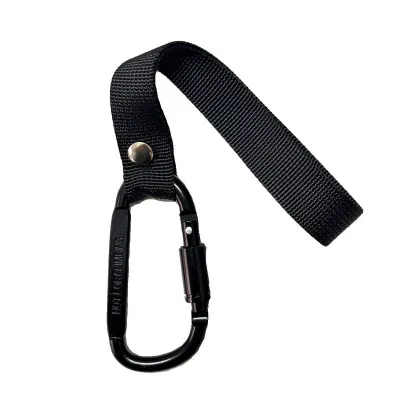
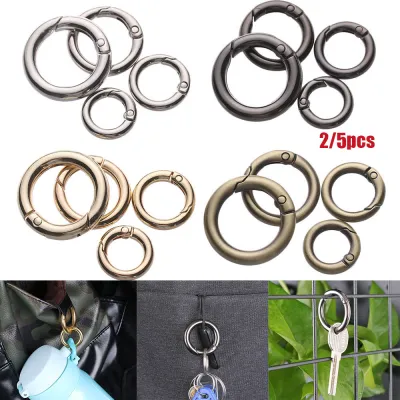
Prices are valid at publication and may change. Please refer to the product page for the latest price.
The minor axis and open-gate ratings are significantly lower, often less than half of the major axis strength. Cross-loading occurs when the carabiner rotates during use, shifting the load onto the gate or the short axis, which drastically reduces its ability to hold a fall.
To prevent cross-loading, perform a visual check of your system before climbing, ensuring that ropes, slings, and belay loops sit squarely in the basket or the spine curve. Some specialized carabiners feature internal wire gates or captive bars designed specifically to keep the connector aligned along its major axis.
While a higher kN rating indicates a stronger frame under ideal conditions, it does not automatically make a carabiner superior for every task. Heavy-duty steel carabiners with exceptionally high ratings are ideal for industrial rigging but are often too heavy for multi-pitch traditional climbing where weight and quick handling are critical.
Choosing the Right Gate Type for Your Climbing Discipline
Selecting the appropriate gate mechanism depends entirely on the role the carabiner plays in your safety system. Locking gates are mandatory for critical connections, such as attaching your belay device to your harness, building anchors, or securing a top-rope setup.

Locking mechanisms generally fall into manual screwgates or auto-locking designs. Screwgates require you to manually thread the sleeve closed, which is highly reliable but susceptible to user forgetfulness, whereas auto-locking gates spring shut and lock automatically, offering convenience but requiring careful monitoring in dusty or freezing environments.
Non-locking carabiners are the standard choice for quickdraws and gear racking, where rapid clipping is essential. These are available in solid gate and wire gate configurations, each presenting distinct functional trade-offs.
Solid gates offer a robust, familiar feel and high durability, but they are heavier and more prone to “gate flutter”—a phenomenon where the gate momentarily swings open during a sudden impact due to inertia. Wire gates reduce overall weight, resist freezing in cold alpine conditions, and significantly minimize gate flutter because of their lower mass.
To ensure your gates function safely, establish a routine inspection protocol before every climbing session. Check that the gate snaps shut completely when released from any angle, inspect the hinge pin for wear or corrosion, and verify that locking sleeves slide smoothly without grinding.
Always consult the manufacturer’s user manual to verify which gate types are certified for specific rigging applications. Never substitute a non-locking carabiner where a locking connector is strictly required by safety protocols.
How Carabiner Shapes Affect Load Distribution and Handling
The physical shape of a carabiner is not an aesthetic choice; it directly dictates how the metal frame distributes forces, manages rope friction, and accommodates other climbing hardware.
D-Shape and Offset D-Shape These designs are engineered to shift the load toward the stronger, solid spine of the carabiner rather than the weaker gate side. Offset D-shapes exaggerate this angle, maximizing major-axis strength while providing a wider gate opening for easier clipping, making them the standard choice for quickdraws and general rigging.
Oval Shape Featuring a symmetrical top and bottom, oval carabiners distribute loads evenly on both sides of the spine. This symmetry makes them indispensable for aid climbing, organizing gear on a gear sling, and operating pulley systems, as they prevent hardware from shifting abruptly under load.
Pear-Shape (HMS) Designed with a wide, flared top basket, pear-shaped carabiners are specifically built to accommodate bulky knots like the Munter hitch or to provide ample space for belay devices. The wide basket allows ropes to glide smoothly with minimal friction, reducing wear on both the rope and the metal.
Before heading out, check the compatibility of your carabiners with your existing gear. Ensure that thick ropes or wide slings do not bunch up in narrow baskets, and verify that the carabiner can rotate freely through hanger bolts and belay loops without binding or getting stuck in an awkward position.
Building Your Carabiner Rack: Matching Specs to Climbing Scenarios
Building a functional gear rack requires matching carabiner specifications to your primary climbing environment, balancing weight, durability, and ease of use.
For sport climbing, prioritize robust offset D-shape quickdraws with solid gates for durability against repeated bolt clips, alongside a few locking pear-shaped carabiners for your belay setup. Traditional climbers, who must carry their entire protection system up the wall, generally favor ultralight wire-gate carabiners to minimize weight, combined with a selection of manual screwgates for building anchors. Top-rope setups benefit from heavy-duty, highly durable locking carabiners at the master point to handle continuous rope friction.
When purchasing new gear, always verify that the physical carabiner features recognized safety certification markings stamped directly into the metal. Look for the CE (Conformité Européenne) mark or the UIAA (International Climbing and Mountaineering Federation) logo, which confirm the hardware has passed rigorous standardized safety testing.
Regularly evaluate your gear and retire any carabiner that shows deep grooves from rope friction (typically exceeding one millimeter), a sticky or non-returning gate, or exposure to corrosive chemicals, saltwater, or extreme heat. If you observe any structural deformity, hairline cracks, or persistent gate malfunctions, stop using the equipment immediately and destroy it to prevent accidental reuse.
Frequently Asked Questions (FAQ)
Can I use a climbing carabiner that has been dropped from a significant height?
While modern aluminum carabiners are incredibly resilient, dropping a carabiner from a significant height onto a hard surface like rock or concrete can introduce internal micro-fractures that are invisible to the naked eye. These hidden structural weaknesses can compromise the metal’s integrity under high-impact loads.
To ensure your safety, perform a thorough visual inspection for deep gouges, cracks, or gate misalignment. However, because visual checks cannot detect internal micro-fractures, the safest course of action is to follow the manufacturer’s specific retirement guidelines; if there is any doubt about the history or impact force of a dropped carabiner, retire it immediately.
Do I need to lubricate the gate mechanism on my locking carabiners?
Yes, regular maintenance is essential to keep your locking carabiners operating smoothly, especially when climbing in dusty, sandy, or humid environments. If you notice a sluggish gate return, a grinding sensation when turning the locking sleeve, or visible grit in the hinge, it is time to clean and lubricate the mechanism.
Start by washing the carabiner in warm, soapy water to remove dirt, rinse it thoroughly, and let it dry completely. Apply a small drop of dry, wax-based or silicone-based lubricant recommended by the manufacturer directly to the hinge pin and spring area, then wipe away any excess to prevent the lubricant from attracting dirt or contaminating your climbing ropes. Avoid using heavy household oils or WD-40, as these can attract abrasive particles and degrade internal components over time.
Community discussion
Share your experience or ask a question. Comments are reviewed before publication.