
When preparing for an underwater adventure, choosing the right gear is a matter of both performance and safety. A reliable diving flashlight is essential for restoring lost colors at depth, exploring crevices, or navigating night dives. However, many divers are confused by the waterproof claims on product packaging. Understanding the distinction between a baseline IPX8 ingress protection rating and a manufacturer’s pressure-tested depth rating is the key to keeping your equipment dry and functioning. While an IPX8 rating ensures basic submersion resistance, true diving safety relies on explicit depth ratings provided by the manufacturer to handle the crushing forces of the deep.
Understanding the IPX8 Standard for Dive Lights
The Ingress Protection (IP) rating system is an international standard used to define the sealing effectiveness of electrical enclosures against moisture and foreign bodies. The “IP” is followed by two digits or letters; the “X” indicates that dust resistance has not been formally tested, while the “8” represents a high level of liquid ingress protection under the standard. Specifically, an IPX8 rating means the device is protected against continuous immersion in water under conditions specified by the manufacturer.
However, this rating is not a universal guarantee of depth. For standard consumer electronics, an IPX8 test might only involve submerging the device at a depth of 1.5 to 3 meters for 30 minutes in a static tank. This test is designed to verify that water will not seep into the casing under normal, low-pressure conditions. It does not simulate the dynamic, high-pressure environment of a deep dive.
Products mentioned in this guide
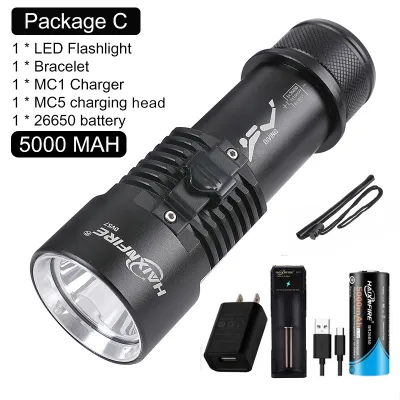
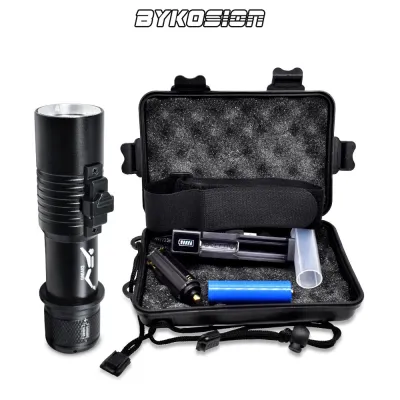
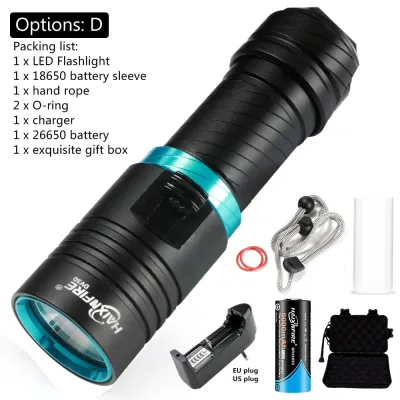
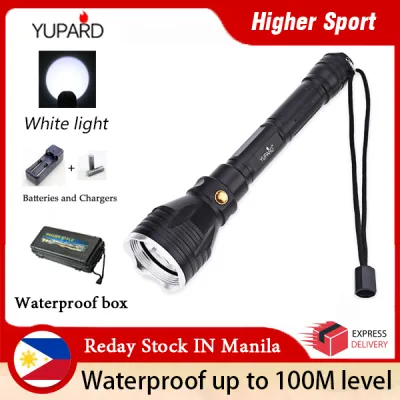
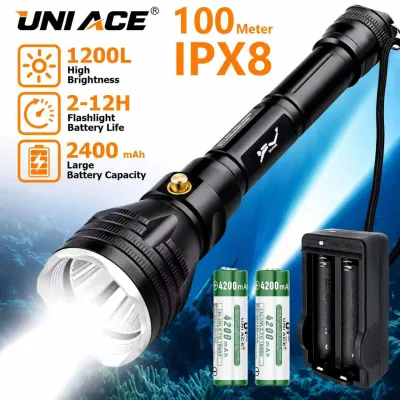
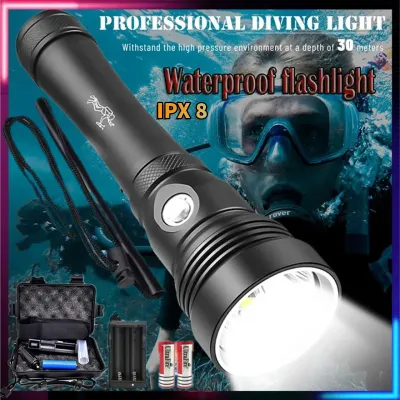
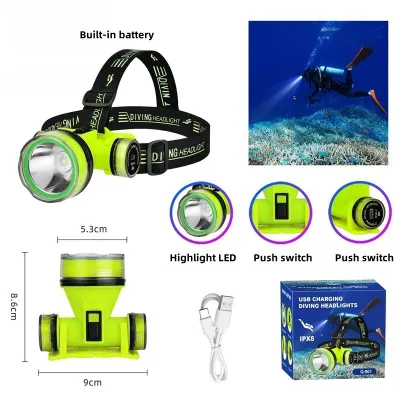
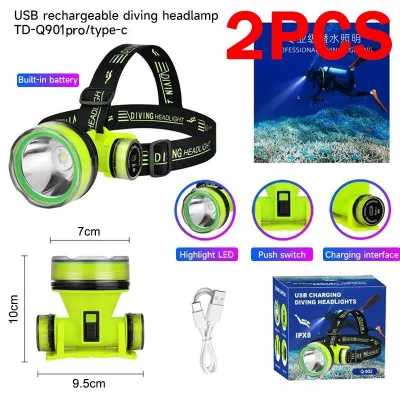
Prices are valid at publication and may change. Please refer to the product page for the latest price.
Because of this, you should treat an IPX8 rating as a mandatory baseline rather than a green light for scuba diving. A flashlight that is suitable for a rainy hike or a quick drop in a shallow pool may quickly fail when subjected to the pressure of an actual dive. For any serious underwater activity, the IPX8 label is merely the starting point of your technical checklist.
Why Depth Ratings Matter More Than IP Codes
The primary limitation of standard IP testing is that it does not account for hydrostatic pressure. As you descend underwater, the pressure surrounding you increases by approximately one atmosphere for every 10 meters of depth. This pressure exerts immense force on every joint, button, and seal of your flashlight.

While IP codes are typically evaluated using static water tests, dedicated dive lights must undergo dynamic pressure testing. Manufacturers of genuine diving flashlights design their products with thicker aluminum or composite bodies, heavy-duty double O-rings, and specialized switch mechanisms—such as magnetic rotary switches—that do not rely on physical openings that could leak under pressure. These lights are certified to specific depths, such as 60 meters, 100 meters, or even deeper.
To find these specifications, you must look beyond the generic IPX8 label. Check the manufacturer’s official spec sheet, the product packaging, or the user manual for an explicit depth rating. Relying solely on an IPX8 tag without a verified depth rating poses a severe safety risk. At depth, the pressure can compress the flashlight’s seals, cause the lens to crack, or force water past the buttons, leading to immediate electrical shorting, battery failure, or even a dangerous battery implosion.
Matching Waterproof Specs to Your Diving Activity
Selecting the right diving flashlight waterproof rating depends heavily on your specific water sport, skill level, and planned environment. For surface activities like snorkeling or shallow free dives in tropical waters, a light with a basic depth rating of 10 to 20 meters is generally sufficient. At these shallow depths, the water pressure is relatively low, and a lightweight, compact light will serve you well.
For recreational scuba diving, which typically reaches depths of up to 30 or 40 meters, you should look for a flashlight rated to at least 60 meters. This provides an essential safety margin. The dynamic movements of diving, such as swimming against currents or accidentally bumping the light against a reef, can momentarily increase the local pressure on the seals. A higher depth rating ensures the light can handle these real-world variables without failing.
Technical divers who venture beyond recreational limits require heavy-duty primary and backup lights rated to 100 meters or deeper. In these extreme environments, equipment failure is not an option. While other features like beam distance, color temperature, and battery runtime are important for visibility in dark waters, the physical integrity of the waterproof seal remains the primary, non-negotiable foundation of your gear selection.
Pre-Dive Checks and Maintenance for Waterproof Integrity
Even the most robustly rated diving flashlight can flood if it is not properly maintained. The waterproof integrity of your light relies almost entirely on its elastomeric O-rings. Before every dive, perform a thorough visual inspection of these seals. Open the battery compartment, remove the O-rings, and check them for any signs of cracking, flattening, or dry rot. Even a single strand of hair, a grain of sand, or a speck of lint on the O-ring can create a micro-gap that allows water to bypass the seal under pressure.
Once you have verified that the O-rings are clean and intact, apply a very thin film of manufacturer-recommended silicone grease. The grease does not actually seal the light; rather, it keeps the rubber flexible and helps it slide smoothly into place without twisting or pinching when you tighten the flashlight body. Be careful not to over-lubricate, as excess grease can attract sand and debris, which will compromise the seal on your next dive.
After completing your dives, proper post-dive care is essential to prevent long-term damage. Always rinse your flashlight thoroughly in clean, fresh water while it is still sealed. This is especially important in warm, salty environments like the coastal waters of the Philippines, where salt can quickly crystallize around the threads and buttons. Operate the switches while the light is submerged in fresh water to flush out any trapped salt or sand. Once rinsed, dry the exterior completely before opening the battery compartment, and store the light in a cool, dry place away from direct sunlight to prevent the rubber seals from degrading.
Frequently Asked Questions (FAQ)
Can I use an IPX8 flashlight for scuba diving if it has no depth rating?
No, you should not use an IPX8 flashlight for scuba diving unless the manufacturer has explicitly provided a certified depth rating. An IPX8 rating only guarantees protection against continuous immersion under shallow, static conditions. Without a specific depth rating, the light has not been tested to withstand the hydrostatic pressure encountered during a scuba dive. Using such a light at depth carries a high risk of casing deformation, lens cracking, or immediate flooding, which can leave you in complete darkness during a dive. Restrict these lights to surface water sports, shallow snorkeling, or land-based activities.
Does a higher depth rating mean a better diving flashlight?
A higher depth rating indicates superior structural engineering and pressure resistance, but it does not automatically make a flashlight suitable for every user. A light rated to 100 meters is built to withstand extreme pressure, but it may also be heavier, bulkier, and more expensive than a light rated to 40 meters. When choosing a light, balance the depth rating with your actual diving needs. If you only participate in shallow recreational dives, a moderately rated light with excellent brightness, a comfortable grip, and long battery life is often a more practical and cost-effective choice than an expensive technical light designed for depths you will never reach.
Community discussion
Share your experience or ask a question. Comments are reviewed before publication.