
When shopping for strength equipment, finding a true bench press heavy duty model means looking past shiny paint jobs and focusing on structural engineering. A genuine heavy-duty bench is defined by its structural integrity: a frame built from thick 11-gauge steel, a wide and stable footprint, high-density foam padding that resists bottoming out, and a verified total weight capacity that safely exceeds 300 kilograms. In the humid tropical climate of the Philippines, where sweat and moisture can rapidly degrade fitness equipment, a heavy-duty bench also requires a high-quality powder-coated finish to resist rust and textured, non-slip upholstery. Understanding these technical specifications is essential for anyone looking to build a safe, reliable home or commercial gym.
The 'Heavy Duty' Label: Marketing vs. Engineering Reality
When browsing online marketplaces or fitness equipment catalogs, you will frequently encounter terms like “commercial grade,” “pro-level,” or “heavy duty.” It is important to realize that these labels are primarily marketing terms rather than strictly regulated engineering standards. A manufacturer can label a flimsy, lightweight bench as “heavy duty” without facing any legal penalties, leaving the responsibility of verification entirely on you. In the Philippine market, you will find benches ranging from budget models under ₱3,000 to premium, heavy-duty options costing ₱15,000 to ₱30,000 or more, and the difference lies almost entirely in the materials used.
In practical engineering terms, a genuine heavy-duty bench must do more than just hold a static weight. It must safely support maximal loads under dynamic conditions, such as when you aggressively unrack a barbell or accidentally drop a heavy pair of dumbbells onto the frame. It must also resist lateral forces, preventing the bench from tipping sideways when you shift your body weight or unrack the bar unevenly. To find a bench that actually delivers on these promises, you must ignore the promotional adjectives and look directly at the physical specifications, material thickness, and certified weight capacities.
Products mentioned in this guide

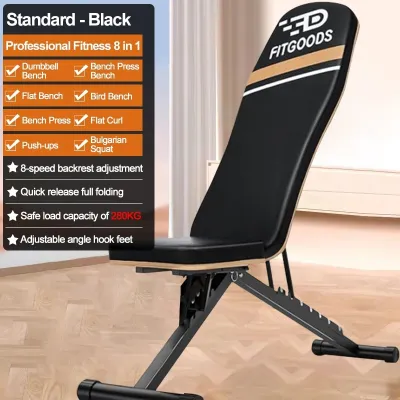

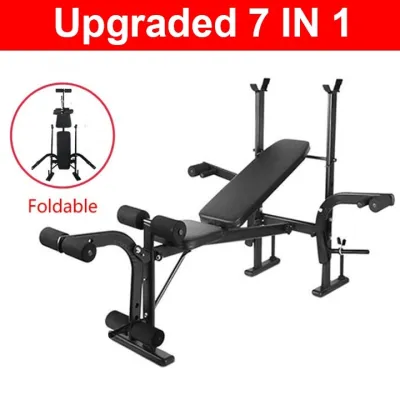
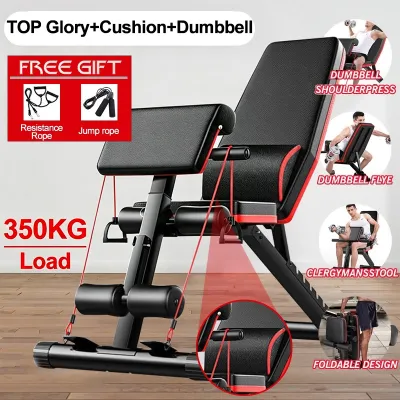
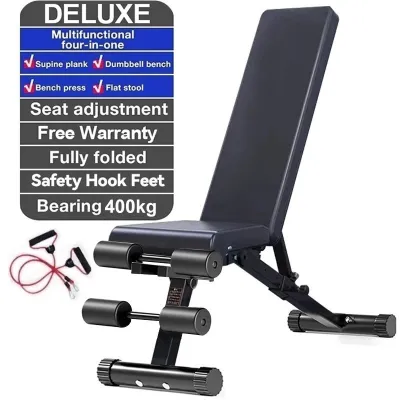
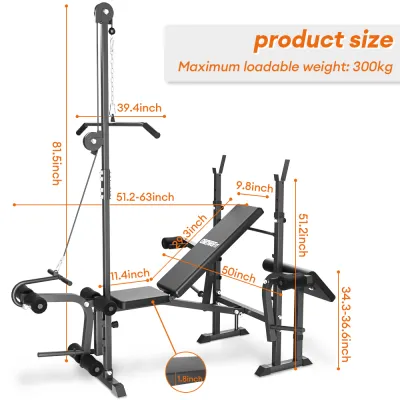
Prices are valid at publication and may change. Please refer to the product page for the latest price.
Calculating True Weight Capacity for Your Lifts
To ensure your safety during heavy training sessions, you must calculate your actual weight capacity requirements before making a purchase. Many lifters make the mistake of looking only at the weight of the barbell they hope to lift, forgetting that the bench must support both the lifter and the load simultaneously.

You can determine your required capacity using a straightforward formula:
Required Capacity = Your Bodyweight + Maximum Barbell Load + Safety Margin
The safety margin should be at least 20% to 30% of the total weight. This extra buffer accounts for the dynamic forces exerted when you move on the bench, drop weights, or use aggressive leg drive. For example, if you weigh 90 kilograms (approximately 200 pounds) and plan to bench press a maximum of 140 kilograms (approximately 300 pounds), your combined static weight is 230 kilograms. Adding a 30% safety margin (69 kilograms) means you should look for a bench with a verified weight capacity of at least 300 kilograms (approximately 660 pounds).
It is also vital to distinguish between static and dynamic weight capacities. Static capacity refers to a load resting completely still on the bench, whereas dynamic capacity accounts for the sudden impact forces of active movement. Always check the manufacturer’s user manual to confirm whether their stated limit is static or dynamic. Remember that a bench rated for 450 kilograms (1,000 pounds) is designed to support a combined total of the user and the weights, not a 100-kilogram lifter attempting to lift a 450-kilogram barbell.
Frame Specifications: Steel Gauge and Base Width for a Bench Press Heavy Duty
The mainframe is the foundation of any bench press heavy duty setup, serving as the primary line of defense against structural failure. When evaluating a frame, the shape and dimensions of the steel tubing dictate how effectively the bench distributes heavy loads. Heavy-duty frames typically utilize square or rectangular tubing (such as 50 mm by 75 mm or 75 mm by 75 mm steel profiles) because these shapes offer superior resistance to bending and twisting compared to thin, round tubes.
Steel Gauge and Wall Thickness
The thickness of the steel used in the frame is measured by its gauge, where a lower gauge number indicates thicker, stronger steel. Genuinely robust fitness equipment is constructed from 11-gauge steel, which translates to a wall thickness of approximately 3.0 mm. In contrast, cheap or budget-friendly benches often use 14-gauge (2.0 mm) or even 16-gauge (1.5 mm) steel, which can easily bend or warp under heavy loads over time.
In the Philippines, where high humidity can accelerate internal rust if moisture penetrates the frame, thicker steel provides an essential safety buffer. When shopping, look for manufacturers that explicitly state the steel gauge or wall thickness in their product specifications. If a brand omits this information and only describes the frame as “thick steel,” it is highly likely they are using a thinner, less durable gauge.
Base Footprint and Anti-Tip Design
A heavy-duty bench must remain completely stationary during your lifts. This stability depends heavily on the base footprint, particularly the width of the rear stabilizer bar. A wide rear base—ideally 24 inches (60 cm) or wider—is crucial for preventing the bench from tipping laterally when you shift your weight or unrack a heavy barbell off-center.
The feet of the bench should be capped with heavy-duty rubber or co-molded plastic. These caps serve two critical purposes: they protect your flooring (especially important if you are lifting on tiled or polished concrete floors common in Philippine homes) and they provide the necessary friction to prevent the bench from sliding when you apply aggressive leg drive. Additionally, look for triangular steel plates, known as gussets, welded at the high-stress joints where the upright supports meet the base. These gussets reinforce the frame and prevent the joints from flexing or weakening under repeated heavy loads.
Pad Density and Upholstery for Heavy Loads
While the steel frame keeps the bench structurally sound, the pad is your direct point of contact and plays a massive role in both safety and force transfer. A low-quality pad will compress completely under heavy loads, causing your shoulders and spine to press directly against the hard steel frame—a painful and dangerous occurrence known as “bottoming out.”
To prevent this, a heavy-duty bench must feature high-density, rebonded foam padding. This foam should feel exceptionally firm to the touch, offering only slight compression under pressure to ensure your shoulders remain stable and supported during a lift. The ideal pad thickness is between 2 and 2.5 inches (5 to 6.5 cm); pads that are too thick can create an unstable, squishy surface that compromises your shoulder positioning, while pads that are too thin fail to provide adequate protection.
The upholstery material is equally important, especially in tropical climates. Look for heavy-duty, commercial-grade vinyl with a textured or grippy surface. This texture prevents your upper back from sliding around during flat or incline presses, allowing you to maintain a tight, safe arch. The vinyl must also be sweat-resistant and easy to clean to prevent moisture from seeping into the foam, which can cause mold and unpleasant odors over time. Double-stitched seams are another indicator of quality, ensuring the cover does not rip under the high tension of heavy training.
Adjustability Hardware: Pins, Hinges, and Ladders
If you are choosing an adjustable bench (incline, decline, or flat), the adjustment mechanisms represent potential failure points. On a heavy-duty adjustable bench, the hardware must be engineered to handle the same extreme forces as the main frame.
The pull pins or pop-pins used to lock the seat and backrest into position should be made of solid, high-tensile steel. Ideally, these pins should have a diameter of at least 1 inch (25 mm) to resist the shearing forces applied during heavy lifts. Flimsy, thin pins can bend or snap, leading to a sudden collapse of the backrest.
The adjustment ladder or hinge mechanism must lock securely with zero wobble. When you push against the backrest, there should be no lateral play or movement. Many high-end heavy-duty benches utilize a “no-gap” or minimal-gap design, which eliminates the uncomfortable space between the seat and back pad when the bench is flat. This design requires precise, heavy-duty hinge engineering to ensure the two pads align perfectly without sacrificing structural rigidity.
Red Flags: Misleading Specs to Ignore
As you evaluate different options, being able to spot misleading specifications will save you from purchasing an inadequate bench. The first major red flag is the use of vague buzzwords like “gym quality” or “professional grade” without any supporting technical data. If a manufacturer cannot provide the exact steel gauge, frame dimensions, or a certified weight capacity, you should assume the product is not truly heavy duty.
Another reliable indicator of quality is the physical weight of the bench itself. Genuine heavy-duty benches are heavy because thick steel and dense foam are heavy materials. A solid flat bench should weigh at least 20 to 30 kilograms (45 to 65 pounds), while an adjustable heavy-duty bench often weighs 35 to 50 kilograms (75 to 110 pounds) or more. If a product listing boasts a high weight capacity but the bench itself weighs under 18 kilograms (40 pounds), the steel is likely too thin to safely support the claimed limit.
Finally, do not be swayed by a high number of adjustable positions. A bench that offers twelve different angles is useless if the locking mechanism is flimsy or unstable. Prioritize frame rigidity and locking security over the sheer variety of adjustment options.
Frequently Asked Questions (FAQ)
Does a heavier bench weight always mean a higher weight capacity?
While a heavier bench typically indicates the use of thicker steel and a wider, more stable base, physical weight alone does not guarantee a higher weight capacity. The ultimate strength of a bench depends on its overall engineering design, the quality of the welds, and the specific grade of steel used. A well-engineered, lighter bench made with high-tensile steel can outperform a heavier bench made with poor-quality welds and low-grade materials.
Can I reinforce a standard bench to make it heavy duty?
You should never attempt to modify, weld, or add DIY supports to a standard bench to increase its weight capacity. Altering fitness equipment can compromise its structural integrity, create unpredictable stress points, and void the manufacturer’s warranty. More importantly, DIY modifications can lead to catastrophic structural failure during a heavy lift, risking severe injury. If your lifting requirements exceed your current bench’s capacity, always purchase a new bench that is professionally rated and certified for those loads.
Community discussion
Share your experience or ask a question. Comments are reviewed before publication.